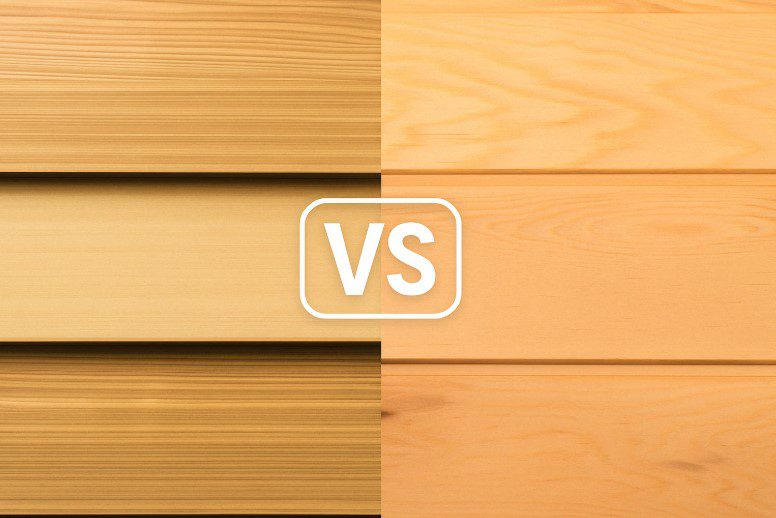
Fir Wood vs Cedar: Proven Best Choice
For projects where durability and natural beauty matter most, cedar is generally the superior choice over fir wood due to its exceptional resistance to rot, insects, and weathering, making it ideal for outdoor applications.
Choosing the right wood for your woodworking projects can feel like a big decision, especially when you’re just starting out. You want your creations to last, look great, and be a joy to build. Two popular options you’ll often come across are fir wood and cedar. They look similar enough, but they behave quite differently, and picking the wrong one can lead to frustration down the line. Don’t worry, though! We’re going to break down exactly what makes each wood unique, so you can confidently choose the best wood for your next project. We’ll explore their strengths, weaknesses, and where they shine brightest.
Fir Wood vs Cedar: Understanding the Basics
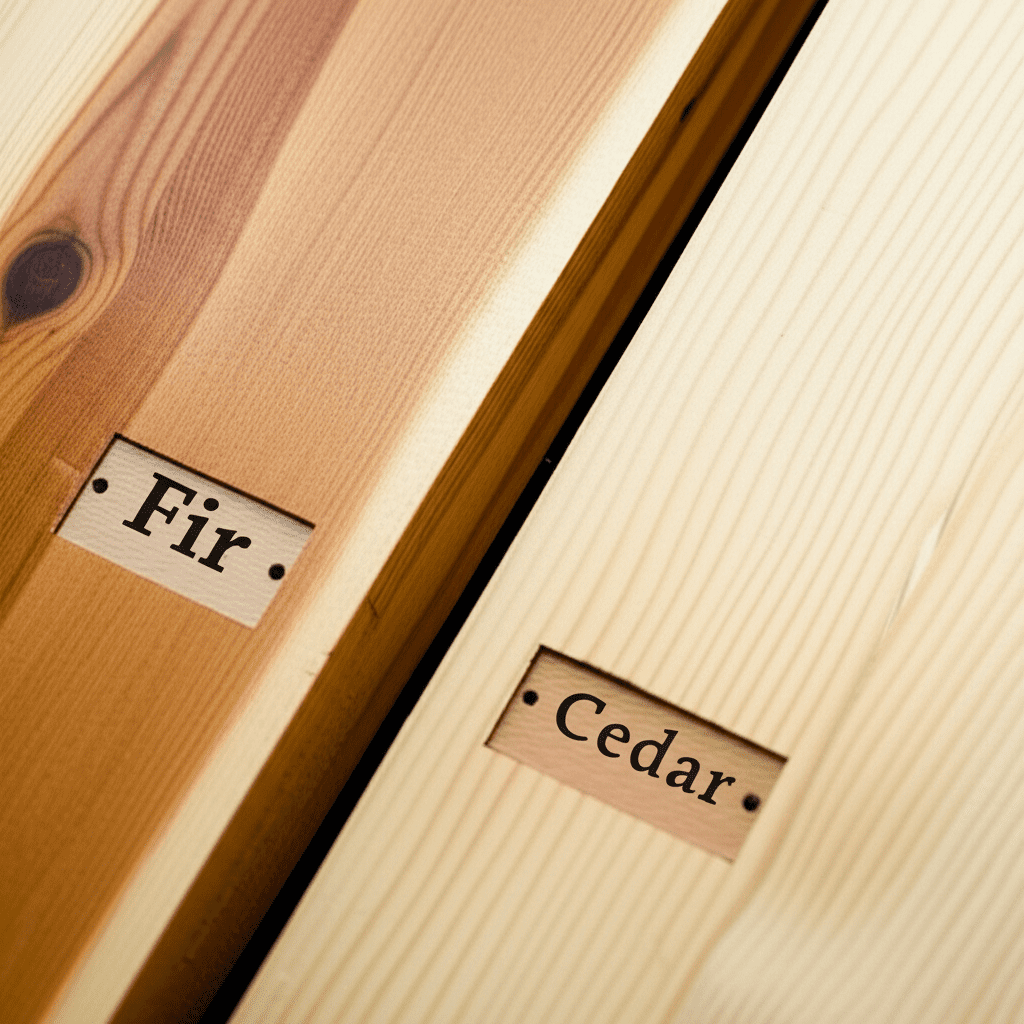
When you’re standing in the lumberyard, trying to decide between fir and cedar, it’s helpful to know what you’re looking for. Both are softwood species, meaning they grow relatively fast and are generally easier to work with than hardwoods. This makes them fantastic choices for beginners and for projects where budget is a consideration. However, their natural properties are quite different, which impacts their performance and ideal uses.
Fir wood, most commonly Douglas Fir, is a workhorse in the construction industry. It’s strong, readily available, and takes fasteners well. It has a clean, straight grain and a reddish-brown to yellowish color. Cedar, on the other hand, is prized for its aromatic scent, beautiful reddish-brown hues, and, most importantly, its natural resistance to decay and insects. This natural protection makes it a fantastic choice for many applications where fir might struggle.
Let’s dive a bit deeper into what makes each of these woods tick.
Fir Wood: The Strong, Steady Performer
Fir wood, particularly Douglas Fir, is incredibly popular for a reason. It’s a staple in building homes, framing walls, and creating sturdy structures. Its strength-to-weight ratio is impressive, meaning it’s strong without being excessively heavy, which is a huge plus when you’re moving lumber around your workshop or building something that needs to be robust.
When it comes to working with fir, you’ll find it’s relatively easy to cut, shape, and sand. Its straight grain means fewer surprises when you’re trying to get a smooth finish. However, it doesn’t have the same natural defenses against the elements that cedar does. This means if you plan to use fir outdoors without proper sealing and regular maintenance, it’s more prone to rot, decay, and insect damage.
For indoor projects like shelving, basic furniture frames, or even decorative trim where it will be painted or sealed, fir is an excellent and often more economical choice. Its strength makes it reliable for structural elements. Understanding its limitations, especially regarding moisture, is key to a successful project.
Cedar: The Natural Protector
Cedar is a wood that truly stands out, especially for outdoor projects. Its most famous quality is its natural resistance to rot, decay, and insect infestations. This isn’t something that’s added; it’s inherent in the wood itself, thanks to natural oils and compounds called extractives. This makes cedar a go-to for decks, fences, garden beds, and outdoor furniture.
Beyond its durability, cedar is beautiful. It often has a rich, reddish-brown color that can deepen with age, and it carries a lovely, distinctive aroma. It’s also relatively lightweight and easy to work with, though it can be a bit more brittle than fir, meaning you might need to be a little more careful when driving fasteners to avoid splitting. Cedar doesn’t typically require a sealant to resist decay, though a finish can help maintain its color and provide an extra layer of protection.
The main drawback of cedar compared to fir is its cost. Cedar is generally more expensive than fir, which can be a significant factor for larger projects or if you’re on a tight budget. However, for applications where longevity and natural resistance are paramount, the extra cost is often well worth it.
Key Differences: Fir Wood vs Cedar at a Glance
To help you visualize the differences, let’s lay them out side-by-side. This comparison should make it easier to see which wood is better suited for your specific needs.
| Feature | Fir Wood (Douglas Fir) | Cedar (Western Red Cedar is common) |
|---|---|---|
| Natural Durability (Rot & Insect Resistance | Low to Moderate. Requires sealing for outdoor use. | High. Naturally resistant due to oils. Excellent for outdoor use. |
| Strength | High. Excellent strength-to-weight ratio. | Moderate. Can be brittle, prone to splitting. |
| Workability | Good. Easy to cut, shape, and sand. Straight grain. | Good. Easy to work with, but can split. Aromatic. |
| Appearance | Clean, straight grain. Reddish-brown to yellowish. Takes paint/stain well. | Beautiful grain patterns. Reddish-brown to pinkish-brown. Distinctive aroma. |
| Cost | Generally lower. More budget-friendly. | Generally higher. More of an investment. |
| Best Uses | Indoor framing, furniture frames, shelving, general construction. | Decks, fences, outdoor furniture, siding, outdoor planters, saunas. |
Strength and Stability
When we talk about strength in woodworking, we often mean how well a wood can bear weight or resist bending. Douglas Fir is a champion here. It’s known for its stiffness and its ability to hold screws and nails securely. This makes it ideal for structural components where you need reliable support.
Cedar, while strong enough for many applications, is a bit softer and can be more prone to dents and scratches than fir. Its strength lies more in its resilience against nature than its sheer load-bearing capacity. If you’re building something that will experience a lot of direct impact or heavy, concentrated loads, fir might have an edge. However, for most outdoor structures like decks and fences, cedar’s strength is more than adequate, and its natural resistance is the real selling point.
Resistance to the Elements: The Big Winner
This is where cedar truly shines, and it’s why it’s often the “proven best choice” for many outdoor projects. Cedar contains natural oils and extractives that act as a built-in defense system against moisture, fungi, and insects like termites. This means that cedar lumber will last much longer when exposed to the weather compared to fir, which needs significant protection.
For instance, if you’re building a planter box for your garden, cedar will naturally resist the constant moisture and soil contact, significantly extending its lifespan. A fir planter box, without a robust sealant and regular maintenance, would likely start to decay much faster. The U.S. Forest Products Laboratory, a branch of the USDA Forest Service, extensively researches wood properties, including decay resistance, confirming cedar’s superior natural durability.
Workability and Finishing
Both fir and cedar are considered easy woods to work with, which is great news for beginners. They cut cleanly with sharp tools, and you can plane, sand, and join them without too much difficulty.
Cutting and Shaping: Both woods respond well to saws and routers. Cedar can sometimes be a bit “splintery” if your saw blade isn’t sharp, so keeping your tools in good condition is always a good idea.
Fastening: Fir generally holds fasteners very well. With cedar, you might want to pre-drill pilot holes, especially near the ends of boards, to prevent splitting. This is a simple step that makes a big difference.
Sanding: Both sand to a smooth finish. Cedar’s natural oils might sometimes clog sandpaper slightly faster than fir, but it’s usually a minor issue.
Finishing: Fir is a great candidate for paint or stain, as it readily accepts these finishes. Cedar can also be stained, but its natural color is often so appealing that many people choose to leave it unfinished or apply a clear sealant to protect the color and provide an extra layer of water repellency.
When to Choose Fir Wood
Fir wood is an excellent choice when your project is primarily for indoor use, or when budget is a major consideration and you’re willing to invest in proper finishing and maintenance for outdoor applications.
Consider fir for:
- Indoor Furniture Frames: Its strength makes it perfect for the underlying structure of chairs, sofas, and tables.
- Shelving Units: Fir provides sturdy shelves that can hold a good amount of weight.
- Cabinets and Cabinet Doors: It’s stable and easy to finish for a clean look.
- Trim and Molding: Fir is a common and affordable choice for baseboards, window trim, and door casings, especially if you plan to paint them.
- DIY Projects Where Painting is Key: If you plan to paint your project a solid color, fir is an economical option that will take the paint beautifully.
- Structural Elements for Indoor Projects: Think stud framing for a shed or interior walls.
For any outdoor use of fir, it’s crucial to apply a high-quality exterior-grade sealant, stain, or paint. Regular reapplication of this finish will be necessary to protect the wood from moisture and UV damage.
When to Choose Cedar
Cedar is the undisputed champion for projects that will be exposed to the elements. Its natural resistance means less maintenance over time and a longer lifespan, especially in humid or wet environments.
Opt for cedar when you’re building:
- Decks and Patios: Cedar’s resistance to rot and insects makes it a classic choice for beautiful and durable outdoor living spaces.
- Fences and Gates: It can withstand constant exposure to sun, rain, and snow without significant degradation.
- Outdoor Planters and Garden Beds: The wood won’t rot from soil contact or constant watering.
- Siding and Exterior Trim: Cedar siding offers a beautiful, natural look that holds up well.
- Outdoor Furniture: From Adirondack chairs to picnic tables, cedar is perfect for pieces that live outside.
- Saunas and Bathhouses: Cedar’s pleasant aroma and resistance to moisture make it ideal for these environments.
- Birdhouses and Other Garden Accents: Small outdoor decorative items benefit from cedar’s longevity.
While cedar is more expensive upfront, its longevity and reduced need for frequent maintenance can make it more cost-effective in the long run for outdoor applications. Resources like the Fine Homebuilding magazine often feature articles detailing the benefits of cedar for exterior projects.
Comparing Costs: Fir Wood vs Cedar
As mentioned, cost is a significant factor for many woodworkers. Generally, fir wood is considerably less expensive than cedar. This price difference can be quite substantial, especially when purchasing larger quantities of lumber.
For example, a 2x4x8 foot board of Douglas Fir might cost significantly less than a similarly sized board of Western Red Cedar. This makes fir a very attractive option for budget-conscious builders or for projects where the cost of materials is a primary concern.
However, it’s also important to consider the total cost of ownership. If you choose fir for an outdoor project and need to spend money on high-quality sealants, stains, and regular maintenance (sanding, reapplication of finishes), the cost savings at the outset might diminish over time. Cedar, with its inherent durability, often requires less upkeep, potentially making it a more economical choice for long-term outdoor structures.
FAQs: Your Woodworking Questions Answered
Here are some common questions beginners have when comparing fir and cedar.
1. Can I use fir wood outside?
Yes, you can use fir wood outside, but it requires diligent protection. You must apply a high-quality exterior-grade sealant, stain, or paint to prevent rot, decay, and insect damage. Regular maintenance and reapplication of the finish will be necessary to keep it in good condition.
2. Is cedar wood more expensive than fir wood?
Generally, yes. Cedar is typically more expensive than fir wood. This is due to its natural resistance to decay and insects, which makes it a more desirable material for outdoor applications, driving up its market price.
3. Which wood is better for a deck: fir or cedar?
Cedar is generally the better choice for a deck. Its natural resistance to rot, insects, and weathering means it will last longer and require less maintenance than fir, which needs constant protection from the elements.
4. Does cedar smell good?
Yes, cedar is known for its pleasant, aromatic scent. This is due to the natural oils present in the wood. The smell is often described as fresh and clean, and it’s one of the appealing characteristics of cedar lumber.
5. Which wood is stronger: fir or cedar?
Douglas Fir is generally stronger and more rigid than cedar. Fir has a higher strength-to-weight ratio and is less prone to splitting when fasteners are driven. Cedar is strong enough for most applications but can be more brittle and susceptible to denting.
6. Can I paint cedar wood?
Yes, you can paint cedar wood. While many people prefer to leave cedar unfinished or use a clear sealant to showcase its natural beauty, it can be painted. Ensure the wood is clean and dry, and use a good quality primer followed by exterior-grade paint for best results.
7. What is the best wood for outdoor planters?
Cedar is an excellent choice for outdoor planters because of its natural resistance to rot and insects, which are common problems when wood is in constant contact with soil and moisture. Fir can be used, but it will require thorough sealing and will likely have a shorter lifespan.
Conclusion: Making Your Choice
So, when it comes down to fir wood vs cedar, the “proven best choice” really depends on your project. If you’re building something that needs to stand up to the elements year after year, like a deck, fence, or outdoor furniture, cedar is the clear winner. Its natural defenses against rot and insects mean it will last longer and require less maintenance, saving you time and money in the long run, even though it costs more upfront.
On the other hand, if your project is destined for the indoors, or if you’re on a tighter budget and are prepared to put in the work to protect the wood from moisture, fir is a fantastic, strong, and economical option. It’s a reliable performer for framing, shelving, and anything you plan to paint.
By understanding the unique properties of each wood – fir’s strength and affordability, and cedar’s natural durability and beauty – you can confidently select the perfect lumber for your next woodworking adventure. Happy building!