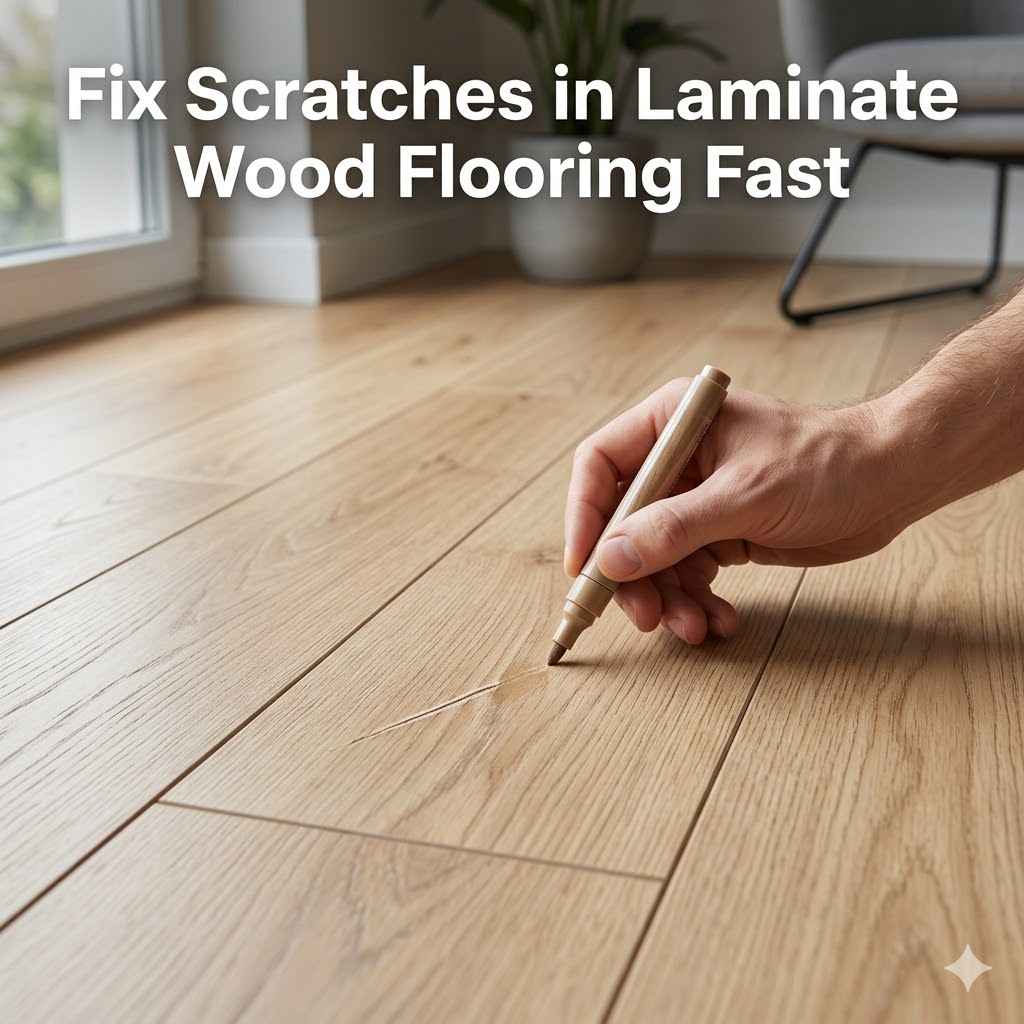
Fix Scratches in Laminate Wood Flooring Fast
Laminate flooring looks great, but scratches happen. You might wonder how to fix them without a lot of fuss. It can seem tricky when you first notice a scratch, but don’t worry!
This guide makes it easy to Fix Scratches in Laminate Wood Flooring Fast. We’ll walk you through simple steps so your floors look new again. Get ready for a quick fix.
Easy Fixes For Laminate Floor Scratches
Scratches on laminate flooring are a common problem. They can appear from daily wear and tear, like pets’ claws, furniture movement, or even dropped items. For many people, especially those new to home maintenance, fixing these marks feels overwhelming.
They might think it requires professional help or costly replacements. This section will show you that fixing these scratches is much simpler than you imagine. We’ll cover the basic methods to quickly restore your flooring’s appearance.
Understanding Laminate Flooring
Laminate flooring is a multi-layer synthetic product. It’s fused together with a lamination process. It’s designed to imitate wood, tile, or stone flooring.
The top layer is a transparent wear layer. This layer protects the floor from stains, scratches, and fading. Below that is the design layer, which is a high-resolution image of the natural material it’s meant to mimic.
Then comes the core layer, usually made of high-density fiberboard (HDF). This layer provides stability and durability. Finally, there’s a backing layer that offers moisture resistance and structural balance.
Because of its layered construction, laminate flooring is generally durable. However, the wear layer can be scratched or damaged. Deep scratches can penetrate this layer and affect the design or even the core.
Understanding this structure helps in choosing the right repair method. Some fixes work for light surface scratches, while others are needed for deeper damage.
Common Causes of Laminate Scratches
Many everyday activities can lead to scratches on your laminate floors. Being aware of these causes can help you prevent them in the future.
Pet Nails
Pets like cats and dogs can easily scratch laminate floors with their nails. Even well-groomed pets can cause scuffs, especially on lighter colored floors. Frequent movement of pets on the floor, particularly during play, increases the risk.
It’s a good idea to trim your pet’s nails regularly to minimize this.
Furniture Movement
Moving chairs, tables, or heavy appliances without proper protection can create long, unsightly scratches. Even small movements can drag rough edges across the surface. Using felt pads on furniture legs is a simple yet effective preventative measure.
Consider placing rugs under frequently moved furniture like office chairs.
Footwear
Shoes with rough soles, especially those with embedded dirt or small stones, can act like sandpaper on laminate. High heels can also leave dents and scratches. Encouraging a no-shoes policy indoors is a great way to protect your floors.
Doormats at all entrances help capture dirt before it’s tracked inside.
Dropped Items
Even something as common as dropping a tool, a toy, or keys can cause an immediate scratch. The harder and heavier the item, the more likely it is to damage the floor. Being careful when carrying items, especially in high-traffic areas, can prevent these accidental damages.

Quick Fixes to Restore Laminate Floors
When you notice a scratch, the first step is to assess its depth. Minor scratches often only affect the top wear layer. These are the easiest to fix and can be handled with common household items or simple repair kits.
Deeper scratches might require more attention but are still manageable. This section focuses on immediate, simple solutions that require minimal effort.
Surface Scratch Repair with Household Items
Many common household items can effectively repair light surface scratches on laminate flooring. These methods are cost-effective and readily available.
Toothpaste
A small amount of non-gel, white toothpaste can work wonders on light surface scratches. Apply a dab of toothpaste to a soft cloth. Gently rub the paste into the scratch in a circular motion.
The mild abrasive in the toothpaste can buff out minor scuffs. Wipe clean with a damp cloth and dry.
Baking Soda Paste
Similar to toothpaste, baking soda mixed with a little water creates a gentle abrasive paste. Mix one part baking soda with two parts water to form a paste. Apply the paste to the scratch with a soft cloth and rub gently in a circular motion.
Rinse with a damp cloth and dry thoroughly. This is great for scuffs that don’t go too deep.
Walnuts or Pecans
For very light scratches and scuffs on wood-look laminate, nuts can be surprisingly effective. Rub the oily meat of a walnut or pecan directly over the scratch. The natural oils can help fill in and disguise the mark.
Buff with a soft cloth afterward. This works best on darker wood tones.
Pencil Eraser
A clean, white pencil eraser can often remove minor scuff marks that look like scratches. Simply rub the eraser over the scuff mark. The rubber can lift the marks from the surface.
Wipe the area with a slightly damp cloth afterward to remove any eraser residue.
Using a Laminate Repair Kit
For more noticeable scratches, or if household items don’t quite do the trick, a laminate repair kit is an excellent option. These kits are specifically designed for laminate flooring and provide more durable results.
Contents of a Typical Kit
Laminate repair kits usually contain a few key items. You’ll often find a wax or putty filler that comes in various wood colors. These fillers are designed to be shaped and blended.
Some kits include small tools like a putty knife or spatula for application. You might also find a small brush or applicator and a seal or finishing spray to protect the repair.
The most important step is matching the color of the filler to your flooring. Kits often offer a range of colors or allow you to mix colors to achieve the perfect match. Test colors in an inconspicuous area first.
Good color matching ensures the repair blends seamlessly with the rest of your floor.
Application Process
Begin by cleaning the scratched area thoroughly. If the scratch is deep, you might need to carefully fill it with the wax or putty. Use the provided spatula to apply the filler, pressing it firmly into the scratch.
Smooth the surface so it’s level with the surrounding flooring. For deeper scratches, you might need multiple applications. Allow the filler to dry or set according to the kit’s instructions.
Finishing Touches
Once the filler is dry, you may need to gently buff the area to match the sheen of the surrounding floor. Some kits include a clear coat or sealant. Apply this to protect the repair and give it a finished look.
The goal is to make the scratch almost invisible.
Dealing with Deeper Scratches
Deeper scratches penetrate beyond the wear layer and can be more challenging. These might affect the design layer or even the core. They require a more substantial repair to prevent further damage and restore the floor’s appearance.
Using Laminate Repair Wax
Specialized laminate repair wax sticks are excellent for deeper gouges. These waxes are harder than putty and are designed to withstand more wear. You often heat the wax slightly to soften it before applying it into the scratch.
The wax is then leveled and smoothed. This creates a durable fill that can last a long time.
Colored Pencils and Sharpener
For minor to medium scratches, a colored pencil that closely matches your flooring can be useful. Use a sharpener to create fine shavings. Carefully pack these shavings into the scratch using a small tool or your fingertip.
Gently rub the area with a soft cloth to blend. This is a quick fix for many visible marks.
Touch-up Paint Pens
There are specialized touch-up paint pens designed for wood and laminate. Choose a color that is very close to your floor. Carefully draw the color into the scratch, filling it in.
You might need to apply multiple thin layers. Once dry, you can sometimes use a clear topcoat to seal it.
Advanced Techniques for Laminate Floor Repair
Sometimes, simple fixes aren’t enough, or you want a repair that looks as close to new as possible. These advanced techniques offer more permanent solutions for damaged laminate flooring.
Laminate Floor Repair Pens and Markers
These are similar to touch-up paint pens but are specifically formulated for laminate. They often contain a mix of wax and color that can fill and hide scratches effectively.
How They Work
These pens release a colored, semi-solid material as you draw them over the scratch. The material fills the void and then hardens. They are best for scratches that have removed some of the color but haven’t deeply damaged the material.
Application Tips
Ensure the scratch is clean and dry. Apply the pen color carefully, following the line of the scratch. You can build up layers if needed.
Wipe away any excess color from the surrounding floor immediately. Some pens come with a clear sealant tip, which you can use to finish the repair.
Wood Filler and Putty for Laminate
Wood filler or putty is a common choice for filling deeper gouges or chips in laminate flooring. It’s available in various colors and can be sanded and painted.
Choosing the Right Product
Look for a water-based wood filler for easier cleanup. Select a color that matches your flooring as closely as possible. You might need to mix colors to achieve the right shade.
Filling and Sanding
Clean the damaged area. Apply the filler with a putty knife, pressing it firmly into the scratch or chip. Smooth the surface so it’s flush with the floor.
Allow the filler to dry completely, which can take several hours. Once dry, you can gently sand the repaired area with fine-grit sandpaper to make it smooth.
Finishing the Repair
After sanding, clean the area. If the color isn’t a perfect match, you can use a matching laminate touch-up pen or paint. Finally, apply a clear protective sealant to the repaired area.
This will help protect the filler and blend the repair into the surrounding floor.
Using a Laminate Repair Kit with Color Matching
Some advanced repair kits offer a more professional approach to fixing scratches. These kits often involve a wax or resin that you can melt and mold into the damaged area.
Specialized Wax Fillers
These kits use a harder, more durable wax than standard repair sticks. You often use a small heating tool (sometimes included) to melt the wax, which then flows into the scratch. This creates a very strong and long-lasting repair.
Color Mixing and Application
The key to these kits is precise color matching. You can mix different wax colors to create an exact shade. Apply the melted wax into the scratch with a spatula.
Scrape away any excess and then allow it to cool and harden. You might need to lightly sand or buff the area to blend it with the surrounding floor.
Protective Sealant
Many of these kits also include a clear sealant or finish. This is applied over the repaired area to protect it from moisture and wear, and to match the sheen of the original flooring.
When to Consider Replacing a Plank
While repairs are great, some damage is too severe to fix effectively. If a section of your laminate floor is extensively damaged, replacing a plank might be the best solution.
Signs That Replacement Is Needed
Severe deep gouges, large chips, or widespread damage across multiple planks can be too much for simple repairs. If the laminate is lifting or delaminating, it also indicates significant damage. Water damage can warp the planks, making them unsalvageable.
The Replacement Process
Replacing a plank involves carefully disassembling the floor. You’ll need to remove the damaged plank and any surrounding planks that are connected to it. Then, you insert a new plank and reassemble the section.
This can be a bit more involved than simple scratch repair. It’s often best to have spare planks from the original installation.
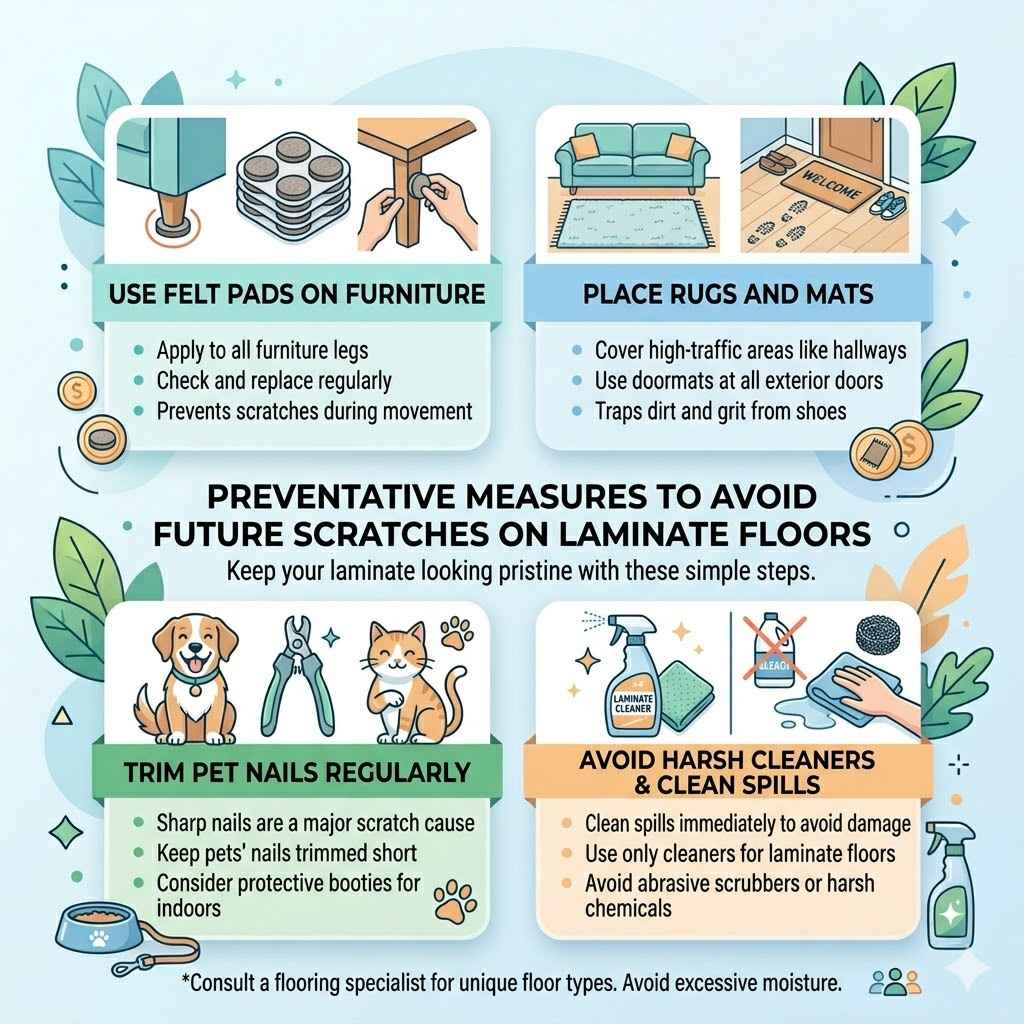
Preventative Measures to Avoid Future Scratches
The best way to deal with scratches is to avoid them altogether. Implementing a few simple preventative measures can keep your laminate floors looking pristine for years.
Use Felt Pads on Furniture
This is one of the most effective ways to prevent scratches. Apply self-adhesive felt pads to the bottom of all furniture legs. Check them regularly and replace them when they become worn or dirty.
This significantly reduces the risk of scratches when furniture is moved.
Place Rugs and Mats
Use area rugs in high-traffic zones like hallways, entryways, and under dining tables. Place doormats at all exterior doors to trap dirt and grit that can scratch floors. This protects the most vulnerable areas of your flooring.
Trim Pet Nails Regularly
As mentioned earlier, sharp pet nails are a major cause of scratches. Keep your pets’ nails trimmed short. For very active or large pets, consider protective booties for them to wear indoors.
Clean Spills Immediately
While laminate is fairly resistant to moisture, letting spills sit can cause damage or attract dirt that scratches. Wipe up any liquid spills right away.
Avoid Harsh Cleaning Products
Some cleaning chemicals can damage the wear layer of laminate flooring, making it more susceptible to scratches. Use only cleaners specifically designed for laminate floors. Avoid abrasive scrubbers or steel wool.
Remove Shoes at the Door
Encourage everyone in your household and any guests to remove their shoes before walking on the laminate floors. This prevents dirt, pebbles, and grit from being tracked in and causing scratches.
Frequently Asked Questions
Question: How do I know if a scratch can be fixed easily?
Answer: If the scratch is light and only affects the surface sheen, it can likely be fixed easily with household items or a basic repair pen. Deeper scratches that you can feel with your fingernail might need a repair kit with wax or putty.
Question: Can I use nail polish to fix laminate scratches?
Answer: While some people try nail polish, it’s generally not recommended. It can be hard to match the color perfectly, and it might not adhere well or create a smooth finish. Specialized repair products are much more effective.
Question: How long do laminate floor repairs usually last?
Answer: Simple fixes like toothpaste or walnuts might last a short time. Well-applied laminate repair kits with wax or putty, especially those that are sealed, can last for several months to a year or even longer, depending on traffic and wear.
Question: What if the scratch is on a plank that is difficult to access?
Answer: If a scratch is in a hard-to-reach area, focus on using repair pens or a thin wax stick that allows for precise application without needing to fill a large space.
Question: Can I repair deep gouges that go through the entire plank?
Answer: Deep gouges that damage the core of the laminate plank are very difficult to repair seamlessly. In such cases, replacing the damaged plank is often the best and most durable solution.
Conclusion
Fixing scratches in laminate wood flooring fast is achievable for most homeowners. You have simple solutions for light marks and effective kits for deeper damage. Remember preventative steps like felt pads and mats to keep your floors looking great.
With these tips, you can easily restore your laminate flooring’s beauty and enjoy it for years to come.