Floor Lacquer Vs Varnish: Genius Guide
Floor lacquer vs varnish: Choose lacquer for a fast-drying, hard finish that protects your floors quickly. Opt for varnish when you need a more durable, flexible coating that offers excellent water and heat resistance, ideal for high-traffic areas. This guide clarifies the differences to help you make the best choice for your project.
Choosing the right finish for your wooden floors can feel a bit like navigating a maze. You want something that looks great, protects your precious wood, and is easy enough to apply without turning into a weekend-long headache. Many DIYers get stuck wondering: what’s the real difference between floor lacquer and varnish? It’s a common question, and the good news is, it doesn’t have to be confusing! We’ll break down exactly what each finish offers, helping you pick the perfect protector for your floors. Get ready to confidently transform your wooden surfaces!
Understanding Wood Finishes: The Basics
Before we dive into the specifics of floor lacquer vs varnish, let’s quickly touch on what wood finishes do. Their primary job is to shield your wood from daily wear and tear, moisture, stains, and UV damage. Think of them as a protective shield. Beyond protection, finishes enhance the natural beauty of the wood, bringing out its grain and color, and can even alter the sheen from a matte look to a high gloss. The type of finish you choose significantly impacts both the look and the longevity of your wooden floors.
What is Floor Lacquer?
Floor lacquer is a type of wood finish known for its quick drying time and hard, durable surface. It typically contains solvents that evaporate rapidly, leaving behind a protective film. This rapid evaporation is a key characteristic that sets it apart from many other finishes. Lacquers are often favored for their ease of application and the smooth, clear finish they provide. They are excellent at resisting scuff marks and general wear, making them a popular choice for busy households.
How Floor Lacquer Works
When you apply lacquer, the solvents within it evaporate into the air. As these solvents disappear, the resin (the main film-forming component) hardens and dries. This process is quite fast, often allowing for multiple coats to be applied in a single day. The resulting film is typically clear and hard, offering good protection against abrasion. However, some lacquers can be brittle if applied too thickly or if the wood expands and contracts significantly.
Pros and Cons of Floor Lacquer
-
Pros:
- Very fast drying time, allowing for quick recoating.
- Produces a hard, durable surface that resists scuffs and scratches.
- Easy to apply and typically levels out well for a smooth finish.
- Good clarity, allowing the wood’s natural beauty to shine through.
- Can be buffed to a high sheen.
-
Cons:
- Can be less flexible than varnish, potentially leading to cracking with extreme wood movement.
- May have a stronger odor due to solvents.
- Can be susceptible to some chemicals and heat.
- May yellow slightly over time, especially in the presence of UV light.
What is Varnish?
Varnish is another popular wood finish, often made from oils, resins, and drying agents. Unlike lacquer, varnish dries through oxidation, a slower process that results in a more flexible and generally more robust protective film. It’s known for its excellent durability and resistance to moisture, heat, and chemicals, making it a fantastic choice for surfaces that experience a lot of wear and tear or are exposed to liquids, such as kitchen floors or tabletops. You’ll often find varnishes categorized by their base, such as oil-based or water-based.
How Varnish Works
Varnish works by reacting with oxygen in the air. This process, called oxidation, causes the oils and resins to polymerize and harden. This curing process is slower than the evaporation of solvents in lacquer. The resulting film is typically more flexible and resilient, making it less prone to cracking if the wood expands or contracts. The oil-based varieties, in particular, offer superior water and heat resistance.
Pros and Cons of Varnish
-
Pros:
- Excellent durability and resistance to water, heat, and chemicals.
- More flexible than lacquer, making it ideal for wood that may expand or contract.
- Provides a tough protective barrier against abrasion and impact.
- Available in various sheens, from matte to high gloss.
- Oil-based varnishes offer superior protection in demanding environments.
-
Cons:
- Slower drying and curing times compared to lacquer.
- Can have a stronger odor, especially oil-based varieties.
- May require more careful application to avoid drips or runs.
- Can yellow over time, particularly oil-based versions.
- Can sometimes appear slightly more amber than lacquer.
Floor Lacquer vs Varnish: Key Differences
The core distinction between floor lacquer and varnish lies in their drying mechanisms and the properties of the dried film they create. Understanding these differences is crucial for selecting the right finish for your specific needs. Let’s break down the comparison point-by-point.
Here’s a table summarizing the main differences:
| Feature | Floor Lacquer | Varnish |
|---|---|---|
| Drying Mechanism | Solvent Evaporation | Oxidation (Curing) |
| Drying Time | Very Fast | Slow to Moderate |
| Film Hardness | Very Hard, potentially brittle | Hard and Flexible |
| Durability | Good scratch resistance | Excellent abrasion, water, and heat resistance |
| Flexibility | Low | High |
| Odor | Can be strong (solvent-based) | Can be strong (especially oil-based) |
| Yellowing | Slight potential | Potential, especially oil-based |
| Application Ease | Generally easy, levels well | Can be trickier, requires care |
| Best For | Moderate traffic, speed of application | High traffic, moisture/heat exposure |
When deciding between floor lacquer vs varnish, consider the environment your floors will be in. For a quick project where speed is essential and traffic is moderate, lacquer might be your go-to. If you’re finishing floors in a busy kitchen or entryway that sees a lot of foot traffic and potential spills, varnish, particularly an oil-based one, offers superior protection.
Choosing the Right Finish for Your Project
The best finish for your floors depends on several factors. Think about the type of wood, the expected wear and tear, your budget, and how much time you have for the project. Both lacquer and varnish have their place in the woodworking world, and knowing their strengths will help you make an informed decision.
Factors to Consider
- Traffic Level: High-traffic areas like hallways, living rooms, and kitchens benefit from the robust protection of varnish. For less-used spaces like guest rooms or studies, lacquer might suffice.
- Moisture Exposure: If your floors are prone to spills or high humidity (like in a bathroom or near a backdoor), varnish’s superior water resistance is a significant advantage.
- Heat Resistance: For areas near fireplaces or radiators, varnish generally offers better protection against heat damage.
- Drying Time: If you need to finish the project quickly and are eager to get your room back in use, lacquer’s fast-drying nature is a major plus.
- Application Skill: While both require care, lacquer often forgives minor application errors better due to its leveling properties. Varnish, especially oil-based, can be more prone to drips and requires a steadier hand.
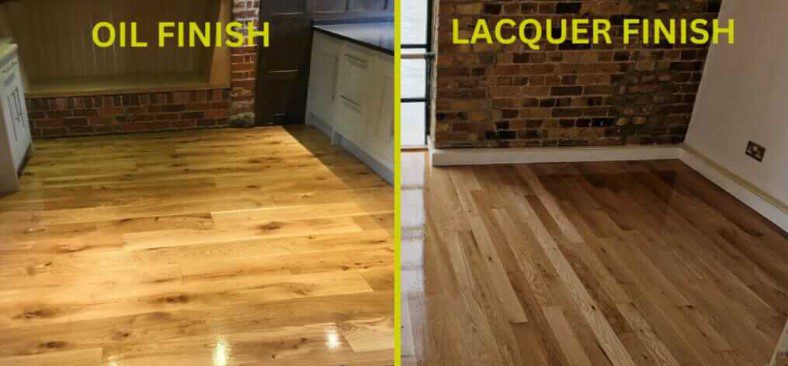
- Aesthetics: Both finishes can be applied in various sheens. Lacquer tends to dry to a very clear, hard finish, while oil-based varnishes can impart a slightly warmer, amber tone.
- Environmental Concerns: Consider the VOC (Volatile Organic Compound) content. Water-based varnishes and lacquers generally have lower VOCs and less odor than their solvent-based counterparts, making them a more environmentally friendly and healthier choice. You can learn more about VOCs from the U.S. Environmental Protection Agency.
Application Tips for Floor Finishes
Applying either floor lacquer or varnish correctly is key to achieving a beautiful, long-lasting finish. Proper preparation of the wood surface is paramount, regardless of the finish you choose. Remember, the finish is only as good as the surface it’s applied to!
Preparation is Key
Before you start applying any finish, ensure your floors are:
- Clean: Remove all dust, dirt, grease, and old finishes. Vacuum thoroughly and then wipe down with a tack cloth or a slightly damp cloth.
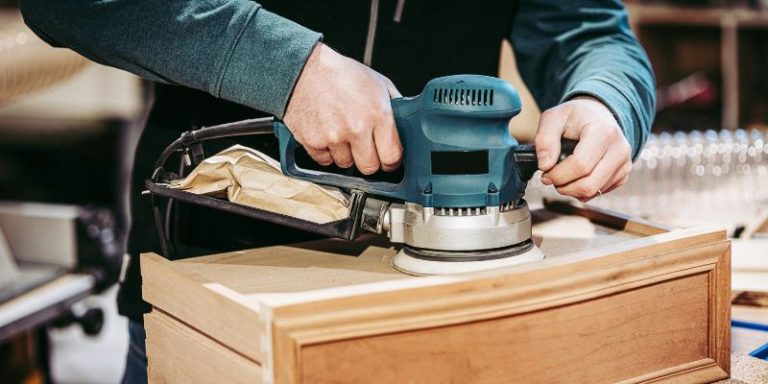
- Smooth: Sand the floors to the desired grit. Start with a coarser grit (e.g., 80-100) to remove imperfections and then move to finer grits (e.g., 150-220) for a smooth surface. Always sand with the grain of the wood.
- Dry: Make sure the wood is completely dry after any cleaning or sanding.
Applying Floor Lacquer
Applying lacquer is often straightforward, but a few tips will ensure success:
- Ventilation: Ensure the area is well-ventilated. Lacquer fumes can be strong and flammable. Open windows and doors, and consider using a respirator mask designed for organic vapors.
- Tools: Use a high-quality natural bristle brush or a lambswool applicator for oil-based lacquers, or a synthetic brush/applicator for water-based ones. A spray gun can also be used for an even finish.
- Thin Coats: Apply thin, even coats. Avoid overloading your brush or applicator.
- Drying Time: Allow each coat to dry completely according to the manufacturer’s instructions. This is usually quite fast for lacquer.
- Light Sanding: Between coats (after the first one), lightly sand with very fine-grit sandpaper (220-320 grit) or steel wool (0000 grade) to knock down any raised grain or imperfections. Wipe away dust with a tack cloth.
- Number of Coats: Apply at least 2-3 coats for adequate protection.
Applying Varnish
Varnish, especially oil-based, requires a bit more patience:
- Ventilation: Good ventilation is essential, particularly for oil-based varnishes, which have stronger fumes.
- Tools: Use a high-quality natural bristle brush for oil-based varnish. For water-based varnish, a synthetic brush is recommended.
- Thin Coats: Apply thin, even coats. Avoid applying too thickly, as this can lead to runs and slow drying.
- Drying Time: Allow ample drying time between coats. Oil-based varnishes can take 12-24 hours or more per coat, while water-based versions dry faster but still require more time than lacquer.
- Light Sanding: Between coats, lightly sand with fine-grit sandpaper (220-320 grit) or #0000 steel wool. Clean thoroughly with a tack cloth.
- Number of Coats: Aim for 3-4 coats for robust protection, especially on floors.
- Curing: Be aware that varnish continues to harden (cure) for several days or even weeks. Avoid heavy traffic and placing furniture for the recommended curing period, which is usually longer than the drying time.
For more in-depth information on finishing techniques, resources like Wood Magazine’s finishing guides offer excellent practical advice.
Lacquer vs Varnish: Which One is Right for You?
The decision between floor lacquer and varnish really boils down to your priorities and the specific demands of your project. If you’re looking for speed and a hard, scuff-resistant surface for moderate wear, lacquer is a strong contender. If durability, water resistance, and heat resistance are paramount, and you have the time for slower drying, varnish is likely the better choice.
Quick Decision Guide
-
Choose Lacquer if:
- You need to finish the project quickly.
- The floors are in an area with moderate traffic.
- You prefer a very hard, clear finish.
- You are comfortable working with strong fumes and rapid drying.
-
Choose Varnish if:
- The floors are in a high-traffic area (hallways, living rooms, kitchens).
- The floors will be exposed to moisture or heat.
- You need maximum durability and resistance to wear.
- You have patience for slower drying and curing times.
- You prefer a more flexible finish that accommodates wood movement.
Frequently Asked Questions (FAQ)
Q1: Can I use regular furniture lacquer on floors?
While some lacquers are formulated for furniture, it’s best to use a product specifically labeled for floor use. Floor lacquers are designed to withstand more abrasion and wear than general-purpose lacquers.
Q2: Is oil-based varnish better than water-based for floors?
Oil-based varnish generally offers superior durability, water resistance, and heat resistance, making it a robust choice for floors. However, it has stronger fumes, longer drying times, and can impart a slight amber hue. Water-based varnishes dry faster, have less odor, and dry clear, but may be slightly less durable in extreme conditions.
Q3: How many coats of floor lacquer or varnish do I need?
For most floors, 2-3 coats of floor lacquer or 3-4 coats of varnish are recommended for adequate protection. Always check the manufacturer’s instructions, as some products may suggest different numbers of coats.
Q4: Can I apply lacquer over varnish or vice versa?
It’s generally not recommended to apply lacquer over varnish or varnish over lacquer without proper preparation. Lacquers can sometimes soften or react with oil-based varnishes. If you must, ensure the existing finish is thoroughly sanded and clean, and test in an inconspicuous area first. It’s always best to stick with one type of finish for the entire project.
Q5: How long should I wait before walking on my finished floors?
You can typically walk on floors finished with lacquer after 24 hours, though it’s best to wear socks and avoid heavy traffic. Varnish, especially oil-based, requires longer. You can usually walk on them carefully after 24-48 hours, but they need several days (or even weeks) to fully cure before placing furniture or subjecting them to heavy use.
Q6: What’s the difference between varnish and polyurethane?
Polyurethane is a type of synthetic resin often used in modern varnishes. While the terms are sometimes used interchangeably, traditional varnish might use natural oils and resins. Modern “varnishes” are often polyurethane-based, offering excellent durability and protection. The key is to look for products specifically formulated for flooring.
Conclusion
So, there you have it! The world of floor finishes doesn’t have to be intimidating. By understanding the fundamental differences between floor lacquer and varnish – particularly how they dry and the properties of their protective films – you can make a confident choice. Lacquer offers speed and a hard finish for moderate use, while varnish provides robust, flexible protection that stands up exceptionally well to heavy traffic, moisture, and heat. Whichever you choose, remember that thorough preparation and careful application are your best allies for achieving beautiful, long-lasting results that you’ll be proud of. Happy finishing!