Gas vs Cordless Chainsaw: Essential Choice
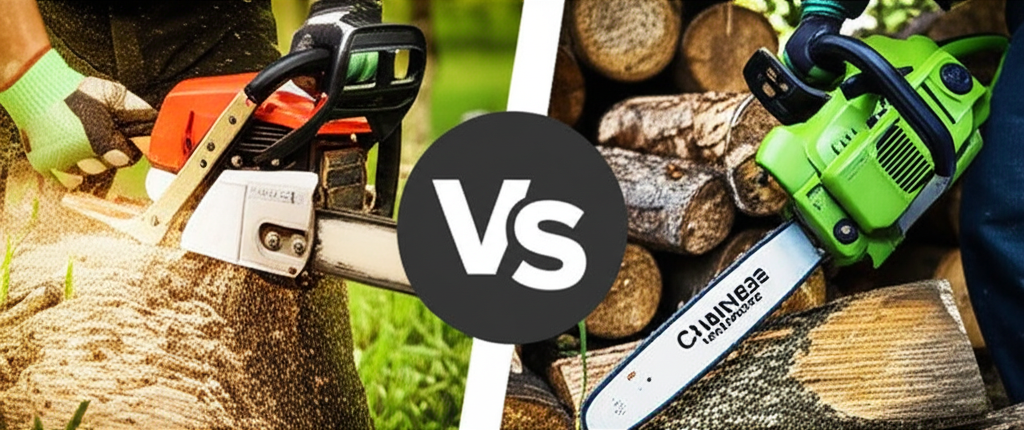
Gas vs Cordless Chainsaw: The Essential Choice for Your Projects
Choosing between a gas and a cordless chainsaw can feel overwhelming for beginners. This guide breaks down the pros and cons of each, helping you pick the right tool for your needs. We’ll focus on power, portability, maintenance, and cost so you can make an informed decision with confidence.
Hey everyone, Ashraf Ahmed here! So, you’re looking to tackle some tree trimming, clear some brush, or maybe even start a small woodworking project that calls for a chainsaw. That’s fantastic! But then you hit that first hurdle: gas or cordless? It’s a common question, and honestly, it can feel a bit like choosing between a trusty old truck and a sleek new electric car. Both get the job done, but they do it in very different ways, and picking the wrong one can lead to frustration, extra costs, and maybe even a bit of a headache.
Don’t worry, though! I’ve spent countless hours in my workshop and out in the yard with all sorts of saws. I know exactly what it’s like to stand in the store, staring at rows of shiny chainsaws, wondering which one is really the best fit for you. My goal today is to demystify this choice, breaking down the key differences between gas and cordless chainsaws in a way that makes sense. We’ll look at what each type is best for, how to maintain them, and what to expect in terms of performance. By the end of this, you’ll have a clear picture and feel totally ready to pick the chainsaw that’s perfect for your projects.
Understanding Your Chainsaw Needs
Before we dive into the nitty-gritty of gas versus cordless, let’s take a moment to think about what you’ll actually be using your chainsaw for. This is the most crucial step in making the right choice, and it’s something many beginners overlook.
Project Size and Frequency: Are you planning on felling a large tree in your backyard, or are you just clearing out some overgrown bushes and doing occasional light pruning? The scale of your work will heavily influence the power and endurance you need.
Location of Work: Will you be working far from a power outlet, or will you have easy access to electricity? This is a major factor when comparing battery-powered tools to their gas counterparts.
Power and Performance: How much cutting power do you require? Some tasks, like cutting through thick hardwood logs, demand more muscle than others, like trimming smaller branches.
Maintenance Tolerance: Are you comfortable with performing regular maintenance like cleaning carburetors, changing spark plugs, and mixing fuel, or do you prefer a simpler, plug-and-play approach?
Budget: Both initial purchase price and ongoing costs (fuel, oil, batteries, maintenance) are important considerations.
Thinking about these questions now will save you time, money, and frustration down the line.
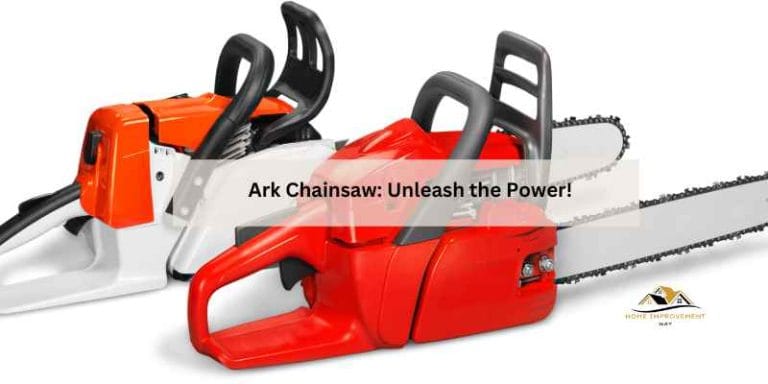
Gas Chainsaws: The Powerhouses
Gas chainsaws have been the workhorses of the cutting world for decades, and for good reason. They offer raw power and the freedom to work anywhere, as long as you have fuel.
How Gas Chainsaws Work
At their core, gas chainsaws are powered by a small internal combustion engine, much like a lawnmower or a motorcycle. You mix gasoline and oil (for lubrication and fuel) and pour it into the fuel tank. When you pull the starter cord, the engine ignites the fuel, creating the power that drives the chain.
Pros of Gas Chainsaws
Unmatched Power: Gas engines typically deliver more torque and higher chain speeds, making them ideal for felling large trees, cutting through dense hardwoods, and tackling demanding jobs.
Unlimited Run Time: As long as you have fuel, you can keep cutting. There’s no waiting for batteries to recharge, making them perfect for extended work sessions or remote locations.
Portability (No Cords): While they can be heavier, gas chainsaws offer true freedom of movement. You’re not tethered to a power source, so you can easily maneuver around large trees or work in areas far from any electricity.
Durability and Longevity: With proper maintenance, a well-built gas chainsaw can last for many years, often proving to be a more robust long-term investment for heavy-duty use.
Cons of Gas Chainsaws
Maintenance Intensive: Gas engines require more upkeep. You’ll need to regularly clean the air filter, spark plug, and carburetor, change the chain oil, and ensure the correct fuel-oil mixture. This can be daunting for beginners.
Noise and Emissions: They are significantly louder than cordless models and produce exhaust fumes, which can be unpleasant and harmful. Always use them in well-ventilated areas and wear appropriate hearing protection.
Weight and Vibration: Gas chainsaws are generally heavier and produce more vibration, which can lead to user fatigue during longer periods of operation.
Starting Difficulty: For some, especially beginners, starting a gas engine can be challenging. It often involves a choke, primer bulb, and a firm pull of the starter cord.
Fuel Mixing: You need to mix the correct ratio of gasoline and two-stroke oil. Getting this wrong can damage the engine.
When to Choose a Gas Chainsaw
A gas chainsaw is your best bet if:
You need to tackle large trees or dense hardwoods.
You’ll be working in remote areas without access to electricity.
You plan on using the chainsaw for extended periods.
You don’t mind performing regular engine maintenance.
Cordless Chainsaws: The Modern Convenience
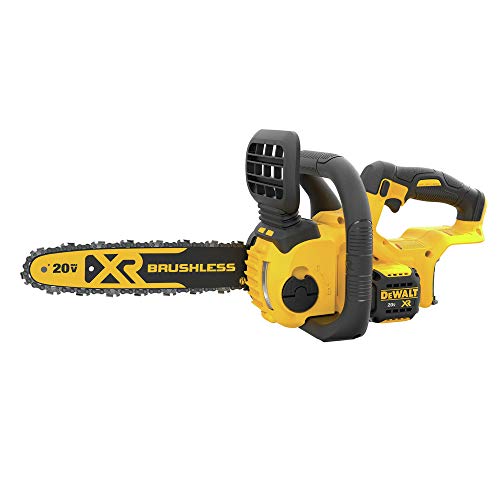
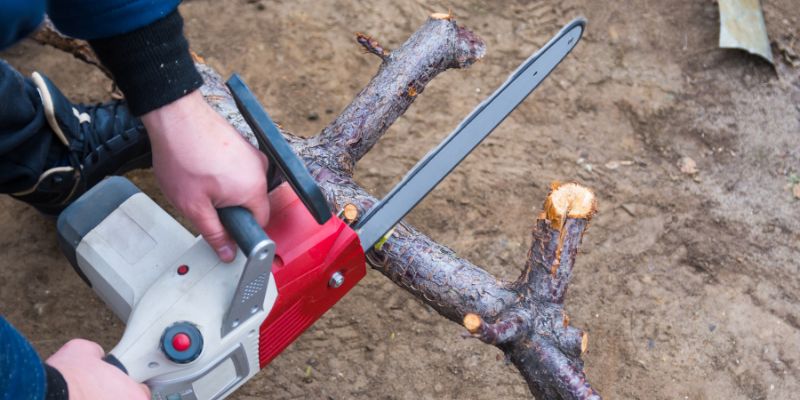
Cordless chainsaws, powered by rechargeable lithium-ion batteries, have come a long way. They offer a compelling blend of convenience, power, and ease of use, making them an excellent option for many homeowners and DIYers.
How Cordless Chainsaws Work
These chainsaws use an electric motor powered by a high-capacity lithium-ion battery pack. When you pull the trigger, electricity flows from the battery to the motor, which spins the chain. It’s similar to how your cordless drill works, but with significantly more power.
Pros of Cordless Chainsaws
Ease of Use: They are incredibly simple to operate. Just insert the battery, squeeze the trigger, and you’re cutting. There’s no starting cord, no choke, and no fuel mixing.
Low Maintenance: Forget about spark plugs, carburetors, and fuel filters. The primary maintenance involves keeping the chain sharp, the bar clean, and the battery charged.
Quiet Operation: Cordless chainsaws are significantly quieter than their gas counterparts, making them much more pleasant to use and less disruptive to neighbors.
Lightweight: Generally, they are lighter and produce less vibration, which reduces user fatigue and makes them easier to handle, especially for smaller tasks.
Environmentally Friendly: They produce zero direct emissions, making them a more eco-conscious choice.
Instant Power: The motor delivers instant torque, meaning there’s no ramp-up time.
Cons of Cordless Chainsaws
Limited Run Time: The biggest drawback is battery life. Depending on the battery capacity and the demands of the task, you might only get 15-45 minutes of continuous cutting before needing to recharge or swap batteries.
Battery Recharging Time: Recharging a battery can take anywhere from 30 minutes to a couple of hours, depending on the charger and battery size. Having a spare battery is often a necessity for longer projects.
Less Power for Heavy-Duty Tasks: While high-end cordless models are powerful, they generally can’t match the sheer brute force of a comparable gas chainsaw for felling very large trees or cutting through extremely dense wood.
Battery Cost and Lifespan: Batteries are expensive, and their capacity degrades over time. You might need to replace them every few years, adding to the long-term cost.
Performance Affected by Battery Level: As the battery drains, the power output can decrease, leading to slower cutting.
When to Choose a Cordless Chainsaw
A cordless chainsaw is a great choice if:
You primarily deal with smaller trees, branches, and general yard cleanup.
You value ease of use and minimal maintenance.
You need a quieter tool for use in residential areas.
You can easily access power for recharging batteries.
You have occasional use or are willing to invest in extra batteries for extended work.
Key Comparison: Gas vs. Cordless Chainsaw
To help you visualize the differences, here’s a table summarizing the main points:
| Feature | Gas Chainsaw | Cordless Chainsaw |
| :—————— | :———————————————- | :———————————————- |
| Power | High (best for large jobs, hardwoods) | Moderate to High (great for most homeowner tasks) |
| Run Time | Unlimited (as long as you have fuel) | Limited by battery life (typically 15-45 min) |
| Portability | High (no cords, but can be heavier) | High (lightweight, but battery dependent) |
| Maintenance | High (engine tuning, fuel mixing, filters) | Low (chain sharpening, bar cleaning, charging) |
| Ease of Use | Moderate (starting, fuel mixing) | Very High (simple trigger operation) |
| Noise Level | High | Low |
| Emissions | Yes (exhaust fumes) | No direct emissions |
| Vibration | High | Low to Moderate |
| Starting | Pull cord (can be difficult) | Battery insertion and trigger |
| Initial Cost | Varies (can be lower for basic models) | Varies (can be higher for good battery systems) |
| Ongoing Costs | Fuel, oil, maintenance parts | Electricity for charging, battery replacement |
| Best For | Felling large trees, heavy-duty, remote work | Yard cleanup, pruning, light-medium tasks |
Factors to Consider for Your Decision
When you’re weighing up gas versus cordless, think about these specific aspects of your situation.
1. Power Requirements
If your main job is felling mature trees or cutting through thick, dense logs regularly, a gas chainsaw is almost certainly going to be your best bet. The torque and sustained power output of a gas engine are hard to beat. However, for most homeowners, pruning branches, cutting firewood for a small fireplace, or clearing overgrown shrubs, a good quality cordless chainsaw will be more than sufficient. Many modern cordless models boast impressive bar lengths and cutting power that can surprise you. For instance, some 40V or 60V cordless chainsaws can handle logs up to 16-20 inches in diameter, which is plenty for many suburban yards.
2. Runtime and Battery Management
This is where the biggest difference lies. A gas chainsaw can run as long as you have fuel. If you’re working on a large property or have a big cleanup job, you can simply refill the tank and continue. With a cordless chainsaw, you’re limited by the battery’s charge. A typical 4.0 Ah battery might give you about 20-30 minutes of active cutting. This means if you have a lot of work, you’ll need multiple batteries and a fast charger to avoid long downtimes. Investing in a good battery system, perhaps from a brand that uses the same batteries across multiple tools (like Makita, DeWalt, or Ryobi), can be a smart move if you do other DIY projects.
3. Maintenance and Ease of Operation
This is a huge deciding factor for many beginners. Gas chainsaws require regular attention. You need to mix fuel and oil correctly, clean the air filter, check the spark plug, and ensure the bar and chain are properly lubricated. For some, this is part of the satisfying ritual of using a powerful tool. For others, it’s a hassle. Cordless chainsaws are incredibly user-friendly. There’s no fuel to mix, no engine to tune. The main tasks are keeping the chain sharp and the bar clean. This simplicity is a major draw for those who want to get to work without fuss.
4. Noise and Environmental Impact
Gas chainsaws are loud. Really loud. You’ll definitely need hearing protection, and your neighbors will probably know you’re working, even if they can’t see you. Cordless chainsaws are much quieter, often comparable to a powerful leaf blower. This makes them much more pleasant to use and less of a nuisance. From an environmental standpoint, gas engines produce exhaust fumes. Cordless chainsaws produce zero direct emissions, which is a definite plus for the environment and for your own breathing comfort.
5. Weight and Ergonomics
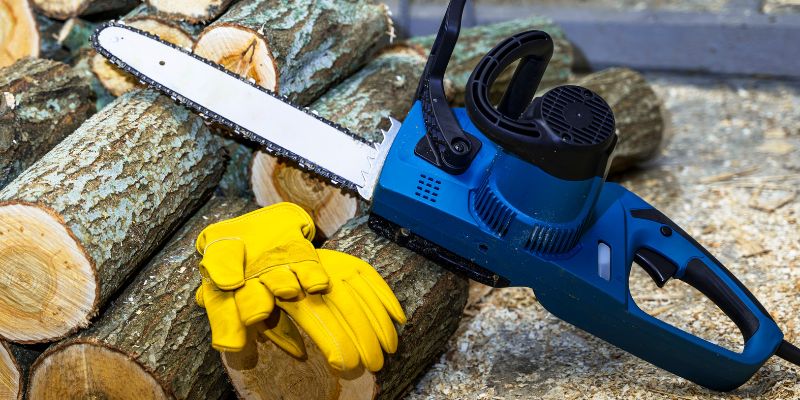
Gas chainsaws, due to their engines and fuel tanks, are generally heavier than their cordless counterparts. This extra weight can lead to faster fatigue, especially during prolonged use or when working overhead. Cordless chainsaws, with their lighter battery packs and electric motors, are often more balanced and easier to maneuver. This can be particularly important for smaller users or for tasks that require a lot of overhead work, like pruning higher branches. For example, a typical 40V cordless chainsaw might weigh around 8-10 pounds without the battery, while a comparable gas model could easily be 12-15 pounds or more.
6. Cost Considerations
The initial purchase price can vary widely for both types. You can find very basic, small gas chainsaws at a lower price point than high-performance cordless models. However, when you factor in the cost of batteries and a good charger for a cordless saw, or the ongoing costs of fuel, oil, and potential maintenance parts for a gas saw, the long-term economics can shift. A good quality cordless chainsaw system, including a spare battery and charger, might have a higher upfront cost, but the running costs can be lower, especially if you already own other tools from the same battery platform.
Safety First: Always!
Regardless of whether you choose gas or cordless, safety is paramount. Chainsaws are powerful tools that demand respect.
Read the Manual: Seriously, take the time to read your chainsaw’s owner’s manual. It contains crucial information about operation, maintenance, and safety.
Wear Personal Protective Equipment (PPE): This is non-negotiable. Always wear:
Chainsaw Chaps: These are specially designed to stop a moving chain.
Safety Glasses or Goggles: To protect your eyes from flying debris.
Gloves: For better grip and to protect your hands.
Steel-Toed Boots: To protect your feet.
Hearing Protection: Especially important for gas chainsaws.
Hard Hat: If there’s any risk of falling branches.
Proper Stance: Maintain a firm, balanced stance when operating any chainsaw. Keep your feet shoulder-width apart.
Never Cut Above Shoulder Height: This is a dangerous practice that can lead to loss of control.
Be Aware of Kickback: Kickback is a sudden, violent upward and backward motion of the guide bar that can occur when the tip of the guide bar snags on wood or a branch. Learn how to avoid it and what to do if it happens. The U.S. Forest Service has excellent resources on safe chainsaw operation.
Keep the Chain Sharp: A dull chain requires more force, increasing the risk of kickback and making the saw less efficient.
* Maintain Your Chainsaw: Whether gas or cordless, a well-maintained saw is a safer saw.
Frequently Asked Questions (FAQ)
Frequently Asked Questions About Gas vs. Cordless Chainsaws
Q1: Which type of chainsaw is easier for a beginner to use?
Cordless chainsaws are generally much easier for beginners. They start instantly with a trigger, require no fuel mixing, and have significantly less vibration and noise. Gas chainsaws require learning starting procedures, fuel mixing, and have a steeper learning curve for operation and maintenance.
Q2: Can a cordless chainsaw cut down a large tree?
While high-powered cordless chainsaws can handle moderately sized trees (up to 16-20 inches in diameter), they are typically not designed for felling very large, mature trees that require sustained, heavy-duty cutting power and longer run times. Gas chainsaws are still the preferred choice for professional logging or felling very large trees.
Q3: What is the typical run time of a cordless chainsaw?
The run time of a cordless chainsaw varies greatly depending on the battery’s voltage and amp-hour (Ah) rating, as well as the type of wood being cut and how aggressively the saw is used. A typical 40V or 56V chainsaw with a 4.0 Ah battery might provide 20-45 minutes of active cutting time. Having a spare battery is often recommended for longer jobs.
Q4: How much maintenance does each type of chainsaw require?
Gas chainsaws require more frequent and involved maintenance, including cleaning the air filter, spark plug, and carburetor, checking the chain brake, ensuring proper fuel-oil mixture, and regular lubrication. Cordless chainsaws require much less maintenance: keeping the chain sharp, the bar clean, and ensuring the battery is charged and stored properly.
Q5: Are gas chainsaws more powerful than cordless chainsaws?
In general, gas chainsaws offer more raw power and torque, making them better suited for demanding tasks like felling large trees or cutting through dense hardwoods. However, the gap is narrowing, and many high-voltage (e.g., 60V, 80V) cordless chainsaws offer impressive power that is more than adequate for most homeowner and DIY applications.
Q6: Which type of chainsaw is better for the environment?
Cordless chainsaws are better for the environment as they produce zero direct emissions. Gas chainsaws burn fossil fuels and release exhaust fumes, contributing to air pollution.
Q7: What are the ongoing costs associated with each type?
Ongoing costs for gas chainsaws include fuel (gasoline and two-stroke oil) and potential replacement parts for the engine (spark plugs, filters). For cordless chainsaws, the primary ongoing cost is electricity for charging batteries, and eventually, the cost of replacing the battery pack, which can degrade over several years of use.
Making Your Final Choice
So, we’ve covered the ins and outs of both gas and cordless chainsaws. The “best” choice isn’t universal; it’s entirely dependent on your individual needs and how you plan to use the tool.
If you’re a homeowner who needs to trim branches, clear out brush, cut small logs for a fire pit, or tackle occasional DIY projects around your property, a cordless chainsaw is likely your best bet. Its ease of use, low maintenance, and quieter operation make it a pleasure to use. Just remember to factor in the cost and availability of spare batteries if you anticipate longer work sessions.
On the other hand, if you have a large property with mature trees that need felling, or if you’re involved in professional logging or demanding outdoor work where sustained power and unlimited run time are critical, a gas chainsaw is still the king. Be prepared for the maintenance and the noise, but you’ll have a tool that can handle almost anything you throw at it.
Ultimately, think about your projects, your comfort level with maintenance, and your desire for convenience. Both gas and cordless chainsaws have their place, and understanding their strengths and weaknesses is the key to making an informed decision that will serve you well for years to come. Happy cutting!