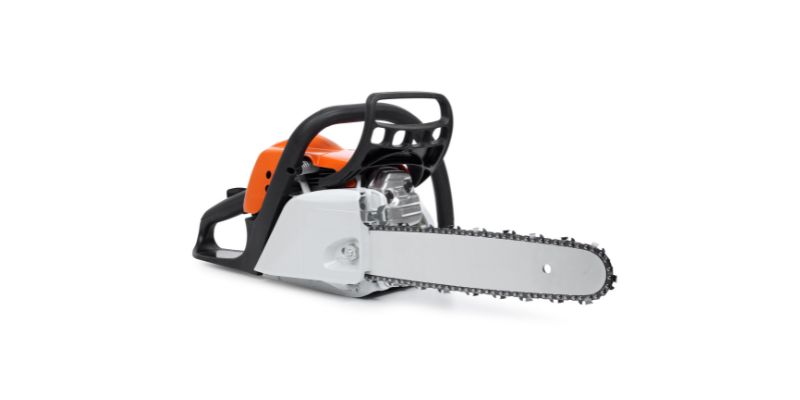
Gas vs Electric Chain Saw: Proven Best Choice
For most beginner DIY tasks like pruning, small tree removal, and occasional firewood cutting, an electric chainsaw (corded or battery) is the proven best choice due to ease of use, lower maintenance, and quieter operation. Gas chainsaws are best for heavy-duty, continuous work in remote areas where power isn’t available.
Hey there, fellow DIYers and woodworkers! Ashraf here. Ever stood in the tool aisle, staring at chainsaws, wondering which one will actually get the job done without turning your project into a headache? It’s a common question, especially when you’re starting out. You’ve got the gas-guzzlers promising raw power and the sleek electric models that seem so user-friendly. But which one is truly the “best choice” for you? Don’t worry, we’re going to break down the gas vs electric chainsaw debate. By the end of this, you’ll feel confident picking the right saw for your needs, whether you’re tackling that overgrown bush or preparing for a cozy fireplace.
Gas vs Electric Chainsaw: The Ultimate Showdown for Beginners
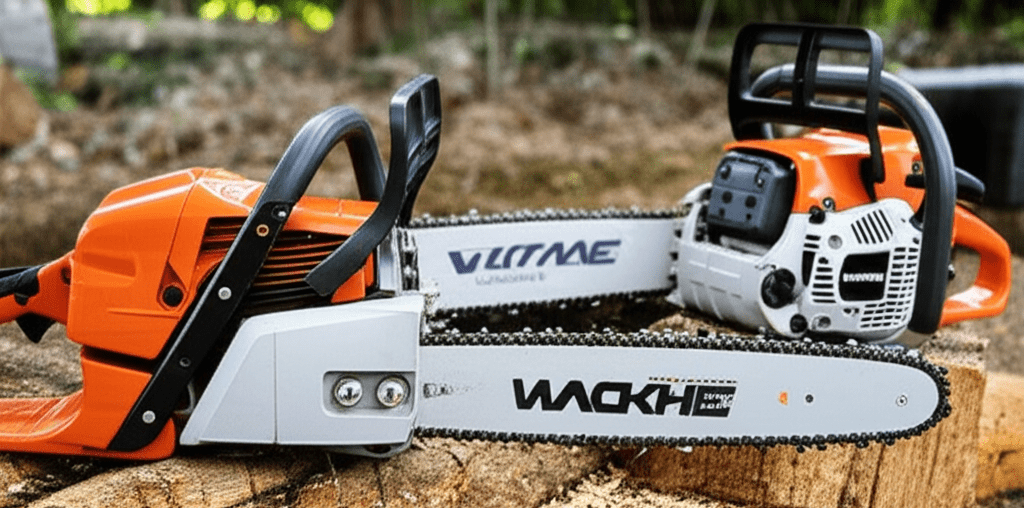
Choosing the right chainsaw can feel like a big decision. It’s not just about power; it’s about safety, ease of use, and what fits your projects best. I’ve spent countless hours with both gas and electric chainsaws, from trimming garden branches to felling small trees for lumber. Let’s dive into what makes each type tick and help you find your perfect match.
Understanding the Chainsaw Basics
Before we pit gas against electric, let’s quickly cover what makes a chainsaw work. A chainsaw has a rotating chain with sharp teeth that cuts through wood. The engine or motor powers this chain, and a guide bar directs its path. The key difference between gas and electric models lies in how they get that power.
The Mighty Gas Chainsaw: Powerhouse or Overkill?
Gas chainsaws are the traditional workhorses. They’re known for their raw power and ability to tackle tough jobs. If you picture a lumberjack in the forest, they’re probably wielding a gas chainsaw!
How Gas Chainsaws Work
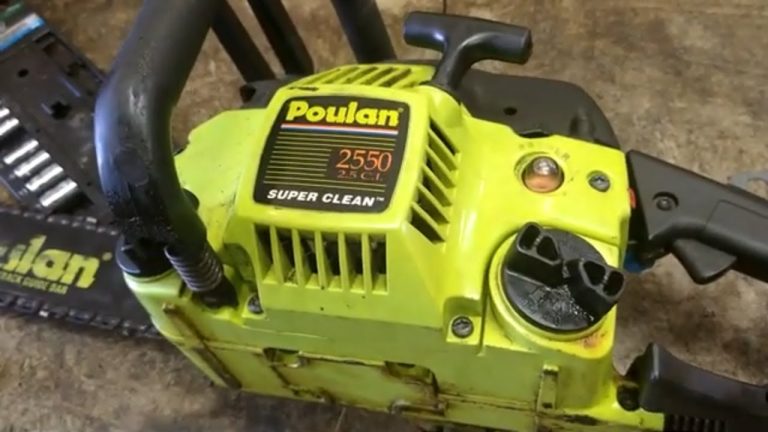
Gas chainsaws use a small internal combustion engine, much like a car or lawnmower. You mix gasoline and oil to fuel it, and a spark plug ignites the mixture, creating power that turns the chain. This means they’re self-contained and don’t need a power outlet.
Pros of Gas Chainsaws
- Unmatched Power: They deliver the most cutting power, ideal for felling large trees, cutting thick hardwood, and long, demanding tasks.
- Unlimited Runtime: As long as you have fuel, you can keep cutting. This is crucial for large jobs or working in remote locations far from an electrical source.
- Portability: No cords to worry about means you can take them anywhere.
Cons of Gas Chainsaws
- Heavy and Vibrating: The engines make them heavier and can cause more vibration, leading to user fatigue.
- Difficult to Start: Pull-starting can be a workout, especially for beginners.
- Maintenance Intensive: They require regular maintenance, including spark plug cleaning, air filter changes, fuel mixture, and carburetor adjustments.
- Noisy and Polluting: Gas engines are loud and produce exhaust fumes, making them less pleasant to use and not environmentally friendly.
- Fuel Costs: You need to buy gasoline and bar oil.
When to Choose a Gas Chainsaw
A gas chainsaw is your best bet if:
- You regularly cut large trees or very thick hardwood.
- You work in remote areas with no access to electricity.
- You need to operate the saw for extended periods without interruption.
- Power is your absolute top priority.
The Convenient Electric Chainsaw: User-Friendly Power
Electric chainsaws have come a long way. They offer a fantastic alternative for many tasks, especially for homeowners and hobbyists. They come in two main flavors: corded and battery-powered.
How Electric Chainsaws Work
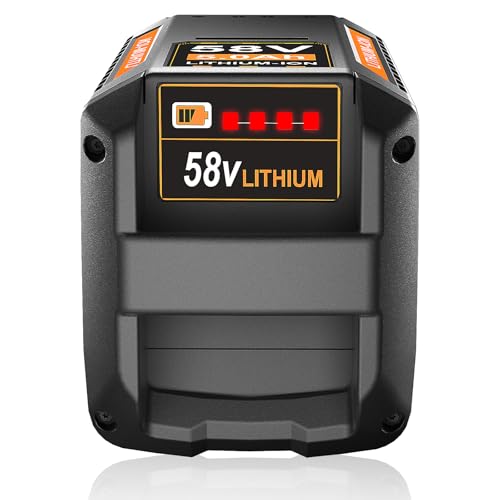
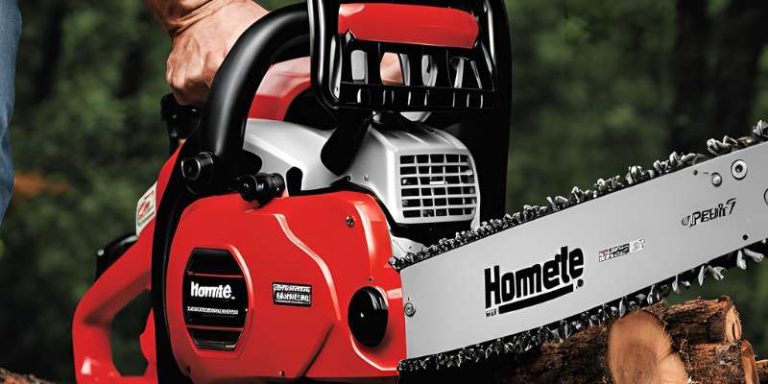
Electric chainsaws use an electric motor. Corded models plug directly into a wall outlet, while battery-powered (cordless) models use rechargeable lithium-ion batteries. The motor drives the chain, providing a clean and efficient cut.
Corded Electric Chainsaws
These are the most straightforward electric saws. You plug them into an extension cord and go. They offer consistent power as long as they’re plugged in.
Pros of Corded Electric Chainsaws
- Lightweight: Generally lighter than gas models, reducing fatigue.
- Easy to Start: Just plug it in and squeeze the trigger.
- Low Maintenance: No fuel mixing, spark plugs, or carburetors.
- Quiet Operation: Significantly quieter than gas chainsaws.
- Environmentally Friendly: No direct emissions.
- Affordable: Often the most budget-friendly option.
Cons of Corded Electric Chainsaws
- Limited by Cord: The extension cord restricts your reach and can be a tripping hazard.
- Requires Power Source: You need access to an electrical outlet.
- Less Powerful: Typically less powerful than gas or high-end battery models, limiting their use for very large or dense wood.
Battery-Powered (Cordless) Electric Chainsaws
These are the modern marvels. They offer the freedom of cordless operation with the convenience of electric power. Battery technology has improved dramatically, making them viable for a wider range of tasks.
Pros of Battery-Powered Chainsaws
- True Cordless Freedom: No cords to manage, offering excellent maneuverability.
- Easy to Start: Push-button start.
- Low Maintenance: Similar to corded electrics, minimal upkeep.
- Quiet and Clean: Quiet operation and no emissions.
- Lightweight: Generally lighter than gas counterparts.
- Improving Power: Higher voltage batteries offer impressive cutting performance, rivaling some gas saws for certain tasks.
Cons of Battery-Powered Chainsaws
- Battery Life: Runtime is limited by battery capacity. You might need extra batteries for longer jobs.
- Charging Time: Batteries need to be recharged, which takes time.
- Battery Cost: Batteries can be expensive, especially for high-capacity ones.
- Power Limitations: While improving, they may still struggle with the most demanding, heavy-duty tasks compared to powerful gas saws.
- Initial Investment: Can be more expensive upfront than corded electric or some basic gas models.
Head-to-Head Comparison: Gas vs Electric Chainsaw
Let’s put them side-by-side to see how they stack up for common DIY scenarios.
| Feature | Gas Chainsaw | Corded Electric Chainsaw | Battery-Powered Chainsaw |
|---|---|---|---|
| Power Output | Very High | Low to Medium | Medium to High (depending on battery voltage) |
| Best For | Large trees, heavy-duty felling, professional use | Light pruning, small branches, occasional use | Pruning, trimming, small to medium trees, firewood prep |
| Runtime | Unlimited (with fuel) | Limited by power cord length and outlet availability | Limited by battery life; rechargeable |
| Ease of Use | More difficult (starting, weight, vibration) | Very Easy | Very Easy |
| Maintenance | High (fuel mix, spark plug, filters, cleaning) | Very Low (chain sharpening, cleaning) | Very Low (chain sharpening, cleaning, battery care) |
| Noise Level | Very High | Low | Low |
| Emissions | Yes (exhaust fumes) | No (if electricity source is clean) | No |
| Portability | High (no cords) | Low (restricted by cord) | High (no cords) |
| Cost (Initial) | Medium to High | Low | Medium to High |
| Cost (Ongoing) | Fuel, oil, maintenance parts | Electricity (minimal) | Electricity, potential battery replacement |
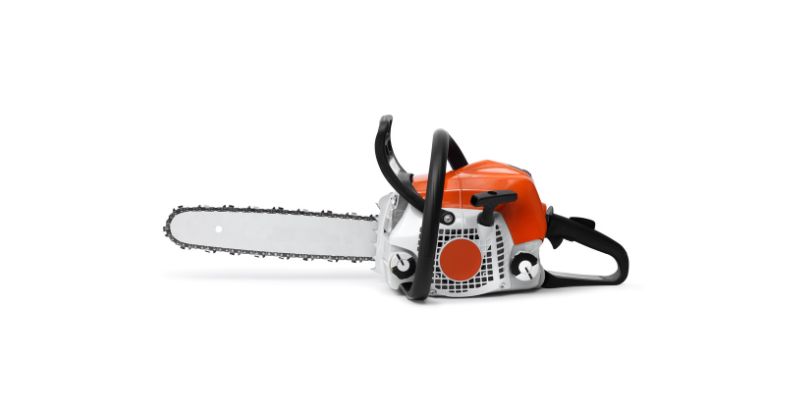
Choosing the Right Chainsaw for Your Projects
Let’s think about the typical DIYer’s needs. Are you:
1. The Homeowner with a Garden to Tame
If your main goal is to prune overgrown bushes, trim low-hanging branches, or cut small branches for garden waste, a corded or battery-powered electric chainsaw is your champion. They are light, easy to start, and you won’t have to deal with noisy engines or fumes in your backyard. For portability around your property, a battery model is ideal.
2. The Hobbyist Woodworker
For crafting, making small furniture, or processing firewood for a small fireplace, an electric chainsaw is usually sufficient. A good quality battery-powered saw can handle logs up to 12-16 inches in diameter, which is plenty for most hobbyist needs. The ease of use and less mess make it a joy to work with.
3. The Weekend Warrior Tackling Bigger Jobs
If you’re planning to fell small to medium-sized trees on your property, clear a lot, or cut larger pieces of firewood regularly, you might lean towards a more powerful battery-powered saw or even a smaller, user-friendly gas saw. For anything truly massive or requiring continuous, heavy-duty use, a gas saw becomes a strong contender.
Key Features to Look For
Regardless of whether you choose gas or electric, here are some features that matter:
- Bar Length: This determines the maximum size of wood you can cut. For beginners, 10-16 inches is a good range. A shorter bar is lighter and easier to control.
- Chain Brake: This is a crucial safety feature that stops the chain quickly if the saw kicks back. Always ensure it’s functional. You can learn more about chainsaw safety from organizations like the U.S. Forest Service.
- Chain Tensioning: Some saws have tool-less chain tensioning systems, which make adjustments much easier.
- Ergonomics: How the saw feels in your hands is important, especially for extended use.
- Battery Voltage (for cordless): Higher voltage (e.g., 40V, 60V, 80V) generally means more power and longer runtimes.
Safety First! Always
No matter which type of chainsaw you choose, safety is paramount. Always wear:
- Safety Glasses or Face Shield: To protect your eyes from sawdust and debris.
- Hearing Protection: Especially important with gas saws, but even electric saws can be loud.
- Chainsaw Chaps: Special legwear designed to stop a moving chain.
- Gloves: For a better grip and protection.
- Steel-Toed Boots: To protect your feet.
Familiarize yourself with the saw’s operation before you start. Read the manual thoroughly and practice on smaller pieces of wood in a safe, clear area.
Frequently Asked Questions (FAQ)
Are electric chainsaws powerful enough for most DIY jobs?
Yes, for typical homeowner tasks like pruning branches, cutting small trees, and preparing firewood for a fireplace, modern battery-powered chainsaws offer more than enough power. High-voltage models can handle jobs that might have required gas saws in the past.
Which type of chainsaw is easier to maintain?
Electric chainsaws (both corded and battery) are significantly easier to maintain. They don’t require fuel mixing, spark plug changes, or carburetor cleaning. Maintenance is limited to keeping the chain sharp, clean, and properly tensioned, and caring for the battery in cordless models.
Can I use a chainsaw in my backyard without disturbing neighbors?
Electric chainsaws are much quieter than gas chainsaws, making them a much better choice for use in residential areas or when you want to minimize noise pollution. Battery models are generally quieter than corded ones.
What’s the difference between a 40V and an 80V battery chainsaw?
The voltage (V) indicates the power potential of the battery. An 80V chainsaw generally has a more powerful motor, can cut through tougher wood more easily, and may offer longer runtimes compared to a 40V model, although chain speed and other factors also play a role.
How long do chainsaw batteries typically last on a charge?
Battery life varies greatly depending on the saw’s power, the battery’s capacity (Ah – Amp-hours), and what you’re cutting. For lighter tasks, a battery might last 30-60 minutes or more. For heavier cutting, it could be 15-30 minutes. It’s always good to have a spare battery charged and ready.
Is a gas chainsaw really necessary for felling trees?
For felling very large trees or working with dense hardwoods for extended periods, a gas chainsaw often remains the most practical choice due to its sustained power and unlimited runtime. However, high-powered battery models are increasingly capable for smaller to medium-sized trees.
Conclusion: Your Chainsaw Journey Starts Now
So, gas vs electric chainsaw – which is the proven best choice? For the vast majority of beginners and homeowners tackling everyday tasks around the yard, an electric chainsaw, especially a battery-powered model, is the clear winner. Its ease of use, lower maintenance, quieter operation, and environmental benefits make it a fantastic tool to have. You get plenty of power for pruning, trimming, and even cutting smaller logs without the hassle of gas engines.
If you find yourself needing extreme power for continuous, heavy-duty felling of large trees, or if you regularly work in remote areas without power, a gas chainsaw is still a valuable tool. But for most of us, the convenience and simplicity of electric chainsaws make them the smarter, more accessible choice to get your projects done safely and efficiently. Whichever you choose, remember to prioritize safety, read your manual, and enjoy the satisfaction of making those cuts!