Gel Stain Vs Regular Stain: Choosing the Best Finish
Are you planning to give your wood furniture a fresh look but can’t decide between gel stain and regular stain? You’re not alone.
Choosing the right stain can make all the difference in achieving that perfect finish. Imagine transforming a dull piece into a stunning centerpiece that catches everyone’s eye. That’s the power of choosing the right stain. But how do you know which is best for your project?
We’ll break down the differences between gel stain and regular stain, so you can make the best choice for your next DIY project. Stay with us, and discover the secrets to a flawless wood finish.
Gel Stain Basics
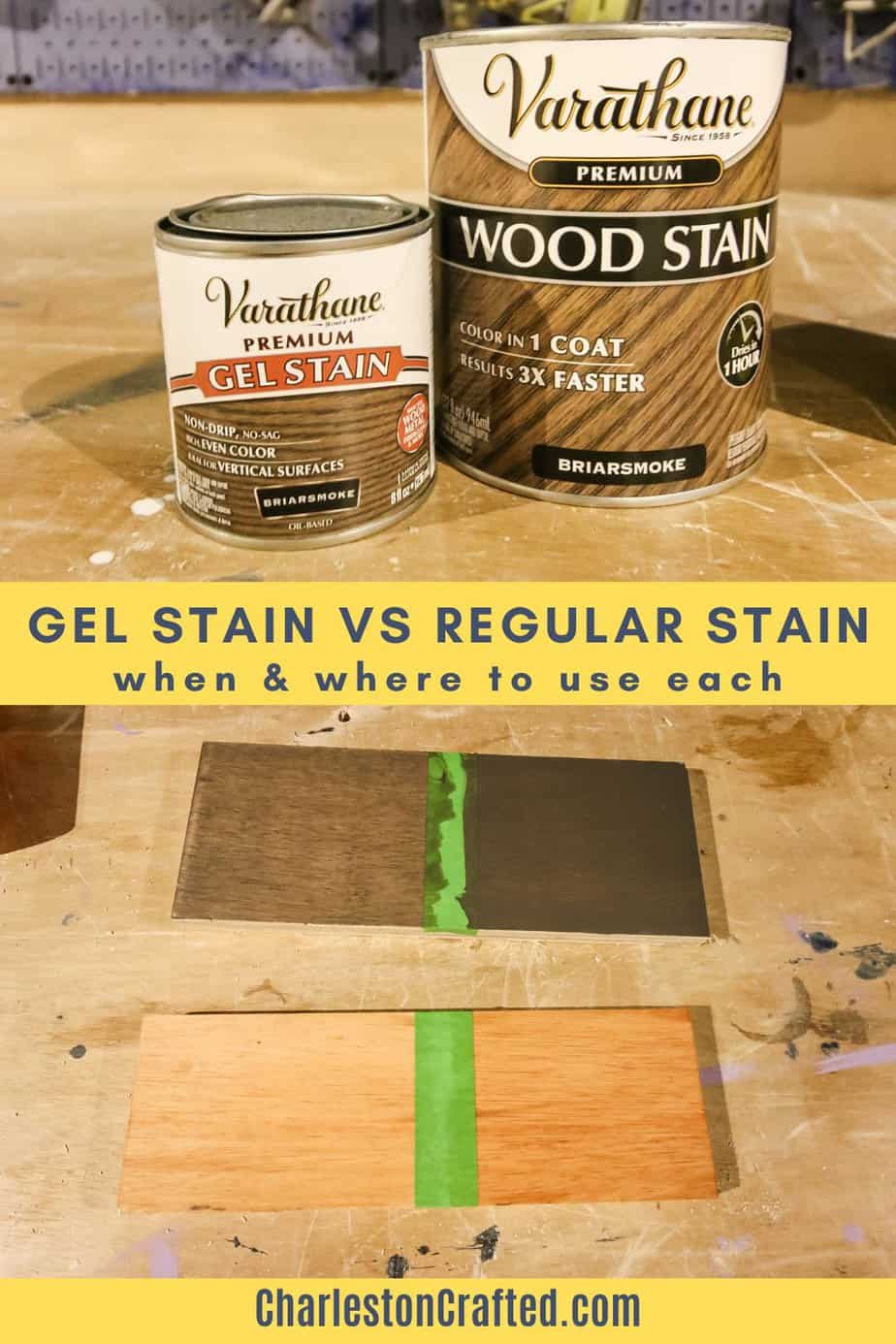
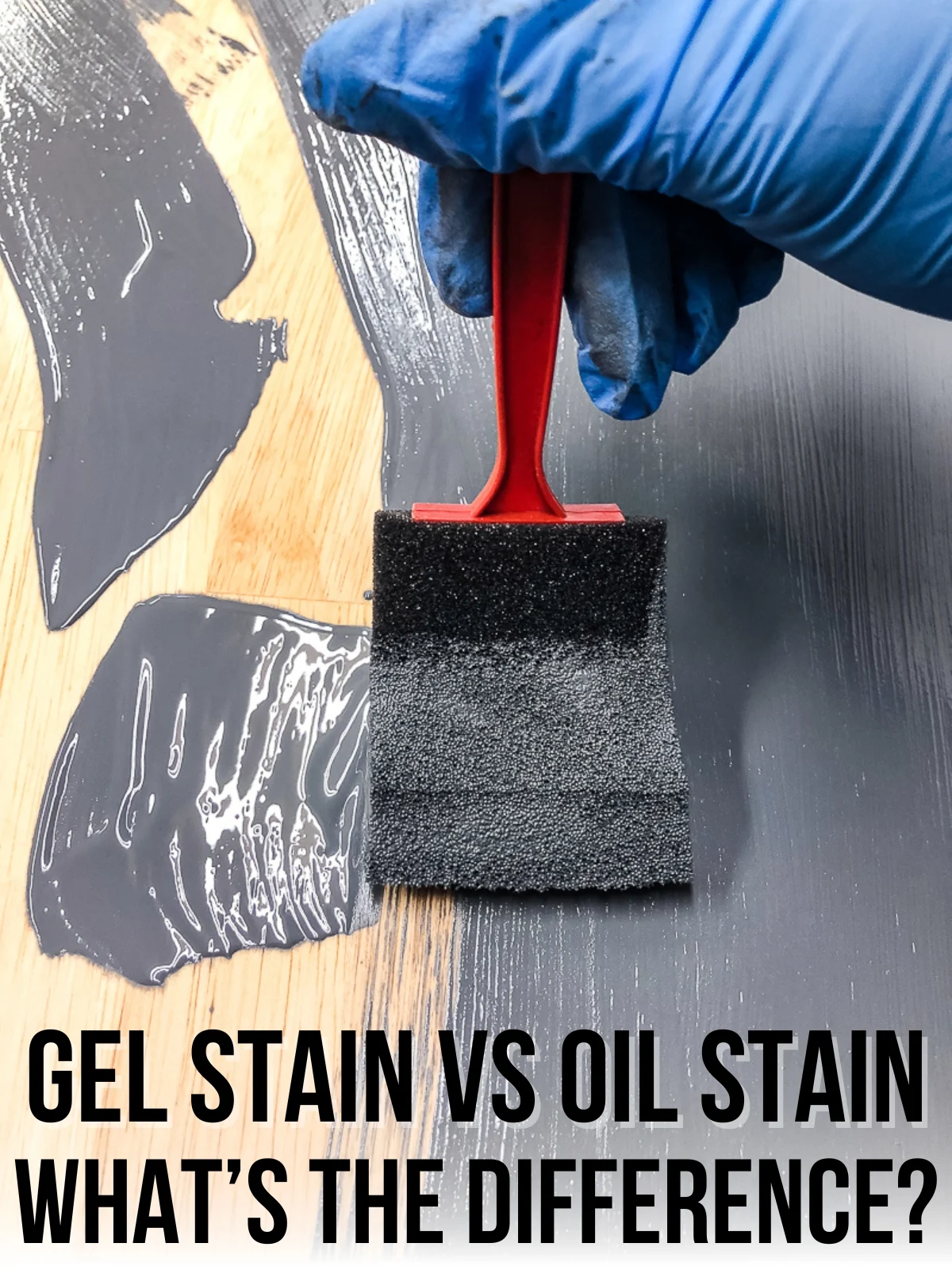
Gel stain is thick. It does not drip easily. It covers the wood surface evenly. The stain does not soak into the wood. This gives a uniform look. Regular stain is liquid. It seeps into the wood. It shows the grain pattern. Gel stain is ideal for vertical surfaces.
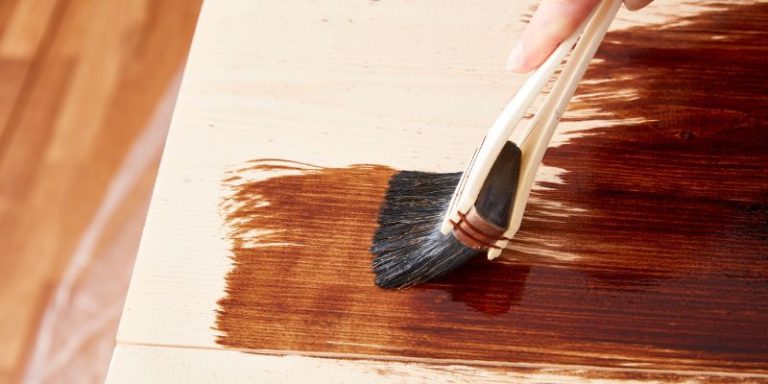
Gel stain is easy to apply. Use a brush or cloth. Spread evenly. Let it sit for a few minutes. Then wipe off the excess. Regular stain needs more care. Apply with a brush. It can drip and cause uneven color.
Gel stain offers great coverage. It hides blemishes well. It works on various surfaces. It is perfect for cabinets and furniture. Gel stain is less messy. It is simple to use. Regular stain is more messy.
Regular Stain Essentials
Regular stains come in many types. Water-based stains are easy to clean. They dry fast. Oil-based stains offer deep color. They last longer. Pigment stains highlight wood grains. Dye stains change wood color. Each type serves different needs.
Application varies by stain type. Brush or cloth works well for most. Apply evenly for best result. Wait for the stain to soak. Then wipe off excess. Multiple coats may be needed. Seal the stain for protection. Follow product instructions.
Regular stains enhance wood beauty. They offer rich colors. Easy to apply. Affordable choice for many projects. They protect wood from damage. Versatile use on various surfaces. Wide color selection available. Ideal for DIY enthusiasts.
Key Differences
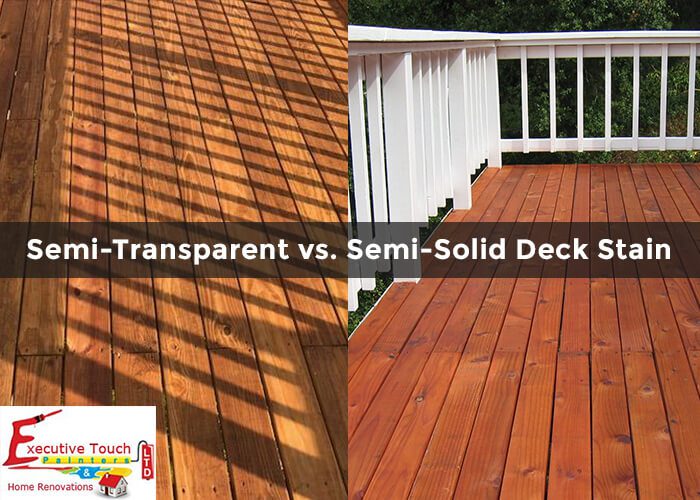
Gel stain sits on wood surfaces, offering a rich color without soaking in. Regular stain penetrates, enhancing natural wood grain.
Consistency And Texture
Gel stains are thicker than regular stains. They feel like pudding. Regular stains are thinner. They are more like water. Gel stains sit on top of the wood. Regular stains soak into the wood.
Coverage And Penetration
Gel stains provide even coverage. They do not run or drip. They are great for vertical surfaces. Regular stains penetrate the wood. They enhance the natural grain. This means they go deeper into the wood.
Drying Time Comparison
Gel stains take longer to dry. They need more time to set. Regular stains dry faster. This makes them quicker to finish. Choose based on your time needs.

Credit: www.youtube.com
Choosing Based On Wood Type
Softwoods like pine and cedar love gel stains. They work like a charm. Gel stains sit on top. They don’t soak in too much. This means even color. No blotchy spots. Softwoods often soak up too much regular stain. This makes them look uneven. Gel stain solves this problem. It’s easy to apply. Just wipe it on. Then wipe off the extra.
Hardwoods like oak and maple need regular stains. These woods are dense. They don’t absorb much. Regular stains work best here. They go deep into the wood. This brings out the natural beauty. Gel stains can hide wood grain. Regular stains reveal it. For rich and deep color, choose regular stain.
Considerations For Interior Projects
Gel stain is thick and easy to apply. It stays on the surface. This makes it great for furniture and cabinetry. Regular stain sinks into wood. It shows the wood’s natural look. Both have unique styles. Gel stain is ideal for a smooth finish. Regular stain offers a classic look. Choose based on the style you prefer.
Gel stain can be tricky for floors. It sits on top and can wear off. Regular stain seeps in and lasts longer. Trim often needs a smooth finish. Gel stain works well here. Regular stain highlights the wood’s grain. Both options enhance the beauty of wood. Consider what suits your project best.
Credit: www.thehandymansdaughter.com
Outdoor Applications
Gel stainscoat the surface. They do not soak into wood. This makes them ideal for decks and fences. They sit on top like paint. You can apply them easily. They are less messy than regular stains.
Regular stainssoak into wood. They offer a deeper color. They enhance natural grain. But they can be messier. You need more care when applying them.
Weather Resistance
Gel stains are more weather-resistant. They can handle rain and sun better. They form a protective layer. This helps in tough weather.
Regular stains might fade quicker. They offer less protection. You might need to reapply them often. Choose wisely based on your weather.
Maintenance And Longevity
Gel stains offer a thicker consistency, reducing blotchiness on wood surfaces. Regular stains penetrate deeper, providing durable color but may require more maintenance. Both options enhance wood longevity, depending on usage and environment.
Durability Factors
Gel stain stays on the surface. It does not sink deep into wood. This makes it more resistantto scratches. Regular stain seeps into the wood. It can wear off faster with time. Regular stain might need more care. Gel stain is thicker. It can mask small scratches.
Touch-up And Reapplication
Touch-ups with gel stain are easy. Just apply a little to the scratched area. It blends well. Regular stain needs more care. Sanding might be needed first. Gel stain does not need sanding. This saves timeand effort. Gel stain can be reapplied without hassle. Regular stain might need more steps.
Cost And Budgeting
Gel stainsoften cost more than regular stains. They come in small cans. These cans are usually pricier. Regular stains are cheaper. They come in bigger sizes. You get more for your money.
Gel stains last longer. They stick well to surfaces. Regular stains may need more coats. More coats mean more money spent. Gel stains save money over time. They need less touch-up work.
Frequently Asked Questions
What Are The Disadvantages Of Gel Stains?
Gel stains can be challenging to apply evenly on large surfaces. They may require extra drying time. Uneven application can result in blotchy finishes. Gel stains often need multiple coats for a rich color. They might not penetrate deeply into dense woods, reducing effectiveness.
Can I Use Gel Stain Over Finished Wood?
Yes, you can use gel stain over finished wood. Clean the surface thoroughly and lightly sand it. Apply the gel stain evenly with a cloth or brush. Let it dry completely before adding additional coats or a protective finish.
What Are The Benefits Of Gel Wood Stain?
Gel wood stain provides an even finish, minimizing blotches on porous woods. It offers better control during application, preventing drips and runs. The stain’s thicker consistency ensures a uniform color depth. Gel stains are ideal for vertical surfaces, enhancing durability and resistance to fading.
They simplify refinishing without extensive sanding.
Does Gel Stain Need To Be Sealed?
Yes, sealing gel stain is recommended for protection. It enhances durability and longevity of the finish. A topcoat or polyurethane sealant provides a protective layer. This helps resist scratches, moisture, and wear. Applying a sealant ensures your project maintains its appearance over time.
Conclusion
Choosing between gel stain and regular stain depends on your project needs. Gel stains are thicker, providing more control. They work great on vertical surfaces. Regular stains soak into wood, highlighting the grain. Easier for large areas. Both offer unique finishes, enhancing the beauty of wood.
Consider the surface and desired look. Each has its strengths. Test samples if unsure. Personal preference plays a big role. Understand the differences. It helps in making the right choice. Happy staining!