Hammer Drill vs Impact Driver: Essential Power
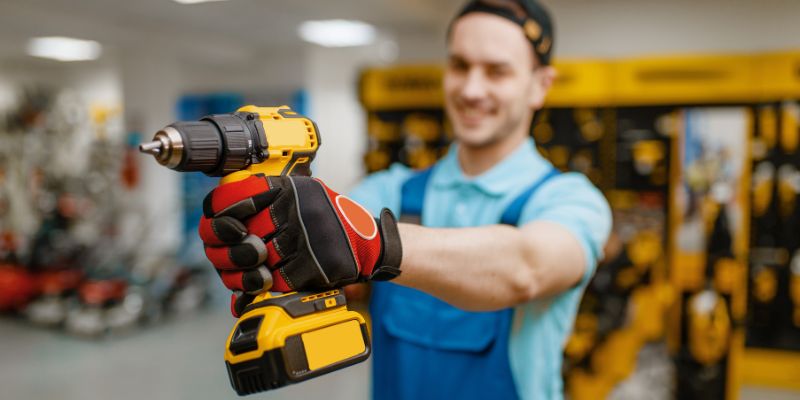
For tackling tough jobs, a hammer drill excels at drilling into masonry and concrete, while an impact driver is king for driving screws with speed and power. Understanding their key differences helps you pick the right tool for your woodworking and DIY projects.
Hey there, fellow makers! Ever stood in the tool aisle, staring at two powerful-looking tools and wondering, “Which one do I really need?” It’s a common puzzle for anyone starting out in woodworking or tackling home improvement projects. You’ve got your trusty drill, but then you see the hammer drill and the impact driver, and suddenly, drilling holes and driving screws feels a lot more complicated. Don’t worry, it’s not as daunting as it seems! We’re going to break down exactly what makes these tools tick, so you can confidently choose the right one for your next build. Get ready to power up your projects!
Understanding Your Power Tools: Hammer Drill vs. Impact Driver
Choosing the right power tool can make all the difference between a smooth, satisfying build and a frustrating struggle. Both hammer drills and impact drivers are incredibly useful, but they have distinct strengths. Think of them as specialized tools in your workshop arsenal. A hammer drill is like a super-powered drill designed for tough materials, while an impact driver is a screw-driving champion. Knowing when to use each will save you time, effort, and maybe even a few stripped screws!
What is a Hammer Drill?
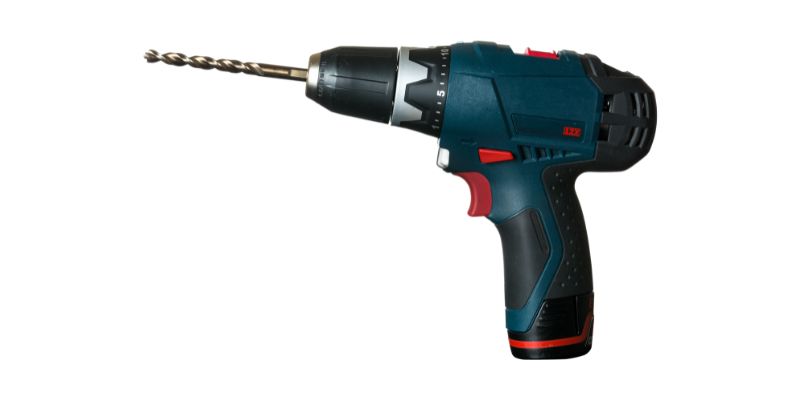
A hammer drill, at its core, is a rotary drill with an added hammering action. When you engage the hammer function, the drill bit not only spins but also rapidly moves forward and backward, like a tiny jackhammer. This pulsating action helps to break up hard materials such as concrete, brick, and stone, making it significantly easier to drill holes in them. Most hammer drills also have a standard drill-only mode, making them versatile for everyday drilling tasks in wood and metal too.
How a Hammer Drill Works
The hammering mechanism in a hammer drill typically involves two ribbed discs that engage with each other as the drill spins. When the hammer setting is activated, these discs rapidly move apart and then slam back together. This creates the percussive force that drives the drill bit into harder materials. It’s this combination of rotation and impact that makes it so effective for masonry. For a deeper dive into the mechanics, you can explore resources on how power tools work.
When to Use a Hammer Drill
Drilling into concrete or brick: This is where a hammer drill truly shines. It makes drilling anchor holes for shelves, mounting brackets, or even larger tasks like running conduit much more manageable.
Masonry work: Whether you’re hanging a heavy mirror on a brick wall or starting a foundation for a small garden structure, a hammer drill is your go-to.
Wood and metal drilling (standard mode): When the hammer function is turned off, a hammer drill functions just like a regular drill, perfect for drilling pilot holes or driving screws into wood or metal.
Pros and Cons of Hammer Drills
| Feature | Pros | Cons |
|---|---|---|
| Versatility | Excellent for drilling into masonry, also works as a regular drill. | Can be heavier and bulkier than a standard drill. |
| Power | Provides significant force for tough materials. | Hammering action can be rough on delicate materials or when driving screws. |
| Ease of Use | Relatively straightforward to operate in both modes. | Can cause vibration, which might be fatiguing on prolonged use. |
| Cost | Often a good investment for homeowners needing versatility. | Can be more expensive than a basic drill. |
What is an Impact Driver?
An impact driver is a specialized tool designed primarily for driving screws and other fasteners. Its unique mechanism delivers rotational force combined with short, powerful bursts of concussive force (impacts) perpendicular to the screw head. This “slamming” action, delivered by an internal hammering mechanism that strikes an anvil, allows it to drive screws with incredible speed and torque, even into dense materials, without camming out (slipping).
How an Impact Driver Works
Inside an impact driver, a rotating mass (often called a hammer) spins and then strikes an anvil. This anvil is directly connected to the output shaft and the chuck, delivering a powerful rotational jolt. Crucially, the impact driver’s mechanism delivers these impacts along the axis of rotation, unlike a hammer drill’s impacts which are along the axis of the drill bit. This means the user experiences less rotational kickback. The tool also has a clutch that disengages when the fastener is fully seated, preventing over-tightening. You can learn more about the torque and RPM of impact drivers from manufacturer specifications.
When to Use an Impact Driver
Driving long screws: The high torque and speed make driving long screws into wood effortless.
Driving screws into dense wood: Whether it’s oak, maple, or treated lumber, an impact driver powers through without complaint.
Repetitive screw driving: For tasks involving many screws, like building decks or framing, an impact driver significantly speeds up the process.
Driving fasteners in tight spaces: Their often more compact design compared to drills can be an advantage.
Pros and Cons of Impact Drivers
| Feature | Pros | Cons |
|---|---|---|
| Screw Driving | Exceptional torque and speed for driving screws. | Not designed for drilling holes, especially in hard materials. |
| Control | Less cam-out (slipping) and user fatigue due to minimal kickback. | Can over-drive or strip screws if not careful with trigger control. |
| Compactness | Often smaller and lighter than drills, making them easier to handle. | Limited versatility; primarily for driving fasteners. |
| Noise | Can be quite loud due to the impact mechanism. | Not ideal for delicate work where precise torque control is paramount. |
The Key Differences: Hammer Drill vs. Impact Driver
The most significant difference lies in how they deliver their power. A hammer drill delivers a hammering action parallel to the drill bit, pushing it forward and backward to bore into materials. An impact driver delivers rotational impacts around the axis of the bit, essentially “hammering” the fastener into place with rotational force. This distinction is crucial for understanding their optimal uses.
Mechanism of Action
Hammer Drill: Uses two ribbed plates that slide past each other. One plate is attached to the motor, the other to the drill chuck. As they move, they create a pounding motion forward and backward. This is great for breaking up material.
Impact Driver: Uses an internal hammer that spins and strikes an anvil. The anvil is connected to the output shaft. This delivers a series of rapid rotational impacts, providing high torque without requiring the user to apply much downward pressure.
Power Delivery
Hammer Drill: Delivers power through rotation and a forward/backward hammering action. It’s about brute force to penetrate material.
Impact Driver: Delivers power through rotation and rapid, short bursts of rotational torque. It’s about efficiently turning fasteners.
Primary Use Cases
Hammer Drill: Best for drilling holes in masonry, concrete, brick, and stone. Also suitable for general drilling and screw driving (in drill-only mode).
Impact Driver: Best for driving screws, especially long ones or into hard materials, and for repetitive fastening tasks.
What is the difference between a hammer drill and an impact driver?
The primary difference is their function: a hammer drill pounds forward and backward to drill into hard materials like concrete or brick, while an impact driver delivers rotational impacts to drive screws with high torque and speed, reducing user fatigue and cam-out.
Choosing the Right Tool for Your Project
So, which tool should you add to your collection? It really depends on what kind of work you plan to do most often.
For the DIY Homeowner
If you’re regularly hanging shelves on brick walls, mounting exterior lights, or doing any kind of work involving masonry, a hammer drill is a fantastic investment. It covers your basic drilling needs and adds that essential capability for tougher materials.
For the Woodworker
If your passion is building furniture, decks, or anything primarily involving wood, an impact driver will likely be your workhorse. Its speed, power, and control for driving screws will make your projects faster and more enjoyable.
For the All-Around Builder
If you find yourself tackling a bit of everything – from framing a shed to hanging pictures on plaster walls – you might find yourself wanting both! Many manufacturers offer combo kits that include both a hammer drill and an impact driver, often with the same battery platform, which can be a cost-effective way to get both tools.
Can I Use an Impact Driver to Drill Holes?
While an impact driver can drill holes, it’s generally not recommended for most situations, especially in harder materials.
Drilling in Wood: You can drill holes in wood with an impact driver using standard drill bits. However, the impacts can sometimes be too aggressive, leading to over-drilled holes or splintering, especially with smaller bits or softer woods. You also lose the precise depth control that a drill’s chuck and clutch offer.
Drilling in Masonry/Metal: This is where you absolutely should not use an impact driver for drilling. It lacks the forward-and-backward hammering action needed to break up concrete or brick, and the rotational impacts aren’t designed for this. Using it would be inefficient and could damage the tool or the material.
The optimal way to drill holes is with a drill or a hammer drill (when needed).
Can I Use a Hammer Drill to Drive Screws?
Yes, you absolutely can use a hammer drill to drive screws, and most hammer drills have a dedicated clutch setting for this purpose.
Screw Driving Mode: When you select the screw-driving mode (often indicated by a screw icon), the hammer function is deactivated, and the clutch engages. This allows you to set a torque limit, preventing you from over-driving or stripping screws.
When it’s useful: It works perfectly well for most screw-driving tasks in wood. If you only have a hammer drill, it will serve you well for driving screws.
Why an Impact Driver is Better (Sometimes): For very long screws or driving into very dense wood, an impact driver’s specialized mechanism provides more torque with less user effort and less risk of stripping the screw head due to its specific impact delivery.
Battery Platforms and Tool Kits
Most modern cordless drills and drivers run on rechargeable lithium-ion batteries. A huge advantage of buying into a particular brand’s battery platform is that you can often use the same batteries across a wide range of their tools – from drills and impact drivers to saws, sanders, and even garden equipment.
When you’re starting out, consider purchasing a “tool kit” or “bare tool” combo.
Combo Kits: These usually include a hammer drill, an impact driver, two batteries, a charger, and a carrying case. This is often the most economical way to get both tools if you don’t already own them.
Bare Tools: If you already have batteries and a charger from another tool in the same brand, you can buy “bare tools” (the tool itself, without batteries or charger) at a lower cost.
Always check the battery voltage (e.g., 18V, 20V MAX) to ensure compatibility. For reference, the U.S. Department of Energy provides information on energy efficiency in power tools.
Safety First!
No matter which tool you choose, safety should always be your top priority.
Eye Protection: Always wear safety glasses or goggles. Flying debris is a real hazard.
Hearing Protection: Impact drivers, in particular, can be loud. Consider earplugs or earmuffs for extended use.
Gloves: Work gloves can improve grip and protect your hands.
Secure Your Workpiece: Use clamps to hold your material firmly in place. This prevents the workpiece from moving and ensures more accurate results.
* Read the Manual: Familiarize yourself with your specific tool’s features, safety warnings, and operating instructions.

Frequently Asked Questions (FAQ)
Q1: Can I use a hammer drill for regular drilling?
A1: Absolutely! All hammer drills have a standard drill-only mode. You simply switch the mode from the hammer icon to the drill bit icon. This makes them very versatile for most common drilling tasks in wood, metal, and plastic.
Q2: Which tool is better for driving screws into hard wood?
A2: An impact driver is generally better for driving screws into hard wood. Its specialized mechanism delivers more torque and less user fatigue compared to a standard drill or a hammer drill in its screw-driving mode.
Q3: Do I need both a hammer drill and an impact driver?
A3: It depends on your projects. If you frequently work with masonry or concrete, a hammer drill is essential. If your focus is primarily on woodworking and driving many screws, an impact driver will significantly improve efficiency. Many DIYers find value in having both, especially if they do a variety of tasks.
Q4: Can an impact driver damage screws?
A4: Yes, if used improperly. The high torque and rapid impacts can strip screw heads or even snap screws if you aren’t careful with trigger control or if the clutch setting is too high. Learning to feather the trigger is key.
Q5: What’s the difference in how they feel to use?
A5: A hammer drill, when in hammer mode, will vibrate noticeably in your hand as it pounds forward and backward. An impact driver delivers its force as sharp rotational jolts, which you feel less as a twisting force and more as a powerful drive. You’ll also experience less reactive torque (kickback) with an impact driver.
Q6: Are cordless hammer drills and impact drivers powerful enough for professional work?
A6: Modern cordless hammer drills and impact drivers, especially those with brushless motors, are incredibly powerful and are widely used by professionals. They offer excellent performance and portability.
Q7: When is a hammer drill’s “hammer” function actually needed?
A7: The hammer function is specifically needed when you need to bore holes into hard, brittle materials like concrete, brick, stone, or mortar. The percussive action helps to chip away at the material, allowing the drill bit to penetrate. It’s not useful for wood or metal.
Conclusion
Understanding the distinct roles of a hammer drill and an impact driver empowers you to make the best tool choices for your projects. A hammer drill is your champion for drilling into tough masonry, while an impact driver is your go-to for efficiently driving screws with speed and power. Whether you’re a seasoned woodworker or just starting your DIY journey, having the right tool for the job not only makes the work easier but also leads to better results and a more enjoyable building experience. So, go forth, choose wisely, and happy building!