Hard Vs Soft Maple: Which Wood Reigns Supreme?
When you think about maple wood, do you picture the perfect piece for your next project or a cozy maple syrup breakfast? If you’re diving into the world of woodworking or simply picking out furniture, understanding the difference between hard and soft maple is crucial.
Imagine crafting a table that’s both beautiful and durable, or selecting a piece that complements your home perfectly. The secret lies in choosing the right type of maple. You might wonder, what’s the real difference between hard and soft maple?
How does it affect the look, feel, and longevity of your piece? By the time you finish reading this article, you’ll have a clear understanding of which maple is the right choice for you. You’ll gain insights that can save you time, money, and potential frustration, ensuring that your decision is informed and your results are stunning. Let’s delve into the world of hard vs. Soft maple and unlock the potential of your next project.
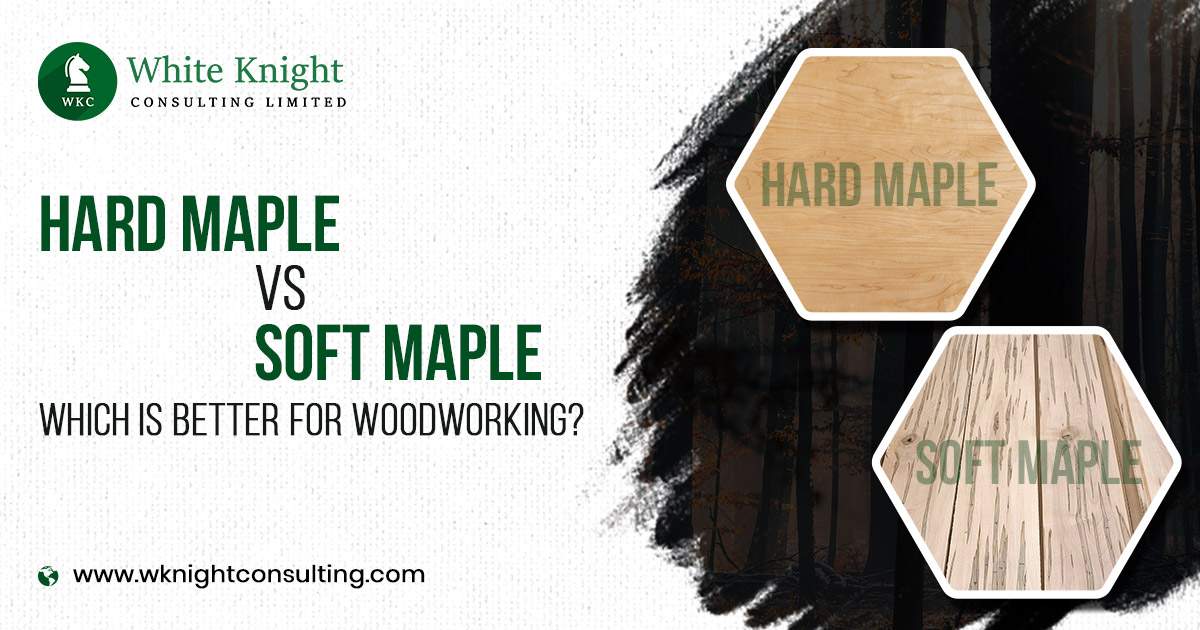
Credit: wknightconsulting.com
Characteristics Of Hard Maple
Hard Maple is known for its high density. It feels solid and strong. This type of maple is harder than soft maple. It can resist dents and scratches. Hard maple is used in furniture and floors. It stands up well to daily use.
Hard Maple has a light color. Sometimes creamy white. The grain is often straight. It is smooth and clear. Hard Maple’s grain makes it good for staining. It looks great with different finishes.
Hard Maple is very durable. It lasts a long time. This wood is strong and stable. It holds up well under pressure. Hard maple is great for heavy-duty items. It doesn’t warp or bend easily.
Characteristics Of Soft Maple
Soft maple is lighter and less dense than hard maple. It is easier to work with and absorbs stains well. Its grain is generally straighter, making it suitable for furniture and cabinetry.
Density And Hardness
Soft Maple is less dense than Hard Maple. Its wood feels lighter. Soft Maple is easier to work with. It can be cut and shaped easily. Hardness affects its use in furniture. Soft Maple is not as tough as Hard Maple.
Color And Grain Patterns
Soft Maple has a wide range of colors. Colors range from pale to dark. Grain patterns are often straight. Sometimes, they can be wavy or curly. The grain is usually fine. This makes it look smooth and clean.
Durability And Strength
Soft Maple is less durable. It is not as strong as Hard Maple. Durability affects its lifespan. Soft Maple may wear down faster. Strength is lower, but it’s still useful. It is great for less heavy furniture.
Applications Of Hard Maple
Hard maple is strongand durable. It is perfect for making furniture. It has a nice, smooth finish. This wood is used for tables and chairs. Cabinets are also made from hard maple. It lasts a long time. People like its natural beauty. It can be painted easily.
Hard maple is great for floors. It does not wear out easily. Scratches are less visible on it. It keeps its look over time. Its strength makes it ideal for high traffic areas. People choose it for homes and offices. Its light color brightens rooms.
Many musical instruments use hard maple. It has a clear sound quality. Violins and pianos often use this wood. It improves the tone of the instruments. The wood’s density helps create rich sounds. Musicians trust its reliability. It is a favorite for string instruments.

Credit: forestplywood.com
Applications Of Soft Maple
Soft maple is a top choice for cabinetry and millwork. It is less expensive than hard maple. Its versatile nature makes it ideal. Carpenters love its smooth texture. It takes paint and stain very well. This wood is easy to shape. It works well for different designs.
Soft maple is used for decorative veneers. Its grain pattern looks beautiful. Many furniture pieces use these veneers. They add style and elegance. Soft maple veneers are durable. They protect the furniture from damage. They also maintain a rich appearance. These veneers are popular in many homes.
Soft maple is great for woodworking projects. It is easy to cut and shape. Children can use it for school projects. It is safe and non-toxic. Hobbyists love working with soft maple. It is perfect for carving and crafting. People make toys, boxes, and small items.
Cost Comparison
Hard maple costs more than soft maple. Expect to pay around $5 to $8 per board foot for hard maple. Soft maple is cheaper. Prices range from $3 to $5 per board foot. Budget can be a big factor in your choice.
Hard maple is widely available. Most lumber yards stock it. Soft maple is also common. You can find it in many places. Both types are easy to buy. This makes them great choices for wood projects.
Soft maple is often more cost-effective. It provides similar qualities at a lower price. Hard maple is better for high-end finishes. Choose soft maple for simple projects. Hard maple is best for durable surfaces.
Environmental Impact
Soft maple trees grow faster than hard maple. This makes them more sustainable. Fast-growing trees help the environment. They provide more oxygen. Hard maple grows slowly. It takes longer to replace hard maple trees. This can hurt the environment. Choosing soft maple can be better for sustainability.
Soft maple is often harvested in a more eco-friendly way. It needs less time to grow back. Hard maple requires careful planning. It can take decades to regrow after cutting. Soft maple supports better forest management. It helps keep the balance in nature. Harvesting soft maple is less harmful.
Soft maple helps keep forests healthy. It supports wildlife. Hard maple can lead to deforestation. This can harm animal habitats. Soft maple provides shelter for many species. It keeps the soil strong. Hard maple needs more time to grow back. This makes its long-term effects more challenging.
Choosing The Right Maple
Hard maple is strong. It can handle heavy things. Soft maple is lighter. It is easy to cut. Pick hard maple for solid projects. Pick soft maple for easy projects.
Hard maple has a clear look. It fits modern styles. Soft maple is warmer. It feels cozy. Want sleek and shiny? Choose hard maple. Want warm and smooth? Choose soft maple.
Hard maple costs more. It is pricier. Soft maple saves money. It is cheaper. Hard maple for big budgets. Soft maple for small budgets.
Credit: thebailliegroup.com
Frequently Asked Questions
What Is The Difference Between Hard And Soft Maple?
Hard maple is denser and more durable than soft maple. Soft maple is easier to work with and less expensive. Hard maple is often used for flooring and furniture, while soft maple is used for interior projects and veneers. Both have distinct grain patterns and color variations.
Is Soft Maple Cheaper Than Hard Maple?
Yes, soft maple is generally cheaper than hard maple. Soft maple offers cost-effective options for furniture and cabinetry. Hard maple is often preferred for durability and strength, leading to higher prices. Choosing between them depends on budget and intended use.
What Is Soft Maple Good For?
Soft maple is ideal for furniture, cabinetry, and millwork due to its workability and affordability. It offers a smooth finish for painting or staining, making it versatile for various projects. Its strength and durability are suitable for interior applications while adding a touch of elegance.
Is Home Depot Maple Hard Or Soft?
Home Depot offers both hard and soft maple wood varieties. Hard maple is denser and more durable. Soft maple is lighter and easier to work with. Check product descriptions for specific details on the type of maple wood available.
Conclusion
Choosing between hard and soft maple depends on your needs. Hard maple offers strength and durability. Ideal for flooring and furniture. Soft maple is easier to work with. Perfect for carving and cabinetry. Both types have unique qualities. Consider the project requirements.
Think about the budget. Evaluate the desired finish and appearance. Hard maple may be more costly. Soft maple can be a budget-friendly option. Both are excellent choices for woodwork. Make an informed decision. Your project will benefit from careful consideration.
Explore maple’s potential for your next creation.