Hardwood Floors Vs LVP: Which Reigns Supreme?
Choosing the right flooring for your home can feel overwhelming. Between the endless options and considerations, it’s easy to get lost.
If you’ve narrowed it down to hardwood floors and luxury vinyl plank (LVP), you’re in the right place. These popular choices each have their unique benefits and drawbacks. You might be wondering which one is best for your lifestyle, budget, and aesthetic preferences.
By understanding the nuances of both, you can make a decision that truly transforms your space. Dive into this comparison to discover which flooring option aligns with your dreams and needs. Your perfect floor is just a few scrolls away.
Credit: villagiowoodfloors.com
Material Composition
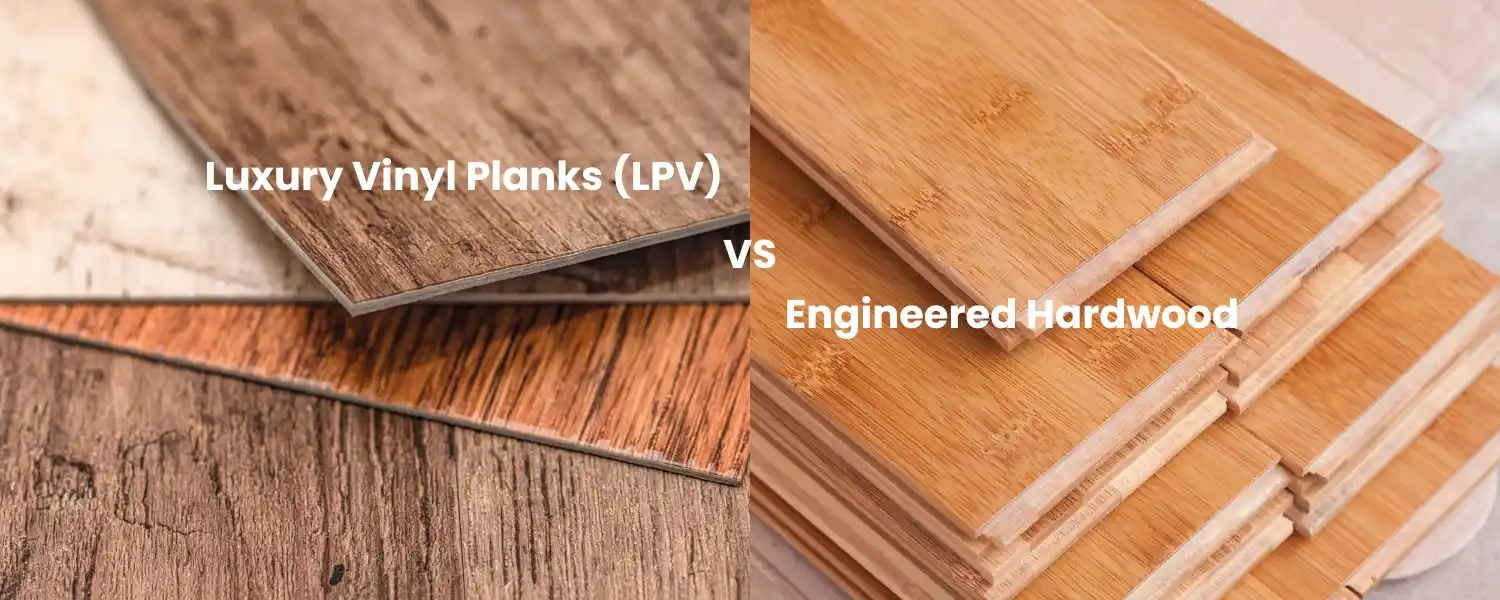
Hardwood floorsare made from real trees. They have a natural look. Each plank is unique. LVPstands for luxury vinyl plank. It is made from plastic. LVP looks like wood but is not real. It’s a synthetic material. The choice depends on preference. Some like the feel of natural wood. Others prefer the easy care of LVP.
Real wood comes from trees. It’s natural and unique. No two planks are the same. LVP is man-made. It uses plastic and other materials. It looks like wood but is not real wood. This makes it more durable.
Hardwood can scratch easily. It’s softer than LVP. Water can damage wood. LVP is more durable. It resists scratches better. Water does not harm it. This makes LVP a good choice for kitchens.
:max_bytes(150000):strip_icc()/SPR-lvp-vs-engineered-hardwood-8401038-hero-d7dc36cd86194378987555bc491d03ec.jpg)
Credit: www.thespruce.com
Aesthetic Appeal
Hardwood floorshave a natural look. They show the grain of the wood. Each plank is unique. LVPcan mimic this look. But it is not real wood. Some people notice this difference. Hardwood might feel more luxurious. LVP is often shiny. This makes it look different. Both have their own style.
Hardwood comes in many colors. Light, dark, and all in between. You can choose the wood type. Oak, maple, or cherry. Each has its own color. LVP also has lots of options. You can pick nearly any color. Its texturecan feel smooth or rough. Some LVP even has grooves like wood. Both types have variety. But they feel different to touch.
Installation Process
Hardwood floors need more time to install. You must measure and cut each plank. It’s a careful job. LVP is easier. Click and lock the pieces together. It’s like a puzzle. More simple. Less mess.
Installing hardwood needs special tools. You will use a nail gun and saw. You must be careful. LVP needs basic tools. Use a utility knife. It’s easy. Almost anyone can do it. Hardwood needs skills. LVP is beginner-friendly.
Cost Comparison
Hardwood floors often need a bigger initial investment. They are made from real wood, which can be pricey. LVP, or luxury vinyl plank, costs less at the start. It is made from plastic and wood powder. This makes it cheaper to buy. Some people may choose LVP for this reason.
Installers may charge more for hardwood. It needs careful work to install. LVP installation is simpler and quicker. This also saves money. But, some people prefer the look of real wood.
Hardwood floors add more long-term value to a home. They last for many years if cared for. This can increase the home’s selling price. LVP is also durable but not as long-lasting as hardwood. It may show wear over time.
Hardwood can be sanded and refinished. This makes it look new again. LVP cannot be refinished. If it wears, it needs replacing. Homeowners might choose based on these factors.
Maintenance Needs
Hardwood floors need gentle care. Use a soft broom for dust. Avoid too much water. Damp mop works well. LVP is easier. Use a vacuum for dirt. A wet mop is safe. Both need regular cleaning.
Hardwood gets scratches. Sanding fixes them. Deep scratches need a patch. Replacement is costly. LVP is durable. Scratches are rare. Damaged tiles replace easily. Less hassle than hardwood.
Environmental Impact
Hardwood floors come from trees. Cutting trees affects forests. Some trees grow back slowly. This makes it less sustainable. Choosing wood from managed forests helps. It supports tree regrowth.
LVP, or Luxury Vinyl Plank, uses plastics. Plastics come from oil. Oil is not renewable. LVP is not as sustainable as wood. Some LVP brands use recycled materials. This helps reduce waste.
Bamboo is a green choice. It grows fast. It is strong and looks good. Cork is another option. It comes from tree bark. The tree stays alive. Both are great for the earth.
Reclaimed wood is also eco-friendly. It uses old wood again. This saves trees. It has a unique look. These choices help the planet.
Market Trends
Hardwood floorshave been loved for years. They are classic and elegant. Many homes still choose them. LVPhas gained popularity too. It stands for Luxury Vinyl Plank. It’s stylish and easy to maintain. Modern homes like its versatility. It can look like wood or stone.
People like options. Some prefer real wood. Others choose LVP. Price mattersto many buyers. LVP often costs less. It suits small budgets. Hardwood lasts longer. This attracts certain buyers. Families with kids often choose LVP. It is durable and easy to clean.
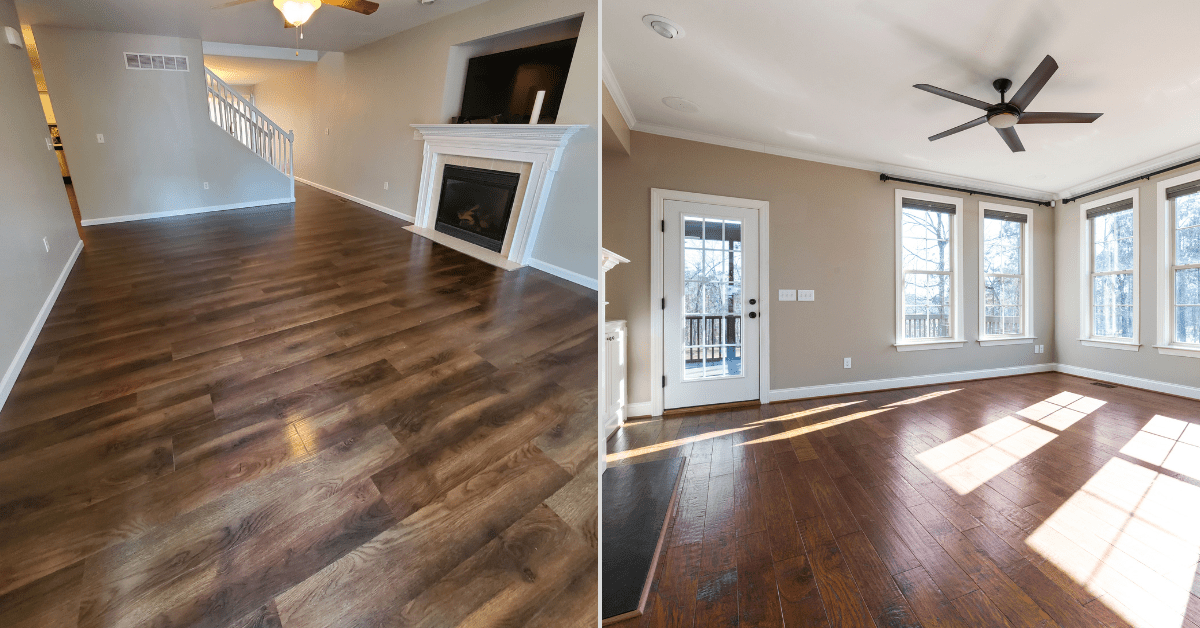
Credit: casediscountflooring.com
Performance In Different Conditions
Hardwood floors excel in dry conditions, offering timeless beauty and durability. LVP (Luxury Vinyl Plank) thrives in moisture-prone areas, resisting water and scratches. Each flooring type shines in specific environments, balancing aesthetics and practicality.
Humidity And Temperature
Humidity can affect hardwood floors. They might swell or shrink. LVP stays stable. Temperature changes are tough on wood. It might warp. LVP handles heat and cold better. It stays flat and strong.
Wear And Tear Resistance
Hardwood floors can scratch easily. They need care to look nice. LVP resists scratches. You can walk on it without worry. Kids and pets are safe with LVP. It is tough and durable. Hardwood needs refinishing at times. LVP stays good longer. It is easier to clean too.
Frequently Asked Questions
What Are The Disadvantages Of LVP Flooring?
LVP flooring can be prone to scratches and dents. It may fade under direct sunlight. Installation over uneven surfaces can cause issues. Some products emit VOCs, affecting indoor air quality. Repairing damaged areas can be challenging. It might not add as much value to your home as hardwood flooring.
Is LVP Used In High End Homes?
Yes, luxury vinyl plank (LVP) is popular in high-end homes. It offers durability, water resistance, and diverse styles. Homeowners appreciate its affordable elegance, easy maintenance, and realistic wood look. Many designers use LVP for its versatility and cost-effectiveness, making it a smart choice for upscale interiors.
Is LVP Better Than Hardwood For Resale Value?
Hardwood generally offers better resale value than LVP. It’s seen as a premium, long-lasting flooring option. LVP can still appeal to budget-conscious buyers, offering a cost-effective, durable alternative. Consider your market and buyer preferences when deciding.
What Costs More, Hardwood Or LVP?
Hardwood typically costs more than luxury vinyl plank (LVP). Hardwood prices range from $6 to $15 per square foot. LVP is more affordable, ranging from $2 to $7 per square foot. Installation costs for hardwood are also higher compared to LVP, making hardwood the more expensive option overall.
Conclusion
Choosing between hardwood floors and LVP depends on your needs. Hardwood offers classic beauty and can last decades. LVP provides affordability and easy maintenance. Consider your budget and lifestyle. Hardwood adds value but needs care. LVP is durable and moisture-resistant, great for busy homes.
Think about installation and long-term use. Both options enhance home appeal. Make a choice that fits your style and daily life. Weigh the pros and cons carefully. Prioritize what matters most for your space. A well-informed decision leads to satisfaction.