Hardwood vs. Engineered: Essential Differences
Choosing the right flooring can feel overwhelming, but understanding the core differences between hardwood and engineered hardwood makes the decision much simpler. Hardwood offers classic beauty and can be refinished multiple times, while engineered hardwood provides greater stability and versatility, making it a fantastic option for many homes. This guide will break down everything you need to know.
Hey everyone, Ashraf Ahmed here! Ever stood in a flooring store, staring at beautiful wood planks, and wondered what the real difference is between solid hardwood and that “engineered” stuff? It’s a common question, and honestly, it can be confusing. You want your floors to look amazing and last for years, but you don’t want to make a costly mistake. Don’t worry, I’ve got your back. We’re going to cut through the jargon and figure out exactly what makes these two flooring types tick. By the end of this, you’ll know which one is the perfect fit for your next project. Let’s get started!
Understanding Your Flooring Options: Hardwood vs. Engineered
When we talk about wood flooring, two main categories usually pop up: solid hardwood and engineered hardwood. They both look like wood, feel like wood, and can add incredible warmth and value to your home. But how they’re made and how they perform can be quite different. Think of it like choosing between a classic hand tool and a modern power tool – both have their strengths and best uses!
Solid hardwood flooring is exactly what it sounds like: planks made from a single piece of solid wood. This is the traditional choice, known for its timeless beauty and the ability to be sanded and refinished many times over its lifespan. Each plank tells a unique story with its natural grain patterns and variations.
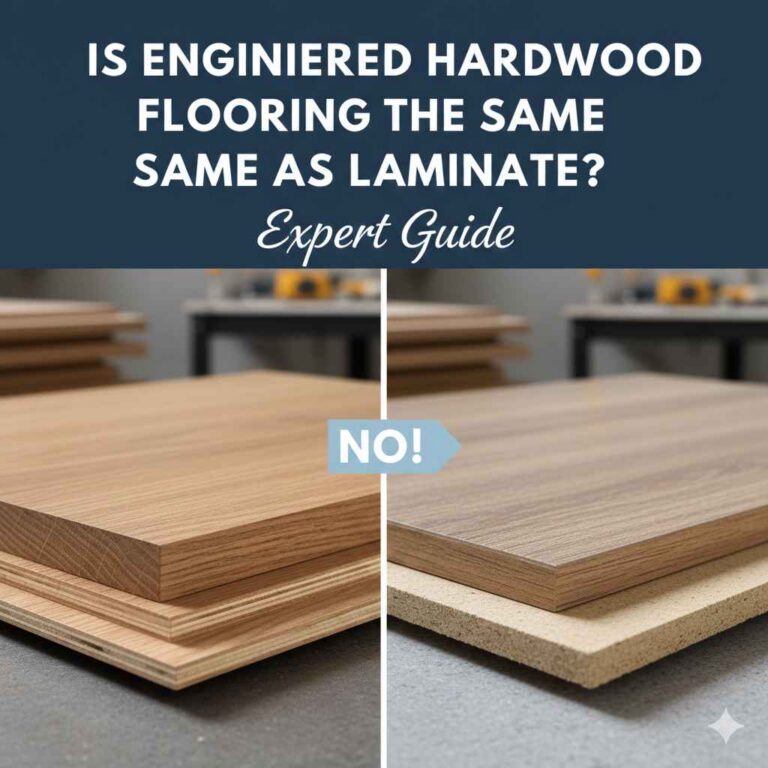
Engineered hardwood flooring, on the other hand, is a bit more of a modern marvel. It’s constructed with multiple layers. Typically, you have a top layer of real hardwood veneer (the part you see and walk on) bonded to a core of plywood or high-density fiberboard (HDF). This layered construction gives it unique advantages, especially in environments where solid hardwood might struggle.
The Construction Breakdown: What’s Inside the Plank?
Let’s get a little more hands-on and look at how these floors are put together. This is where the fundamental differences lie, impacting everything from installation to durability.
Solid Hardwood Flooring
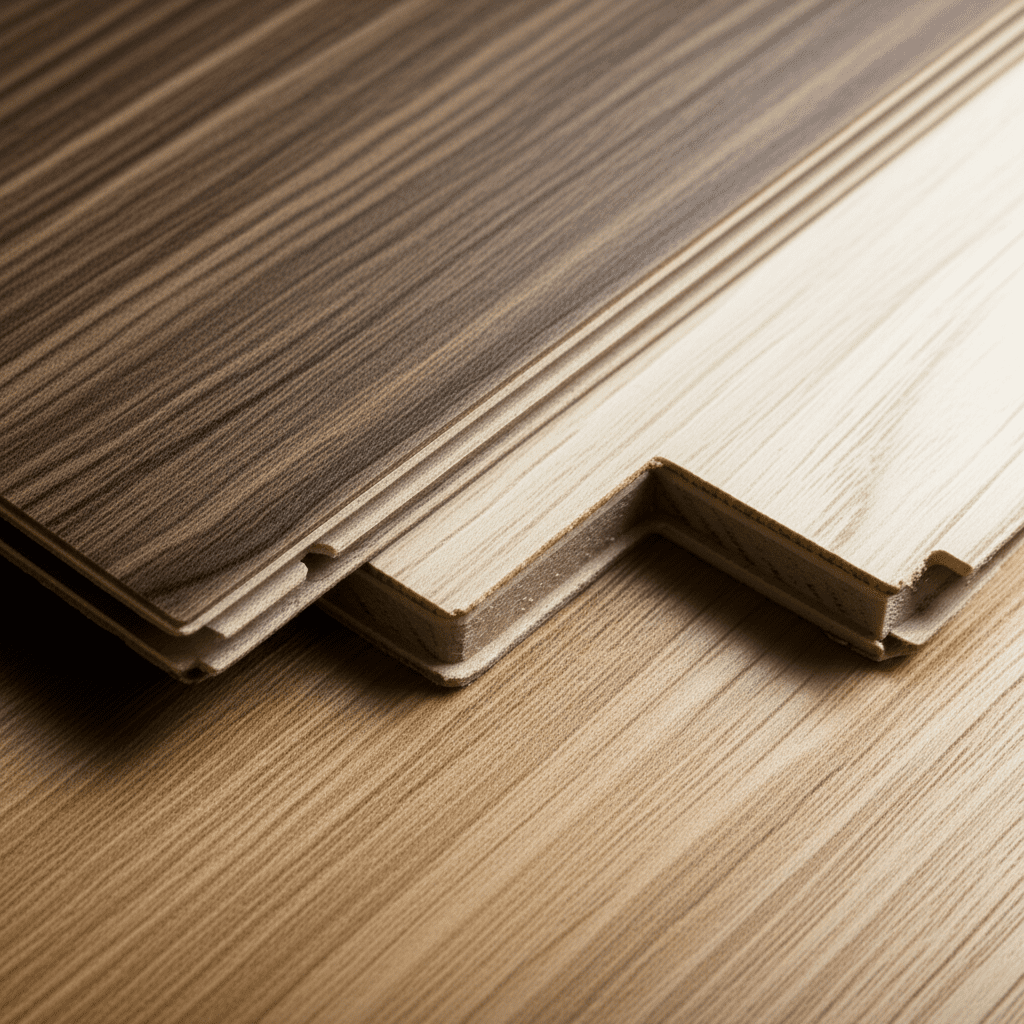
Imagine a single, sturdy piece of wood, cut directly from a tree. That’s solid hardwood. These planks are typically milled from a single block of timber, like oak, maple, cherry, or walnut. They are usually 3/4 inch thick.
-
Pros:
- Can be sanded and refinished multiple times, extending its life significantly.
- Offers a classic, authentic wood aesthetic.
- Adds significant value to a home.
- Available in a wide variety of species, stains, and finishes.
-
Cons:
- More susceptible to changes in temperature and humidity, which can cause expansion, contraction, gapping, or warping.
- Not ideal for installation in basements or areas prone to moisture.
- Installation can be more complex, often requiring nailing or stapling to a subfloor.
Engineered Hardwood Flooring
Engineered hardwood takes a more layered approach. It’s built like a sandwich, but a very sophisticated one! Here’s a typical breakdown:
- Top Layer (Wear Layer): This is a thin slice of real hardwood veneer, usually ranging from 0.5mm to 4mm thick. This is the beautiful wood grain you see. The thicker the veneer, the more times it can potentially be refinished.
- Core Layers: Beneath the veneer are multiple layers of plywood or HDF, cross-grained and glued together. This cross-graining is key to its stability.
- Backing Layer: The bottom layer provides balance and stability.
This construction makes engineered hardwood much more dimensionally stable than solid hardwood. It’s less likely to expand or contract with fluctuations in humidity and temperature.
-
Pros:
- Much more stable and resistant to moisture and temperature changes.
- Can be installed in more areas of the home, including basements and kitchens.
- Can often be installed as a “floating floor” or glued down, offering more installation flexibility.
- Can be refinished, but the number of times depends on the thickness of the wear layer.
- Generally more affordable than solid hardwood.
-
Cons:
- The number of times it can be refinished is limited by the thickness of the wear layer. Very thin veneers cannot be refinished at all.
- The aesthetic quality can vary significantly depending on the veneer thickness and quality.
Performance and Durability: Which Stands Up Better?
When we talk about durability, we’re looking at how well the flooring holds up to daily life – foot traffic, spills, and changes in your home’s environment. This is where the construction differences really shine through.
Moisture and Humidity Resistance
This is arguably the biggest differentiator. Solid hardwood is a natural material, and like most natural materials, it reacts to its environment. In humid conditions, it can absorb moisture and swell. In dry conditions, it can shrink. This expansion and contraction can lead to:
- Gapping: Spaces appearing between planks as the wood shrinks.
- Cupping: Planks bending upwards at the edges as the moisture content changes unevenly.
- Warping: More severe bending or twisting of the planks.
Because of this, solid hardwood is best suited for climate-controlled interior spaces like living rooms, bedrooms, and dining rooms. It’s generally not recommended for basements, bathrooms, or kitchens where moisture levels can fluctuate more significantly.
Engineered hardwood, with its cross-layered core, is far more dimensionally stable. The plywood or HDF core resists the expansion and contraction that solid wood experiences. This makes it a much more forgiving option for areas where humidity is a concern, like kitchens or even some well-ventilated basements. However, it’s still wood, so prolonged exposure to standing water should always be avoided. For truly wet areas like full bathrooms, waterproof options like luxury vinyl plank (LVP) or tile are usually better choices.
Wear and Tear
Both types of flooring can scratch and dent, as they are made of real wood. The hardness of the wood species itself plays a big role. For example, hickory is much harder and more resistant to dents than a softer wood like pine.
However, the ability to repair damage differs. With solid hardwood, you can sand down the entire plank to remove scratches and gouges and then refinish it. This can be done multiple times, effectively giving you a “new” floor every few years if needed.
Engineered hardwood can also be refinished, but only as many times as the thickness of the top wood veneer allows. A very thin veneer (sometimes called a “rotary cut” veneer) might only be refinished once or twice, or not at all. Thicker, “sliced cut” veneers offer more refinishing potential. If a deep scratch goes through the veneer into the core layers, it cannot be repaired by sanding; the plank would need to be replaced.
Installation: DIY Friendly or Pro Job?
When planning your project, how the flooring is installed is a big consideration, especially if you’re a DIYer like me. The method of installation can affect cost, time, and whether you can tackle it yourself.
Solid Hardwood Installation
Solid hardwood planks are typically installed by:
- Nailing or Stapling: This is the most common method. The planks are face-nailed (through the top surface) or blind-nailed (through the tongue) to a wooden subfloor. This requires a specialized flooring nailer or stapler, which you can often rent.
- Glue-Down: Less common for solid hardwood, but possible on certain subfloors.
Solid hardwood must be installed directly onto a wooden subfloor that is on or above ground level. It cannot be installed directly over concrete slabs without a proper wooden subfloor system in place.
Engineered Hardwood Installation
Engineered hardwood offers more flexibility, making it a popular choice for DIYers:
- Glue-Down: The planks are adhered directly to the subfloor using a specialized adhesive. This works well on concrete and plywood subfloors.
- Nail/Staple Down: Similar to solid hardwood, it can be nailed or stapled to a wooden subfloor.
- Floating Floor: This is a very DIY-friendly method. The planks are not attached to the subfloor at all. Instead, they lock together, and the entire floor “floats” over an underlayment. This is often the quickest and easiest installation method.
The ability to be installed as a floating floor and the option to glue down directly onto concrete makes engineered hardwood a much more versatile option for various home renovation projects.
Cost Comparison: What’s the Price Tag?
When comparing prices, it’s not just about the per-square-foot cost of the material. You also need to consider installation and the long-term value.
Generally, engineered hardwood is more affordable per square foot than solid hardwood. However, this can vary widely based on the species of wood, the thickness of the veneer, the brand, and the finish.
Material Cost (Typical Range per sq ft):
| Flooring Type | Estimated Material Cost (USD per sq ft) |
|---|---|
| Solid Hardwood | $4 – $12+ |
| Engineered Hardwood | $3 – $10+ |
Keep in mind these are rough estimates. Exotic wood species, premium brands, and wider planks will always command higher prices for both types.
Installation Costs:
- Solid hardwood installation, especially nailing/stapling, often requires more specialized tools and labor, which can increase installation costs.
- Engineered hardwood, particularly when installed as a floating floor, can sometimes be less expensive to install, especially if you’re doing it yourself.
Long-Term Value: While engineered hardwood might be cheaper upfront, solid hardwood’s ability to be refinished multiple times can make it a better long-term investment for some homeowners. If you plan to stay in your home for many decades and want to maintain a pristine wood floor, the refinishing capability of solid hardwood is a significant advantage.
Maintenance and Care: Keeping Your Floors Looking Great
Both solid and engineered hardwood floors require similar care routines to keep them looking their best and to protect the finish.
- Regular Cleaning: Sweep or vacuum (with a hard floor attachment) regularly to remove dirt and grit that can scratch the finish.
- Damp Mopping: Use a damp mop (not wet!) with a pH-neutral wood floor cleaner. Always wring out the mop thoroughly. Avoid excessive water, as it can seep into seams and damage the wood, especially with solid hardwood.
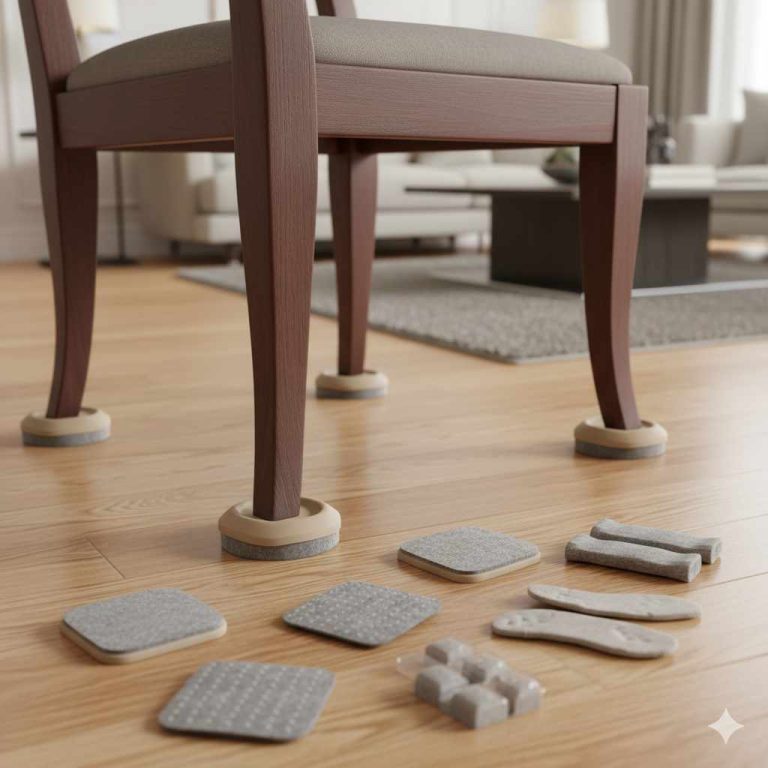
- Protect from Furniture: Use felt pads on the legs of all furniture to prevent scratches.
- Avoid Harsh Cleaners: Never use ammonia-based cleaners, abrasive cleaners, or steam mops, as they can damage the finish.
- Manage Humidity: For both types, maintaining a consistent indoor humidity level (typically between 35-55%) is crucial for the longevity of the wood. A home humidity control can significantly help prevent issues.
The main difference in maintenance comes down to refinishing. As mentioned, solid hardwood can be refinished multiple times. Engineered hardwood’s refinishing potential depends on the veneer thickness. If your engineered floor has a very thin veneer, you might only be able to buff and recoat it (apply a new protective layer) rather than a full sanding and refinishing.
When to Choose Solid Hardwood
Solid hardwood is a fantastic choice when:
- You desire the most authentic, traditional wood flooring experience.
- You plan to stay in your home for a very long time and want the ability to refinish your floors multiple times over decades.
- You are renovating a home where solid hardwood is original and want to maintain its historical integrity.
- Your installation area is on or above ground level and has stable, climate-controlled conditions.
- You have a suitable wooden subfloor for nailing or stapling.
- Budget is less of a concern, and you prioritize the long-term, multi-refinish potential.
When to Choose Engineered Hardwood
Engineered hardwood is an excellent option when:
- You want the look and feel of real wood but need more stability in areas with fluctuating humidity or temperature.
- You are installing flooring in a basement, kitchen, or other areas where moisture might be a greater concern than in upper-level rooms.
- You are looking for more installation flexibility, especially if you have a concrete subfloor or want to install a floating floor.
- You are a DIYer looking for potentially simpler installation methods.
- You are working with a tighter budget but still want genuine wood flooring.
- You are okay with the fact that the number of refinishes will be limited by the veneer thickness.
Frequently Asked Questions (FAQs)
Q1: Can I refinish engineered hardwood flooring?
A1: Yes, but it depends on the thickness of the top hardwood veneer. Thicker veneers (2mm or more) can be sanded and refinished once or twice. Thinner veneers (less than 1mm) often cannot be refinished and may only be buffed and recoated.
Q2: Is solid hardwood or engineered hardwood better for kitchens?
A2: Engineered hardwood is generally a better choice for kitchens due to its increased stability and resistance to humidity fluctuations. While neither is waterproof, engineered wood handles minor spills and humidity better than solid hardwood.
Q3: Which type of wood flooring is more durable?
A3: Durability depends on both the wood species and the construction. Harder wood species (like oak, maple, hickory) will resist dents and scratches better than softer species (like pine). Engineered wood’s stability makes it more resilient to environmental changes, preventing issues like gapping and cupping that can compromise the floor’s integrity.
Q4: Can I install hardwood flooring in a basement?
A4: Solid hardwood is generally not recommended for basements due to the higher risk of moisture. Engineered hardwood, particularly if installed as a floating floor, is a more suitable option, but it’s still important to ensure good ventilation and address any potential moisture issues in the basement.
Q5: What does “wear layer thickness” mean for engineered hardwood?
A5: The wear layer is the top layer of real wood veneer. Its thickness determines how many times the floor can be sanded and refinished. A thicker wear layer means more refinishing potential and a longer lifespan for the floor.
Q6: Which is more expensive, solid or engineered hardwood?
A6: Typically, solid hardwood is more expensive per square foot than engineered hardwood. However, premium engineered options or exotic wood species can sometimes rival or exceed the cost of basic solid hardwood.
Q7: How long does solid hardwood flooring typically last?
A7: With proper care and maintenance, solid hardwood flooring can last for 75 to 100 years, or even longer, thanks to its ability to be refinished multiple times.
Conclusion: Making the Right Choice for Your Home
So, we’ve covered the nitty-gritty of solid versus engineered hardwood. Both offer the undeniable beauty and warmth of real wood, but they cater to different needs and environments. Solid hardwood remains the king of traditional charm and longevity through refinishing, perfect for those who want a classic, enduring floor in stable conditions.
Engineered hardwood, with its clever layered construction, offers a more practical and versatile solution. It’s more forgiving with humidity and temperature changes, opens up more installation possibilities (like basements and over concrete), and often comes with a more accessible price tag. Its durability in varying conditions, combined with the genuine wood surface, makes it a fantastic modern alternative.
Ultimately, the best choice depends on your specific project, budget, the room’s conditions, and your personal preferences. Whether you choose the timeless appeal of solid hardwood or the adaptable nature of engineered wood, you’re investing in a beautiful, natural material that will enhance your home for years to come. Happy flooring!