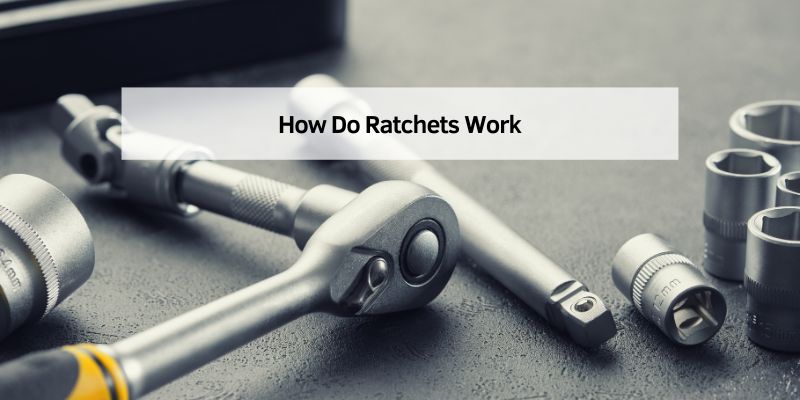
How Do Ratchets Work
Hey there! If you’ve ever tightened a bolt with a ratchet wrench or secured a dirt bike with ratchet straps, you’ve probably marveled at how these tools make life so much easier. I sure did the first time I used a ratchet wrench to fix my old truck’s suspension—click, click, click, and the job was done in minutes! But then I got curious: how do ratchets work their magic? After years of tinkering in my garage, tearing apart tools, and even breaking a few (oops!), I’ve learned the ins and outs of ratchets.
Whether you’re a DIY car enthusiast, a weekend warrior, or just someone who loves understanding how things tick, I’m excited to share my journey with you. This guide breaks down how ratchets work, with practical tips, personal stories, and everything you need to know to use them like a pro. Let’s dive in and unravel the mystery of those satisfying clicks!
What Exactly Is a Ratchet?
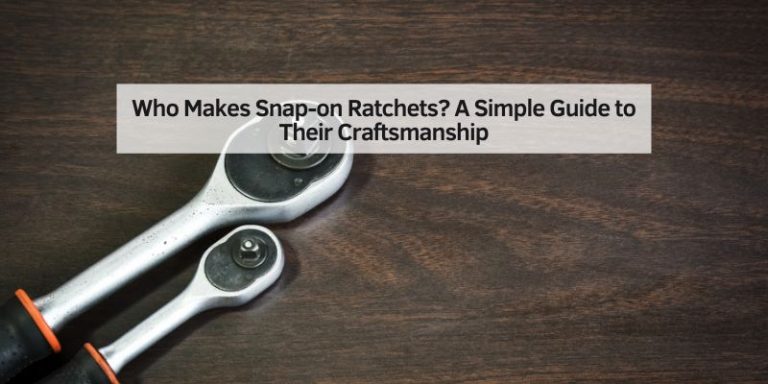
A ratchet is a tool that lets you apply force in one direction while moving freely in the other. Think of a ratchet wrench: you turn it to tighten a bolt, and when you swing it back, it clicks without loosening the bolt. I first used one when I was 16, helping my dad swap out a car battery. The clicking sound was so cool, I kept swinging it just to hear it!
Ratchets come in many forms—wrenches, straps, screwdrivers, and even some fishing reels. In automotive work, ratchet wrenches and tie-down straps are the stars. They save time, reduce effort, and make tasks like tightening bolts or securing cargo a breeze. The magic lies in their one-way mechanism, which we’ll explore next.
The Core Mechanism: How Ratchets Lock and Release
The heart of a ratchet is its locking mechanism. I learned this by taking apart an old wrench that jammed up on me. Inside, I found a gear and a pawl—a small metal piece that catches the gear’s teeth. Here’s how it works in simple terms:
When you turn a ratchet wrench, the gear spins, and the pawl slides over the gear’s teeth, making that “click” sound. The pawl locks into a tooth to apply force in one direction (say, tightening a bolt). When you swing the wrench back, the pawl slips over the teeth, letting the gear stay still. This keeps the bolt tight while you reset for the next turn.
Most ratchet wrenches have a switch to flip the pawl’s direction. I use this all the time to switch between tightening and loosening bolts without changing tools. The finer the gear’s teeth (called tooth count), the less you need to swing the wrench. My favorite wrench has 72 teeth, so I can work in tight spots with just a 5-degree swing.
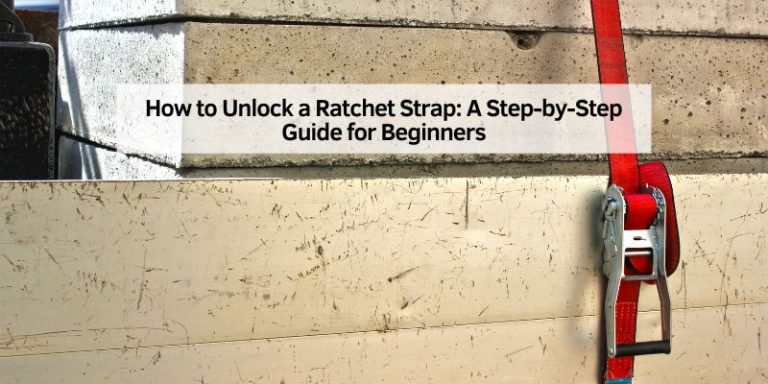
Ratchet straps work similarly but use a different setup. They have a slotted drum (like a gear) and a spring-loaded pawl. As you crank the handle, the drum pulls the strap tight, and the pawl locks it. I’ll never forget using straps to tie down my motorcycle—crank, lock, and it didn’t budge an inch!
Types of Ratchet Tools and Their Uses
Ratchets aren’t one-size-fits-all. I’ve used a bunch of them, each with its own quirks. Here’s what I’ve learned about the main types:
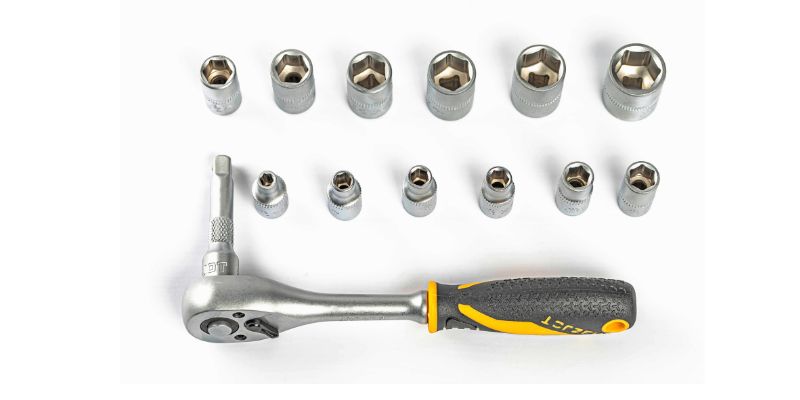
- Ratchet Wrenches: These are my go-to for automotive work. They fit sockets to turn bolts or nuts. I used a 3/8-inch drive wrench to rebuild my car’s brakes—perfect for medium-sized bolts. Smaller 1/4-inch drives are great for delicate jobs, like tightening spark plugs. Bigger 1/2-inch drives handle heavy tasks, like suspension work.
- Ratchet Straps: I rely on these to secure cargo. When hauling my dirt bike, I use 1.5-inch-wide straps with a 1,500-pound rating. They’re easy to tighten and release, keeping my bike steady on rough roads.
- Ratchet Screwdrivers: These are handy for small screws. I used one to install a car stereo, and the ratcheting saved my wrist from twisting endlessly.
- Flex-Head Ratchets: These have a pivoting head for awkward angles. I used one to reach a bolt under my truck’s engine—saved me hours of cursing!
Each type shines in specific tasks. I keep a mix in my toolbox to cover any job that pops up.
Key Components of a Ratchet Wrench
To really get how ratchets work, let’s peek inside a wrench. I broke one year ago (overzealous bolt-tightening, guilty!), and the pieces taught me a lot. Here are the main parts:
- Gear (or Ratchet Wheel): A round piece with teeth. It connects to the socket and turns the bolt. More teeth mean smoother action.
- Pawl: A small lever that locks into the gear’s teeth. It’s spring-loaded to snap back after each click.
- Drive Square: The square peg where the socket attaches. I’ve used 1/4-inch, 3/8-inch, and 1/2-inch drives, depending on the job.
- Direction Switch: A lever or dial to flip the pawl’s direction. I love how quick it is to switch from tightening to loosening.
- Handle: The part you grip. Mine has a rubber coating for comfort during long jobs.
- Housing: The metal body holding it all together. A sturdy one lasts years—I’ve had mine for a decade.
These parts work like a tiny orchestra, each playing its role to make your job easier.
How Ratchet Straps Differ from Wrenches
Ratchet straps fascinated me when I first used them to haul a car part. They’re like ratchet wrenches but built for securing loads, not turning bolts. Here’s how they’re different:
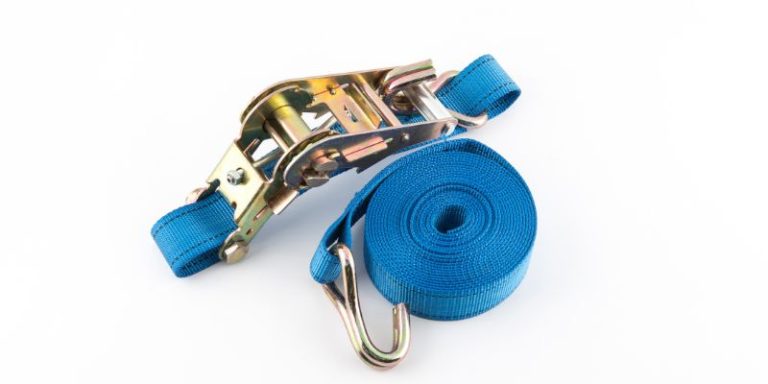
Instead of a gear, straps have a slotted drum that winds the webbing. The pawl locks into the drum’s slots to hold tension. You crank the handle to tighten, and the strap stays put until you release the pawl. I once secured a 500-pound engine block with four straps—they didn’t budge, even on a bumpy road.
Straps also have hooks or loops to attach to anchor points, like truck bed D-rings. I always check that hooks are padded to avoid scratching my vehicle. The webbing is usually polyester, tough enough to handle heavy loads. My straps have a 1,500-pound rating, but I never push them to the limit—safety first!
Choosing the Right Ratchet for Your Needs
Picking a ratchet can feel overwhelming with so many options. I’ve bought a few duds before figuring out what works. Here’s what I consider:
- For Wrenches: Match the drive size to your job. I use 3/8-inch for most car repairs—it’s versatile. Check tooth count for tight spaces; 72 or higher is great. Look for a comfy grip and a lifetime warranty—my Craftsman wrench has one, and I’ve replaced it for free after breaking it.
- For Straps: Check the load rating. My 1,500-pound straps handle my 250-pound dirt bike easily. Wider straps (1–2 inches) are stronger. Get soft loops to protect your bike or car.
- Budget: Good wrenches cost $20–$50; straps run $15–$30 for a set. I avoid cheap no-name brands—they break fast.
- Brand: I trust Craftsman, Tekton, or GearWrench for wrenches; Keeper or Rhino for straps. They’ve never let me down.
Try a few at the store to feel the action. I once bought a wrench online that felt clunky—now I test them first.
Comparing Ratchet Tools
Here’s a table to help you pick the right ratchet based on my experience:
| Tool Type | Best For | Pros | Cons | Cost |
|---|---|---|---|---|
| Ratchet Wrench | Automotive, bolts/nuts | Precise, fast, versatile | Can jam in dirt | $20–$50 |
| Ratchet Strap | Securing cargo | Strong, adjustable, easy release | Webbing frays over time | $15–$30 |
| Ratchet Screwdriver | Small screws | Saves wrist, compact | Less torque for tough screws | $10–$20 |
| Flex-Head Ratchet | Tight spaces | Reaches angles, flexible | Bulkier, pricier | $30–$60 |
I use wrenches most, but straps are lifesavers for hauling. Pick what fits your project.
Tips for Using Ratchets Effectively
Using ratchets is straightforward, but I’ve learned tricks to make them shine:
- Keep them clean. Dirt can jam the mechanism. I wipe my wrench down after muddy jobs and spray it with WD-40 to keep it smooth.
- Don’t force it. I broke a ratchet by cranking too hard on a stuck bolt. Use a breaker bar for tough jobs, then switch to the ratchet.
- Check direction. I’ve wasted time turning a wrench the wrong way. Double-check the switch before starting.
- Store properly. I toss my wrenches in a toolbox drawer to avoid dents. For straps, coil them to prevent tangles.
- Inspect before use. Look for worn gears or frayed straps. I caught a damaged strap before it failed mid-trip.
These habits keep my ratchets working like new and save me from frustration.
Maintaining Your Ratchet Tools
Ratchets are tough, but they need love to last. I neglected my first wrench, and it seized up after a year. Now, I follow these steps:
- Clean after use. I brush off grime with an old toothbrush and wipe with a rag. For sticky gunk, I use degreaser.
- Lubricate. A few sprays of light machine oil (like 3-in-1) on the gear and pawl keep things clicking. I do this monthly for heavy use.
- Check for wear. Look for rounded teeth or loose pawls. I replaced a worn wrench under warranty once—it was like getting a free tool.
- Store dry. Rust is the enemy. I keep my tools in a dry toolbox with silica gel packs. For straps, I hang them in a shed to avoid mildew.
- Don’t abuse them. Using a wrench as a hammer (guilty!) can bend the drive square. I’ve learned to respect my tools.
With care, my current wrench is 10 years strong, and my straps still look brand-new.
Common Mistakes to Avoid
I’ve made plenty of blunders with ratchets. Save yourself with these tips:
- Using the wrong tool for the job. A 1/4-inch wrench won’t handle big bolts—I stripped one trying. Match size to task.
- Ignoring maintenance. A dirty ratchet jams. I learned this when my wrench froze mid-job, costing me an hour.
- Over-tightening straps. I snapped a ratchet strap by cranking too hard. Tighten just enough to secure the load.
- Wrong direction. Turning a wrench backward wastes time. I’ve done it more than I’d like to admit—check the switch!
- Cheap tools. Bargain straps frayed on my bike mid-trip. Spend a bit more for quality.
Laugh at my mistakes, but don’t repeat them. A little care goes a long way!
My Ratchet Redemption Story
Last month, I tackled a clutch replacement on my truck—a job I’d botched years ago with a sticky, old ratchet. This time, I used my trusty 3/8-inch GearWrench, cleaned and oiled, paired with a set of quality sockets. The clicks were crisp, and I zipped through bolts in the tight engine bay like a pro. For hauling parts to the shop, I used my ratchet straps to secure a transmission in my trailer—tight, no scratches, no drama. The job went so smoothly that my buddy asked me to help with his car next. That’s when I knew I’d mastered ratchets. You can get there too—just start with the basics and practice.
Conclusion: Master the Click and Conquer Your Projects
Ratchets are more than just tools—they’re game-changers that make tough jobs feel like a breeze. From the satisfying click of a wrench to the solid lock of a strap, I’ve come to love how they simplify my automotive adventures. Whether you’re fixing a car, hauling gear, or just curious about those clever clicks, I hope my journey inspires you to grab a ratchet and dive in. With the right tool, a bit of know-how, and some care, you’ll be tackling projects like a seasoned pro. So pick up that ratchet, feel the click, and get to work. Your next triumph is just a turn away!
FAQs
What’s the difference between a ratchet wrench and a regular wrench?
A ratchet wrench lets you turn a bolt one way and swing back without loosening it. I love it for tight spaces. A regular wrench needs a full turn, which is slower.
Can I use ratchet straps for anything besides hauling?
Sure! I’ve used them to bundle lumber or secure furniture during a move. Just check the load rating and don’t overstretch them.
How do I know if my ratchet wrench is of good quality?
Look for a high tooth count (72 or more), a sturdy handle, and a warranty. I trust brands like Craftsman or Tekton—they’ve lasted me years.
Why does my ratchet wrench sometimes jam?
Dirt or wear can cause jams. I clean mine with a brush and lubricate it with oil. If it’s still sticky, the gear or pawl might be worn—check for a warranty replacement.
Can I fix a broken ratchet strap?
If the webbing is frayed, replace the strap—it’s not safe. I fixed a sticky ratchet once by cleaning and oiling the drum, but major damage means buying a new one.
What’s the best ratchet wrench size for car repairs?
A 3/8-inch drive is my favorite for most car work—brakes, suspension, you name it. It’s strong but not bulky. Get a 1/4-inch for small stuff and a 1/2-inch for heavy bolts.
How tight should ratchet straps be?
Tight enough to hold the load without moving, but not so tight you strain the strap or damage the cargo. I tug the strap to check—it shouldn’t wiggle, but shouldn’t feel like it’s about to snap.