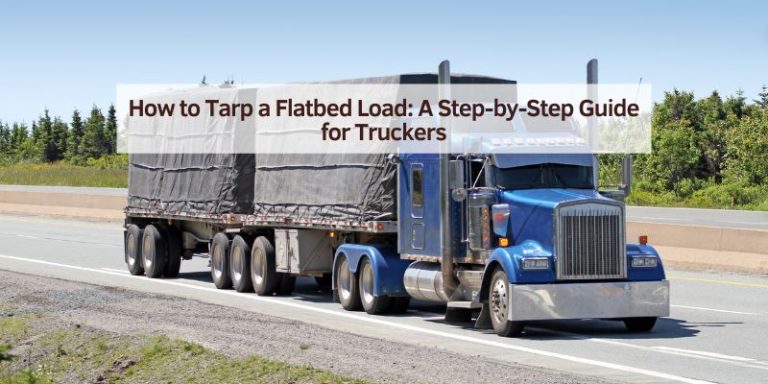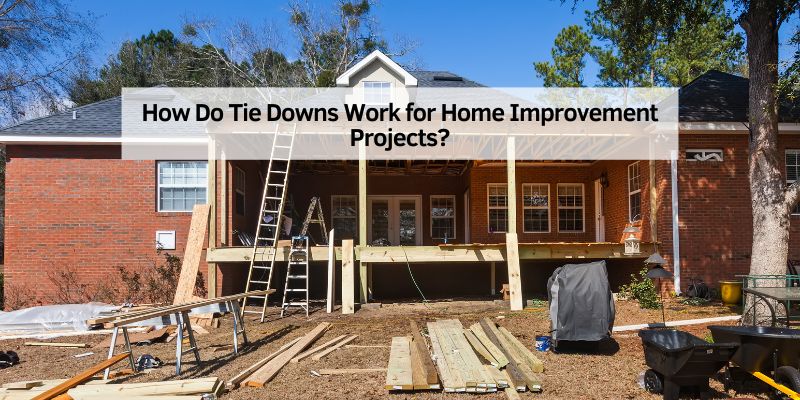
How Do Tie Downs Work for Home Improvement Projects?
Hey there! If you’ve ever tackled a home improvement project, you’ve probably come across situations where you need to secure something heavy or bulky—maybe a new pergola in your backyard, a shed, or even a trailer parked on your property. That’s where tie downs come in, and let me tell you, they’re absolute lifesavers! I’ve spent years experimenting with tie downs for various projects around my home, from anchoring a gazebo to securing heavy equipment during a move. If you’re wondering, “How do tie downs work?” you’re in the right place.
In this article, I’m going to walk you through everything I’ve learned about tie downs, how they keep things safe and stable, and why they’re a must-have for any DIY enthusiast or homeowner in the USA. Let’s dive in and explore this topic together, step by step, so you can feel confident using tie downs for your next project.
What Are Tie Downs, Anyway?
Picture this: you’ve just built a beautiful new shed in your backyard, but a big storm is coming. The last thing you want is for your hard work to tip over or fly away! That’s where tie downs come into play. Tie downs are tools or systems designed to secure objects to a stable surface, like the ground or a vehicle, to prevent movement. They’re commonly used in home improvement, construction, and even transportation to keep things safe and steady.
I first encountered tie downs when I was setting up a carport in my driveway. I didn’t want it to budge during windy days, so I used tie downs to anchor it to the ground. They come in different forms—straps, cables, chains, or anchors—and they work by creating a strong connection between the object and a fixed point. Think of them as the seatbelt for your heavy stuff!
Why Are Tie Downs Important for Home Improvement?
When I started my home improvement journey, I underestimated the power of tie downs. I thought, “How much difference can a few straps make?” Turns out, a lot! Tie downs are critical for safety and stability. Whether you’re securing a shed, a trailer, or even temporary structures like scaffolding, tie downs prevent accidents and damage. They keep your projects safe from wind, vibrations, or uneven ground.
For example, I once helped a neighbor secure a portable generator during a camping trip. Without tie downs, it could’ve tipped over and caused a mess—or worse, an injury. Tie downs also protect your investment. A loose structure can get damaged, costing you time and money to fix. Plus, in some areas of the USA, like hurricane-prone regions, tie downs are required by building codes to keep homes and structures safe.
Types of Tie Downs You Should Know About
Not all tie downs are created equal. Over the years, I’ve tried a bunch of different types, and each one has its own strengths. Here’s a breakdown of the most common tie downs you’ll come across in home improvement projects:
- Strap Tie Downs: These are flexible, usually made of nylon or polyester, and have a ratchet or buckle system. I use them for securing lighter items like furniture or equipment on a trailer. They’re easy to adjust and super versatile.
- Cable Tie Downs: These are stronger, often made of steel cables, and great for heavier loads. I used cable tie downs when anchoring a metal shed to a concrete base.
- Chain Tie Downs: These are heavy-duty and perfect for industrial or super heavy items. I’ve seen them used for securing large machinery during transport.
- Ground Anchors: These are stakes or screws you drive into the ground to create a secure anchor point. I love using these for outdoor structures like gazebos or tents.
- Bungee Cords: These are stretchy and great for quick, temporary fixes, but I wouldn’t rely on them for heavy-duty projects.
Here’s a handy table to help you choose the right tie down for your project:
| Type | Best For | Strength | Ease of Use |
|---|---|---|---|
| Strap Tie Downs | Furniture, light equipment, trailers | Moderate | Very Easy |
| Cable Tie Downs | Sheds, heavy equipment | High | Moderate |
| Chain Tie Downs | Machinery, industrial loads | Very High | Moderate |
| Ground Anchors | Outdoor structures, tents | High | Easy |
| Bungee Cords | Temporary, light-duty securing | Low | Very Easy |
How Do Tie Downs Actually Work?
Okay, let’s get to the heart of it: how do tie downs do their job? The basic idea is simple—they create tension to hold an object in place. When I first used tie downs, I was amazed at how something so straightforward could be so effective. Here’s how it works in a nutshell:
- Anchor Point: You need a strong, stable point to attach the tie down. This could be the ground, a concrete slab, or even a vehicle frame. For example, when I secured my carport, I used ground anchors driven deep into the soil.
- Tie Down Mechanism: This is the strap, cable, or chain that connects the object to the anchor point. It’s usually adjustable so you can tighten it to the right level.
- Tension System: Most tie downs have a way to create tension, like a ratchet for straps or a turnbuckle for cables. This pulls everything tight and keeps it secure.
- Secure Attachment: The tie down is attached to the object using hooks, loops, or other fasteners. I always double-check that these are firmly in place to avoid any slipping.
The tension is what makes tie downs so effective. It’s like giving your project a big, strong hug that keeps it from moving, no matter what Mother Nature throws at it.
Choosing the Right Tie Downs for Your Project
Picking the right tie down can feel overwhelming, especially with so many options out there. I’ve made my fair share of mistakes, like using a bungee cord when I needed a heavy-duty strap (spoiler: it didn’t hold!). Here’s what I’ve learned about choosing the right tie down:
- Consider the Weight: Check the weight of the object you’re securing. Most tie downs have a weight rating, so make sure it’s strong enough. For example, when I anchored my shed, I used tie downs rated for 5,000 pounds, even though the shed was lighter, just to be safe.
- Think About the Environment: If you’re working outdoors, go for weather-resistant materials like galvanized steel or UV-resistant straps. I learned this the hard way when a cheap strap faded and frayed after a summer in the sun.
- Ease of Use: If you’re a beginner, start with strap tie downs with a ratchet system. They’re super easy to use and adjust.
- Check Local Codes: In some parts of the USA, like Florida or coastal areas, building codes require specific tie downs for structures like mobile homes or sheds. I always check with my local building department to stay compliant.
Step-by-Step Guide to Using Tie Downs
Let me walk you through how I use tie downs for a typical home improvement project, like securing a shed. This is the process I’ve refined over years of trial and error:
- Plan Your Anchor Points: Decide where you’ll attach the tie downs. For a shed, I usually use four anchor points—one at each corner. Make sure they’re sturdy, like concrete or deep ground anchors.
- Choose Your Tie Downs: Pick the right type based on the weight and conditions. For my shed, I used cable tie downs with ground anchors.
- Install the Anchors: If you’re using ground anchors, drive them into the ground with a hammer or drill, depending on the type. I make sure they’re deep enough to hold firm.
- Attach the Tie Downs: Hook or loop the tie downs to the anchor points and the object. For my shed, I attached the cables to metal loops on the shed’s frame.
- Tighten the System: Use the ratchet, turnbuckle, or other tension system to pull the tie downs tight. I always give them a good tug to make sure there’s no slack.
- Double-Check Everything: Walk around and inspect each tie down. Make sure they’re secure and evenly tensioned. I once missed a loose hook, and it caused my shed to wobble in the wind!
- Test Stability: Give the object a gentle push to see if it moves. If it does, tighten the tie downs or add more anchor points.
This process has saved me countless headaches, and it’s worked for everything from sheds to trailers to outdoor furniture.
Common Mistakes to Avoid with Tie Downs
I’ll be honest—I’ve made plenty of mistakes with tie downs over the years. Here are some pitfalls to watch out for so you don’t repeat my blunders:
- Using the Wrong Type: Don’t use a bungee cord for something heavy like a shed. It won’t hold, and you’ll regret it. Stick to the right tie down for the job.
- Not Checking Tension: Loose tie downs are almost as bad as no tie downs. I always check the tension after a few days, especially after bad weather.
- Ignoring Weight Ratings: Every tie down has a weight limit. Exceeding it can cause the tie down to snap. I learned this when a cheap strap broke while securing a heavy load.
- Poor Anchor Points: If your anchor point isn’t solid, the whole system fails. I once used a ground anchor in loose soil, and it pulled right out during a storm.
- Skipping Maintenance: Tie downs can wear out over time. Check them regularly for fraying, rust, or damage. I replace mine every couple of years to be safe.
Tie Downs for Specific Home Improvement Projects
Tie downs are incredibly versatile, and I’ve used them for all sorts of projects around my home. Here are a few examples to inspire you:
- Sheds and Outbuildings: I used ground anchors and cable tie downs to secure my 10×12 shed. It’s been through three hurricanes and hasn’t budged!
- Carports and Gazebos: Strap tie downs with ground anchors work great for these. I secured my carport with four straps, and it’s still standing strong.
- Trailers and Vehicles: When I moved my ATV to a new property, I used ratchet straps to keep it secure on the trailer. No wobbling, no stress.
- Temporary Structures: For things like party tents or scaffolding, ground anchors and straps are quick and effective. I used them for a backyard wedding setup, and everything stayed put despite windy weather.
Tie Downs and Safety: Why It Matters
Safety is a big deal when it comes to tie downs. I can’t stress this enough—improperly secured items can cause serious accidents. A loose shed could fall and hurt someone, or a poorly tied-down load on a trailer could cause a crash. I always take extra time to make sure everything is secure, and I recommend you do the same.
In the USA, some areas have strict regulations about tie downs, especially for mobile homes or structures in high-wind zones. For example, when I lived in a coastal area, I had to follow specific tie-down requirements to meet local codes. Always check with your local authorities to make sure you’re compliant.
Where to Buy Quality Tie Downs
Finding good tie downs is key to a successful project. I’ve had great luck at hardware stores like Home Depot, Lowe’s, or even online retailers like Amazon. Look for brands like Keeper, Erickson, or US Cargo Control—they make durable, reliable tie downs. I also check reviews to make sure other DIYers have had good experiences.
Pro tip: Don’t skimp on quality. A cheap tie down might save you a few bucks upfront, but it could fail when you need it most. I learned this lesson after a $5 strap snapped during a move. Spend a little extra for peace of mind.
Conclusion
I hope this deep dive into tie downs has given you the confidence to tackle your next home improvement project with ease. From securing sheds to keeping trailers steady, tie downs are like the unsung heroes of DIY. They’re simple, affordable, and incredibly effective when used correctly. I’ve relied on them for years, and they’ve never let me down (pun intended!). Whether you’re a seasoned DIYer or just starting out, tie downs are a tool you’ll want in your arsenal. So, grab some quality tie downs, follow the steps I’ve shared, and keep your projects safe and secure. Got a project in mind? Let me know how it goes—I’d love to hear about it!
Frequently Asked Questions
What’s the Difference Between a Tie Down and a Strap?
A tie down is a general term for any system that secures an object, while a strap is a specific type of tie down, usually made of flexible material like nylon. Straps are great for lighter loads, but for heavier stuff, you might need cables or chains.
Can I Use Tie Downs in Any Weather?
Yes, but make sure your tie downs are weather-resistant. For outdoor projects, I use UV-resistant straps or galvanized cables to prevent damage from sun, rain, or snow. Always check them after extreme weather to ensure they’re still secure.
How Many Tie Downs Do I Need for a Shed?
It depends on the size, but I usually use at least four—one for each corner. For larger sheds, you might need more. Check the manufacturer’s recommendations and local building codes to be sure.
Are Bungee Cords Good Enough for Heavy Items?
Not really. Bungee cords are stretchy and great for quick, light-duty jobs, but they’re not strong enough for heavy items like sheds or machinery. I stick to ratchet straps or cables for those.
How Often Should I Replace Tie Downs?
It depends on how much wear they get. I check mine every six months for signs of fraying, rust, or damage. If they’re exposed to harsh weather, I replace them every one to two years to stay safe.