How to Install License Plate Fasteners (M6 Screws, 6 Steps)
License plate fasteners are typically M6 stainless steel or nylon screws that thread into your bumper’s pre-drilled holes — but the wrong size or a rusted screw can leave your plate rattling loose or trigger a fine in most states. This guide covers the exact tools needed, a 6-step install process, and how to prevent theft with anti-theft bolts.
What Are License Plate Fasteners?
📊 An obscured or illegible license plate carries a $196 base fine under California Vehicle Code § 5201 — a loose or crooked plate risks the same violation as a dirty one — Source: Shouse Law Group, CVC 5201
License plate fasteners are screws, bolts, or clips that hold your license plate securely to your car or truck. They keep your plate in place, prevent theft, and ensure you follow state laws. Most vehicles have pre-drilled holes for fasteners, but some need extra hardware. Without good fasteners, your plate could fall off, and nobody wants a ticket for that!
Why Installing License Plate Fasteners Matters
A secure license plate isn’t just about looks—it’s the law in most states. Loose plates can rattle, get stolen, or even cause accidents if they fall off. Plus, a clean install makes your car look sharp. I once saw a plate hanging by one screw—yikes! Let’s avoid that mess and do it right.
Tools and Materials You’ll Need
Before you start, gather these simple tools and materials. You probably have most of them at home!
- Screwdriver or Allen wrench: Check if your fasteners need a Phillips, flathead, or hex head.
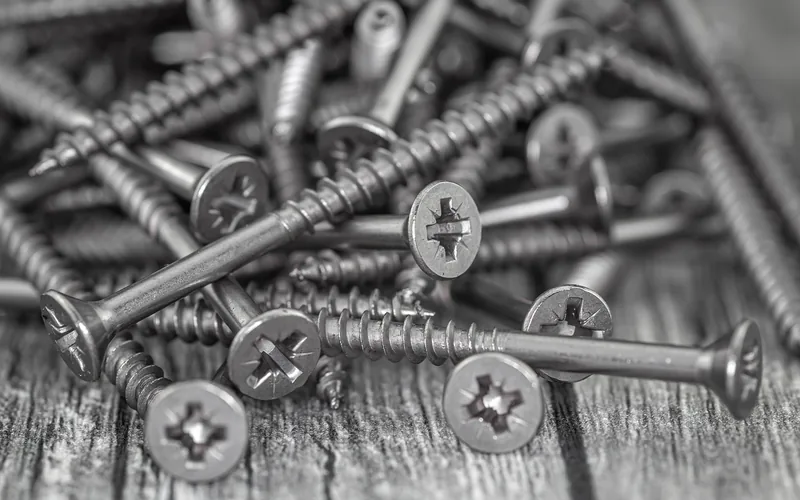
- License plate fasteners: Stainless steel or nylon screws are best to avoid rust.
- License plate frame (optional): Adds style and extra protection.
- Anti-seize or grease: Prevents screws from sticking over time.
- Cleaning cloth: To wipe down the area for a clean install.
Tip: Visit AutoZone or O’Reilly Auto Parts for affordable fasteners. Stainless steel ones cost about $5-$10 for a pack.
Best License Plate Fastener Pick
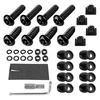
YALOK Anti-Theft License Plate Screws Kit – $8.88
Sized M6 (1/4″), the exact fastener size this guide’s Step 3 tells you to check for — and the tamper-proof hex button head is the anti-theft screw style our FAQ recommends to deter plate thieves.
- Best for: drivers who want real anti-theft security, not just a frame
- Why we picked it: 304 stainless steel resists the rust this guide warns rusty screws cause, and the tamper-proof cap matches the Allen/Torx anti-theft style covered above
- Main drawback: removal requires the included proprietary bit — misplace it and a locksmith-style tool is needed
Compare more license plate fastener options
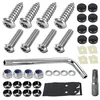 Option 1 Karuzka Anti-Theft License Plate Screws – $4.99
|
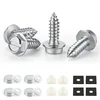 Option 2 LivTee Rustproof Mounting Screws – $5.99
|
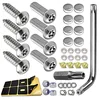 Option 3 ZXFOOG Anti-Theft Bolts, Chrome Caps – $13.99
|
As an Amazon Associate we earn from qualifying purchases.
Step-by-Step Guide to Install License Plate Fasteners
Here’s how to install license plate fasteners in six easy steps. It’s a piece of cake, even if it’s your first time!
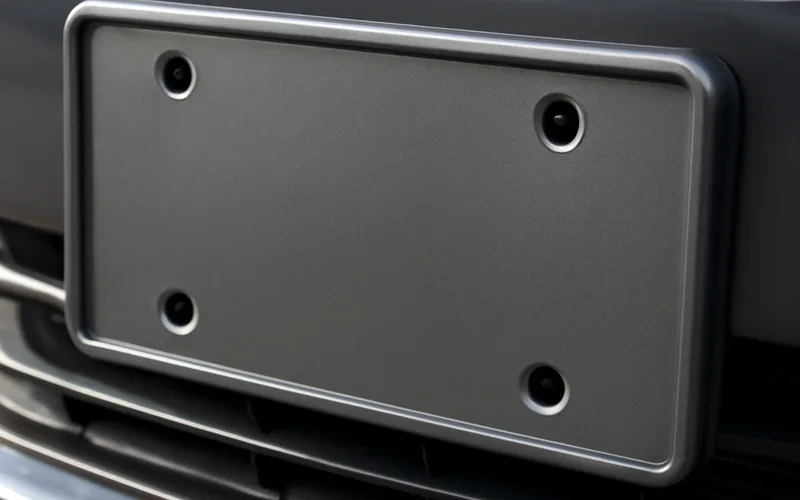
- Check your vehicle’s mounting area: Look for pre-drilled holes on your car’s bumper or trunk. Most cars have two or four threaded holes. If there are none, you might need a license plate bracket.
- Line up the license plate: Hold your plate against the mounting area. Make sure the holes on the plate match the vehicle’s holes. If you’re using a frame, place it behind the plate.
- Choose the right fasteners: Use stainless steel screws for durability or nylon for plastic bumpers. Check the size (usually M6 for most cars). My first try? I used the wrong size—total flop!
- Insert the fasteners: Place a screw through the plate’s hole. If the vehicle’s holes aren’t threaded, use a square nut on the back (inside the bumper). Tighten by hand first.
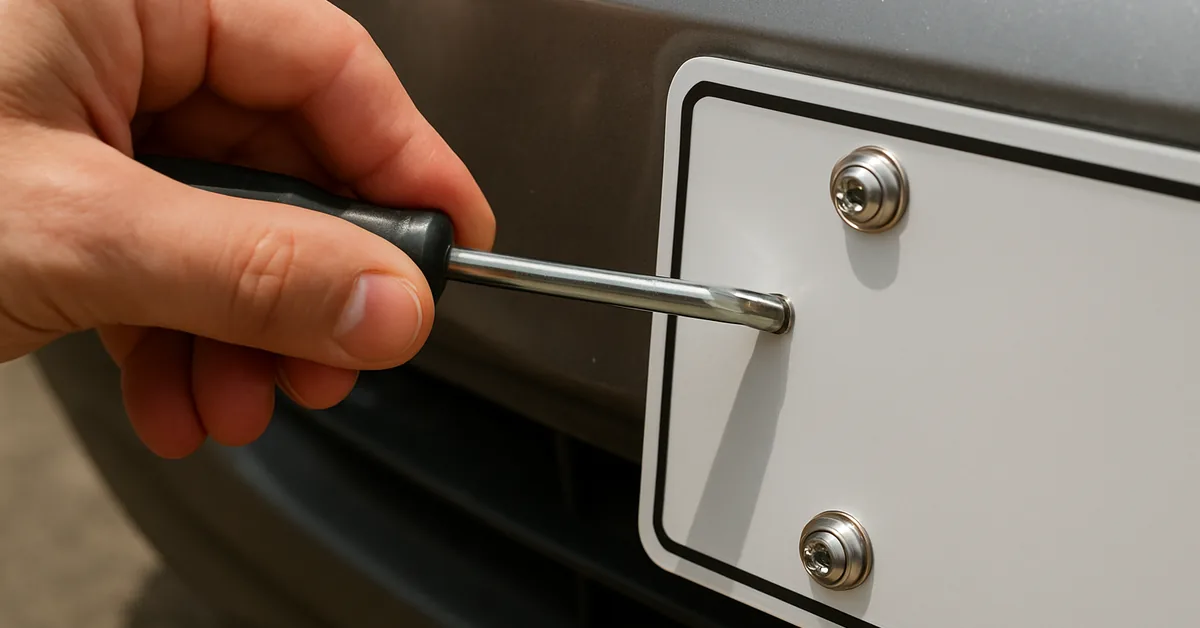
- Tighten with a screwdriver: Use a screwdriver or Allen wrench to secure the screw. Don’t overtighten—it can strip the threads or crack the plate. Snug is enough!
- Double-check and clean: Ensure the plate is secure and doesn’t wobble. Wipe the area with a cloth for a polished look.
Benefits of Proper License Plate Fasteners
Using the right fasteners keeps your plate secure and your car legal. Here are some perks:
- Prevents theft: Anti-theft screws (like Allen or Torx heads) make it harder for thieves to steal your plate.
- Saves money: A $5 pack of screws avoids costly fines for a missing plate.
- Looks great: A tight, clean install boosts your car’s style.
On the flip side, cheap fasteners can rust, and overtightening can damage your plate. Always check your work!
Common Mistakes to Avoid
I’ve made plenty of mistakes installing license plates, so learn from me! Here are pitfalls to dodge:
- Using rusty screws: They look bad and are hard to remove later. Go for stainless steel.
- Overtightening: This can strip threads or crack your plate. Be gentle!
- Wrong fastener size: Check your car’s manual or test-fit screws first.
Pro Tip: Apply a dab of anti-seize on screws to make future removal a breeze. I learned this after struggling with stuck bolts!
Comparing Fastener Types
Not all fasteners are the same. Here’s a table to help you choose:
| Fastener Type | Pros | Cons | Cost |
|---|---|---|---|
| Stainless Steel Screws | Rust-resistant, durable | Slightly pricey | $5-$10 |
| Nylon Screws | Great for plastic bumpers, cheap | Less secure for theft | $3-$7 |
| Anti-Theft Bolts | Hard to remove without special tools | Need specific wrench | $10-$20 |
Caption: This table compares common license plate fasteners to help you pick the best for your car.
Cost-Saving Tips for License Plate Installation
Installing license plate fasteners doesn’t have to break the bank. Here’s how to save:
- Shop smart: Check Home Depot for bulk screws at low prices.
- Reuse existing holes: Most cars have threaded holes, so you may not need extra hardware.
- DIY bracket fix: If your car lacks holes, use adhesive brackets instead of drilling (about $10).
A quick pre-purchase checklist works just as well: bring your old screws (or plate) to the store so you can size-match on the spot, rather than guessing and making a second trip.
Alternative Approaches
Not every car is the same. Here are other ways to secure your plate:
- Adhesive brackets: Great for bumpers without holes. Many EVs and bumper-cover-only front ends use adhesive-backed brackets instead of drilled holes.
- Zip ties: A quick fix for trailers, but not legal for cars in most states.
- Rivnuts: For a permanent solution, drill and install rivnuts for extra strength.
Note: Check your state’s laws—some require front and rear plates, and zip ties might get you a ticket!
Personal Insights from My Experience
I’ve installed plates on everything from a beat-up sedan to a shiny new SUV. My biggest lesson? Always double-check the fastener size. Once, I bought screws that were too short, and the plate fell off on the highway—embarrassing! Also, I love using clear plastic frames for a sleek look. They’re cheap (about $5) and protect the plate from scratches. If you’re in a state like Wisconsin that requires front plates, take your time to make it look clean—it’s worth it.
Fastener Maintenance Tips
Keep your license plate fasteners in top shape with these tricks:
- Check yearly: Look for rust or looseness, especially after winter.
- Use grease: A little anti-seize prevents stuck screws.
- Replace as needed: Swap out rusty screws before they cause trouble.
Here’s a quick cost comparison for maintenance:
| Task | Cost | Time |
|---|---|---|
| Check Fasteners | Free | 5 minutes |
| Apply Anti-Seize | $3-$5 | 2 minutes |
| Replace Screws | $5-$10 | 10 minutes |
Caption: This table shows how easy and cheap it is to maintain your license plate fasteners.
Apply anti-seize sparingly to just the threads before installing — a thin coating is enough to prevent galvanic corrosion between stainless screws and an aluminum bumper without attracting extra road grime.
Frequently Asked Questions
Can I Use Any Screws for My License Plate?
Most cars need M6 screws, but check your vehicle’s manual. Stainless steel or nylon screws work best. Avoid random household screws—they might not fit or could rust fast.
Do I Need a License Plate Frame?
A frame is optional but adds style and protects your plate. Make sure it doesn’t cover the plate’s numbers or state name to stay legal.
How Do I Install a Front Plate Without Holes?
Use an adhesive bracket or tow hook mount for cars without holes. Follow the adhesive’s instructions and clean the bumper first for a strong hold.
What’s the Best Way to Prevent License Plate Theft?
Use anti-theft bolts with Allen or Torx heads. They need special tools to remove, making theft harder. A clear frame can also deter thieves.
How Tight Should I Make the Screws?
Tighten until snug, but don’t force it. Overtightening can strip threads or crack the plate. Check for wobbling and adjust if needed.
Can I Reuse Old Fasteners?
If they’re not rusty or stripped, you can reuse them. Clean them and add anti-seize to make future removal easier.
Are Zip Ties Okay for License Plates?
Zip ties are a temporary fix, often for trailers. Most states require secure screws for car plates to avoid fines.
Conclusion
Installing license plate fasteners is a quick, easy way to keep your car legal and looking sharp. With a screwdriver, the right screws, and a few minutes, you can do it like a pro. Avoid my rookie mistakes—like using rusty screws—and you’ll be set. Try it out on your car or truck, and share your tips with friends. Got a cool plate or a funny install story? Drop it in the comments—I’d love to hear it! Let’s hit the road with confidence!
Sponsored / affiliate links. As an Amazon Associate I earn from qualifying purchases. I may earn additional commission from eligible campaigns.