How to Align a Fence Gate Latch So It Closes Without Forcing
Fix the gate first if it sags, racks, or drags; adjust the latch or keeper only after the gate hangs plumb and closes by hand. Skip that order and the latch binds harder, the hinge side wears faster, and the gate can swing open again. This guide shows how to diagnose rubbing, missed strikes, and forced closures, then adjust the right part in the right order.
Why a gate latch won’t close cleanly
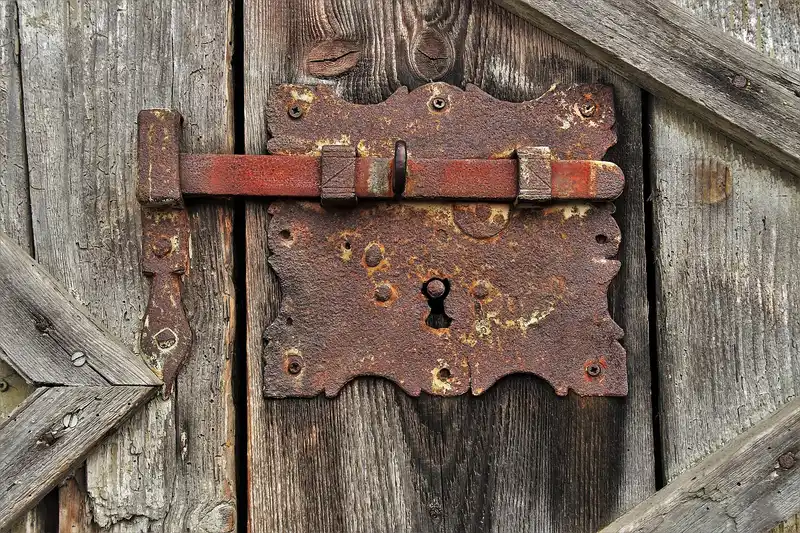


A fence gate can fail in three different ways: it may not close, it may close but miss the keeper, or it may latch only when forced. Those are separate problems. A spring latch does not necessarily close the gate, and a self-latching gate still needs compatible self-closing hinges or a separate closer for hands-free closing.
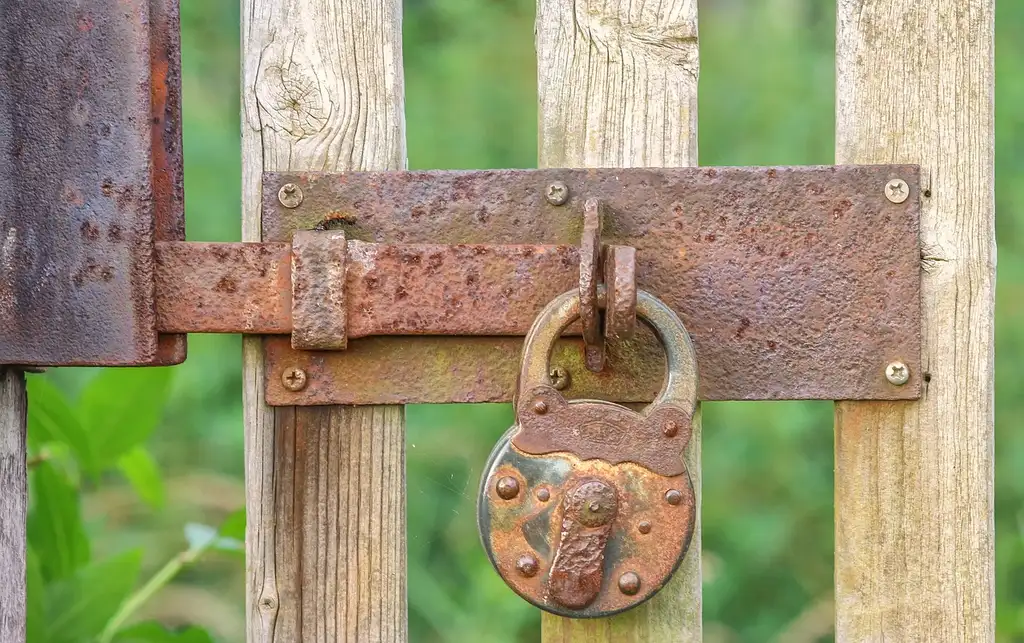
Start by identifying the latch type. Common types include manual latches, spring-loaded latches, gravity latches, butterfly latches, and magnetic latches. Some release from one side only, some from both sides, and some accept a padlock or lockable hasp. The right fix depends on which motion fails: closing, latching, or locking.
Common failure signs
Rubbing usually points to height or angle error. Binding often points to a gate that is out of square, a loose hinge, or a post that has shifted. Missed strikes and bounce-back usually point to keeper position, gap mismatch, or a closer that is too weak for the latch style.
Use the symptom first. Then decide whether the latch, striker, hinge, or post needs work.
Fence gate latch troubleshooting matrix

This table separates the fast fix from the repair that will not hold. If the stop condition shows up, fix the hinge or post before you keep adjusting hardware.
| Symptom | Likely cause | Exact adjustment | Tool needed | Stop / fail condition |
|---|---|---|---|---|
| Latch misses keeper by about 1/4 inch high | Keeper mounted too low or gate has slight sag | Move keeper up by a small amount and recheck with gate fully closed | Tape measure, screwdriver or wrench | Gap changes between openings, which points to sag or post movement |
| Latch misses keeper by about 1/4 inch low | Keeper mounted too high or hinge side dropped | Lower keeper slightly, then test slow-close and full-close | Tape measure, drill, pilot bit | Latch position changes every cycle, so hinge repair comes first |
| Gate must slam to catch | Keeper too tight, latch nose misaligned, or closer too weak | Open keeper position a little and check whether the latch enters without force | Wrench, screwdriver | Gate still will not catch with a gentle push, which suggests sag or closer failure |
| Gate only latches when lifted | Hinge sag or worn hinge pins | Adjust or replace hinges before moving the keeper | Level, wrench | Lift is needed every time; keeper adjustment will not hold |
| Latch rubs the keeper face | Keeper too far proud or angle is off | Pull keeper inboard or rotate it so the latch meets squarely | Straightedge, screwdriver | Keeper cannot sit flush because the post surface is damaged or soft |
| Latch bounces open after closing | Spring tension too weak, gate rebounds, or closer is absent | Increase spring tension only within the maker’s limit, then retest | Wrench or screwdriver | Extra tension still will not hold because the gate is out of line |
| Latch will not reach keeper without sideways force | Gate is not square or keeper is offset from latch path | Realign keeper to the latch path; confirm the gate closes flat first | Straightedge, tape measure | Gate frame is racked or post is leaning |
| Latch binds after rain or after sun exposure | Wood swell, vinyl flex, or tight model-specific gap | Recheck the closed gap at latch height and reset keeper position if needed | Tape measure | Gate material keeps changing shape enough that alignment will not stay put |
| Gate opens away from the keeper before catching | Closer or gravity action is weak for the swing direction | Adjust the closer or choose a latch style suited to the swing direction | Wrench, screwdriver | Closer adjustment reaches its limit before the gate closes fully |
| Latch works once, then misses again | Loose fasteners, shifting post, or stripped mounting holes | Refasten into solid structure with outdoor-rated screws or bolts | Drill, pilot bit, wrench | Post or mounting surface is hollow, split, or moving |
Use the table as a decision filter. If the symptom moves with the gate, the gate or hinges are usually the problem. If the symptom stays fixed at the post, the keeper or mounting surface is usually the problem. If neither side holds position, stop adjusting hardware and repair the structure first.
Should you fix the latch or the gate first?
Fix the gate first if it hangs low, twists, or drags at the latch side. A latch adjustment cannot hold against sag or a leaning post. If the gate closes by hand and stays in line, then latch and keeper adjustment is worth trying.
Check hinge looseness and sag
Look at the hinge side with the gate closed. A loose hinge can shift the latch alignment enough to cause rubbing, missed strikes, or a need to lift the gate. Adjustable hinges can correct some sag, but worn screws or bent hardware need repair, not more keeper movement.
Outdoor hinges should be hot-dip galvanized or stainless for exposed installs. Use a level to check the gate edge and a straightedge to see whether the latch stile has dropped or twisted.
Check the post before you move hardware
The post must be sound and structural. Wood posts can rot at the base, metal posts can bend, and vinyl systems can flex at the mounting surface. If the post moves when you open or close the gate, any keeper adjustment will drift out of alignment.
Suppose a gate closes cleanly one day and misses the keeper the next. If the weather did not change the hardware, the post or hinges are a better suspect than the latch itself.
How much gap does the latch need?
There is no single universal gap. Measure the closed gap at latch height with the gate fully shut, and compare that number to the latch model’s stated range. A heavy-duty self-latching model specifies a 3/4- to 1-1/4-inch gap. One cable-latch model allows a 1-1/2 to 4-inch gap.
That means fit matters. If the keeper is too close, the latch can bind. If it is too far away, the latch may only catch when forced or not catch at all.
Check flush, offset, and behind-post layouts
Flush gates close nearly level with the post face. Offset gates sit slightly in or out from the post line. Behind-post gates overlap the opening, so the keeper and latch have to meet through that offset geometry. A behind-post example calls for a gate 1 inch wider than the opening with 6-by-6 posts, or 2 inches wider with 8-by-8 posts.
Measure with the gate held in its normal closed position. Then check whether the latch nose meets the keeper squarely, too high, too low, or too far proud.
How to align the striker and keeper
To align the striker and keeper, close the gate fully, hold it in its normal resting position, and mark the keeper location before drilling. The keeper must meet the latch at the right height, depth, and angle so full engagement happens under normal closure, not only when the gate is forced shut.
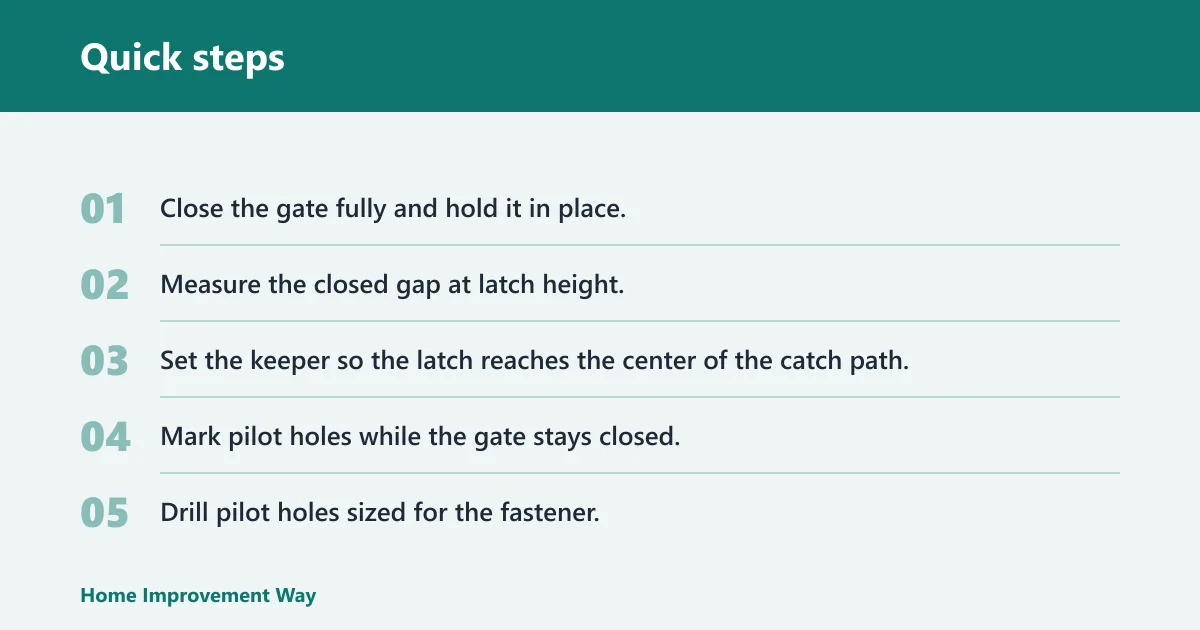
- Close the gate fully and hold it in place.
- Measure the closed gap at latch height.
- Set the keeper so the latch reaches the center of the catch path.
- Mark pilot holes while the gate stays closed.
- Drill pilot holes sized for the fastener.
- Fasten with galvanized or stainless screws or bolts that bite into solid structure.
- Test the latch with a slow close, then a full close.
Use a straightedge if the keeper face needs to sit more squarely to the latch travel. On wood posts, bite into solid wood, not stripped fibers. On vinyl posts, do not rely on hollow skin alone; fasten into the structural insert or backing specified for that system. On metal posts, use corrosion-resistant hardware and correct pilot holes.
Say your latch is a spring-loaded model on a 6-foot wood gate, and it only catches when the keeper is shifted upward by a small amount. If the gate stays square after you shift the keeper and the gap matches the model’s range, that is a keeper correction. If the same miss returns after two open-close cycles, the hinge side is still moving.
Can a self-latching gate work without a closer?
Sometimes it can catch, but not reliably enough for hands-free use. A self-latching gate still requires compatible self-closing hinges or a separate closer if you want the gate to shut and latch on its own. A gate spring latch does not necessarily close the gate, and the closer is a separate function from the latch.
When a closer is needed
If the gate stops short of the keeper, rebounds open, or needs a push to finish the last inch, the closer is part of the fix. A documented spring gate closer uses a gate spring, which is distinct from a latch. One 10-inch adjustable gate spring mounts between the post and gate, and Barrette’s 10-inch spring instructions specify a maximum adjustment of three increments.
Do not keep cranking spring tension past the maker’s limit. If the hardware has reached its adjustment limit and the gate still will not close properly, the problem is likely geometry, not force.
Match the latch to the swing direction
Gravity latches vary by swing direction and may need a separate closer. That matters on gates that swing one way for access and another way for safety. The latch must be chosen for the direction the gate actually travels, not for the direction you wish it traveled.
On pool gates, pedestrian gates should open away from the pool. That requirement is not universal for every fence, but it matters where pool access rules apply.
Final test after adjustment
Test the gate after every change. A repair is not finished until the latch closes without forcing it through several cycles. Use a slow-close, full-close, slam-close, release, and repeated-cycle test before you consider it fixed.
Use a repeatable check sequence
First, close the gate slowly. The latch should enter the keeper without side pressure. Next, close it at normal speed. It should catch cleanly. Then close it with a firmer motion. The keeper should still catch without bouncing open.
Open the gate and release it from the usual starting point if it is self-closing. Repeat the cycle several times. If the latch only works on the first cycle, the post may be shifting, the hinges may be loose, or the closer may be uneven.
A common first-timer mistake is adjusting the keeper until it catches once, then stopping. That misses the problem if the gate settles after three or four swings.
When to stop adjusting and repair instead
Stop if the latch alignment changes with weather, the gate needs lifting by hand, or the post leans enough to move the keeper path. At that point, more shimming will not stay in place. Repair the hinges, post, or gate frame first, then return to the latch.
Frequently asked questions
Why won’t my fence gate latch without forcing it?
It usually means the gate is out of line, the keeper is set too close or too far away, or the latch style does not match the swing. Check sag, hinge looseness, and post movement first. If the gate closes by hand but misses the keeper, adjust the keeper position next.
How do I align a gate latch with the striker?
Close the gate in its normal position, hold it there, and mark the keeper location before drilling. The latch should meet the keeper at the right height and angle without side pressure. Use a straightedge to confirm the latch path is square to the keeper face.
Should I fix the latch or the sagging gate first?
Fix the gate first. A sagging gate can make a good latch fail every time, and any keeper adjustment will drift out of place. Tighten loose hinges, repair stripped fasteners, and confirm the gate hangs plumb before you move the keeper or change spring tension.
How much gap should a gate latch need to close properly?
Measure the closed gap at latch height with the gate fully shut. The correct gap is model-specific. A heavy-duty self-latching model specifies 3/4- to 1-1/4-inch, while one cable-latch model allows 1-1/2 to 4 inches. Match the hardware to the actual opening.
Can a self-latching gate work without a gate closer?
It may latch by hand, but it will not reliably close itself unless the hinges are self-closing or a separate closer supplies closing force. A self-latching gate still needs compatible closing hardware for hands-free operation. If the gate rebounds or stops short, add closer support or retune it.
What do I check if the latch works only when I lift the gate?
That points to hinge sag or worn hinge hardware. A keeper adjustment will not hold if the gate drops when it swings. Check hinge tightness, hinge condition, and post movement first. If the gate needs lifting every time, repair the hinge side before touching the latch.
Sponsored / affiliate links. As an Amazon Associate I earn from qualifying purchases. I may earn additional commission from eligible campaigns.
 Luontgom 50 Pack Brick Clips for Hanging Outdoors, Stainless Steel Brick Hooks Wall Clips, No Drilling Required, Require Over 1/8" Brick Gap, Fits 2-1/4 to 2-2/5 Inch Bricks, Silver
 6 Pack Fence Post Repair Kit, Heavy Duty Steel Ground Spike Anchor for Fixing Leaning or Broken 4x4 & 6x6 Wood Posts, No Dig Drive-in Support for Yard, Garden & Fence