What Finish Is Best for Kitchen Cabinet Hardware?
For most kitchens, brushed nickel is the safest finish: it hides fingerprints better than polished finishes, works with warm or cool cabinets, and holds up well. Choose matte black on light cabinets for sharper contrast, and use polished chrome only if easy wipe-downs matter most. The wrong finish can look muddy against the cabinet color, show grime fast, or clash with the room’s style. This guide matches finish to cabinet color, traffic level, and how much maintenance you want.
Picking finishes by cabinet color and coating type
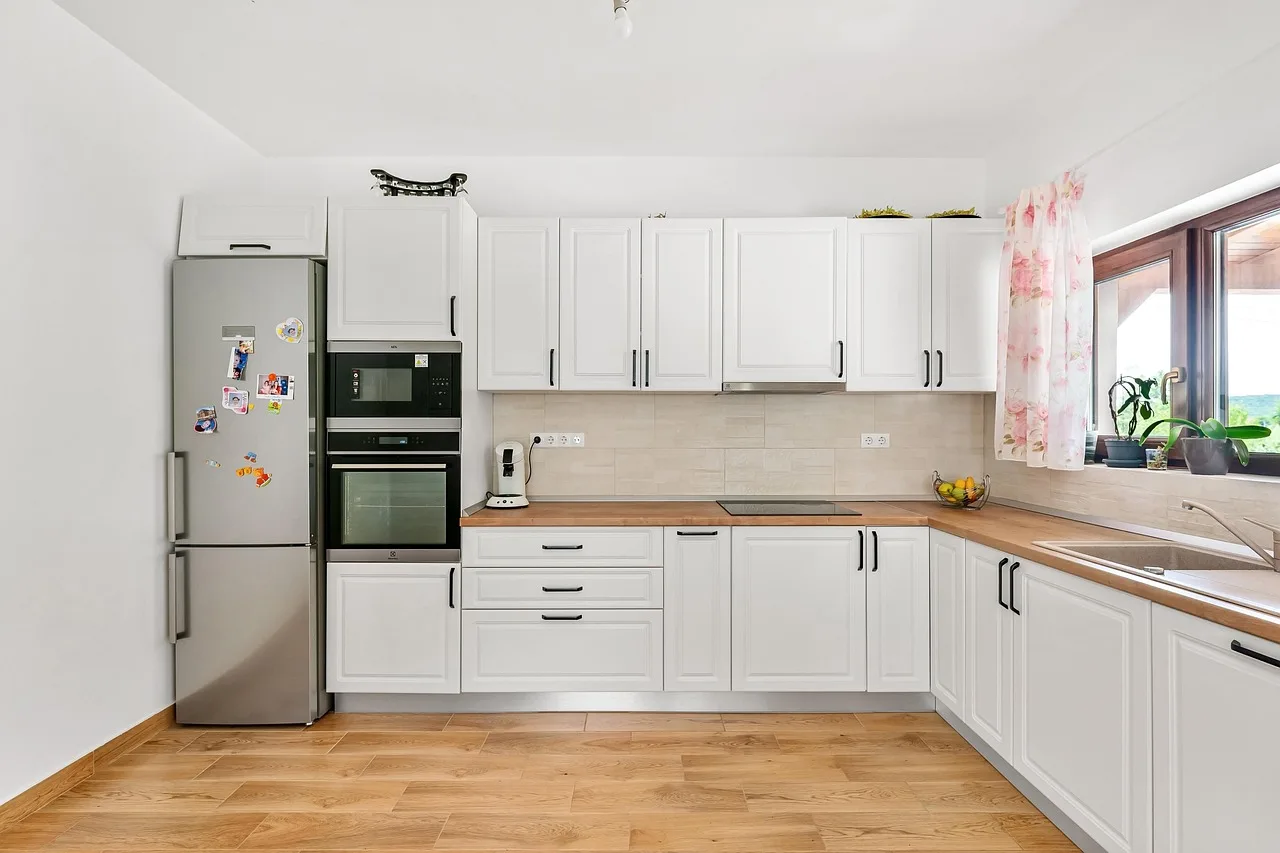


Brushed nickel is often a solid all-around starting point for many homeowners. It has a soft satin sheen, sits quietly on white, wood, or painted cabinets, and usually hides fingerprints better than polished finishes. It also fits transitional kitchens because it lands between warm and cool tones.
Matte black is the clearer visual choice when you want contrast, especially on white or light painted cabinets. Satin brass and aged brass bring warmth and work well with cream cabinetry and many wood tones. Oil-rubbed bronze suits traditional and rustic kitchens, while polished nickel reads more reflective and formal.
How to choose by cabinet color
White cabinets usually need either contrast or warmth. Dark hardware gives the sharpest outline, while brushed nickel softens the look without disappearing. Wood cabinets usually need a finish that works with the grain rather than fighting it, so warm metals often look more natural than cool, high-contrast finishes. Dark cabinets can handle bold contrast, but they also make fingerprints and wear easier to notice on some finishes.
How coating type changes performance
Finish name matters, but coating type matters too. Plated and lacquered finishes can look refined at first, yet thin top layers may show wear faster on high-touch drawer pulls. Powder-coated matte finishes often hide glare well, though quality varies by brand and a rougher surface can catch dust. PVD-like coatings are often chosen for better wear resistance, but you should still check the manufacturer’s listing for the exact coating and care instructions.
Kitchen hardware finish decision matrix
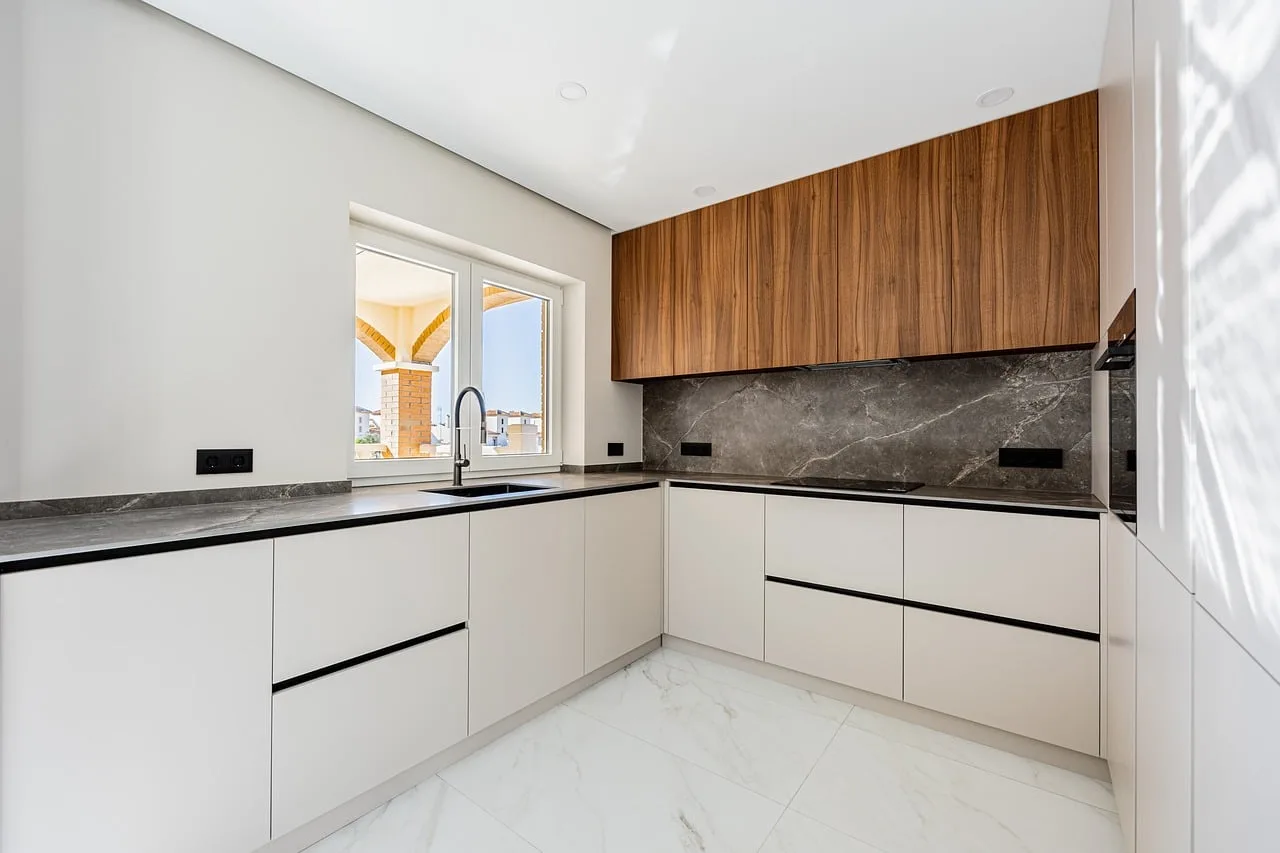
This matrix uses a simple 1-to-5 score for each finish, where 1 is the weakest performance and 5 is the strongest. The criteria are fingerprint visibility, cleaning effort, style versatility, warmth, and wear visibility. A higher score means a finish is generally easier to live with under that criterion.
| Finish | Fingerprint visibility | Cleaning effort | Style versatility | Warmth | Wear visibility | Best fit at a glance |
|---|---|---|---|---|---|---|
| Brushed nickel | 4 | 4 | 5 | 3 | 4 | White cabinets, transitional kitchens, stainless appliances |
| Matte black | 3 | 3 | 4 | 2 | 3 | Modern kitchens, white cabinets, strong contrast |
| Polished nickel | 2 | 2 | 4 | 4 | 2 | Traditional and transitional kitchens, brass and marble nearby |
| Satin brass / aged brass | 3 | 3 | 4 | 5 | 3 | Wood cabinets, cream cabinetry, warm kitchens |
| Oil-rubbed bronze | 4 | 3 | 3 | 5 | 3 | Traditional and rustic rooms with warmer palettes |
| Polished chrome | 2 | 5 | 3 | 2 | 2 | Very clean, reflective look when frequent wiping is acceptable |
Fingerprint visibility
Fingerprints show most clearly on polished and highly reflective finishes. That includes polished chrome and polished nickel, especially on larger pulls near sinks, dishwashers, and trash pull-outs. Matte black can also show dust, hard-water spotting, or hand oils depending on the coating quality. Brushed nickel usually hides daily marks better because the directional sheen breaks up smudges.
Cleaning effort and maintenance
If you want an easy wipe-down routine, polished chrome is often one of the least fussy surfaces. The tradeoff is that you will usually see every smudge. Brushed nickel and satin brass sit in the middle: they are not maintenance-free, but they are forgiving enough for busy kitchens. Oil-rubbed bronze and matte black can look clean longer from a distance, yet small spots may stand out when light hits them directly.
Style versatility, warmth, and wear visibility
Brushed nickel scores high on versatility because it works in modern, transitional, coastal, and many traditional kitchens. Satin brass and aged brass score highest for warmth, which matters when cabinets are cream, beige, oak, walnut, or other warm woods. Wear is often easiest to notice on dark, thinly coated finishes and on high-touch drawer pulls, where edge wear can appear before the center of the handle looks tired.
What finish is best for white cabinets?
White cabinets give you the most room to choose. Brushed nickel is the safest default because it adds shape without overwhelming the cabinetry. Matte black is the best pick when you want strong contrast and a more modern look. Satin brass works when you want warmth, especially in kitchens with cream walls, natural wood floors, or warm lighting.
High-contrast looks
On white cabinets, matte black creates the clearest outline. That can help in modern, farmhouse, or crisp transitional kitchens where you want the hardware to read as a design feature. Polished nickel can also look sharp, but it tends to feel more reflective and can ask for more cleaning.
Softer transitional options
If you want the hardware to blend rather than announce itself, brushed nickel is usually the easiest choice. It softens the look of white cabinets and still reads intentional. Polished nickel can work too, but it is better when the kitchen already has polished or reflective details nearby.
When to choose warmer metal tones
Choose satin brass or aged brass when white cabinets lean creamy rather than stark. The warmer tone keeps the room from feeling flat. This is especially useful if the kitchen includes wood shelves, warm floors, or brass lighting already in the room.
What finish works best on wood cabinets?
Wood cabinets usually look best with finishes that respect the grain and cabinet undertone. Satin brass, aged brass, and oil-rubbed bronze often fit naturally because they add warmth without making the wood feel cold. Brushed nickel can work on cooler wood tones or in mixed-material kitchens, but it is not always the softest match.
Warm metals that complement grain
Warm metals tend to support oak, walnut, cherry, hickory, and other wood cabinets that already lean golden or brown. Satin brass adds brightness, while oil-rubbed bronze creates a quieter, darker connection. Polished nickel can also work if the room has marble, glass, or other reflective elements that keep the space from feeling too heavy.
Finishes that can look too cool
Brushed nickel and polished chrome can look out of place on some warm woods because they pull the eye toward a cooler, more technical feel. That is not always wrong, but it can reduce the sense of cohesion. If the wood is already cool-toned or gray-brown, brushed nickel becomes easier to justify.
Matching the undertone of the wood
Look at the cabinet tone in daylight and under evening lighting. If the wood reads warm, use warm hardware. If it reads muted or gray-brown, nickel finishes become more flexible. Say your cabinets are medium oak and the room also has stainless appliances. Brushed nickel can bridge the cabinet tone and the appliance finish without making the room feel overly formal.
What finish suits dark cabinets?
Dark cabinets can look dramatic, but they can also feel heavy if the hardware has too little contrast. Matte black blends in and can look sleek in modern kitchens, while brushed nickel and polished nickel give the eye a clear break. Satin brass adds warmth and can keep dark cabinetry from feeling flat or severe.
Avoiding a flat, heavy look
When cabinets are dark espresso, charcoal, or navy, a finish that disappears completely can make the hardware feel lost. That may be fine in a minimalist kitchen, but many rooms need a visible handle line to keep the cabinet faces from looking like one large block.
Using contrast with matte black or nickel
Matte black works best when the cabinet color is light enough to show the handle shape. On dark cabinets, brushed nickel or polished nickel usually gives clearer definition. If you want a lower-shine finish, brushed nickel is often easier to live with than highly reflective nickel.
When brass adds needed warmth
Brass finishes can save a dark kitchen from feeling cold. Satin brass and aged brass both work well with dark blue, green, black, and deep brown cabinets, especially when the room includes warm wood floors or soft white walls. A common first-time mistake is choosing a cool finish for dark cabinets and then wondering why the kitchen feels visually stiff.
Cabinet hardware finish types explained
Brushed nickel
Brushed nickel has a soft satin sheen and is a common transitional choice. It hides fingerprints better than polished finishes and pairs well with stainless appliances because the tones are close without being identical. It is a good default when you want a practical, adaptable finish.
Matte black
Matte black has a low-gloss finish that creates strong contrast on light cabinets and looks at home in modern kitchens. Depending on the coating, it can show dust and hard-water spotting. Quality matters here, because very thin coatings may show wear faster on edges and on the most touched drawer pulls.
Polished nickel
Polished nickel reads more premium and traditional than brushed nickel. It has a warmer reflective look and pairs well with brass and marble. It also asks for more care than satin finishes because marks and wear are easier to notice on the reflective surface.
Satin brass and aged brass
Satin brass and aged brass bring warmth without the glare of polished brass. They work in traditional kitchens and updated kitchens alike, and they often coordinate well with warm woods and cream cabinetry. Does polished brass work on cabinet hardware? Yes, but it is usually less forgiving than satin or aged brass and can feel brighter than many homeowners expect.
Oil-rubbed bronze
Oil-rubbed bronze has a dark brown-black appearance that leans traditional or rustic. It works best with warmer palettes. Brand variation can be significant, so one manufacturer’s bronze may look nearly black while another’s may read more brown. Check the listing photos and finish description closely before matching it to other fixtures.
Cabinet hardware sizes and mixed finishes
Hardware type changes the visual effect as much as finish. Knobs feel smaller and more traditional. Pulls create a stronger horizontal line and are usually more noticeable, especially on wide drawers. Handle span and knob diameter matter because larger hardware makes a finish look bolder, while smaller pieces let the cabinet color dominate.
Knobs versus pulls
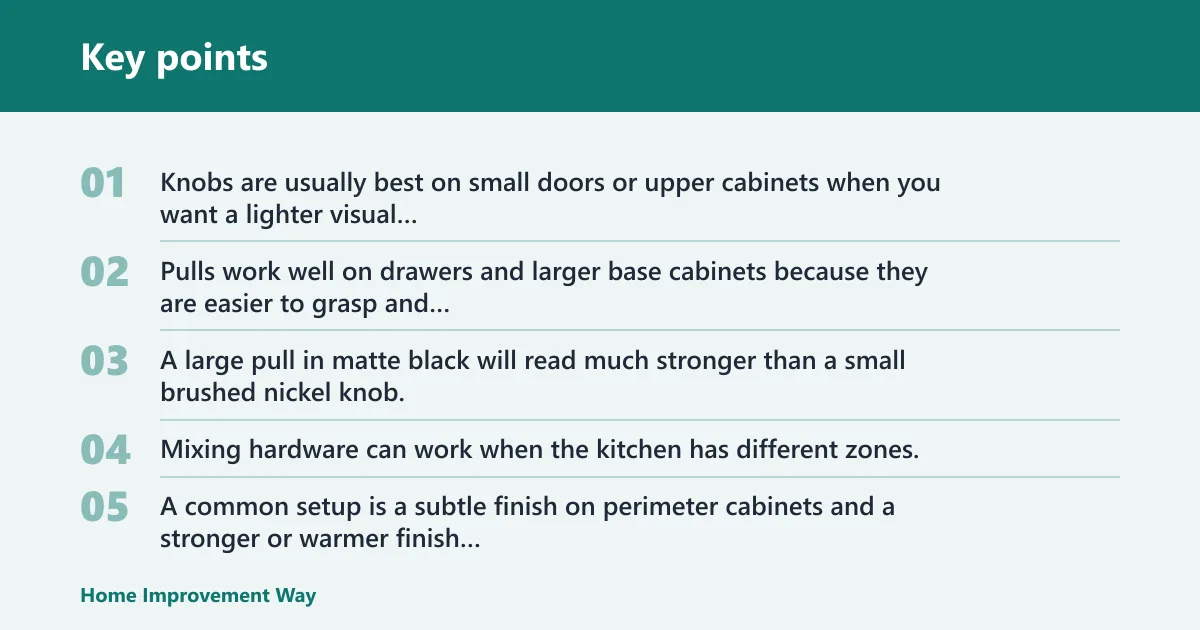
Knobs are usually best on small doors or upper cabinets when you want a lighter visual touch. Pulls work well on drawers and larger base cabinets because they are easier to grasp and give the room a cleaner line. A large pull in matte black will read much stronger than a small brushed nickel knob, even in the same kitchen.
When to mix hardware within one kitchen
Mixing hardware can work when the kitchen has different zones. A common setup is a subtle finish on perimeter cabinets and a stronger or warmer finish on the island. That approach makes sense when the island is meant to stand out, or when appliance-adjacent cabinets need a more durable, easy-to-clean finish than decorative uppers.
How size changes the visual effect
Use larger pulls sparingly on tall pantry doors or wide drawers if you want the finish to stay balanced. Oversized hardware in polished nickel can look formal fast, while oversized matte black can feel architectural. Smaller hardware lets the cabinet color carry more of the visual load.
Picture a white perimeter with a walnut island. Brushed nickel on the perimeter and satin brass on the island can work if the brass appears elsewhere in the room, such as pendant lights or a faucet. Keep the combination intentional, not random.
Frequently asked questions
What finish is best for kitchen cabinet hardware?
Brushed nickel is the strongest all-around choice for many kitchens because it hides fingerprints better than polished finishes, works with both warm and cool cabinetry, and pairs well with stainless appliances. If you want stronger contrast, matte black is the next best option for light cabinets.
What is the most popular finish for kitchen cabinets?
Brushed nickel remains one of the most common finish choices because it is easy to place in transitional kitchens and forgiving in daily use. Matte black and brass have become very visible in current design, but brushed nickel still wins on versatility and low-drama coordination.
Should cabinet hardware match faucets and appliances?
Match them when you want a calm, unified look, but you do not need identical metals everywhere. A practical rule is to keep the undertone consistent. For example, brushed nickel hardware can sit comfortably beside stainless appliances, while warm brass hardware should feel intentional near brass faucets or lighting.
Which cabinet hardware finish hides fingerprints best?
Brushed nickel usually hides fingerprints better than polished nickel or polished chrome because its soft sheen breaks up marks. Matte black can hide prints from a distance, but some coatings show dust, spotting, or edge wear more quickly. The exact result depends on coating quality.
What cabinet hardware finish is easiest to clean?
Polished chrome is often the easiest to wipe clean because its surface is smooth and reflective. The tradeoff is that it also shows smudges quickly. If you want an easier surface without constant wiping, brushed nickel is usually a better balance for busy kitchens.
Can I mix cabinet hardware finishes in the same kitchen?
Yes, if the mix has a clear logic. Many kitchens use one finish on the perimeter and another on the island, or a stronger finish on prominent drawers and a quieter one on upper cabinets. Keep the finishes in the same general temperature family so the room does not feel patched together.
Sponsored / affiliate links. As an Amazon Associate I earn from qualifying purchases. I may earn additional commission from eligible campaigns.