Brushed nickel vs chrome: which finish should you choose?
Choose brushed nickel if you want less visible water spotting and a softer match with mixed metals; choose chrome if you want the brightest, easiest-to-coordinate finish and you clean it often. Pick the wrong one and you can end up with constant wipe-downs or hardware that clashes with your faucet and appliances. This guide compares upkeep, moisture resistance, stainless-steel pairing, and room-by-room use for kitchens and bathrooms.
Brushed nickel vs chrome: the core trade-off

The choice comes down to shine versus forgiveness. Polished chrome is shiny and bright, with a slightly blue tint, and it usually costs less. Brushed nickel often has a more matte look, with a softer yellowish or whitish sheen, and it may hide fingerprints and water spots somewhat better.
| Decision factor | Brushed nickel | chrome: which finish should you choose | Winner |
|---|---|---|---|
| Visual effect | Soft matte appearance, warmer look | Shiny, bright, slightly blue tint | chrome: which finish should you choose |
| Water spots and fingerprints | Usually hides both better | Shows both more clearly | Brushed nickel |
| Cleaning burden | Lower daily wipe-down pressure, but finish varies by maker | Easy to clean, but spots show faster | Tie |
| Stainless-steel coordination | Usually the better match | Can work, but often reads cooler | Brushed nickel |
| Typical price | Usually a little more | Usually the most affordable finish | chrome: which finish should you choose |
Visual effect
Chrome wins if you want a bright focal point. Brushed nickel wins if you want a softer surface that blends into the room instead of throwing back every light source. Under LED cans, chrome can look sharper and more reflective, while brushed nickel reads calmer.
Water spots and fingerprints
Brushed nickel is usually the better pick when you want fewer visible fingerprints and less obvious spotting. Chrome can be wiped clean quickly, but mineral residue and smudges stand out more on that mirror-like surface. In hard-water homes, that difference shows up fast.
Cleaning burden
Chrome is easy to clean because dirt sits on the surface and wipes away without much effort. The catch is that it shows every splash line and soap mark sooner. Brushed nickel often looks cleaner between wipe-downs, even though it still needs routine care.
Stainless-steel coordination
Brushed nickel usually matches stainless steel sinks and appliances better because the finishes share a similar muted sheen. Chrome can still work with stainless, especially in a modern kitchen, though the contrast may look a bit sharper. If your sink, refrigerator, and faucet sit in one sightline, that matters.
Price
Chrome has long been known as the most affordable finish, and brushed nickel generally costs a little more than polished chrome. That gap is often small on a single faucet, but it can matter if you are buying a full bath set, cabinet pulls, and shower trim at once.
How each finish looks on faucets and hardware
Brushed nickel reads warm and understated. Chrome reads bright and crisp. The finish you choose should fit the room’s light, cabinet color, and nearby metal surfaces, because a faucet does not stand alone once the pulls, towel bars, and shower trim go in.
Brushed nickel’s warm, softer look
Brushed nickel gives a soft yellow or white shine, which is why it usually looks warmer than chrome. The surface texture also softens reflections, so cabinet hardware and faucets feel less stark against wood vanities, beige tile, or cream paint.
Chrome’s bright, cooler look
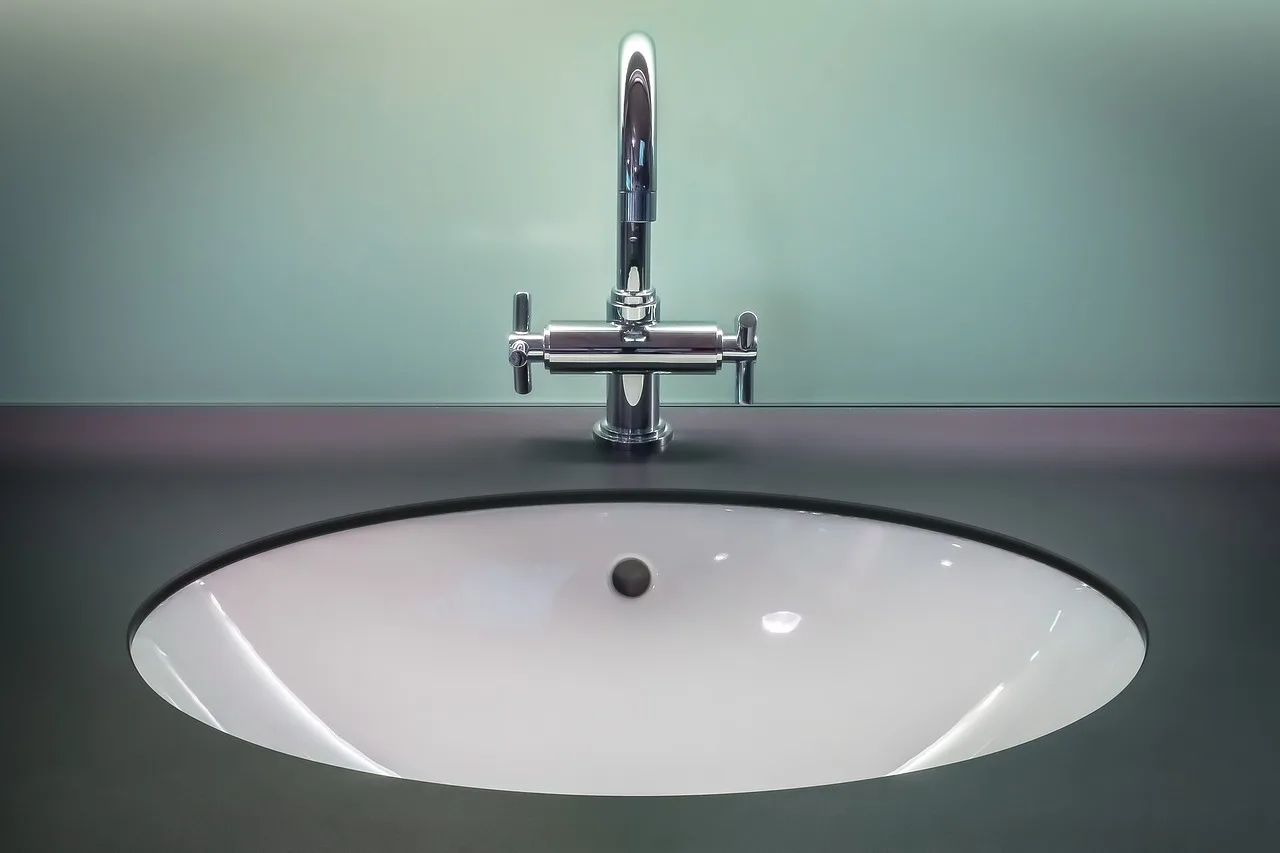
Chrome plating gives metal a slightly blue tint, and that cool tone can sharpen a modern bath or kitchen. It works well when you want strong contrast against dark tile, white cabinets, or a black-and-white scheme.
How lighting changes the appearance of each finish
Warm bulbs can make brushed nickel feel even softer. Cool daylight bulbs can make chrome feel colder and more reflective. In a bath with a large window, chrome may sparkle during the day and look busier at night under bright vanity lights.
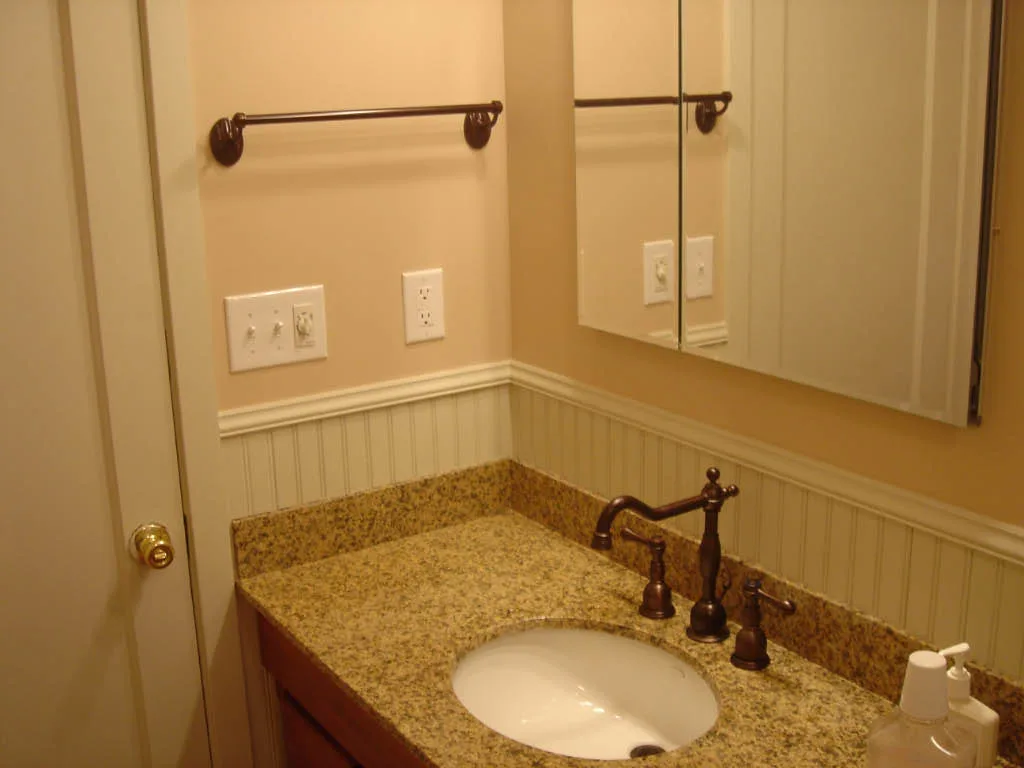
Which finish is easier to clean and keep looking good?
Brushed nickel is usually easier to keep looking presentable day to day because it hides fingerprints and water spots better than chrome. Chrome is still easy to wipe clean, but it asks for more frequent attention in kitchens and baths where splashes, soap film, and hard water build up fast.
Fingerprints and water spots
Brushed nickel can be resistant to fingerprints and water spots, so it is better when many hands touch the same lever or pull. Chrome shows both more readily, especially on faucet handles and towel bars that get used all day. A soft cloth and mild soap usually handle both finishes.
Hard water, soap film, and daily wipe-downs
In hard-water homes, chrome makes dried droplets obvious quickly. That does not mean it is hard to care for; it means the cleaning cycle is more visible. If you want a finish that forgives a missed wipe, brushed nickel usually has the edge.
What humid bathrooms can do to brushed nickel
Humidity changes the calculation. Brushed nickel can develop a milky white tarnish, particularly in humid bathrooms, so it needs proper ventilation and routine drying. Chrome is less likely to show that same issue, which is one reason it can be a safer pick for a steamy primary bath with weak exhaust.
Is brushed nickel or chrome better for stainless steel kitchens?
Brushed nickel is usually the better match for stainless steel sinks and appliances because the tones and sheen level line up more closely. Chrome can still work in a stainless kitchen, but it reads brighter and more reflective, so the mix looks deliberate only when the rest of the room is equally crisp.
Matching sinks and appliances
If your sink, dishwasher panel, range, and refrigerator already read stainless, brushed nickel helps the faucet and cabinet pulls stay in the same visual family. That matters most in open kitchens, where mismatched metal finishes draw attention from across the room.
When mixed metals still work
Mixed metal can work when one finish is repeated on more than one item. For example, chrome on the faucet can look intentional if the shower trim, towel rings, or pendant details repeat it. One isolated chrome faucet next to brushed pulls often looks accidental.
Cabinet pulls, faucets, and accessory coordination
Pick one main finish for the hardware and repeat it on the faucet, pulls, and towel bars. If you want contrast, limit the second metal to a small accent, such as a mirror frame or a light fixture detail. That reads cleaner than mixing everything evenly.
How the finishes are made matters
These finishes are not just colors. They come from real coating processes applied to a brass substrate, and that explains some of the differences in look, durability, and consistency. The plating method can also affect how closely a fixture matches from one brand to another.
Brass substrates and plating prep
Many faucets start as cast brass. The part is cleaned and polished before plating, because the finish only looks as good as the surface beneath it. If the base metal is not prepared well, the topcoat can reveal defects instead of hiding them.
Electroplating and nickel layers
Electroplating is common in faucet finishing and uses thin metal layers. The faucet is usually first coated with nickel, then finished with the outer surface you see. That underlayer helps build the appearance and performance of the final finish.
Physical vapor deposition and why it changes the final finish
Physical vapor deposition, or PVD, is another thin coating process that can be used on faucet finishes. It can change color and wear behavior because the final surface is built differently from older plating methods. Not every brushed or chrome finish uses the same process, which is part of why the same name can look different by brand.
Why brushed nickel can vary by manufacturer
Brushed nickel appearance varies by manufacturer because coating thickness and plating process affect the color. One brand may look slightly warmer, while another reads more silvery. If you are mixing brands across a kitchen and bath, compare samples in the same light before buying a full set.
Choose brushed nickel if… / choose chrome if…
Choose brushed nickel if you want a finish that hides spotting better, pairs naturally with stainless steel, and suits warm or mixed-metal rooms. Choose chrome if you want the lowest-cost option, the brightest look, and a finish that fits modern spaces with frequent cleaning and strong lighting.
Choose brushed nickel if…
Choose brushed nickel if your kitchen already has stainless appliances and you want the faucet, pulls, and bar pulls to feel coordinated. Choose it for a hall bath that gets steady use but not constant steam. Choose it if you dislike seeing every fingerprint after one guest visit.
Choose chrome if…
Choose chrome if price matters on a full house update. Choose it for a powder room that needs a crisp look and only light use. Choose it for a modern bath with bright tile, cool lighting, and a homeowner who does not mind wiping the faucet more often.
When satin nickel may beat both
Satin nickel is worth considering when you want a look close to brushed nickel but with a slightly more refined, less yellow cast. It can be a strong middle ground for rooms where chrome feels too bright and brushed nickel feels too warm. Ask for samples, because finish names are not perfectly standardized.
Finish decision matrix by room

The room matters as much as the finish. Kitchens bring splashes and stainless appliances. Hall baths get frequent handwashing. Primary baths deal with humidity. Powder rooms see light use and guests. That mix changes which finish makes sense.
| Room | Shine | Water-spot visibility | Cleaning burden | Stainless-steel compatibility | Best-use recommendation |
|---|---|---|---|---|---|
| Kitchen | Brushed nickel: moderate; chrome: high | Brushed nickel: lower; chrome: higher | Brushed nickel: lower daily pressure; chrome: more wipe frequency | Brushed nickel: better with appliances and sink | Brushed nickel for most kitchens; chrome only if you want a very bright look |
| Hall bath | Brushed nickel: soft; chrome: bright | Brushed nickel: lower; chrome: higher | Brushed nickel: moderate; chrome: easy but visible smudges | Brushed nickel: good with common vanity hardware | Brushed nickel for family use; chrome for a sharp, low-cost refresh |
| Primary bath | Brushed nickel: calm; chrome: crisp | Brushed nickel: lower unless humidity is high; chrome: higher | Brushed nickel: moderate, with ventilation needs; chrome: frequent wipe-downs | Brushed nickel: strong with shower trim and pulls | Chrome if humidity is controlled; brushed nickel if you want warmth and mixed-metal flexibility |
| Powder room | Brushed nickel: understated; chrome: bright and reflective | Brushed nickel: low; chrome: medium to high | Brushed nickel: lower; chrome: low-use but more visible marks | Either, depending on nearby finishes | Chrome for a guest-friendly polished look; brushed nickel for a softer, coordinated powder room |
Kitchen
For kitchens, brushed nickel usually wins because it lines up with stainless sinks and appliances and hides daily splashes better. Chrome makes sense when the kitchen is intentionally crisp and you want the faucet to read as a bright design element rather than a background piece.
Hall bath
A hall bath often gets enough traffic that fingerprints matter more than style theory. Brushed nickel is usually easier to live with here, especially on lever handles and cabinet pulls. Chrome still works if the bath is small, bright, and updated on a tighter budget.
Primary bath
In a primary bath, humidity is the deciding factor. If the room runs steamy and the exhaust fan is weak, chrome is often safer because brushed nickel can develop a milky white tarnish in humid bathrooms. If ventilation is good, brushed nickel is often the more balanced choice.
Powder room
Powder rooms are low-use spaces, so the choice is more about presentation than wear. Chrome gives a crisp guest-facing look, while brushed nickel feels softer and blends easily with most vanity hardware. Either can work well if the mirror light and towel bar match the rest of the room.
Frequently asked questions
Is brushed nickel or chrome better for bathroom faucets?
Brushed nickel is usually better for a bathroom faucet if you want fewer visible water spots and fingerprints. Chrome is better if you want the brightest look and the easiest way to keep a small bath feeling crisp. In humid rooms, chrome can also be the safer maintenance pick.
Does brushed nickel hide water spots better than chrome?
Yes. Brushed nickel can be resistant to fingerprints and water spots, so it usually looks cleaner between wipe-downs. Chrome shows dried droplets and smudges more clearly because of its reflective surface. That difference matters most on handles and spouts that get touched all day.
Which finish is cheaper, brushed nickel or chrome?
Chrome is usually cheaper. Chrome has long been known as the most affordable finish, and you should expect to pay a little more for brushed nickel than polished chrome. The gap may be modest on one faucet, but it can add up across a whole bath suite.
Will chrome or brushed nickel match stainless steel appliances better?
Brushed nickel usually matches stainless steel appliances better. It tends to read closer in tone and sheen, so the faucet, sink, and hardware feel more unified. Chrome can still work, but the cooler shine creates a stronger contrast next to stainless surfaces.
Which finish works better in a modern bathroom?
Chrome usually works better in a modern bathroom because it is shiny, bright, and more reflective. That said, brushed nickel can work in a modern space too if you want a softer look or if the room includes warm wood, stone, or mixed metals.
Which finish is easier to clean on faucets and cabinet hardware?
Chrome is easy to wipe clean, but it shows spots fast. Brushed nickel often looks better longer because it hides fingerprints and water spots more effectively. For cabinet hardware, that usually means brushed nickel stays presentable with less frequent polishing.
Does brushed nickel look warmer than chrome?
Yes. Brushed nickel gives a soft yellow or white shine, which usually reads warmer than chrome. Chrome has a slightly blue tint and a brighter surface, so it tends to feel cooler. That temperature difference is one reason finish samples should be viewed in the room itself.
Which finish lasts longer in a humid bathroom?
Chrome is usually the safer choice in a humid bathroom because brushed nickel can develop a milky white tarnish in those conditions. Chrome is also resistant to corrosion, though poor application can still leave it vulnerable to damage. Good ventilation matters for either finish.
Sponsored / affiliate links. As an Amazon Associate I earn from qualifying purchases. I may earn additional commission from eligible campaigns.