Oil-Rubbed Bronze vs Bronze: How to Tell the Difference
Oil-rubbed bronze is often a plated or painted finish over another metal, while actual bronze is a copper alloy; if a scratch shows brass, zinc, or steel, the item is not solid bronze. Mix them up, and you can overpay, mismatch fixtures, or buy hardware that ages differently than expected. This guide gives the fastest checks for color, base metal clues, wear patterns, and finish codes.
| Decision factor | Oil-rubbed bronze | bronze | Winner |
|---|---|---|---|
| Color | Dark brown to near-black, often with copper undertones | Warm reddish-brown | Depends on look you want |
| Edge wear | May lighten on high-contact edges; can reveal copper tones | Wear usually reads like natural aging of the alloy | bronze for fewer finish surprises |
| Base metal | Often brass, steel, or zinc under the finish | Copper-based alloy with tin and sometimes zinc | bronze for solid-metal construction |
| Finish code | Often listed as 10B, US10B, 613, or OB | No common finish code; look for alloy composition | Oil-rubbed bronze |
| Magnet clue | May attract a magnet if the base is steel; brass and zinc usually do not | Usually not strongly magnetic | tie |
| What to ask the seller | Ask for the base metal, finish code, and whether the finish is living | Ask for the alloy content and corrosion resistance details | tie |
Finish and material clues that set the two apart
Oil-rubbed bronze is a finish on another metal, while bronze is the metal itself. That is the fastest way to separate the two before you buy a faucet, pull, knob, or light fixture. If the listing mentions brass, steel, or zinc under a dark brown finish, you are looking at oil-rubbed bronze, not solid bronze.
How the appearance gives you a first clue
Oil-rubbed bronze usually reads dark brown to near-black and may show copper undertones. Bronze usually reads warmer and more reddish-brown. Under store lighting, the difference can be subtle; under neutral light, the finish often looks deeper and flatter than the alloy.
What the material description should say
Bronze is a copper-based alloy, with tin and sometimes zinc added. Oil-rubbed bronze is often applied to brass, steel, or zinc, and manufacturers may create the look by oxidizing, patinating, or hand-rubbing the surface. That process can vary by brand, so the label matters more than the color name alone.
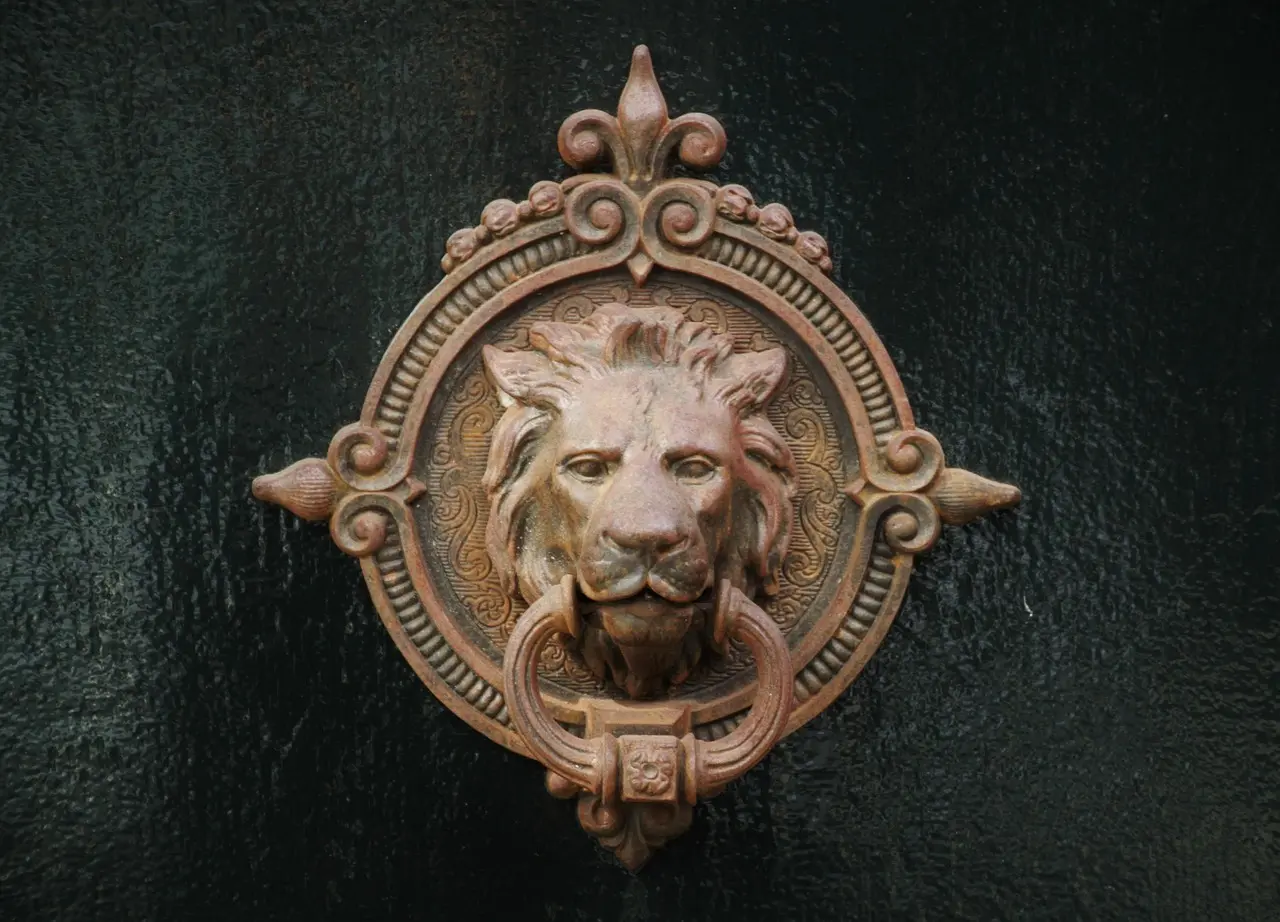
Bronze finish
Use this table as a fast field guide when you are standing in front of two similar fixtures or scanning product photos online. The goal is not a perfect lab ID. It is a reliable enough read to avoid the most common mix-ups before you order.
- Check the color under neutral light, away from warm bulbs.
- Inspect edges, screw holes, handles, and other high-touch spots for wear.
- Read the finish code and base metal on the spec sheet.
- Use a magnet only as one clue, not the final answer.
- Ask the seller whether the finish is living or sealed.
How can you tell them apart in person?
In person, start with color, then inspect worn areas, then read the label. Oil-rubbed bronze is usually darker and less uniform, while bronze looks warmer and more coppery. If the display piece has shiny edges or pale high-touch spots, that points toward a living finish that can change with use.
Look at color under neutral light
Stand back from the fixture and compare it with a true dark brown object and a copper-toned one nearby. Oil-rubbed bronze often looks nearly black until the light catches an edge. Bronze usually stays visibly warm even at a distance.
Check worn edges and high-touch areas
Door levers, cabinet pulls, and bathroom faucets show clues first at the grip points, screw heads, and rim edges. Oil-rubbed bronze can lighten in those spots and reveal copper tones. Bronze may age, but the color change comes from the metal itself, not a top coat wearing thin.
Read the product label and spec sheet
Retail tags, box panels, and online spec sheets should name both the finish and the base metal. If you see 10B, US10B, 613, or OB, you are likely looking at an oil-rubbed bronze finish code. If the description says bronze alloy, copper alloy, or lists tin and zinc, that points to the metal.
Base metal and magnet clue
A magnet can help, but it cannot settle every case. Oil-rubbed bronze hardware may have brass, steel, or zinc under the finish, so a magnet may stick to steel-backed pieces and may not react to brass or zinc. Solid bronze is a metal alloy and is not the same thing as a magnet-friendly steel part with a dark coating.
What the magnet can tell you
If the magnet sticks firmly, the hidden base may be steel. If it does not stick, the piece could still be oil-rubbed bronze on brass or zinc, or it could be bronze. That is why the magnet clue works best as a quick filter, not a final ID.
Why the base metal matters
The base metal affects weight, corrosion resistance, and how the piece will age. Bronze is typically more corrosion resistant than plain steel. If you are shopping for bathroom fixtures, the base metal tells you more about long-term performance than the surface color alone.
What finish codes should you check?
Finish codes are one of the best ways to confirm what a seller means by oil-rubbed bronze. Common codes include 10B, US10B, 613, and OB. Oil-rubbed bronze is equivalent to US10B, but not every brand uses the same naming convention, so you still need to check the spec sheet and packaging.
Where to find the code
Look on the box flap, the product title, the technical data panel, or the downloadable spec sheet. If a retailer shows only a marketing name and no code, ask for the manufacturer finish reference before ordering. That matters most for matching cabinet pulls, door hardware, and light fixtures from different brands.
How to use codes when comparing listings
If two listings both say oil-rubbed bronze but one says 10B and the other says OB, they may look close or they may not. The code tells you more than the color name. For bathroom faucets and coordinating hardware, compare the code, the photo, and the stated base metal together.
Color and wear patterns
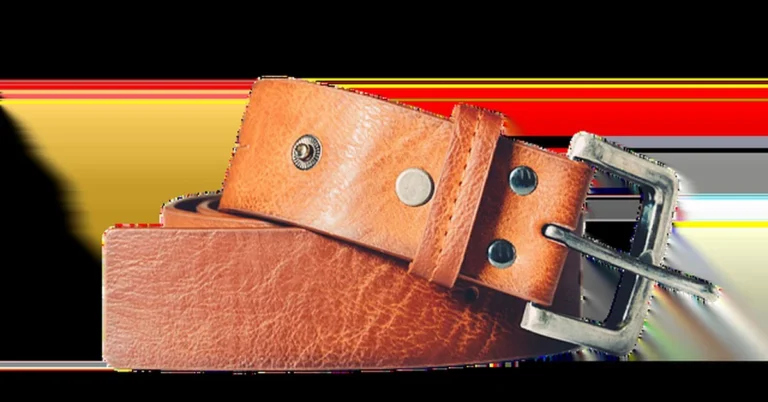
Oil-rubbed bronze is often dark brown with copper undertones, and it can be a living finish. That means the surface may change where hands, water, and cleaning cloths hit it most often. Bronze reads differently because the warm reddish-brown tone comes from the alloy itself, not just a surface treatment.
Picture a 3-inch cabinet pull on a kitchen sink base. A dark oil-rubbed bronze pull may stay nearly black on the ends while the center grip area lightens after regular use. A bronze pull in the same spot will usually keep a more even copper-brown look, though the metal can still age naturally.
What to expect after installation
Right out of the box, manufactured ORB can look like a painted or powder-coated brown finish. After installation, high-contact spots may lighten, and some areas may reveal copper tones. That unevenness is part of the look for many living finishes, but not for every brand.
Why bronze reads differently over time
Bronze is a metal alloy, so wear and aging happen through the metal itself rather than through a top layer breaking down. It can still change, but the change usually looks less like coating loss and more like natural aging. For buyers who want a steadier color, that difference matters.
Choose Oil-rubbed bronze if… / Choose bronze if…
Choose oil-rubbed bronze if you want a dark, nearly black look on a brass, steel, or zinc fixture and you are comfortable with a finish that may lighten in high-contact areas over time. Choose bronze if you want the copper-based alloy itself, a warmer reddish-brown appearance, and a finish that is less dependent on a top coating.
Choose Oil-rubbed bronze if…
Pick it for coordinated door hardware, cabinet pulls, bathroom faucets, or light fixtures when the room needs a darker finish and the manufacturer lists a code such as US10B, 613, or OB. It also makes sense when you want a look that can age with use and you have checked the spec sheet for the base metal.
Choose bronze if…
Pick it when the seller clearly states the fixture is a bronze alloy and you want the warmer reddish-brown tone to stay visible. It is also the safer choice when you want fewer questions about what is underneath the surface finish. For a bathroom, the corrosion resistance of the alloy is part of the appeal.


Can you match them in the same room?
Yes, but only if you treat them as related, not identical. Oil-rubbed bronze and bronze can coordinate when the room already includes other dark, warm metals or wood tones. The mismatch becomes obvious when the pieces sit side by side under the same light, because one leans darker and blacker while the other reads more copper-brown.
A common first-timer mistake is to buy a faucet labeled oil-rubbed bronze and a cabinet pull labeled bronze from different retailers, then expect them to blend. On a 48-inch vanity under cool white bathroom lighting, the faucet may look nearly black while the pulls look noticeably warmer. Compare samples next to each other before you commit.
How to compare samples beside each other
Hold both samples under the same bulb, then again near a window during daytime. Check them against tile, countertop, and paint, not just against each other. If one sample looks flat and dark while the other looks reddish and metallic, they will likely read as different finishes in the room.
Frequently asked questions
How can I tell if a finish is oil-rubbed bronze or real bronze?
Look for three clues in order: color, base metal, and finish code. Oil-rubbed bronze is usually darker, often near-black, and may list 10B, US10B, 613, or OB. Real bronze will be described as a copper-based alloy with tin and sometimes zinc, and it usually reads warmer and more reddish-brown.
Does oil-rubbed bronze change color over time?
It can. Oil-rubbed bronze is often a living finish, so high-contact areas may lighten and reveal copper tones over time. The rate and pattern depend on the manufacturer, the base metal, cleaning habits, and how often people touch the fixture. That is why two ORB pieces can age differently.
Is bronze a metal or a finish?
Bronze is a metal alloy, not a finish. It is primarily composed of copper with tin and zinc added. If a product label says bronze, check whether it means the alloy itself or a bronze-toned finish, because retailers sometimes use the word loosely in product listings.
How do I identify oil-rubbed bronze hardware in person?
Inspect the color under neutral light, then check the edges and grip points for wear, then read the finish code. Oil-rubbed bronze often looks dark brown to near-black and may show copper undertones. If the product description includes brass, steel, or zinc under the finish, that is another strong clue.
Can oil-rubbed bronze and bronze be matched in the same room?
They can work together, but only if you expect a visible difference. Oil-rubbed bronze tends to look darker and more uniform; bronze usually looks warmer and more reddish-brown. Side-by-side samples are the safest check, especially for bathroom faucets, cabinet pulls, and door hardware viewed in the same light.
How long does an oil-rubbed bronze finish last on bathroom fixtures?
Published material often states a range of 5 to 20 years for oil-rubbed bronze finish lifespan on bathroom fixtures. That span is not a guarantee, because cleaning, moisture, and touch frequency can change the result. If long-term uniform color matters most, ask whether the finish is sealed or living before you buy.
Sponsored / affiliate links. As an Amazon Associate I earn from qualifying purchases. I may earn additional commission from eligible campaigns.