Aged Brass vs Polished Brass: Which Finish Suits Your Room?
Choose aged brass for a softer, warmer finish that sits back. Choose polished brass for a brighter focal point that reads more formal; in small or dim rooms, the more reflective finish can feel heavier. Pick wrong, and the hardware fights the room instead of fitting it. This guide compares both finishes by light, scale, and nearby materials.
This guide is part of our Metal finishes for home hardware series.
| Decision factor | Aged brass | polished brass | Winner |
|---|---|---|---|
| Surface look | Muted, darker, lower sheen, often with deeper brown and golden tones | Bright, reflective, lustrous, with a warm golden color | tie |
| Visual prominence | Blends with surrounding materials and furnishings | Can become a noticeable design feature | polished brass |
| Fingerprint and smudge visibility | More forgiving of minor marks | Fingerprints, smudges, and water spots read more easily | aged brass |
| Lighting sensitivity | Can feel more integrated in bright rooms | May stand out near a window or strong artificial lighting | aged brass |
| Style fit | Often selected for traditional, vintage, rustic, transitional, or old-world rooms | Can suit classic, contemporary, or eclectic rooms when used intentionally | tie |
How do aged brass and polished brass differ?
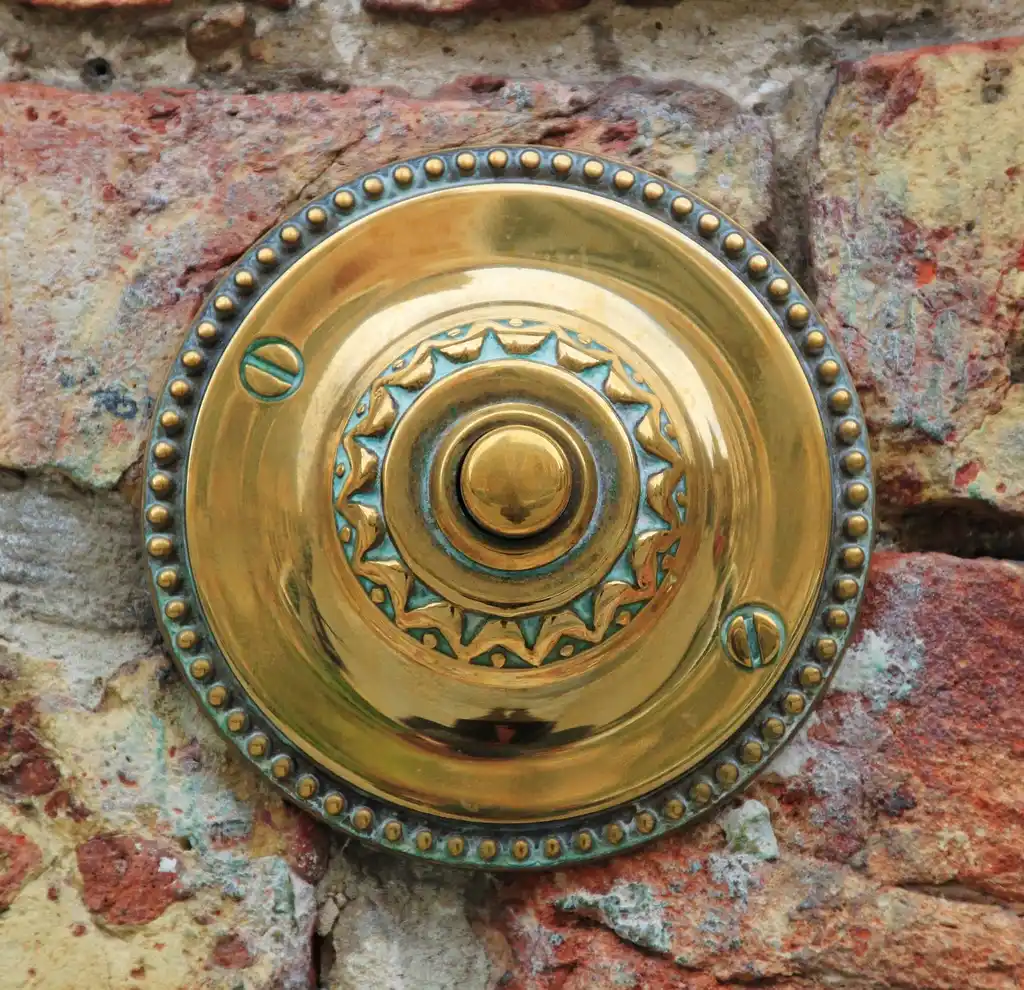
Aged brass can look softer, darker, and less reflective. Polished brass looks brighter, more reflective, and more lustrous. That difference changes how much the hardware stands out next to paint, wood, stone, or tile.
Surface look and reflectivity
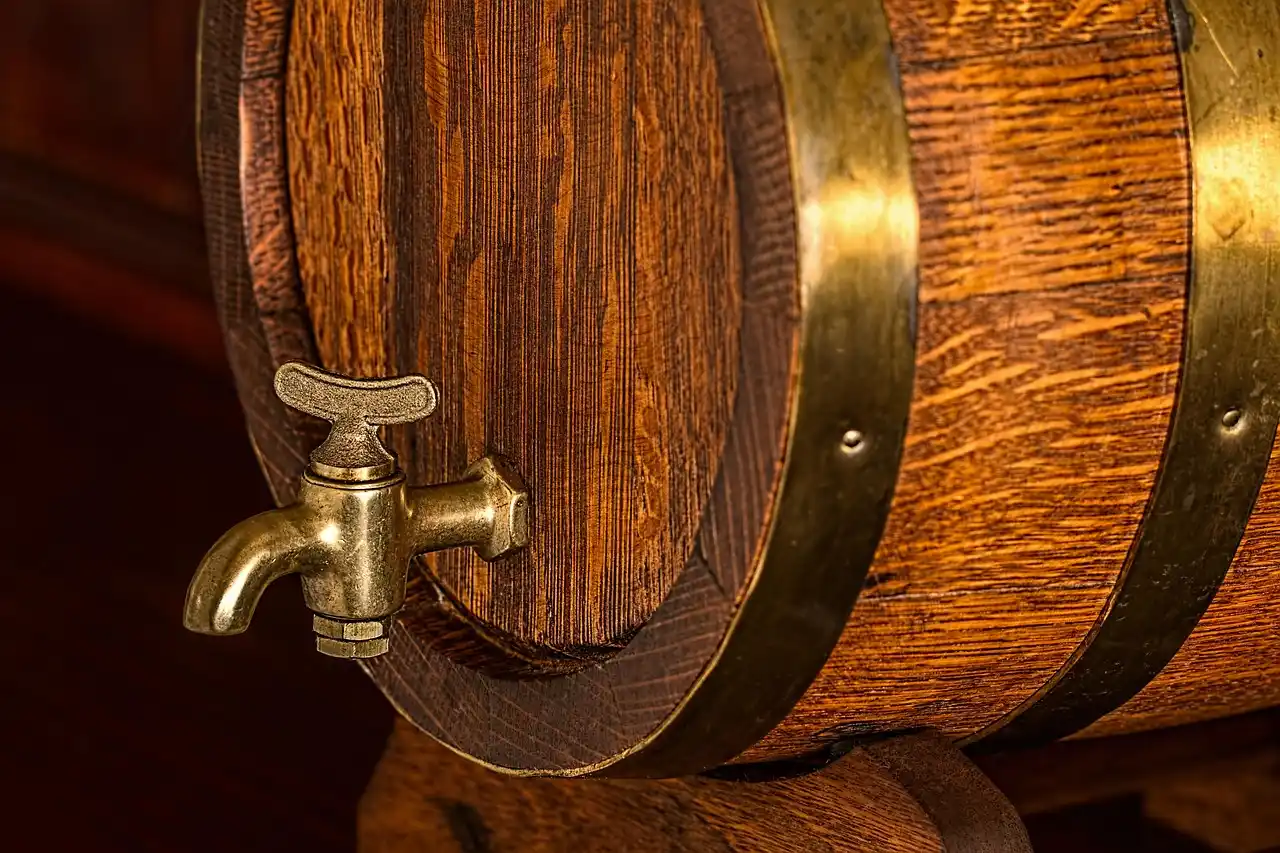
Aged brass usually shows deeper brown, golden, or muted brass tones. Polished brass brings forward the warm golden color of brass. So the first finish tends to recede, while the second tends to pull attention.
Finish names are not standardized. Two products described as antique brass may look noticeably different, and the same is true for aged brass labels across manufacturers. Product-level comparison matters more than the name on the box.
Where each finish usually fits
Aged brass is often selected for traditional, rustic, transitional, or old-world interiors. Polished brass is a better fit when you want a visible accent or a more decorative feel. Neither finish is automatically right or wrong; the room decides.
Which finish looks better in your room?
The better-looking finish depends on whether you want the hardware to blend in or stand out. In a small powder room, a bright brass surface can become the main visual event. In a modern bedroom, aged brass usually feels quieter and easier to place against furniture, textiles, and wall color.
Small powder room
In a small powder room, polished brass can feel strong if the room already has glossy tile, a mirror, or strong vanity lighting. Aged brass usually reads calmer and can keep the room from feeling crowded. If the walls are pale and the fixture count is low, either finish can work.
Bright kitchen
In a bright kitchen, polished brass can look crisp on cabinet pulls, faucet trim, or pendant lights. But if the kitchen already has a lot of light from windows and reflective surfaces, it can become the loudest element. Aged brass is easier to tuck into wood grain, matte paint, or honed stone.
Modern bedroom
For a modern bedroom, aged brass often fits better because it brings warmth without turning the hardware into the star. Polished brass can work, but it tends to read more formal and more deliberate. That is useful if the room already includes strong contrast and very simple lines.
Does lighting change the choice?
Yes. Lighting changes how much brass reflects, and that changes how dominant it feels in the room. Near windows or under strong artificial lighting, polished brass can become more prominent. In low-light hallways, aged brass may look more integrated but can also read too dark if the room is already short on contrast.
Near windows and strong daylight
When hardware sits near a window, polished brass can pick up more glare and look brighter than expected. This can work when you want a focal point. It can also feel too strong if the room is already busy.
Under strong artificial light
Downlights and bright task lighting make polished brass more noticeable on faucets, knobs, and pulls. Aged brass softens that effect and usually sits better with matte walls and natural wood. The more direct the light, the more the reflective finish asserts itself.
In low-light hallways
Low-light hallways are a place where finish choice can go wrong. Aged brass may look elegant and understated, but if the hall is very dim and the walls are dark, it can disappear. In that setting, polished brass can provide needed contrast, though it may also feel more formal.
How do style and materials affect the match?
Style matters, but nearby materials matter just as much. A finish that suits a traditional bath can still look wrong next to cool gray stone or blue-white paint. Check the undertones first, then choose the brass tone that repeats them or sets up a clear contrast.
Traditional, rustic, and old-world rooms
Aged brass usually fits these rooms best because it echoes timeworn wood, warmer paint, and older decorative details. It tends to blend with the room instead of competing with it. Polished brass can still work, but it reads more formal and more intentional.
Transitional, classic, and eclectic rooms
Transitional rooms often work with either finish, depending on how much attention you want the hardware to draw. Eclectic rooms can use polished brass as a bright note, especially when other finishes are quieter. Classic rooms often accept both, but the room’s light level should guide the choice.
Wood, paint, stone, and tile undertones
Warm oak, walnut, cream paint, beige stone, and patterned tile often make aged brass feel natural. Cool white paint, blue-gray cabinets, polished stone, and stainless appliances can make polished brass read cleaner. If the undertones clash, even a good finish choice can feel off.
| Room scenario | Reflectivity | Maintenance visibility | Style match | Visual prominence | Best pick |
|---|---|---|---|---|---|
| Small powder room | Higher reflectivity helps, but can feel busy | polished brass shows marks more | Depends on vanity and wall finish | polished brass stands out more | aged brass |
| Bright kitchen | Both are visible; polished brass reads brighter | polished brass shows fingerprints more | Either, depending on cabinet style | polished brass is more prominent | tie |
| Low-light hallway | Lower reflectivity can disappear | aged brass is more forgiving | Often better with warmer trim | polished brass helps visibility | polished brass |
| Traditional bath | Both can work | aged brass hides minor marks better | aged brass fits traditional details | aged brass recedes more | aged brass |
| Modern bedroom | Moderate reflectivity is usually enough | aged brass stays calmer on touch points | aged brass suits restrained schemes | polished brass becomes a stronger accent | aged brass |
| Family-entry hardware | Frequent use benefits from less glare | aged brass is less demanding visually | Either, depending on front door style | polished brass is more obvious | aged brass |
Choose aged brass if… / Choose polished brass if…
Choose aged brass if you want warmth and understatement. Choose polished brass if you want a brighter focal point. Those are the two best reasons to pick one finish over the other, and they should come before brand names or catalog photos.
- Choose aged brass if the room is traditional, rustic, transitional, or old-world.
- Choose aged brass if you want cabinet pulls, knobs, or door hardware to blend with wood, paint, or stone.
- Choose aged brass if fingerprints and minor marks would bother you on a high-touch surface.
- Choose polished brass if you want the hardware to read as a design feature.
- Choose polished brass if the room needs a brighter accent near windows or strong artificial lighting.
- Choose polished brass if the room already has quiet finishes and can support a stronger reflective note.
Aged brass vs polished brass checklist
Use this short checklist before you order. If most answers point the same way, the finish choice is probably clear. If they split, request samples and compare them in the actual room.
- Do you want the hardware to blend in rather than stand out?
- Is the room already bright from windows or strong lighting?
- Will the hardware be touched often, such as on faucets, pulls, or door levers?
- Do the room’s wood, paint, stone, or tile lean warm or cool?
- Are you matching an existing finish family in the same room?
Say your kitchen has white cabinets, a marble backsplash, and a south-facing sink wall. Polished brass may read very bright there, especially on a faucet and pendant trim. If the goal is a calmer look, aged brass is usually the safer choice.
Suppose a narrow hallway has one overhead fixture and a dark-stained console table. Polished brass on a lamp base or wall sconce can help the hardware register. Aged brass may be too subdued unless the walls are pale enough to provide contrast.

How should you clean and sample brass hardware?
Protective coating matters because it changes how brass looks over time and what cleaning is allowed. Manufacturer instructions come first. Some finishes are meant to keep their original appearance, while others may age differently or react badly to brass polish.
Protective coating and cleaning instructions
A coated finish can behave very differently from uncoated brass. That affects whether you should use only mild soap and water or avoid polish altogether. Because coating systems vary, do not assume two brass products need the same care.
Why fingerprints and smudges matter
Polished brass makes fingerprints, smudges, and water spots more visible. That matters most on faucets, cabinet pulls, and entry hardware, where hands touch the surface constantly. Aged brass is generally more forgiving because the finish is already subdued.
Why samples matter for faucets, pulls, and knobs
Sample comparison is important because the same finish name can differ by manufacturer. A brass pull, faucet, and door lever can look mismatched even when ordered under the same label. Compare samples in the room, beside the actual cabinet color, wall paint, and tile.
| Checklist item | If you answer yes, lean toward | Why it matters |
|---|---|---|
| You want the hardware to recede | aged brass | Lower sheen reduces visual dominance |
| You want a bright focal point | polished brass | High reflectivity draws the eye |
| The room gets strong daylight or bright task lighting | aged brass or a sample check | Polished brass may read louder than expected |
| The hardware will be touched often | aged brass | Fingerprints and smudges are less obvious |
| You are matching multiple finishes in one room | sample comparison | Manufacturer variation can change the result |
Frequently asked questions
What is the difference between aged brass and polished brass?
Aged brass looks muted, darker, and less reflective, while polished brass looks brighter, more reflective, and more lustrous. Aged brass usually blends into the room more easily. Polished brass usually reads as a stronger accent and shows more fingerprints and water spots.
Which brass finish looks better in a modern room?
Modern rooms often favor aged brass when the goal is warmth without glare. Polished brass can work in a modern room too, especially if the design needs a brighter focal point. The better choice depends on whether your room leans quiet and restrained or bold and decorative.
Does aged brass hide fingerprints better than polished brass?
Yes, generally. Aged brass is more forgiving because its appearance is intentionally subdued, so minor marks do not stand out as much. Polished brass is more reflective, which makes fingerprints, smudges, and water spots easier to see on handles, pulls, and faucets.
Which brass finish works best with traditional interiors?
Aged brass usually works best with traditional interiors because it fits older-feeling wood tones, classic trim, and timeworn materials. It also tends to blend with the room instead of competing with it. Polished brass can still work, but it reads more formal and more pronounced.
Will polished brass look too shiny in my room?
It can, especially near a window or under strong artificial lighting. Polished brass may become a noticeable design feature in a bright room, which is useful only if you want that effect. If you want the hardware to stay quiet, aged brass is usually safer.
Should I compare finish samples before ordering brass hardware?
Yes. Finish names vary by manufacturer, and two products labeled antique brass or aged brass may not match closely. Compare samples beside your actual cabinets, paint, tile, or stone before ordering faucets, cabinet pulls, knobs, or door hardware. That step prevents a finish mismatch that only shows up after installation.
Sponsored / affiliate links. As an Amazon Associate I earn from qualifying purchases. I may earn additional commission from eligible campaigns.