How to Mix Metal Finishes in a House Without Clashing
Mix metal finishes by choosing one anchor finish, one bridge finish, and one accent finish, then repeating each finish across the house. Without that plan, rooms can feel accidental, buying decisions multiply, and a few mismatched pieces can make the whole house read as disjointed. This guide shows how to assign finishes, check undertones, and decide where each metal should repeat before you buy hardware.
What finishes will you need?
Start by naming the finishes already fixed in the house, then add only the finishes needed to coordinate them. In most rooms, mixed-metal schemes work best with about two to four finishes total, with one clear dominant metal and one or two supporting metals. That range keeps the room legible without making the palette feel crowded.
Pick one anchor finish
Your anchor finish is the metal that appears most often. It usually comes from the biggest or hardest-to-replace items: faucets, cabinet hardware, or door levers. The anchor should be the finish you can repeat in several rooms without fighting the rest of the house.
Pick one bridge finish
The bridge finish connects metals that would otherwise clash. Polished nickel is a strong candidate because it has a slightly warm base and can sit comfortably between brass and cooler metals. Matte black can also bridge because it reads as a neutral rather than a temperature-driven finish.
Pick one accent finish
The accent finish is the contrast. Chrome works well here because it is bright and reflective, especially in kitchens and bathrooms. Brass can also play this role when you want warmth against a cooler base, or black when you want definition without adding another temperature to the room.
Keep the total to two to four finishes per room
That upper limit helps the room stay readable. A common design guideline is to keep the mix to two to four finishes per room, with smaller rooms doing better on the low end and larger, more layered spaces able to carry a little more variation. In practice, the more fixed finishes a room already has, the fewer additional metals it usually needs.
Metal finishes table
| Fixed item | What to note | Why it matters | Typical finish decision |
|---|---|---|---|
| Appliances | Stainless, panel-ready, black, or mixed trim | Sets the strongest visual temperature in kitchens | Choose a related or bridging metal for faucet and hardware |
| Faucets | Main sink finish and any secondary bath faucets | Often the most visible metal in kitchens and baths | Usually the anchor or the finish that the room must support |
| Cabinet hardware | Pulls, knobs, and appliance pulls | Repeats more often than most other finishes | Can be the anchor or the supporting accent |
| Door hardware | Levers, knobs, hinges, and deadbolts | Creates the thread from room to room | Often chosen for whole-house continuity |
| Lighting | Pendants, sconces, vanity lights, ceiling fixtures | Easy place to introduce a bridge finish | Useful for repeating a finish without changing plumbing |
| Mirrors and frames | Mirror edges, picture frames, shelf brackets | Good for supporting a secondary finish | Best for accents rather than the dominant metal |
Metal finishes cheat sheet
| Finish | Undertone | Best use | Watch-outs |
|---|---|---|---|
| Brass | Warm | Traditional, classic, or wood-heavy rooms | Can look too yellow if nothing else is warm |
| Bronze | Warm | Rooms needing depth and a little softness | May feel heavy if the room is already dark |
| Polished nickel | Soft warm-neutral | Bridge between brass and cooler metals | Can look different under cool LED light |
| Chrome | Cool | Baths, kitchens, and reflective modern spaces | Can feel stark next to all-warm palettes |
| Brushed nickel | Cool-neutral | Flexible family-room, kitchen, or bath use | Can disappear if the room lacks contrast |
| Matte black | Neutral | Connector, outline, or grounding accent | Too much black can flatten a soft palette |
Use this metal mix checklist
This checklist helps you decide in the right order. Fixed items come first, then the finish roles, then the undertone check. If you choose hardware before checking appliances, faucets, and lighting, you can end up forcing a finish into a room where it has no visual support.
What you’ll need
- Photos or notes of fixed items in each room
- Samples or product names for current hardware and fixtures
- A phone photo in daylight for each room
- Paint, stone, wood, and tile notes if those finishes are already chosen
- A short list of common candidate metals: brass, bronze, polished nickel, chrome, black, or brushed nickel
3-step decision tree
- Identify the fixed items first. List appliances, faucets, cabinet hardware, door hardware, and lighting before you buy anything else.
- Assign the roles. Choose one anchor finish, one bridge finish, and one accent finish. Keep the room to two to four finishes total.
- Check the undertone. Warm metals should sit with warm or traditional rooms, while cool metals need enough cool material or contrast to avoid looking stark.
Anchor/bridge/accent decision tree
| Question | If yes | If no | What it means |
|---|---|---|---|
| Is there one metal already repeated on the biggest fixed item? | Make it the anchor | Look at the most visible fixture and repeat it | The anchor should be the easiest finish to see and repeat |
| Do two metals need help sitting together? | Add a bridge finish | Keep the palette simpler | Bridge finishes soften a clash or temperature shift |
| Does the room need contrast without adding another strong temperature? | Use black or a small amount of chrome/brass | Stay with the anchor and bridge only | Accents should clarify, not compete |
| Are there more than four visible finishes in the room? | Remove one or two supporting metals | Keep the mix as is | Too many finishes usually makes the room feel scattered |
Match each room to a sample finish palette
| Room | Anchor finish | Bridge finish | Accent finish |
|---|---|---|---|
| Kitchen | Brushed nickel or brass | Polished nickel | Chrome or matte black |
| Bathroom | Chrome or polished nickel | Matte black | Brass or bronze |
| Living area | Brass or bronze | Polished nickel | Matte black |
Metal finishes matrix
| Room | Best anchor candidates | Best bridge candidates | Best accent candidates | Common failure case |
|---|---|---|---|---|
| Kitchen | Stainless-friendly nickel, brass, or chrome | Polished nickel or matte black | Brass, black, or chrome on smaller pieces | Brass pulls with chrome faucet and no repeat elsewhere |
| Bath | Chrome or polished nickel | Matte black or polished nickel | Brass on lighting, mirror trim, or towel details | Too many finishes in a small powder room |
| Living room | Brass, bronze, or black | Polished nickel or black | Chrome or brass in frames and lamps | Several shiny metals with no repeating thread |
| Entry | Door hardware finish | Lighting finish | Mirror frame or table lamp detail | Entry hardware that doesn’t echo nearby rooms |
| Laundry | Durable neutral metal | Matching or softer related finish | Small black or brass accents | Overmixing finishes in a utility room |
| Open-plan spaces | One finish that repeats through the view | A second finish only where needed | Small accents that echo the anchor | Each zone using a different dominant metal |
For more help choosing the right base finish, see brushed nickel vs chrome, how to choose cabinet hardware, matte black fixtures, bathroom lighting finishes, and stainless appliances with brass.
How do you mix warm and cool metals?
Mix warm and cool metals by letting one temperature lead and the other support. Brass and bronze read warm. Brushed nickel and chrome read cool. Polished nickel sits between them, and matte black can work as a neutral connector when you need the palette to stop feeling split.
Group brass and bronze as warm metals
Brass and bronze belong together more naturally in traditional or warm rooms. Brass can be polished, satin, or antiqued, and bronze adds depth that keeps the room from looking flat. These finishes usually feel strongest when wood, cream, stone, or warm paint is already in the room.
Treat brushed nickel and chrome as cool metals
Chrome and brushed nickel read cooler and cleaner. Chrome is especially reflective, so it often looks right in bathrooms and kitchens where tile, porcelain, and glass are common. In a room that is already full of warm finishes, too much chrome can feel stark unless another finish softens the transition.
Use polished nickel or matte black as the connector
Polished nickel often works as the bridge because it has a slightly warm base without looking yellow. Matte black works because it is neutral enough to sit with warm and cool finishes alike. Similar-hued metals such as chrome and nickel can also be combined when the rest of the room gives them enough support.
Why polished nickel is a useful bridge
Polished nickel bridges well because it sits in the middle of the finish spectrum: softer than chrome, cooler than brass, and usually less yellow than traditional brass tones. That middle-ground quality helps it connect stainless appliances, brass accents, and other mixed finishes without introducing a third strong temperature.
Choose the dominant finish and accent finish
Your dominant finish should be the one the eye sees first, and your accent should stay secondary. A common balance rule is to let the dominant finish cover about two-thirds of the visible metal and the accent about one-third. That ratio helps the mix feel intentional instead of scattered.
Apply the two-thirds and one-third rule
If a room has six visible metal points, about four can share the dominant finish and about two can carry the accent. That ratio keeps the main metal clear. It also prevents the accent from looking random, which can make a space feel accidental rather than planned.
Repeat each finish more than once
Repetition is what makes the mix feel planned. A strong mixed-metal scheme usually repeats each finish at least twice in a room or nearby view. A single isolated brass knob next to a chrome faucet and black mirror frame can look like a mistake. A second brass point gives the room a thread to follow.
Use lighting to add a second finish without changing plumbing
Lighting is one of the easiest ways to add another finish, and it is lower commitment than swapping faucets or cabinet hardware. A brass pendant, a black sconce, or a polished nickel chandelier can act as the bridge finish and help the rest of the room feel intentional.
Palette templates for common combinations
| Template | Best for | What leads | What supports |
|---|---|---|---|
| Stainless appliances + brass + black | Modern kitchens that need warmth | Stainless or brushed nickel | Brass pulls, black lighting or stools |
| Chrome + brass bath | Small or classic bathrooms | Chrome faucet and shower trim | Brass mirror, sconces, or accessories |
| Polished nickel + brass | Transitional rooms needing a soft bridge | Polished nickel hardware | Brass lighting or cabinet detail |
| Matte black + chrome | Rooms that need contrast without warmth | Chrome on major fixtures | Matte black as outline and accent |
Room-by-room metal plan
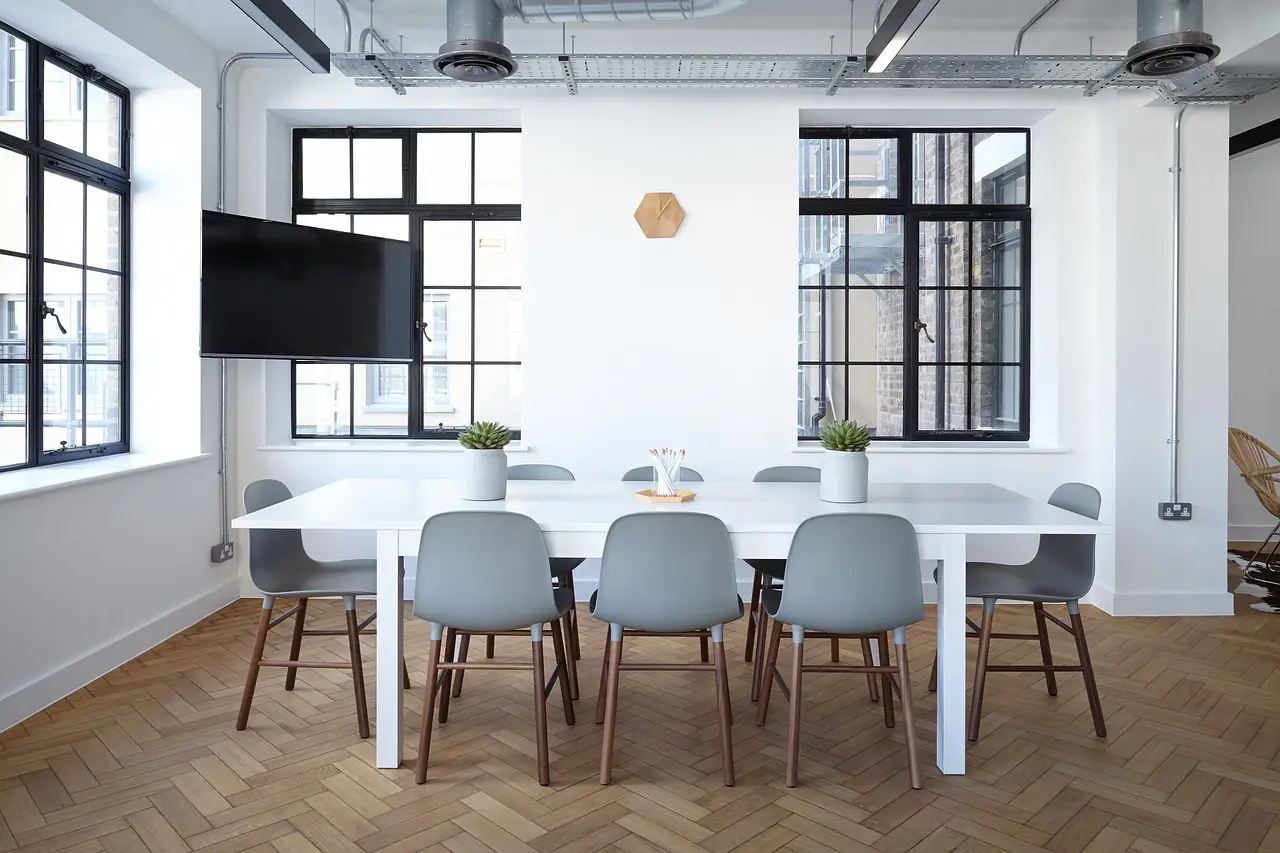
Room context matters because a finish that works in one space can fail in another. Kitchens and bathrooms tolerate more contrast because they already contain hard surfaces and fixtures. Hallways and open-plan rooms need a tighter repeating thread so the house feels connected as you move through it.
Kitchen: coordinate hardware with appliances and faucet finish
In kitchens, start with the appliance finish, then match or bridge the faucet and cabinet hardware. If the refrigerator and range are stainless, brushed nickel or polished nickel often gives the smoothest transition. Brass can still work as a smaller accent, especially on lighting or cabinet pulls.
Bathroom: balance faucet, mirror, and lighting finishes
Bathrooms often handle chrome, polished nickel, brass, and black well because the room usually has fewer finish types than a kitchen. Smaller bathrooms usually do better with one or two metals, while larger primary baths can carry a little more variety if the finishes repeat clearly.
Living areas and hallways: repeat a metal thread across visible pieces
In living areas, use the same finish on door hardware, lamps, frames, or curtain rods so the eye keeps finding the same thread. Hallways need this even more because they connect rooms. A recurring polished nickel or matte black element can keep the transition smooth without forcing every room to match exactly.
Open-plan homes: keep one finish recurring from room to room
Open-plan homes need more continuity than closed rooms. Pick one recurring finish that appears in the kitchen, nearby bath, and living zone. That finish becomes the home’s visual thread, while each room can still carry one supporting contrast. Use the same logic on visible hardware, not every hidden fitting.
Entry, laundry, and transitional spaces
Entryways and laundry rooms are useful places to confirm the whole-house finish plan. These spaces are usually seen in passing, so a repeating door lever, sconce, or utility hardware finish can connect the home without demanding a full redesign. Transitional spaces should support the house palette, not introduce a new one.
When should you not mix metals?
Skip extra finishes when the room is small, highly symmetrical, or already busy with other materials. In those spaces, mixed metals can read as noise instead of contrast. A tighter palette is usually better than forcing a designed mix into a room that already has enough going on.
Small rooms and powder rooms
A small powder room often needs only one or two metals. Too many finishes can make the room feel chopped up. If the room already has patterned tile, a statement mirror, or strong stone veining, keep the metal mix minimal so the eye has one place to land.
Highly symmetrical layouts
In a symmetrical room, mixed metals can break the order unless the balance is very deliberate. If the room has matching sconces, matching sinks, or mirror pairs, keep the metal choices controlled. One dominant finish and one accent is often enough.
Visually busy rooms
If the room already has several materials, such as bold tile, dark cabinets, and prominent grain, adding more metals can crowd the composition. In that case, use one base finish and repeat it often. Save the second finish for lighting or one small hardware group.
What to do when fixed items conflict
When fixed items disagree, choose the finish that appears on the largest or least replaceable element to lead, then use a bridge finish to soften the mismatch. If the conflict is severe, reduce the number of finishes instead of adding more. The best solution is usually to simplify the palette, not to invent a new metal category.
Common mistakes
The biggest mistake is treating every finish as equal. Mixed metals need hierarchy. Without it, the room feels accidental, and the finishes stop reading as a plan.
- Using too many finishes. Keep the mix to two to four finishes in a room, and fewer in small spaces.
- Ignoring undertone differences. Warm brass and bronze usually sit more naturally with warm or traditional spaces, while brushed nickel and chrome read cooler.
- Buying hardware before checking fixed items. Start with appliances, faucets, and lighting, then choose the supporting finish.
- Letting one finish appear only once. Repeat each finish at least twice so the choice looks intentional.
Say your kitchen has stainless appliances, a chrome faucet, and walnut cabinets. If you add brass pulls everywhere, the brass may feel disconnected unless it repeats in lighting or a nearby room. A polished nickel pendant can soften the shift and make the brass accent read deliberate instead of isolated.
Suppose a bathroom has a chrome faucet, black mirror frame, and bronze sconces. That can work if chrome leads and black stays neutral. If a fourth finish enters through towel bars, the room can start to feel crowded fast, especially in a small powder room.
Another common failure case is a matte black vanity light, chrome faucet, brass mirror, and brushed nickel accessories in one small bath. Each finish can be attractive on its own, but the room loses hierarchy. Reducing the room to chrome plus brass, or chrome plus black, usually restores clarity.
Frequently asked questions
How many metal finishes can you mix in one house?
Most whole-house schemes work best with 2 to 3 metals across the home, while individual rooms usually do better with 2 finishes. If a room climbs above four finishes, the palette can start to feel scattered. Repeat the same metals in nearby rooms so the house still reads as one plan.
How do you mix warm and cool metals without clashing?
Let one temperature lead and one support. Pair brass or bronze with polished nickel, matte black, or a small amount of chrome. Keep the cool finish repeated in more than one place so it looks intentional, then add warmth through lighting, hardware, or mirror frames.
Should the same metal finish repeat throughout the house?
Yes, at least one finish should recur from room to room so the house has continuity. That does not mean every room must match exactly. A recurring polished nickel, black, or brass thread can connect the spaces while still letting kitchens and baths use a stronger contrast.
What metal finish should be the dominant one in a room?
Choose the finish that already appears on the largest or most fixed item in the room. In many kitchens that is the faucet or appliance-adjacent hardware; in bathrooms it is often the faucet or mirror hardware. Build the rest of the palette around that finish instead of forcing a new dominant metal in later.
Can you mix chrome with brass in a bathroom?
Yes, chrome and brass can work in a bathroom if one leads and the other supports. Chrome usually works best as the main fixture finish, while brass is stronger as an accent in lighting, mirror details, or towel hardware. Keep the mix to one or two main finishes in a small bath.
Can you mix polished nickel with brass?
Yes. Polished nickel is one of the easiest bridge finishes because its base is slightly warm. That makes it a natural middle ground between brass and cooler metals, especially when the room already contains wood, stone, or warm paint.
Can you mix black hardware with chrome or brass?
Yes. Matte black works as a neutral with both warm and cool metals, so it can link chrome, brass, or bronze without adding another temperature to the room. Use black as the bridge or the accent, not as an extra finish that competes with everything else.
Can you choose around existing appliances and still mix metals successfully?
Yes. Existing appliances should be treated as fixed items that help set the anchor finish. If the appliances are stainless, polished nickel or brushed nickel often provides the easiest transition, and brass can still work as a smaller accent if it repeats in lighting or nearby details.
Does brass have to repeat in every room if you use it once?
No. The same finish does not need to repeat house-wide in every room, but it should recur somewhere in the home so it does not feel random. A finish can appear in several rooms, or it can stay concentrated in one zone as long as the larger home still has a consistent thread.
Sponsored / affiliate links. As an Amazon Associate I earn from qualifying purchases. I may earn additional commission from eligible campaigns.