Best Metal Finishes for Light Fixtures in Open-Plan Homes
Choose one dominant metal finish for about 70% to 80% of the fixtures, then repeat one support finish in the remaining pieces so pendants, chandeliers, and sconces feel connected without matching exactly. Ignore that balance and the space can read visually noisy or oddly divided, especially where kitchen, dining, and living areas meet. This guide explains which metal pairs work best, where to place each finish, and how to keep mixed metals consistent across an open plan.
Which metal finish fits an open-plan home?


The best metal finish is the one that reads clearly across connected rooms and still fits your cabinets, woods, stone, and appliances. In many open-plan homes, that usually means one dominant finish and one support finish, repeated along the main sightlines between the kitchen, dining, and living areas.
Open-plan lighting has a sightline problem that single-room advice misses. A pendant over the island may be seen at eye level from the sofa, while a chandelier over the dining table may be viewed from across the room and a sconce may appear only in passing. The same finish can look louder, flatter, or warmer depending on distance and light.
Primary finish versus support finish
Use the dominant finish on the fixtures that matter most visually, usually the largest or most central ones. The support finish can appear on smaller pieces, such as sconces, or on a secondary zone just beyond the main gathering area.
That approach keeps the space from feeling accidental. It also lets you connect areas that have different jobs without forcing every fixture to look identical.
When one finish is enough
If the open plan is small, the finishes already repeat in the hardware and appliances, and the sightlines are short, one finish may be enough. That is especially true when the home already has a strong architectural style and the lighting is simple.
Even then, keep the same sheen family across the space. Mixing polished, brushed, and matte versions of the same metal can look like a mismatch if the fixtures are all visible at once.
Metal finish basics for light fixtures
Finish choice comes down to undertone, reflectivity, and how the surface handles fingerprints and glare. Warm metals usually pull gold, amber, or brown. Cool metals lean silver, blue-white, or gray. Reflective finishes read brighter and sharper; lower-sheen finishes read softer and less demanding.
Warm and cool undertones
Brass and bronze usually read warm, which can help them sit well with oak, walnut, terracotta, and other warm materials. Nickel is often considered the most adaptable middle ground. Chrome reads cool and crisp, while matte black is neutral but visually heavy, so it behaves more like a graphic line than a reflective metal.
Reflectivity and glare
Polished finishes throw more light back into the room and show more of the bulb, room, and movement around them. That can work in a crisp, minimal plan. In a busy open room, too much shine can create glare, especially on pendants and chandeliers seen from multiple angles.
Polished, brushed, satin, and matte
Polished brass or polished chrome gives the strongest shine and the highest glare risk. Brushed and satin finishes reduce visual noise because the surface scatters light instead of bouncing it hard. Matte finishes cut reflection the most, which is why matte black often looks more grounded than metallic surfaces.
Patina matters too. Unlacquered or living finishes may darken and soften over time, while plated or sealed finishes hold their original look longer. If you want the lighting to stay visually consistent for years, choose a finish that resists uneven aging in high-touch spots.
Open-plan lighting finish matrix
This matrix turns the choice into something you can compare quickly. Use it to judge how each finish behaves in connected rooms, not just how it looks in a single store display.
| Finish | Room temperature | Glare level | Fingerprint visibility | Best use zones | Pairing risks |
|---|---|---|---|---|---|
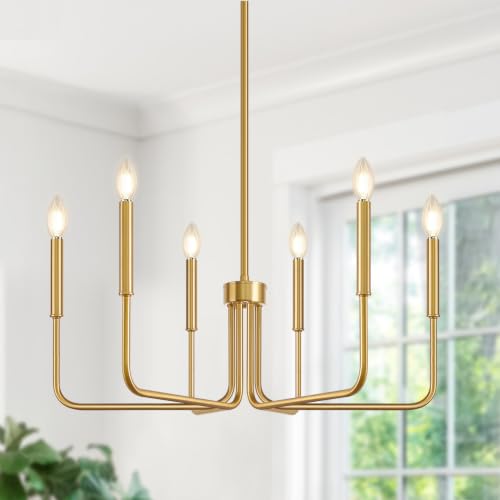
| Brass | Warm | Medium to high when polished; lower when brushed or satin | Medium | Kitchen islands, dining chandeliers, warm living areas | Can look too yellow beside icy gray stone or very cool stainless if repeated without another warm element |
| Nickel | Cool to neutral | Medium; brushed and satin versions read softer than polished | Low to medium | Transitional kitchens, mixed-material dining zones, contemporary living rooms | Can feel flat beside very warm woods if nothing else ties the room together |
| Chrome | Cool | High | High | Crisp, minimalist kitchens and streamlined dining spaces | Shows glare and smudges more readily; can feel too bright in large open rooms with multiple reflective surfaces |
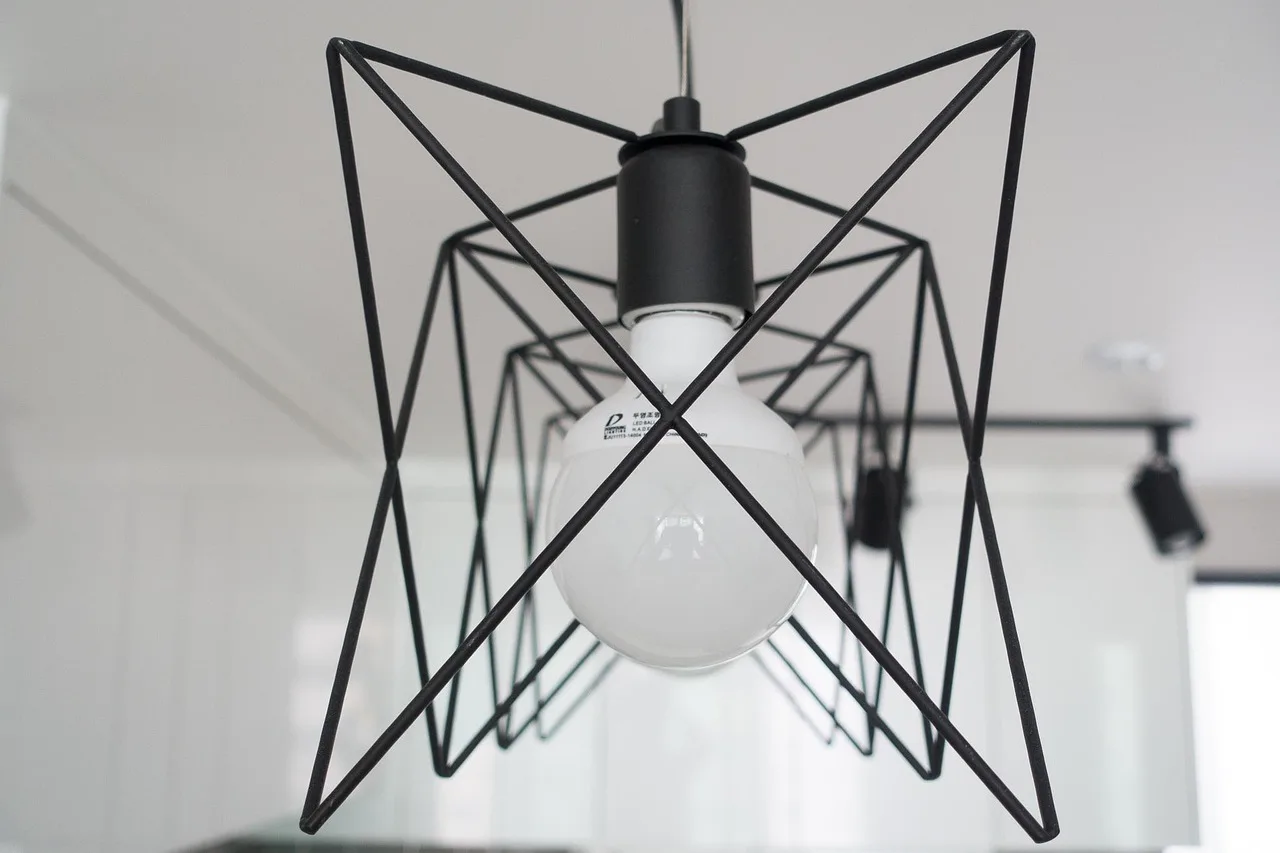
| Matte black | Neutral | Low | Low to medium | Modern kitchens, industrial lofts, large open areas that need definition | Can feel heavy if every visible fixture is black; may need a lighter support finish to keep the room from going flat |
| Bronze | Warm | Low to medium | Low | Warm contemporary rooms, wood-heavy spaces, grounded traditional or transitional plans | Can disappear into very dark palettes unless the form of the fixture has enough contrast |
How should you mix two finishes max?
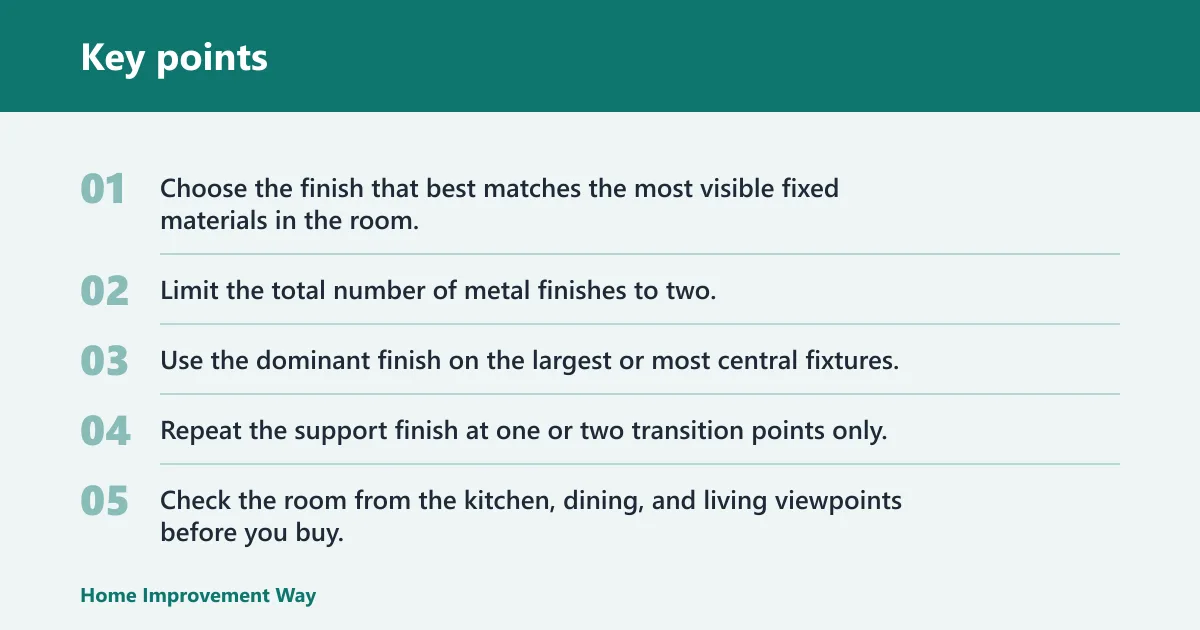
Pick one dominant finish and one support finish, then assign each to a zone with a clear visual job. The dominant finish should appear on the main fixtures people see first. The support finish should repeat at transition points, such as the hall opening, the dining edge, or the secondary wall lighting.
Choose a dominant metal
Start with the finish that best matches the largest visible materials in the room, usually the cabinets, wood tones, or nearby appliance finish. If the kitchen has warm oak and brass cabinet pulls, brass or bronze usually reads more intentional than chrome.
If the room has cool white cabinets, pale stone, and stainless appliances, nickel or chrome may fit better. Matte black can work in either case if you want the lighting to define the architecture rather than blend into it.
Repeat the support finish at transition points
The support finish should show up where rooms meet, not scatter randomly. That might mean a pair of sconces near the dining opening, a small pendant over a side console, or a single accent fixture in a hallway that runs off the main room.
Say your kitchen island has brushed brass pendants and the living room uses a brass-and-black chandelier. Keep the black in the sconce arms or chandelier frame only, then repeat brass in the brightest, most central fixtures. That keeps the mix deliberate instead of accidental.
Avoid accidental mismatch
Do not mix warm and cool metals on the same visual plane unless you can explain the shift with another material. A brushed nickel pendant beside a polished chrome chandelier can feel like a mistake because both are silver-toned but not quite the same.
A common first-timer mistake is treating every visible fixture as a separate decision. In an open plan, the fixtures need to talk to each other from room to room, so the finish should echo at least once across the space.
- Choose the finish that best matches the most visible fixed materials in the room.
- Limit the total number of metal finishes to two.
- Use the dominant finish on the largest or most central fixtures.
- Repeat the support finish at one or two transition points only.
- Check the room from the kitchen, dining, and living viewpoints before you buy.
Where each finish works best
Fixture type changes how finish reads. A pendant hangs near eye level and is seen up close, so its sheen and smudge level matter more. A chandelier often reads as the central visual anchor. A sconce usually acts as a repeating accent and should echo the main fixtures without shouting.
Pendant lights over islands and tables
Pendants need finish coordination because people see them from below, from across the room, and often at arm’s length. A polished surface will read louder on a pendant than on a wall-mounted fixture because it catches both direct light and movement in the room.
Brass and nickel are usually the easiest pendant finishes in open plans. Brass warms up islands and dining tables. Nickel keeps the view cleaner when the surrounding materials are more neutral or cool. Chrome works best when the whole kitchen is already crisp and minimal.
Chandeliers as the main visual anchor
A chandelier often becomes the finish reference point for the whole open plan. If it sits between kitchen and living areas, its metal choice should work from multiple angles and at different distances. That is why repeated, simple finishes usually age better than highly decorative mixed metals.
Matte black can anchor a large open space because it gives the eye a clear outline. Bronze and brass can also unify a room if the palette leans warm. Chrome can work, but only when the room can handle extra brightness.
Sconces in hall-adjacent and transition zones
Sconces are the easiest place to repeat the support finish. Because they sit at the edge of the main sightline, they can echo a finish without taking over the room. They are especially useful near hall openings, stair landings, or dining transitions.
Wall-mounted fixtures are typically placed 65 to 75 inches high, and door-framing lights are typically placed 6 to 12 inches from the door casing. For front entries, wall-mounted fixtures can be installed on either side of the door, flush-mount ceiling fixtures suit low ceilings and wet weather, pendant lights work well in entries with high ceilings, double sconces are a natural choice for symmetrical entries, and single sconces work when space is limited. (Thisoldhouse)
What finish fits your style and materials?
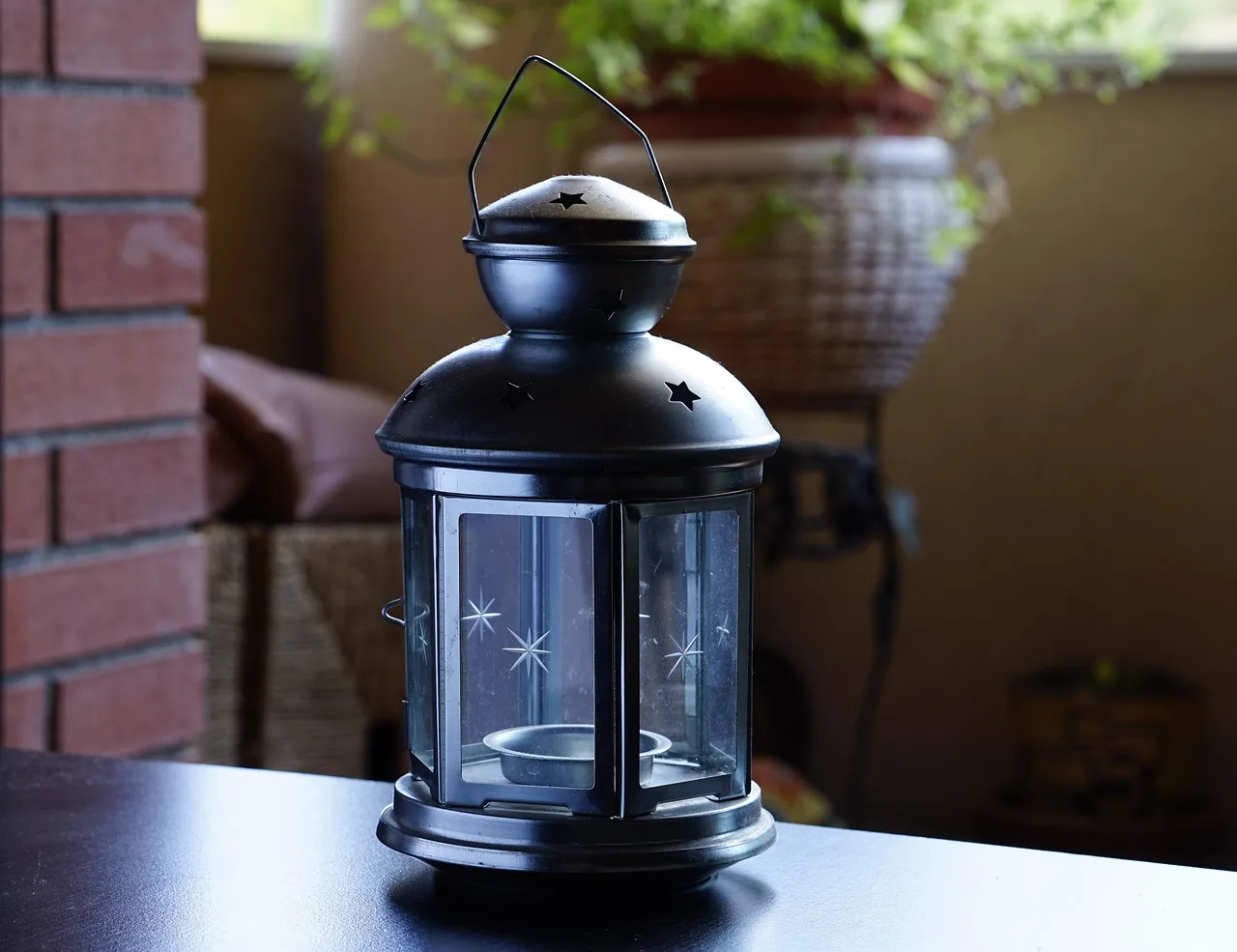
Style matters, but it should follow the materials in the room rather than lead them. Traditional homes often suit warmer, more classic finishes. Modern homes often suit cleaner, simpler finishes. Transitional homes can bridge both if the finish choices stay restrained and repeat in a clear pattern.
Warm woods and brass
Brass works especially well with oak, walnut, and other warm woods because the undertone lands in the same family. Polished brass reads more formal and can feel luxe when it appears in more than one fixture. Brushed or aged brass softens the look and is easier to place in a room that already has a lot of texture.
If the kitchen has warm wood cabinets and the dining table is wood as well, brass can tie the zones together without making the room feel themed. Bronze can do something similar, but it tends to read a little darker and more grounded.
Transitional and contemporary spaces with nickel
Nickel is often the safest support finish for open-plan rooms because it sits between warm and cool. It works in transitional spaces, and it also fits contemporary rooms that need a softer answer than chrome. Brushed and satin nickel are usually less glaring than chrome in mixed light.
Use nickel when the room has gray stone, white cabinets, stainless appliances, or a mix of warm and cool materials that need one neutral anchor. It can feel too plain if everything else is also flat, so pair it with some texture in wood, fabric, or stone.
Minimal interiors with chrome
Chrome works best in crisp, minimal spaces where the finish is expected to look bright and exact. It suits clean-lined kitchens, glossy surfaces, and rooms that already have a lot of white or cool gray. The tradeoff is that it shows smudges and glare more readily than brushed or matte finishes.
If you choose chrome, keep the rest of the metal story simple. Too many other shiny surfaces can make the room feel busy fast.
Modern and industrial rooms with matte black
Matte black anchors a large open space by giving it a clear graphic edge. It works well in industrial, modern, and black-and-white interiors, and it can help define a room that feels too open or visually loose. Because it reflects less, it usually feels calmer than polished metal.
Matte black also hides fingerprints better than chrome and most polished finishes. That makes it practical for pendants and sconces that get touched often, especially in kitchens and near doorways. Use it with caution in very dark rooms, though, because too much black can erase detail.
Frequently asked questions
What metal finish works best for light fixtures in an open-plan home?
Brushed nickel is often treated as a safe all-around choice, but brass can look better when the room has warm woods, while matte black often works well in larger modern spaces. The best finish is the one that matches your dominant materials and still reads clearly from the kitchen, dining, and living zones.
Should all light fixtures in an open-plan house match?
No. A better rule is to keep one dominant finish and one support finish, then repeat them where the rooms connect. That keeps the space connected without looking overly matched, and it lets pendants, chandeliers, and sconces do different jobs without feeling random.
Is brushed nickel or matte black better for open-plan lighting?
Brushed nickel is better if you want a softer, more adaptable finish that blends with many materials. Matte black is better if you want stronger contrast and a more defined look. Choose nickel for mixed or transitional rooms, and black for modern or industrial spaces that need a clear visual line.
How do I coordinate pendant, chandelier, and sconce finishes across connected rooms?
Let the chandelier or main pendant set the dominant finish, then echo that finish in one or two other fixtures. Use sconces for the support finish at transition points. Also check how each finish looks up close and from across the room, because pendants read differently than sconces.
What finish is best if I want the space to feel warm but still modern?
Brushed brass or bronze is usually the best place to start. Both bring warmth without feeling dated when the fixture shape is simple. If you want a slightly cooler balance, brushed nickel paired with warm wood and a little black trim can also feel modern without turning cold.
Can I mix brass and black light fixtures in the same open-plan area?
Yes, and it is often one of the easiest two-finish combinations to make work. Use brass as the warm dominant finish and black as the support finish, or reverse that if the room is very modern. Keep the mix to a repeatable pattern so it looks planned, not pieced together.
Sponsored / affiliate links. As an Amazon Associate I earn from qualifying purchases. I may earn additional commission from eligible campaigns.