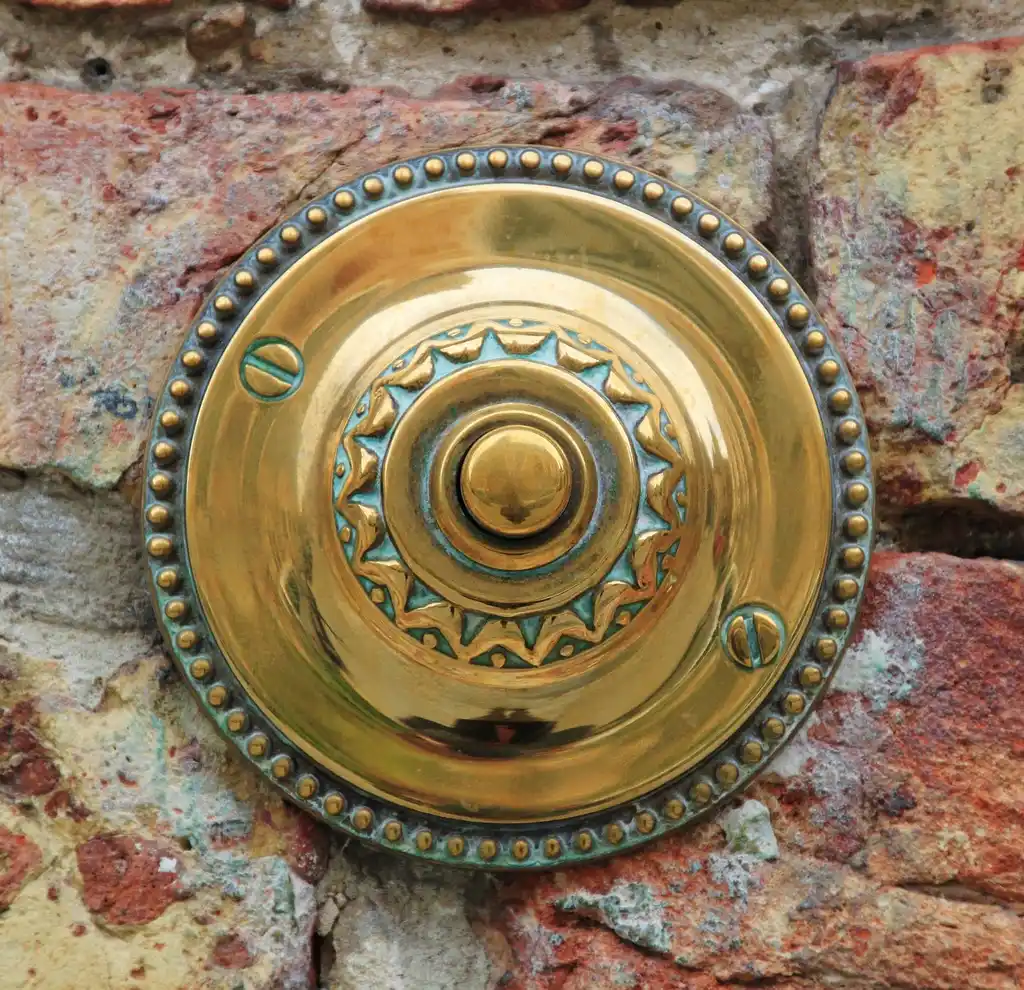
Solid Brass vs Brass-Plated Hardware: How to Tell
Solid brass is nonmagnetic and usually keeps a yellow-gold tone under wear, while brass-plated hardware often reveals a different base metal at worn edges, screw holes, or a file mark. If a magnet sticks, solid brass is unlikely. Choosing wrong can mean paying solid-brass prices for plated pieces that tarnish, chip, or wear through sooner and need earlier replacement. This guide shows the showroom checks, the wear clues, and the replacement-cost trade-offs that separate the two. (Brass is typically a copper-zinc alloy; copper alloys are generally nonmagnetic unless specific ferrous additions are present. See ASM Handbook, Copper Development Association, and MatWeb material data.)
| Decision factor | Solid brass | brass-plated hardware | Winner |
|---|---|---|---|
| Material through the whole piece | Brass alloy all the way through; brass is a copper and zinc alloy. | Thin brass layer over steel, zinc alloy, or occasionally plastic. | Solid brass |
| Weight and feel | Density is typically around 8.4 to 8.7 g/cm³ depending on the alloy, so comparable pieces often feel denser and more settled. | Often feels lighter; plated zinc is commonly the lighter piece when two look alike. | Solid brass |
| Wear at touch points | High-touch zones polish brighter while the rest darkens. | Wear shows the base metal at edges, friction points, and knuckles. | Solid brass |
| Corrosion risk after coating failure | Can darken and patina, then polish back. | Plated steel can rust orange once the coating fails, and plated hardware may fail faster in coastal areas. | Solid brass |
| Upfront vs replacement cost | Usually higher upfront, lower chance of early replacement. | Lower upfront on many budget pieces, but replacement can arrive sooner in high-touch or wet locations. | Depends on location |
Weight, wear, and where to use each type
The main trade-off is simple: solid brass costs more up front, but it stays the same material through the whole part and handles wear better at touch points. Brass-plated hardware can look close on day one, yet the thin brass layer is what fails first when fingers, cleaning, and friction concentrate in one spot. Manufacturer literature commonly describes decorative brass finishes, PVD brass-look coatings, and unlacquered brass as separate finish categories from true solid brass, so the label matters as much as the color.
Material, density, and weight
Solid brass is brass all the way through, so its feel comes from the alloy itself rather than a thin surface layer. Brass-plated hardware may hide steel, zinc alloy, or even plastic underneath, which is why the same-looking pull can feel lighter in hand. Density alone is not proof, though: weight depends on both the base metal and the geometry of the part.
Wear behavior and patina
Solid brass can darken over time and can be polished back after it develops patina. Brass-plated hardware wears differently: once the coating thins at edges and knuckles, a different-colored base metal appears and the finish stops looking uniform. In practice, the first wear points are usually the thumb pad, underside, leading edge, and moving joints. Manufacturer spec sheets and plating guidance also note that thin decorative finishes are more vulnerable to abrasion in repeated-contact locations.
Best-fit use cases by location
Use solid brass where hands touch the hardware often, where the piece flexes, or where replacement would be annoying. Brass-plated hardware can make sense on low-touch, low-abuse parts, but it is a weaker bet for kitchens, baths, and exterior exposures where moisture, cleaning chemistry, and friction shorten its life. Humidity, salt air, and repeated wiping all increase the odds of edge wear and coating failure.
How can you tell with a magnet, weight, and sound?
A magnet, a careful heft test, and a tap test usually give a usable first pass, but none of them alone proves the material. A magnet can rule out solid brass when it sticks, weight helps you compare similar-sized pieces, and sound can support the answer when you compare against a known solid brass reference. The sound test is only a clue, though; shape, mounting, and hollow sections can change it enough to mislead.
Magnet test: first-pass filter only
Brass is not magnetic, so a magnet sticking suggests plated steel rather than solid brass. That still leaves brass-plated zinc and other nonmagnetic base metals on the table, so a nonstick result is only a first-pass filter, not a final verdict. This is consistent with standard metallurgy references from ASM and Copper Development Association, which describe brass as a copper-zinc alloy and not a ferromagnetic material in normal use.
Weight and heft against a known reference
Solid brass has a density of roughly 8.4 to 8.7 g/cm³ depending on alloy, so comparable pieces tend to feel denser and more settled in the hand. The safest comparison is side by side with a known piece of similar size; the lighter piece is often plated zinc when the two look alike.
Suppose two cabinet pulls look nearly identical in a showroom, but one feels noticeably lighter when you hold them one at a time. That lighter pull is the one to question first, especially if the retailer’s listing only says “brass finish” instead of naming the base material.
Sound test against a known solid brass piece
Solid brass can give a clearer, more resonant sound when tapped, while some plated zinc pieces sound duller. Use this only as a supporting clue and compare against a known solid brass piece of similar size, because the sound is easier to judge by contrast than by memory. The result is suggestive, not definitive.
What do wear points reveal about the finish?
Wear points tell you where the surface is losing the battle. The thumb pad, underside, leading edge, and knuckles take the most contact, so that is where solid brass brightens and where plating usually breaks first.
Thumb pad, underside, and leading edge
On solid brass, those high-touch zones often polish brighter while the rest of the piece darkens. On brass-plated hardware, the same zones may show a different color at the edges long before the whole part looks worn out.
A common first-timer mistake is judging a hinge only by its polished outer surface and ignoring the cut edges or screw holes. The underside and the leading edge usually tell the story sooner, especially on drawer pulls that get gripped the same way every day.
Knuckles and friction zones
Hinges, lever handles, and towel bars take repeated abrasion at small contact points, so the finish can fail there even when the center still looks fine. If the corners or moving joints show base metal, the piece is no longer behaving like solid brass across its full surface.
When breakthrough exposes the base metal
On brass-plated steel, the coating can breach and expose a magnetic core that may rust orange. On brass-plated zinc, the exposed base metal does not rust the same way as steel, but the color shift is still a sign that the brass layer has worn thin. That is the point where the replacement-cost math starts to favor solid brass.
How do patina and corrosion change the verdict?
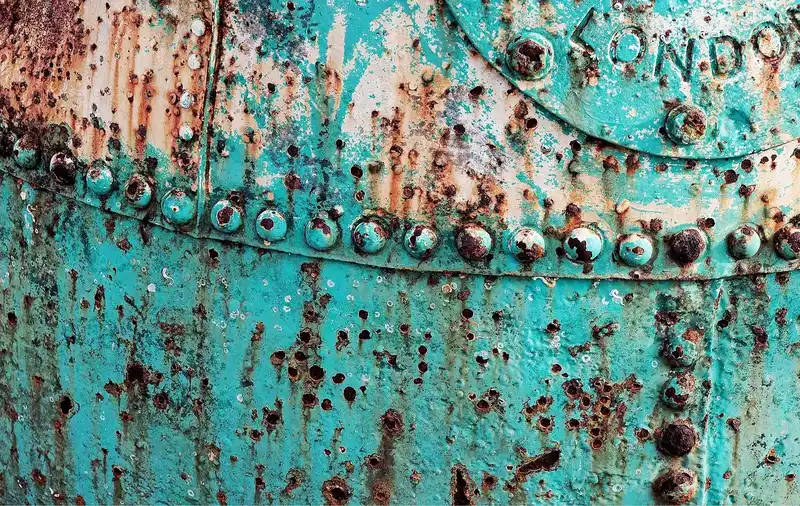
Patina is normal on solid brass. It darkens over time, then shows bright areas where hands touch and darker crevices where oxidation lingers. Brass-plated hardware can also change color, but once the coating fails, the shift points to a different base metal rather than a uniform aging of brass.
Solid brass darkening and polishability
Solid brass can be polished back after it darkens, so the change is usually cosmetic rather than structural. That makes it a better long-term choice when you want hardware that can age and still return to a clean brass tone.
Bright spots versus darker crevices
When a solid brass pull is used often, the thumb pad and leading edge may brighten faster than the recesses. That contrast is expected. It is different from patchy failure on plated hardware, where the bright spot is a warning that the thin surface has worn through.
Brass-plated steel, orange rust, and failure risk
Brass-plated steel is the budget impostor to watch for. It has a magnetic core and can rust orange once the brass layer is breached, which is why it is a poor fit for wet rooms, exterior trim, and coastal properties where moisture reaches the exposed edges quickly. Corrosion handbooks and manufacturer specs consistently warn that salt air, humidity, and repeated wetting accelerate coating failure and substrate corrosion.
| Test | What solid brass looks like | What brass-plated looks like | What a false positive means | Safe for installed hardware? |
|---|---|---|---|---|
| Magnet | Does not stick. | Sticks if the core is steel. | Nonstick does not prove solid brass; zinc alloy and other nonmagnetic bases can also avoid a magnet. | Yes |
| Weight and heft | Feels denser and more settled for its size. | Often feels lighter; plated zinc is commonly the lighter piece when compared side by side. | A heavy piece can still be plated over a dense base metal. | Yes |
| Sound | Clear, resonant ring when tapped. | Dull, dead click when tapped. | Mounting method, shape, and hollow sections can change the sound. | Yes, with care |
| Wear points | Polishes brighter at the thumb pad, underside, leading edge, and knuckles. | Edges reveal a different colored metal where the brass layer thins. | A shiny spot can be cleaning wear, not only plating failure. | Yes |
| Scratch or file mark | Scratch stays yellow-gold through the metal. | Scratch can expose a different color beneath the coating. | This test is destructive and can leave a visible mark. | No, unless you accept damage |
| Listing language | Material is stated directly as brass. | Words like antique brass or brass finish may describe color only. | Vague finish language is not proof of plating by itself. | N/A |
Solid brass vs brass-plated hardware checklist
Methodology note: This checklist is built for in-store or installed-hardware inspection. Start with non-destructive checks first, compare against a known reference when possible, and reserve any scratch or file test for pieces you are willing to mark.
- Start with the listing. Treat antique brass, brass finish, brass effect, and brass-look as finish language unless the material is stated clearly.
- Use a magnet first. If it sticks, do not call the piece solid brass.
- Compare heft against a known solid brass piece of similar size. Do not rely on “feels heavy” alone.
- Tap the part and listen for a clear ring versus a dull click.
- Inspect wear points, especially the thumb pad, underside, leading edge, and knuckles.
- If you are still unsure, avoid scratching visible finished hardware unless you accept cosmetic damage.
Solid brass vs brass-plated hardware by use case
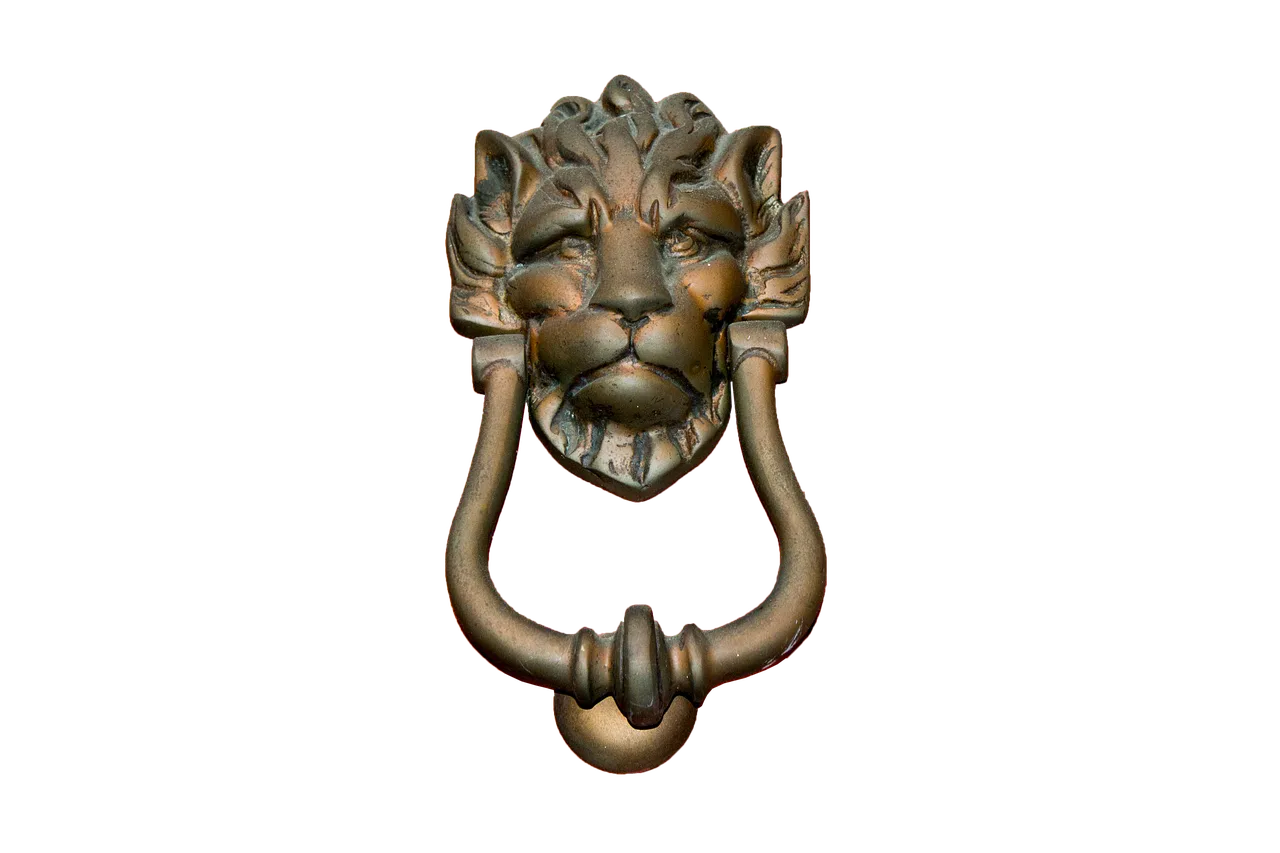
The right choice changes with location. Cabinets, doors, towels, and exterior trim do not punish hardware in the same way, so the replacement-cost decision should follow wear risk, not just showroom appearance.
| Hardware type | Likely wear risk | Why |
|---|---|---|
| Cabinet pull | High | Repeated finger contact concentrates wear on the thumb pad and leading edge. |
| Lever handle | High | Frequent touching and flexing make breakthrough more likely at knuckles and edges. |
| Hinge | Medium | Less hand contact than a pull, but moving joints and friction still matter. |
| Towel bar | Medium to high | Bathroom moisture and repeated contact raise the odds of finish failure. |
| Exterior trim | High | Weather exposure and moisture make plated failure more likely, especially near the coast. |
Cabinets and drawer pulls
Choose solid brass for cabinet pulls when you want the finish to age predictably and take frequent handling. Brass-plated hardware can work on low-use cabinets, but high-touch kitchen drawers usually expose wear sooner than the showroom sample suggests.
Doors, levers, hinges, towel bars, and exterior trim
Door levers and towel bars take more contact than most buyers expect, and exterior trim sees the harshest environment of the group. For those parts, solid brass is the safer buy when replacement would be inconvenient or when moisture is a regular issue.
Say your bathroom towel bar is near a shower and the listing says “brass finish” with no material callout. That is a reason to slow down, because the finish may look right on arrival but fail at the ends first, where fingers and damp air work on the coating together.
Humidity, coastal air, and replacement timing
Plated hardware can fail faster in coastal properties, and humid rooms are harder on thin coatings than dry interior spaces. If the part sits near salt air, steam, or constant wiping, the cost-per-year case usually moves toward solid brass because replacement cycles are less likely to be short.
Manufacturer terms that confuse buyers
Some product pages use construction terms, while others use finish marketing. Solid forged brass, solid brass, unlacquered brass, brass finish, and PVD brass-look do not all mean the same thing, and the service life can be very different even when the color is similar.
Solid forged brass
This usually points to a brass body shaped from a forged or formed brass blank. It is generally the clearest sign that the part is brass through the body, not only on the surface.
Brass finish
This often describes color, not base material. A steel or zinc part can still be sold as brass finish if the visible surface is made to look brass.
PVD brass-look
This is a durable coating system used to mimic brass without making the whole part brass. It can resist wear better than simple decorative plating in some applications, but it is still not the same thing as solid brass.
Unlacquered brass
This is typically solid brass without a clear protective topcoat, so it develops patina faster and more naturally. Buyers who want the living finish effect often choose it for that reason.
Choose Solid brass if… / Choose brass-plated hardware if…
Choose solid brass if the part will be touched often, mounted in a bath or near an exterior opening, or expected to age without losing the brass look at the edges. Choose brass-plated hardware if the piece is low-touch, the listing clearly signals a budget build, and you are willing to replace it sooner when the coating wears.
Choose Solid brass if…
Choose solid brass if you need a magnet to stay clear, want the piece to polish back after darkening, or are comparing hardware of similar size and the heavier one feels more settled. It is also the better call for cabinet pulls, lever handles, towel bars, and exterior trim where wear points show up fast.
Choose brass-plated hardware if…
Choose brass-plated hardware if the part is decorative, lightly used, and not exposed to much moisture or friction. It can work when the goal is a brass look at lower upfront cost, but you should expect the finish to be the part that goes first, not the base metal.
Frequently asked questions
How can you tell solid brass from brass-plated hardware?
Start with a magnet, then compare weight, sound, and wear points. Solid brass is nonmagnetic, feels denser for its size, and rings more clearly when tapped. Brass-plated hardware can look the same at first, but worn edges often reveal a different-colored base metal.
Does a magnet show whether hardware is solid brass?
Only partly. Brass is not magnetic, so a magnet sticking means you are probably looking at brass-plated steel. A nonstick result does not prove solid brass, because brass-plated zinc and other nonmagnetic bases can also pass that test.
Is brass-plated hardware worth buying for cabinets or doors?
It can be worth buying for low-touch cabinet fronts or decorative doors, especially if the budget matters more than long service life. For high-use handles and levers, the thinner coating is more likely to wear at the edges and show the base metal sooner.
What does solid brass feel like compared with plated hardware?
Solid brass usually feels denser and more settled when you compare similar-sized pieces by hand. Brass-plated hardware often feels lighter, and plated zinc is commonly the lighter piece when two look alike. Compare against a known solid brass reference, not memory alone.
Why does brass-plated hardware tarnish or flake over time?
The brass layer is thin, so repeated contact wears it first at friction points. Once the coating thins, the base metal shows through. On brass-plated steel, the exposed core can rust orange, especially in damp or coastal locations.
Can solid brass be polished back after it darkens?
Yes. Solid brass can develop patina, but that darkening is usually cosmetic and can be polished back. Bright touch zones and darker crevices are normal on aging brass, which is different from plating failure that exposes another metal underneath.
What should I look for on a listing that says antique brass or brass finish?
Treat those as finish terms unless the listing clearly states solid brass or brass base metal. Antique brass and brass finish often describe color, not construction. If the product page is vague, check whether it names steel, zinc alloy, or another base under the finish.
Sponsored / affiliate links. As an Amazon Associate I earn from qualifying purchases. I may earn additional commission from eligible campaigns.