How Does a Door Handle Work? A Simple Guide for Everyone
When I was a kid, I loved twisting the door handle at my grandma’s house. It made a satisfying click that opened the door to her cozy living room. That’s when I got curious about how does a door handle work. In this article, I’ll explain door handles in a way that’s easy for everyone—kids, beginners, and even pros. You’ll learn what a door handle is, how it works, and how to install or fix one. I’ll share simple tips, fun examples, and tables to make it clear. Let’s dive in!
What Is a Door Handle?
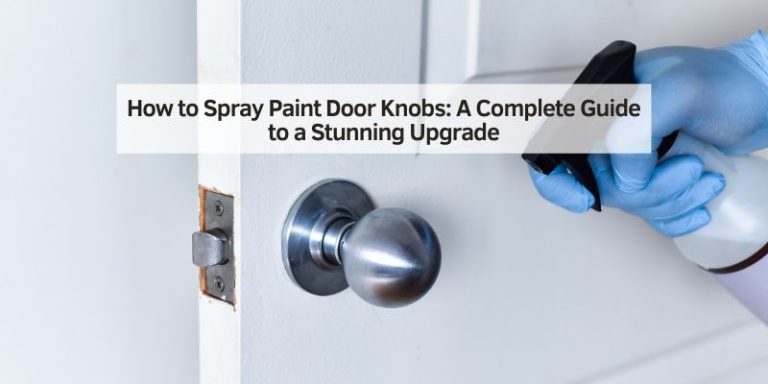
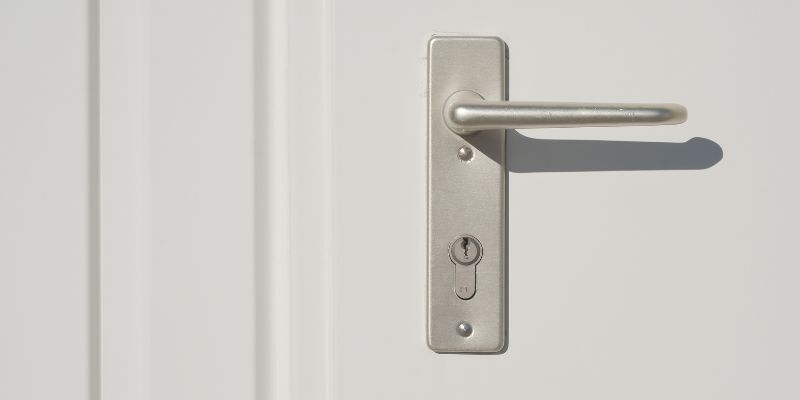
A door handle is a tool you use to open or close a door. It’s the part you grab, turn, or push to get in or out. Door handles come in different shapes, like knobs or levers. They’re found on house doors, car doors, and even cabinets. I like levers because they’re easier to grip, especially for kids or older folks.
Handles work with a lock or latch inside the door. When you turn the handle, it moves the latch to let the door swing open. It’s like a key that unlocks a door without needing a key! Understanding this helps you fix or pick the right handle.
How Does a Door Handle Work?
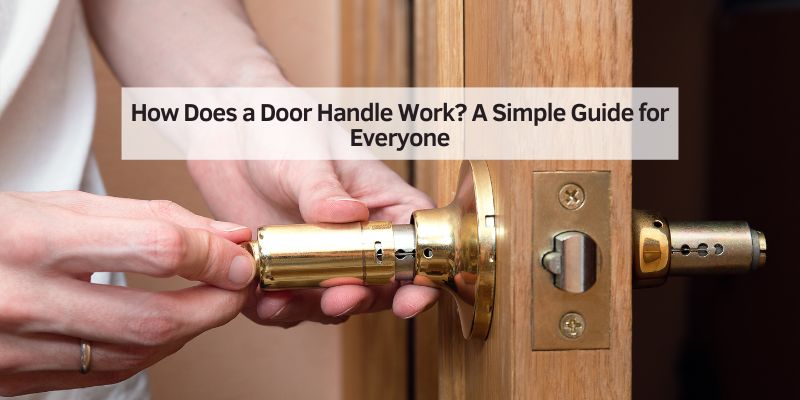
Let’s break down how does a door handle work with a simple example. Imagine you’re opening your bedroom door. You turn the knob, and the door pops open. Here’s what happens inside:
- The Handle: You grab the knob or lever. It’s connected to a metal rod called a spindle.
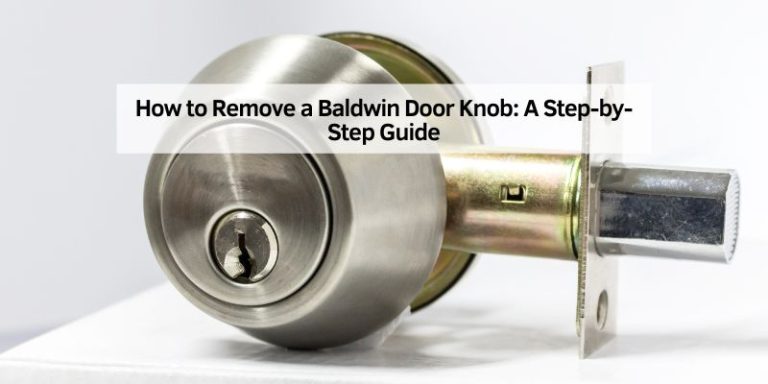
- The Spindle: This rod spins when you turn the handle. It links the handle to the latch.
- The Latch: A small metal piece sticks out from the door’s edge. It catches the door frame to keep the door closed. When you turn the handle, the spindle pulls the latch back, letting the door open.
Think of it like a seesaw. Your hand pushes one end (the handle), and the other end (the latch) moves. This simple system makes doors easy to use.
Types of Door Handles
Door handles come in many types. Each works a bit differently. Here are the main ones:
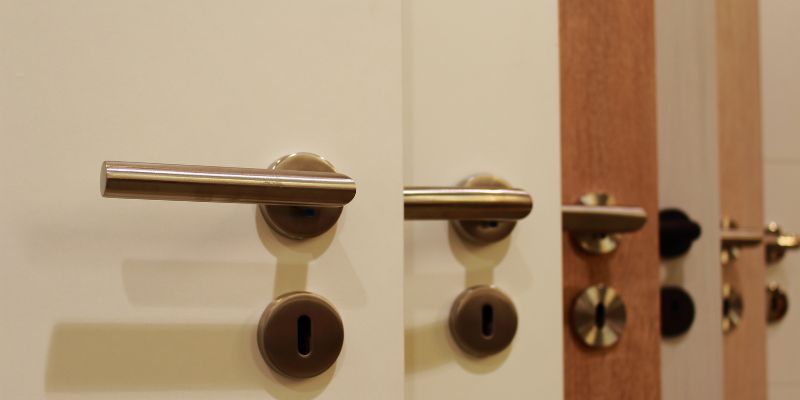
- Knob Handles: Round and twisty, like on most bedroom doors. They’re cheap but can be hard for kids to grip.
- Lever Handles: Long and flat, like on office doors. They’re easy to push down, even with your elbow!
- Pull Handles: Found on sliding doors. You pull them to open, no twisting needed.
- Dummy Handles: Fake handles for decoration, like on closet doors. They don’t move a latch.
Here’s a table to compare them:
Table 1: Types of Door Handles
| Type | How It Works | Best For | Cost |
|---|---|---|---|
| Knob | Twist to open | Bedrooms | $5-20 |
| Lever | Push down | Offices, homes | $10-50 |
| Pull | Pull to slide | Sliding doors | $10-30 |
| Dummy | Doesn’t move | Closets | $5-15 |
Caption: This table shows common door handle types, their uses, and price ranges.
Tools and Steps to Install a Door Handle
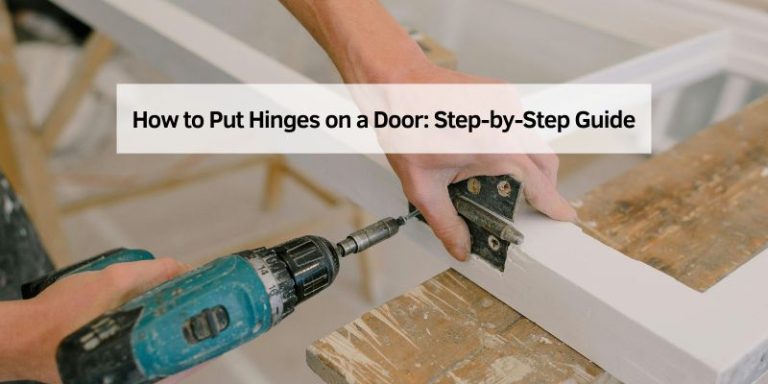
Installing a door handle is fun and easy with the right tools. I once helped my dad put a new lever handle on our bathroom door. It took us 20 minutes! Here’s what you need and how to do it.
Tools You’ll Need
- Screwdriver: A Phillips one works for most handles.
- Tape Measure: To check the door’s thickness.
- New Handle: Pick one that fits your door (check the package).
- Screws: Usually come with the handle.
Table 2: Tools for Installing a Door Handle
| Tool | Purpose | Where to Buy |
|---|---|---|
| Screwdriver | Tighten screws | Home Depot, Walmart |
| Tape Measure | Measure door | Any hardware store |
| Handle | Opens door | Online, local shops |
| Screws | Hold handle in place | Included with handle |
Caption: These tools make installing a door handle quick and easy.
Steps to Install
- Remove Old Handle: Unscrew the old handle. Pull it off both sides.
- Check the Hole: Make sure the new handle fits the door’s hole.
- Insert the Latch: Slide the latch into the door’s edge. Screw it in.
- Attach the Handle: Put the new handle on both sides. Connect the spindle.
- Tighten Screws: Use the screwdriver to secure everything.
- Test It: Turn the handle to check if the latch moves smoothly.
Tip: Always test the handle before closing the door. You don’t want to get stuck!
Benefits and Drawbacks of Door Handles
Door handles make life easier, but they have pros and cons. Here’s what I’ve learned from using and fixing them.
Benefits
- Easy to Use: Most handles open with a quick twist or push.
- Many Styles: You can pick a shiny knob or a cool lever to match your house.
- Affordable: Basic handles cost as little as $5.
Drawbacks
- Can Break: Cheap handles might jam or loosen over time.
- Hard for Some: Knobs can be tough for kids or people with weak hands.
- Need Maintenance: Dust or rust can make handles sticky.
Table 3: Door Handle Pros and Cons
| Feature | Pro | Con |
|---|---|---|
| Ease | Quick to use | Knobs hard for some |
| Cost | Starts at $5 | Cheap ones break |
| Style | Many designs | May not match decor |
Caption: This table compares the good and bad of door handles.
My Tips for Door Handles
After years of tinkering with door handles, here are my best tips:
- Pick Levers for Kids: They’re easier to use than knobs.
- Clean Regularly: Wipe handles with a damp cloth to avoid sticky latches.
- Check Screws Monthly: Loose screws make handles wobbly. Tighten them!
- Oil the Latch: A drop of oil keeps the latch smooth. Use WD-40.
Visual Idea: A diagram showing the spindle and latch inside a door would help. Another could show knob vs. lever handles. A photo of tools on a table would be cool too.
Common Mistakes to Avoid
I’ve seen people make simple mistakes with door handles. Here’s what to watch out for:
- Buying the Wrong Size: Measure your door’s hole before buying.
- Forgetting to Test: Always check the handle before closing the door.
- Using Bad Screws: Use the screws that come with the handle. Others might not fit.
These tips save time and money. Trust me, I learned the hard way when I installed a handle upside down once!
Other Ways to Open Doors
Not all doors use handles. Here are some cool options:
- Push Bars: Found in stores. You push to open, no twisting.
- Sliding Doors: Use tracks and rollers, not latches.
- Automatic Doors: Sensors open them for you, like in malls.
Each has its own use. I like automatic doors for busy places, but handles are best for homes.
Conclusion
Door handles are simple but amazing tools. They let us open doors with a quick twist or push. You’ve learned how does a door handle work, from the spindle to the latch. I shared how to install one, pick the right type, and avoid mistakes. Try installing a new handle on your door—it’s fun and easy! Share your project in the comments or ask me a question. Let’s make doors fun! For more home tips, check out This Old House or Home Depot.
Frequently Asked Questions
What is a door handle made of?
Door handles are often metal, like brass or steel, for strength. Some are plastic for cheap options or wood for fancy looks. Metal lasts longer, but plastic is lighter. Always pick a sturdy one for doors you use a lot, like your front door.
How do I fix a loose door handle?
A loose handle needs tightening. Grab a screwdriver and tighten the screws on both sides. If it’s still wobbly, check if the spindle is bent. I fixed my kitchen handle this way, and it took five minutes!
Why does my door handle stick?
A sticky handle might have dirt or rust. Clean it with a damp cloth or add a drop of oil to the latch. If it’s still sticky, the latch might be broken. Try replacing it with a new one from Lowes.
Can I install a door handle myself?
Yes, you can! It takes a screwdriver, a new handle, and 20 minutes. Follow my steps above, and test the handle before closing the door. I installed one on my closet door, and it was super easy!
What’s the difference between a knob and a lever?
A knob is round and twists to open. A lever is flat and pushes down. Levers are easier for kids or older people. I switched to levers in my house, and everyone loves them.
Are door handles expensive?
Basic handles cost $5-20. Fancy ones, like brass levers, can be $50 or more. Check sales at Ace Hardware for deals. I got a nice knob for $10 once!
How do I choose the right door handle?
Measure your door’s hole and thickness first. Pick a style you like, like a lever for easy use. Check if it comes with screws and a latch. I always read reviews online before buying.