How Does a Gearless Ratchet Work: A Deep Dive into a Clever Tool
Hey there! If you’ve ever used a ratchet wrench, you know how satisfying that click-click sound is when you’re tightening a bolt. But have you ever stopped to wonder how a gearless ratchet works? I’ve spent hours tinkering with tools in my garage, and the gearless ratchet has always fascinated me. Unlike traditional ratchets with their toothy gears, these clever tools operate on a completely different principle, delivering smooth action and surprising strength.
In this article, I’m going to walk you through the magic behind gearless ratchets, breaking it down so anyone can understand. Whether you’re a weekend mechanic or just curious about tools, stick with me—I promise it’s more interesting than it sounds!
Let’s dive into the world of gearless ratchets, exploring what makes them tick, how they compare to geared ratchets, and why they’re a game-changer for automotive work. By the end, you’ll know exactly how these tools work and why they deserve a spot in your toolbox.
What Is a Gearless Ratchet?
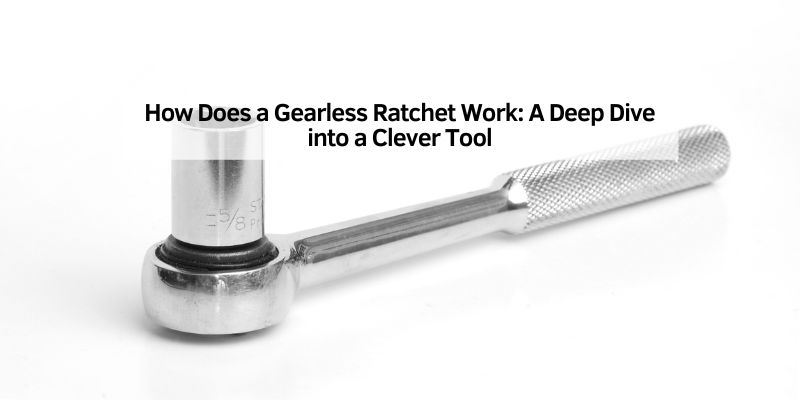
When I first picked up a gearless ratchet, I was puzzled. It didn’t have the familiar click of a traditional ratchet, yet it still worked like one. So, what exactly is a gearless ratchet? Simply put, it’s a type of ratchet wrench that allows you to turn a bolt or nut in one direction while letting the handle swing freely in the opposite direction, without using gears. Traditional ratchets rely on a gear and pawl system to create that ratcheting action, but gearless ratchets use a different mechanism, often involving rollers, clutches, or cams.
I remember the first time I used one on a stubborn bolt under my car. The smooth, almost silent operation felt like magic. These tools are designed to be durable, low-maintenance, and incredibly precise, making them a favorite for mechanics who need reliability in tight spaces. Unlike geared ratchets, which have teeth that can wear out, gearless ratchets offer a smoother motion and can handle high torque without skipping.
The Mechanics Behind a Gearless Ratchet
Now, let’s get to the heart of it: how does a gearless ratchet actually work? I’ve taken apart a few of these tools to see what’s going on inside, and it’s pretty ingenious. Instead of gears, most gearless ratchets use a roller or clutch system to control the direction of movement. Here’s how it typically works:
Inside the ratchet head, there’s a cylindrical core connected to the drive (the part that fits onto the socket). Surrounding this core are rollers or pins, which are held in place by a sleeve or housing. When you turn the handle in the “tightening” direction, the rollers wedge against the core, locking it in place so the force transfers to the bolt. When you swing the handle back in the opposite direction, the rollers release, allowing the handle to move freely without turning the bolt.
Think of it like a one-way clutch on a bicycle. You pedal forward, and the wheel turns. You stop pedaling, and the wheel spins freely. I was amazed at how simple yet effective this design is. Some gearless ratchets use a cam mechanism instead of rollers, but the principle is similar: the tool locks in one direction and slips in the other, all without gears.
What I love about this setup is how smooth it feels. There’s no “click” from gear teeth, just a fluid motion. This makes gearless ratchets ideal for delicate tasks where you need precise control, like working on small engine components.
Why Choose a Gearless Ratchet Over a Geared One?
When I first started wrenching, I stuck with traditional geared ratchets. They’re reliable, and that satisfying click makes you feel like you’re getting work done. But after trying a gearless ratchet, I saw the difference. Let’s break down why you might choose a gearless ratchet over a geared one.
First, gearless ratchets are smoother. Because there are no gear teeth, there’s no “step” or jump between clicks. This is great for working in tight spaces where you only have a small swing arc. I’ve used gearless ratchets on exhaust bolts in cramped engine bays, and the smooth action made the job so much easier.
Second, they’re more durable. Gear teeth can wear down or skip under high torque, especially if you’re working on something tough like a rusted suspension bolt. Gearless ratchets, with their roller or clutch system, are less likely to fail under pressure. I’ve put mine through some serious abuse, and it still works like new.
Third, they’re low-maintenance. Geared ratchets need occasional cleaning and lubrication to keep the pawl and gears moving smoothly. Gearless ratchets, with fewer moving parts, are less prone to collecting grime. I’ve found mine stays reliable even after months of heavy use in my dusty garage.
Here’s a quick comparison to make it clear:
| Feature | Gearless Ratchet | Geared Ratchet |
|---|---|---|
| Mechanism | Rollers, clutches, or cams | Gear and pawl system |
| Motion | Smooth, continuous | Clicky, stepped |
| Durability | High, resists wear | Moderate, gears can wear out |
| Maintenance | Low, fewer parts to clean | Higher, needs regular lubrication |
| Best For | Tight spaces, high torque | General use, familiar feel |
While geared ratchets are still great for many jobs, gearless ratchets shine when you need precision and durability. I keep both in my toolbox, but the gearless one gets more use these days.
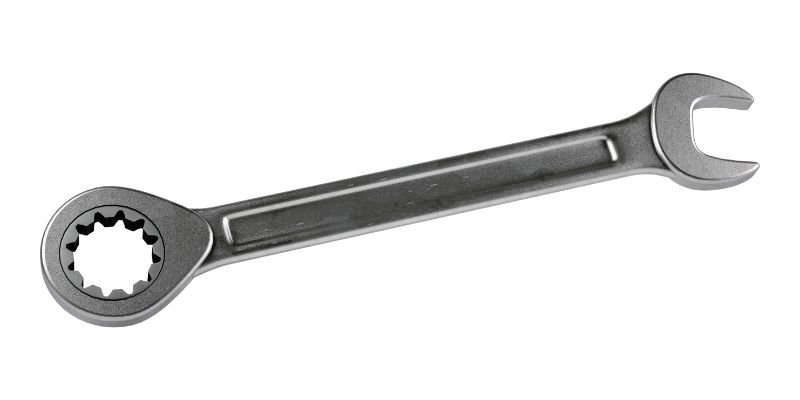
Common Types of Gearless Ratchet Mechanisms
Not all gearless ratchets are the same. Over the years, I’ve come across a few different designs, each with its own twist. Here are the most common types of gearless ratchet mechanisms you’ll find:
Roller Clutch System
This is the most popular design. As I mentioned earlier, it uses rollers or pins that wedge against a central core to lock the drive in one direction. The rollers are held in place by a spring-loaded sleeve. When you turn the handle in the opposite direction, the rollers slip, allowing free movement. I’ve found this system to be incredibly reliable, especially for high-torque jobs like loosening lug nuts.
Cam-Based System
Some gearless ratchets use a cam mechanism instead of rollers. The cam is an oddly shaped piece that rotates to lock or release the drive. I’ve used a cam-based ratchet on smaller bolts, and it feels almost like a precision instrument. The downside? They can be less durable under extreme torque compared to roller clutch systems.
Ball Bearing System
A less common design uses ball bearings instead of rollers. The bearings work similarly, wedging against the drive to lock it in one direction. I haven’t used this type as much, but it’s known for being super smooth and quiet. It’s great for delicate tasks, like working on motorcycle engines, but might not handle heavy-duty jobs as well.
Each type has its strengths, and the best one depends on what you’re working on. For general automotive work, I lean toward the roller clutch system because it’s versatile and tough.
Benefits of Using a Gearless Ratchet in Automotive Work
As someone who’s spent countless hours under the hood, I can tell you gearless ratchets are a game-changer for car repairs. Here’s why they’re so useful in automotive work:
First, they’re perfect for tight spaces. Cars are full of cramped corners—think about trying to reach a bolt behind an alternator or under a dashboard. The smooth action of a gearless ratchet means you can work with a tiny swing arc, sometimes just a few degrees. I’ve saved so much time (and frustration) using one in these situations.
Second, they’re strong. I’ve used gearless ratchets to break loose stubborn bolts that would’ve made a geared ratchet skip. The clutch system distributes force evenly, so you can apply serious torque without worrying about damaging the tool.
Third, they’re versatile. Whether you’re working on a classic muscle car or a modern compact, a gearless ratchet can handle a wide range of tasks. From tightening spark plugs to securing suspension components, it’s a tool you’ll reach for again and again.
Finally, they’re quiet. If you’re working late at night in your garage and don’t want to wake the neighbors, the near-silent operation is a nice bonus. I’ve had moments where I appreciated not hearing that loud “click” echoing through the house.
How to Choose the Right Gearless Ratchet
Picking the right gearless ratchet can feel overwhelming with so many options out there. I’ve made a few mistakes buying tools that didn’t quite fit my needs, so here’s what I’ve learned to look for:
- Drive Size: Gearless ratchets come in standard drive sizes like 1/4-inch, 3/8-inch, and 1/2-inch. For most automotive work, a 3/8-inch drive is versatile. I use a 1/2-inch for heavy-duty tasks like suspension work and a 1/4-inch for smaller jobs like interior trim.
- Build Quality: Look for a ratchet made from high-quality steel, like chrome vanadium. I’ve had cheaper tools bend under pressure, so investing in a reputable brand is worth it.
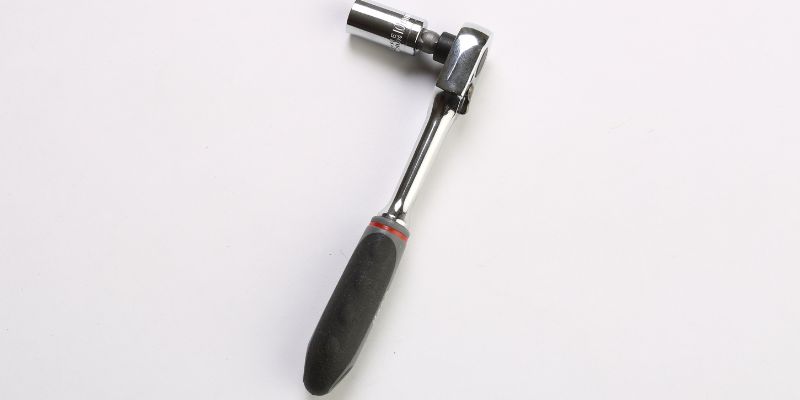
- Ergonomics: A comfortable handle makes a big difference during long wrenching sessions. I prefer ratchets with a textured grip that doesn’t slip when my hands are greasy.
- Switching Mechanism: Most gearless ratchets have a switch to change the direction of the ratchet. Make sure it’s easy to use and doesn’t stick. I’ve had tools where the switch was too stiff, and it slowed me down.
- Price vs. Value: Gearless ratchets can be pricier than geared ones, but they’re worth it for the durability. I’ve found mid-range models from brands like Snap-on or GearWrench offer a great balance of quality and cost.
Before buying, I always check reviews from other mechanics to see how the tool holds up in real-world use. If you’re just starting out, a 3/8-inch gearless ratchet is a solid choice for most automotive tasks.
Maintaining Your Gearless Ratchet
One of the reasons I love gearless ratchets is how low-maintenance they are, but that doesn’t mean you can ignore them completely. Here’s how I keep mine in top shape:
- Clean It Regularly: After a greasy job, I wipe down the ratchet with a rag and some degreaser. This keeps dirt from building up inside the mechanism.
- Store It Properly: I store my ratchets in a toolbox drawer with foam inserts to prevent them from banging around. This also keeps them safe from moisture, which can cause rust.
- Check for Wear: Every few months, I inspect the ratchet head for any looseness or sticking. If it feels off, it might need a quick cleaning or, in rare cases, professional servicing.
- Avoid Over-Torquing: While gearless ratchets are tough, pushing them beyond their limits can damage the clutch system. If I need extra force, I switch to a breaker bar.
I’ve had my main gearless ratchet for years, and it’s still going strong because I take care of it. A little attention goes a long way.
Real-World Applications in My Garage
Let me share a quick story. Last summer, I was working on a 1969 Mustang restoration. The suspension bolts were rusted tight, and I needed to get them off without stripping them. My geared ratchet kept skipping, and I was getting nowhere. I switched to my gearless ratchet, and the smooth, high-torque action broke those bolts free in no time. That’s when I really appreciated what this tool can do.
I’ve also used gearless ratchets for more delicate jobs, like installing new brake calipers or tightening intake manifold bolts. The smooth action lets me feel exactly how much torque I’m applying, which is critical when you’re working with aluminum parts that can strip easily.
Whether you’re doing routine maintenance like oil changes or tackling a full engine rebuild, a gearless ratchet is a tool you’ll use constantly. It’s become one of my go-to tools, and I bet it’ll be one of yours too.
Why Gearless Ratchets Are Worth the Investment
At this point, you might be wondering if a gearless ratchet is worth the extra cost. In my experience, absolutely. The combination of smooth operation, durability, and versatility makes it a tool that pays for itself over time. I’ve saved hours of frustration on tough jobs, and I haven’t had to replace my gearless ratchet like I have with some geared ones.
If you’re serious about automotive work—whether as a professional mechanic or a DIY enthusiast—a gearless ratchet is a smart addition to your toolbox. It’s not just a tool; it’s a problem-solver that makes your work easier and more efficient.
Conclusion
I hope you’re as excited about gearless ratchets as I am after diving into how they work! These tools are a testament to clever engineering, using rollers, clutches, or cams to deliver smooth, reliable performance without the need for gears. They’re durable, low-maintenance, and perfect for everything from tight engine bays to heavy-duty suspension work. After years of using them in my garage, I can say they’ve made my automotive projects faster and more enjoyable.
Whether you’re loosening a rusted bolt or fine-tuning a delicate component, a gearless ratchet gives you the control and strength you need. If you don’t already have one, I highly recommend adding it to your toolbox. It’s one of those tools that, once you use it, you’ll wonder how you ever got by without it. So, next time you’re wrenching on your car, give a gearless ratchet a try—I bet you’ll love it as much as I do!
FAQs
What’s the main difference between a gearless ratchet and a regular ratchet?
A gearless ratchet uses rollers or clutches instead of gears and a pawl to create the ratcheting action. This makes it smoother, more durable, and better for tight spaces compared to a regular geared ratchet.
Can a gearless ratchet handle heavy-duty automotive jobs?
Yes! I’ve used gearless ratchets on tough jobs like breaking loose rusted suspension bolts. They’re designed to handle high torque without skipping, making them great for heavy-duty tasks.
Are gearless ratchets harder to maintain?
Not at all. They’re actually easier to maintain because they have fewer moving parts than geared ratchets. A quick wipe-down and proper storage keep them in great shape.
Do gearless ratchets work well in tight spaces?
Absolutely. Their smooth action and small swing arc make them perfect for cramped areas, like engine bays or under dashboards, where you can’t get a full turn.
Are gearless ratchets more expensive?
They can be a bit pricier than geared ratchets, but the durability and performance make them worth it. I’ve found mid-range models offer great value for the price.