How Does Urine Get Into the Bladder? A Fascinating Journey Through the Body
Have you ever wondered how your body manages to get urine into the bladder? It’s one of those things we don’t think about often, but it’s pretty amazing when you dive into it. I remember being curious about this myself after a conversation with a friend who was dealing with some urinary issues. I started researching, and the more I learned, the more I was amazed by how our bodies work. This process involves a team of organs working together like a well-oiled machine.
In this article, I’m going to walk you through how urine gets into the bladder, step by step, in a way that’s easy to understand. Whether you’re just curious or want to know more about your body, I’ve got you covered with clear explanations and practical insights. Let’s take a friendly journey through the urinary system and uncover the magic behind this everyday process.
The Urinary System: Your Body’s Waste Management Team
When I first started learning about how urine gets into the bladder, I realized it all begins with the urinary system. This system is like your body’s cleanup crew, filtering out waste and keeping things running smoothly. It includes the kidneys, ureters, bladder, and urethra. Each part has a specific job, and together, they make sure waste leaves your body as urine.
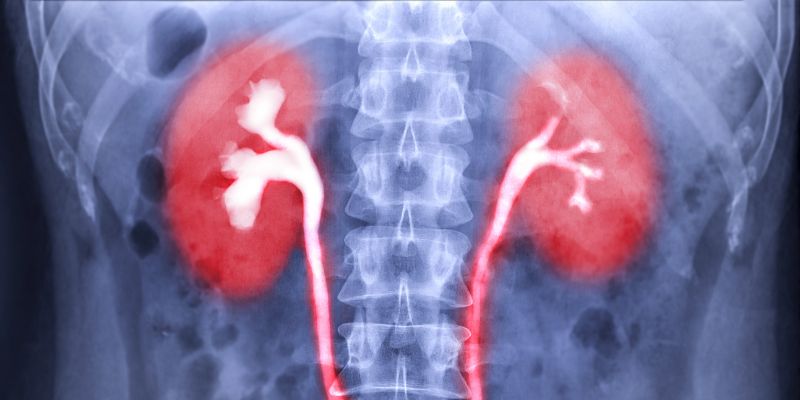
The kidneys are the stars of the show. They filter your blood, removing waste and extra water to create urine. The ureters are like pipelines, carrying urine from the kidneys to the bladder. The bladder is a storage tank, holding urine until you’re ready to let it go. Finally, the urethra is the exit path for urine to leave your body. Understanding these parts helped me see how everything connects, and it’s the foundation for explaining how urine ends up in the bladder.
The Kidneys: Where Urine Production Begins
Let’s start with the kidneys, because that’s where the whole process kicks off. I was blown away when I learned how hardworking these bean-shaped organs are. You’ve got two kidneys, one on each side of your spine, just below your ribcage. Each kidney is packed with about a million tiny filters called nephrons.
Here’s how it works: your blood flows into the kidneys through the renal arteries. The nephrons get to work, filtering out waste products like urea, excess salts, and water. I like to think of nephrons as tiny coffee filters, catching the stuff your body doesn’t need while letting the good stuff, like red blood cells and proteins, stay in your blood. The waste and extra water become a liquid that’s the starting point of urine.
This filtration happens all day, every day. In fact, your kidneys filter about 150-180 liters of blood daily, but only produce 1-2 liters of urine. That’s because most of the liquid gets reabsorbed into your blood to keep you hydrated. Pretty efficient, right? Once the urine is formed, it’s ready to move on to the next step.
The Ureters: The Highway to the Bladder
After the kidneys make urine, it needs to get to the bladder. That’s where the ureters come in. I remember picturing them as narrow tubes, like straws, connecting each kidney to the bladder. You have two ureters, one for each kidney, and they’re about 10-12 inches long in adults.
Urine flows through the ureters thanks to a process called peristalsis. It’s like a gentle wave that pushes the urine along, kind of like squeezing toothpaste out of a tube. When I learned about this, I was amazed at how the body has its built-in transport system. The ureters are lined with muscles that contract and relax to keep the urine moving in the right direction—toward the bladder.
There’s also a clever valve-like system where the ureters connect to the bladder. It prevents urine from flowing back into the kidneys, which could cause infections or damage. This one-way flow is key to keeping the whole system working smoothly.
The Bladder: Your Body’s Storage Tank
Once urine reaches the bladder, it’s like arriving at a temporary holding station. The bladder is a stretchy, muscular sac that sits in your pelvis. I was surprised to learn how flexible it is—it can hold about 400-600 milliliters of urine, roughly two cups, though it starts feeling full around half that amount.
When urine enters the bladder through the ureters, the bladder expands like a balloon. It’s designed to store urine until you’re ready to release it. The bladder’s walls are made of layers of muscle called the detrusor muscle, which stay relaxed while the bladder fills. I find it fascinating how the body knows to keep everything sealed until you decide it’s time to go.
There’s also a sphincter muscle at the bottom of the bladder, acting like a gatekeeper. It stays closed to prevent leaks and only opens when you’re ready to urinate. This teamwork between the bladder and sphincter is what lets you control when and where you pee.
How Your Brain Gets Involved
Here’s where things get really interesting. Your brain plays a big role in the whole process, especially when it comes to the bladder. I remember wondering how my body knows when it’s time to go to the bathroom. It turns out, your bladder and brain are in constant communication.
As the bladder fills with urine, stretch receptors in its walls send signals to your brain, saying, “Hey, we’re getting full!” Your brain then decides whether it’s a good time to head to the bathroom. If it’s not, it tells the sphincter to stay closed and the bladder to keep holding. When you’re ready, your brain gives the green light, the sphincter relaxes, and the bladder muscles contract to push the urine out through the urethra.
This coordination is something we take for granted, but it’s a complex dance between your nervous system and urinary system. When I realized how much my brain was involved, it made me appreciate how smart our bodies are.
What’s in Urine, Anyway?
I got curious about what exactly is in the urine that ends up in the bladder. Urine is mostly water—about 95%—but it also contains waste products your body needs to get rid of. The main waste is urea, which comes from breaking down proteins. There are also small amounts of salts, electrolytes, and other waste products like creatinine.
The kidneys are picky about what goes into urine. They make sure to keep the good stuff, like glucose and most water, in your blood. But anything your body doesn’t need—like excess vitamins or toxins—gets filtered out. I found it cool that the color and smell of urine can tell you a lot about your health. For example, dark yellow urine might mean you’re dehydrated, while a strong smell could be from something you ate, like asparagus.

Common Issues That Affect Urine Flow
While researching this topic, I learned that things don’t always go smoothly. Problems in the urinary system can affect how urine gets to the bladder. For example, kidney stones can block the ureters, making it hard for urine to flow. I had a friend who dealt with this, and he said it was super painful until the stone passed.
Infections, like urinary tract infections (UTIs), can also mess with the system. They can cause inflammation, making it harder for urine to move through the ureters or bladder. Another issue is an enlarged prostate in men, which can squeeze the urethra and slow urine flow. Women might experience issues from a weakened pelvic floor, especially after pregnancy, which can affect bladder control.
If you notice pain, burning, or changes in how often you pee, it’s worth checking with a doctor. These issues can usually be treated, but catching them early is key.
Keeping Your Urinary System Healthy
After learning all this, I started paying more attention to keeping my urinary system happy. Drinking plenty of water is the number one tip. It helps your kidneys filter blood and keeps urine flowing smoothly. I aim for 8-10 glasses a day, especially in hot weather.
Eating a balanced diet with lots of fruits and veggies helps, too. Foods like cranberries can prevent UTIs by stopping bacteria from sticking to the bladder walls. I also try to avoid holding my pee for too long—it can strain the bladder and increase infection risk.
Regular checkups are important, especially if you have a family history of kidney issues. I learned this from my dad, who had kidney problems and taught me to stay on top of my health. Simple habits like these can keep your urinary system running like a champ.
Here’s a quick table summarizing the urinary system’s key players and their roles:
| Organ | Role | How It Helps Get Urine to the Bladder |
|---|---|---|
| Kidneys | Filter blood to create urine | Produce urine from waste and excess water |
| Ureters | Transport urine from the kidneys to the bladder | Use peristalsis to move urine downward |
| Bladder | Store urine until release | Holds urine and signals when full |
| Urethra | Release urine from the body | Provides the exit path for urination |
Why Understanding This Matters
Knowing how urine gets into the bladder isn’t just cool trivia—it can help you take better care of yourself. When I started having frequent urges to pee, I realized it might be tied to dehydration or too much caffeine. Understanding the process helped me make small changes, like drinking more water and cutting back on coffee, which made a big difference.
It’s also helpful for spotting problems early. If you know how the system works, you’re more likely to notice when something’s off, like pain or unusual urine color. Plus, it’s empowering to understand your body and feel confident talking to a doctor if needed.
Conclusion
Exploring how urine gets into the bladder has been a real eye-opener for me. It’s incredible to think about the teamwork between the kidneys, ureters, bladder, and brain, all working together to keep your body clean and balanced. From the kidneys filtering your blood to the ureters pushing urine along and the bladder storing it until the right moment, every step is perfectly designed. I feel like I’ve gained a new respect for my body after learning all this, and I hope you do, too.
Whether you’re curious about your health or dealing with a urinary issue, understanding this process can make you feel more in control. Simple habits like staying hydrated and listening to your body can go a long way. So, next time you head to the bathroom, give a little nod to your urinary system—it’s working hard for you every day. Here’s to appreciating the small miracles inside us and keeping our bodies healthy and happy!
FAQs
How long does it take for urine to get from the kidneys to the bladder?
It usually takes a few seconds to a minute for urine to travel through the ureters to the bladder, thanks to the wave-like motion of peristalsis. The exact time depends on your hydration and how much urine is being produced.
Can drinking more water affect how my bladder works?
Yes, drinking more water helps your kidneys produce enough urine to flush out waste. It also keeps the bladder from getting irritated by concentrated urine, which can reduce the risk of infections.
Why does my bladder feel full even when I don’t drink much?
This could be due to irritation from a UTI, an overactive bladder, or even stress. If it happens often, check with a doctor to rule out underlying issues.
Is it normal for urine to have a strong smell?
Sometimes, yes, especially if you’ve eaten foods like asparagus or are dehydrated. But a persistent, strong smell could signal an infection or other issue, so it’s worth getting checked if it doesn’t go away.
Can problems in the ureters stop urine from reaching the bladder?
Yes, blockages like kidney stones or scar tissue can slow or stop urine flow. This can cause pain or infections, so see a doctor if you notice symptoms like pain in your side or trouble urinating.