How Is the Lid on an Open Head Drum Fastened?
I’ll never forget my first day at the warehouse. I was handed a big steel drum and told to “secure the lid.” Sounds easy, right? Wrong! My first try was a total flop—the lid wobbled, and my boss laughed. But I learned fast, and now I’m here to share how to fasten the lid on an open head drum like a pro. This article will walk you through what an open head drum is, why the lid matters, and how to secure it step by step. You’ll get simple tips, safety tricks, and easy examples to make it a piece of cake. Whether you’re new to drums or a seasoned pro, you’ll find something useful here.
What Is an Open Head Drum?
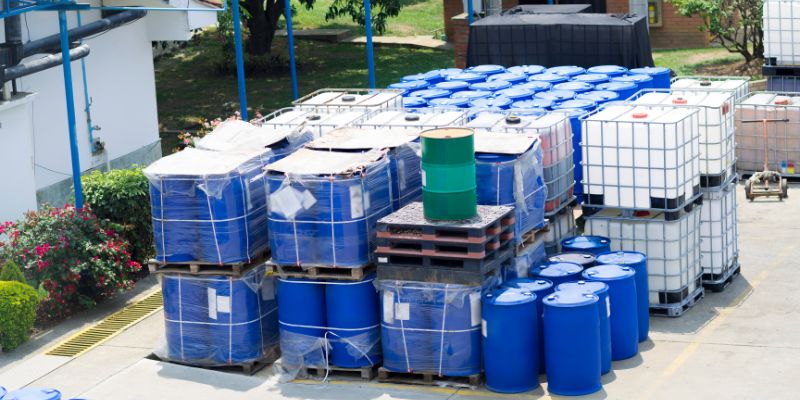
An open head drum is a big container, usually made of steel or plastic, with a removable lid. It’s used to store or ship things like chemicals, food, or waste. The lid comes off so you can easily add or remove stuff. Unlike tight head drums, which are sealed shut, open head drums are perfect for frequent access. Think of it like a giant lunchbox for industrial stuff!
Why does the lid matter? A secure lid keeps contents safe, prevents spills, and meets safety rules. If you’re handling hazardous materials, a loose lid could cause big problems. That’s why knowing how to fasten it is key.
Why Fastening the Lid Properly Is a Big Deal
A well-fastened lid does more than just cover the drum. It stops leaks, keeps contents safe, and follows strict rules, like those from the Department of Transportation (DOT). A bad seal could mean spills, fines, or even accidents. I once saw a drum tip over because the lid wasn’t tight—yikes! Proper fastening saves time, money, and headaches.

How Is the Lid on an Open Head Drum Fastened?
There are two main ways to fasten the lid on an open head drum: a bolt ring or a lever lock ring. Both use a metal ring to lock the lid tight, but they work a bit differently. Let’s break it down.
Bolt Ring Closure: The Sturdy Choice
A bolt ring uses a metal ring with a bolt and nut to secure the lid. It’s super strong and often used for hazardous materials. Here’s how it works:
- Place the lid on the drum, making sure it fits snugly.
- Set a gasket (a rubber or silicone ring) between the lid and drum for a tight seal.
- Fit the metal ring around the lid’s edge, lining it up with the drum’s groove.
- Tighten the bolt with a wrench until it’s secure (usually to a specific torque, like 20-30 ft-lbs, for hazmat drums).
- Check for gaps or wobbles—none should exist!
This method is reliable but needs tools like a wrench. It’s great for drums that won’t be opened often.
Lever Lock Ring: Quick and Easy
A lever lock ring is faster and doesn’t always need tools. It’s perfect for drums you open a lot. Here’s the process:
- Put the lid on the drum with a gasket if needed.
- Place the metal ring around the lid and drum edge.
- Pull the lever to lock the ring in place—it snaps shut like a belt buckle.
- Check the seal to make sure it’s tight.
I love lever locks for quick jobs. They’re a breeze to use, and some even let you open and close with one hand
Tools You Need
You don’t need much to fasten a drum lid, but having the right tools helps:
- Wrench: For tightening bolt rings (a torque wrench is best for hazmat drums).
- Gasket: A rubber or silicone seal for leak-proofing.
- Gloves and Safety Glasses: Protect your hands and eyes, especially with chemicals.
- Drum Lid Opener: Handy for removing lids safely.
Check out Skolnik Industries for closure instructions and tools.
Benefits and Drawbacks of Each Method
Both methods have pros and cons. Here’s a quick look:
| Closure Type | Benefits | Drawbacks |
|---|---|---|
| Bolt Ring | Super secure, great for hazmat, meets strict rules | Needs tools, takes longer |
| Lever Lock Ring | Fast, easy, no tools needed | Less secure for heavy-duty needs |
Caption: Comparing bolt ring and lever lock closures for open head drums.
Step-by-Step Example: Securing a Drum for Shipping
Imagine you’re shipping paint in a 55-gallon steel drum. Here’s how I’d fasten the lid with a bolt ring:
- Fill the drum with paint, leaving some space at the top.
- Place a rubber gasket on the drum’s rim.
- Set the lid on top, pressing it down firmly.
- Fit the bolt ring around the lid and drum edge.
- Use a torque wrench to tighten the bolt to 25 ft-lbs.
- Tug the lid to check it’s secure—no movement allowed!
This method keeps the paint safe and meets DOT rules. For a visual, picture a simple diagram showing the gasket, lid, and bolt ring in place.
My Top Tips for Fastening Drum Lids
After years of working with drums, here are my go-to tips:
- Check the Gasket: A worn gasket can cause leaks. Replace it if it looks cracked.
- Don’t Overtighten: Too much force can damage the ring or lid. Stick to recommended torque.
- Clean the Rim: Dirt or debris can mess up the seal. Wipe it down first.
- Practice Safety: Wear gloves and glasses to avoid cuts or splashes.
These tricks have saved me from plenty of spills!
Common Mistakes to Avoid
It’s easy to mess up if you’re new. Here are mistakes I made early on:
- Skipping the Gasket: I thought it wasn’t needed. Spoiler: it is!
- Loose Bolts: A wobbly lid means trouble. Always double-check.
- Wrong Tools: Using a regular wrench instead of a torque wrench can lead to uneven tightening.
Learn from my flops to save time and stress.
Safety First: Why It Matters
Fastening a drum lid isn’t just about keeping stuff inside—it’s about safety. A loose lid can leak hazardous materials, hurt people, or get you fined. The DOT has strict rules for hazmat drums, so follow closure instructions carefully. Check out New Pig’s guide for more on safe drum handling. If you’re unsure, ask an expert—it’s better than a spill!
Comparing Drum Types: Open Head vs. Tight Head
| Feature | Open Head Drum | Tight Head Drum |
|---|---|---|
| Lid Type | Removable lid | Fixed lid |
| Closure Method | Bolt or lever lock | Sealed bungs |
| Best For | Solids, frequent access | Liquids, secure storage |
Caption: Open head vs. tight head drums—key differences for beginners.
A visual idea: Sketch a side-by-side diagram of an open head drum (with a removable lid) and a tight head drum (with bungs) to show the difference.
Alternative Approaches
Sometimes, you might use a clamp or latch instead of a ring. These are less common but work for specific drums. For plastic drums, a steel clamp might hold a closing ring. Each method has its place, but bolt and lever lock rings are the most popular for steel drums.
My Personal Story: Learning the Hard Way
When I started, I thought fastening a drum lid was no big deal. Then I overtightened a bolt ring and cracked it—oops! My boss wasn’t thrilled, but it taught me to follow instructions. Now, I always check the torque and gasket. It’s like tying your shoes—do it right, and you won’t trip.
Frequently Asked Questions
What Is a Bolt Ring Closure?
A bolt ring is a metal band that secures the lid to an open head drum. You tighten it with a bolt and nut, usually with a wrench. It’s super secure and great for hazardous materials.
How Does a Lever Lock Ring Work?
A lever lock ring snaps onto the drum lid with a lever. You pull it to lock the ring in place. It’s quick, easy, and perfect for frequent use.
Do I Need a Gasket for the Lid?
Yes, a gasket helps create a leak-proof seal. It’s usually rubber or silicone and sits between the lid and drum. Always check it’s in good shape.
Can I Open and Close the Drum Often?
Yes, open head drums are made for frequent access. Lever lock rings make it easier, while bolt rings are better for less frequent use.
Are There Safety Rules for Fastening Lids?
Yes, especially for hazardous materials. The DOT requires proper closure to prevent leaks. Follow manufacturer instructions, like those from Skolnik.
What Tools Do I Need to Fasten a Drum Lid?
You need a wrench for bolt rings, a gasket for sealing, and gloves for safety. A torque wrench is best for hazmat drums to get the right tightness.
Can I Use a Clamp Instead of a Ring?
Sometimes, clamps are used for plastic drums, but rings are standard for steel drums. Check your drum type and follow manufacturer guidelines.
Conclusion
Fastening the lid on an open head drum is easier than it sounds. Whether you use a bolt ring or a lever lock, it’s about keeping things safe and secure. Try practicing with a drum at home or work—it’s no sweat once you get the hang of it! Check out DOT regulations for more safety tips. Got a drum project? Share your story or ask a question below. Let’s keep those lids tight and have some fun!