How Long Does Concrete Paint Take to Dry
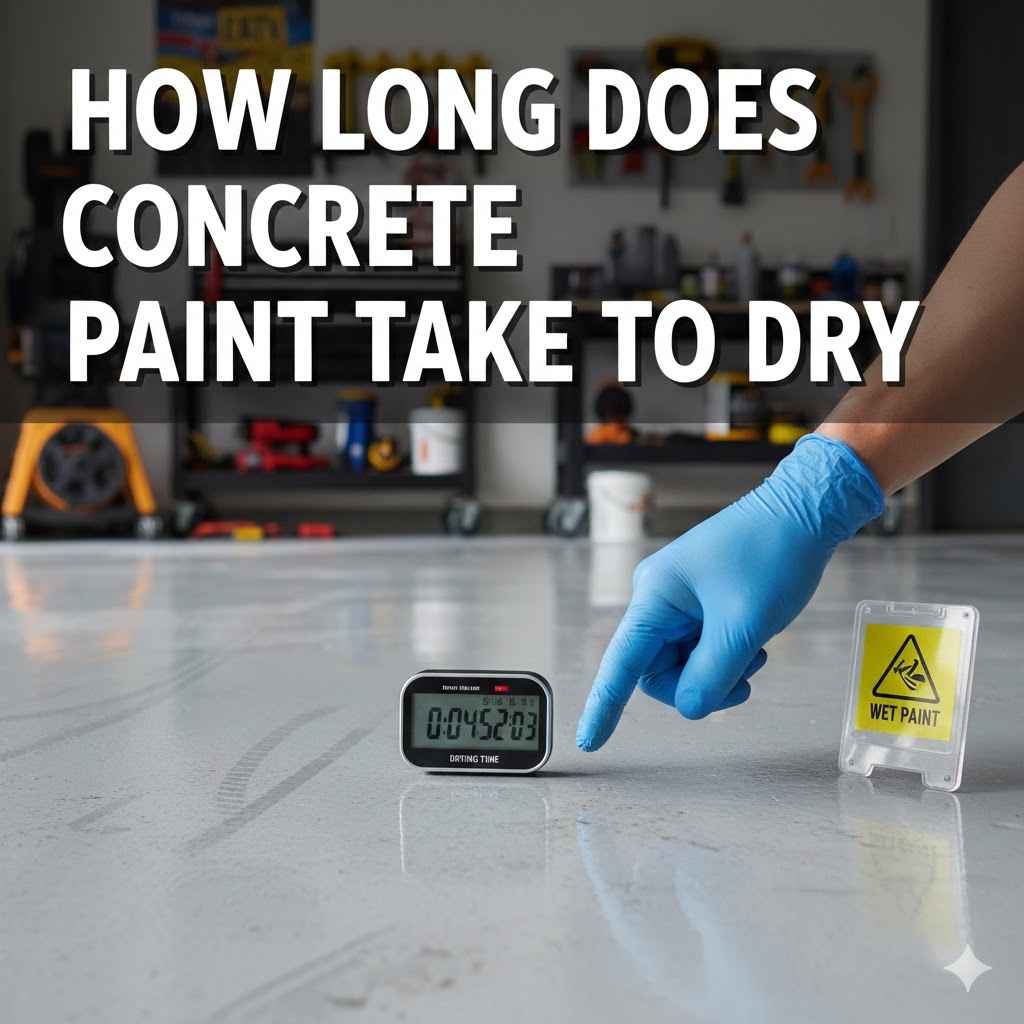
Figuring out How Long Does Concrete Paint Take to Dry can feel tricky, especially when you’re just starting a project. You want to know when you can walk on your patio or use your garage floor again. Many things can change how fast that paint dries. This post will make it super simple. We’ll walk through everything you need to know, step-by-step, so you get it right the first time. Let’s find out what affects paint drying and what you can expect.
Understanding Concrete Paint Drying Times
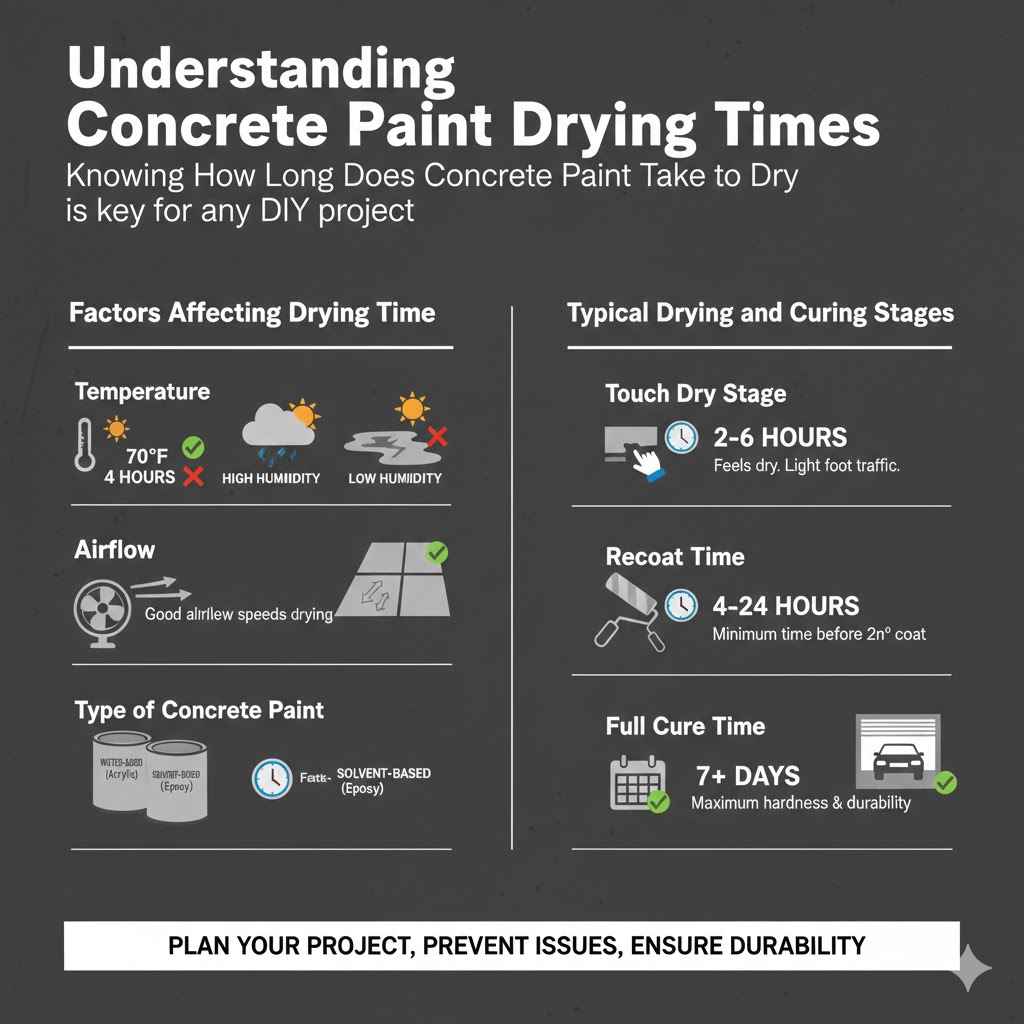
Knowing How Long Does Concrete Paint Take to Dry is key for any DIY project involving concrete surfaces. It’s not just about painting and walking away; proper drying ensures a durable and beautiful finish. Many factors influence this process, and understanding them can save you time and prevent issues. Beginners often wonder about the exact timing, and it’s understandable because there isn’t a single, fixed answer. This section will explore the main elements that contribute to concrete paint drying speed.
Factors Affecting Drying Time
Several environmental and product-specific elements play a big role in how quickly concrete paint dries. It’s a mix of nature’s influence and the paint itself. Understanding these helps you plan your project better and get the best results.
Temperature
Temperature is a major player. Warmer weather speeds up evaporation, which is what drying is all about. When it’s cold, water and solvents in the paint evaporate much slower. This means paint can take significantly longer to dry when the temperature drops, sometimes even doubling the time. For example, if a paint dries in 4 hours at 70°F, it might take 8 hours or more at 50°F.
Humidity
Humidity is another crucial factor. High humidity means there’s already a lot of water vapor in the air. This makes it harder for the water from the paint to evaporate into the atmosphere. Think of it like trying to dry clothes on a very muggy day – it takes much longer. Low humidity allows for faster evaporation and quicker drying. If you live in a humid climate, you’ll likely need to wait longer for your concrete paint to dry.
Airflow
Good airflow helps carry away moisture, speeding up the drying process. A gentle breeze or a fan can make a big difference. If your painted concrete is in a closed-off area with no ventilation, the moisture will just sit there, extending the drying time. Open windows or using fans can significantly cut down waiting periods. It’s like how a windy day dries laundry faster than a still day.
Type of Concrete Paint
Not all concrete paints are created equal. Different formulations have different drying characteristics. Water-based paints, often called acrylics, typically dry faster than solvent-based paints. These paints have different chemical compositions and evaporation rates. Some specialized coatings, like epoxies or polyurethanes, also have their own unique curing schedules that can be longer than simple paints. Always check the product’s label for specific drying and curing times.
Typical Drying and Curing Stages
When you paint concrete, the paint goes through distinct stages from wet to fully hardened. Knowing these stages helps you understand why there are different waiting times. It’s not just about feeling dry to the touch; it’s about the paint hardening completely.
Touch Dry Stage
The touch dry stage is when the surface of the paint feels dry when you lightly touch it. At this point, the paint is not fully hardened, but it’s dry enough to walk on very carefully with socks, or to apply a second coat of paint if the product allows. This usually happens within a few hours, often 2 to 6 hours, depending on the factors we’ve discussed. It’s a good indicator that the surface layer has set.
Recoat Time
Recoat time is the minimum amount of time you need to wait before applying another layer of paint. This is critical for proper adhesion and a smooth finish. If you recoat too soon, you might trap moisture or damage the underlying layer. If you wait too long, the first layer might have fully cured, making it harder for the new layer to bond well. Recoat times can range from 4 to 24 hours, so always read the can.
Full Cure Time
Full cure time is when the paint reaches its maximum hardness and durability. This is the point where the surface can withstand heavy traffic, exposure to moisture, and cleaning without damage. This stage takes the longest, often several days to a week, and sometimes even longer for tough coatings like epoxies. For example, a garage floor might need a full week of curing before parking cars on it.
How Long Does Concrete Paint Take to Dry Based on Paint Type
The type of concrete paint you choose has a significant impact on its drying and curing times. Different chemistries mean different ways the paint hardens. Understanding these differences helps you set realistic expectations and plan your project timeline effectively. Some paints are designed for quick use, while others require more patience for maximum durability.
Water-Based Acrylic Concrete Paints
Water-based acrylic paints are very popular for concrete due to their ease of use and fast drying times. These paints use water as the primary solvent. As the water evaporates, the acrylic polymers coalesce, forming a continuous, dry film. This process is generally quicker than with solvent-based paints.
Drying Time
For water-based acrylic concrete paints, the touch dry stage is typically achieved within 1 to 3 hours under normal conditions (around 70°F and 50% humidity). This means you can usually apply a second coat or very carefully walk on the surface with socks after this period. The faster evaporation of water compared to solvents contributes to this rapid drying.
Recoat Time
The recoat time for water-based acrylics is usually between 4 to 8 hours. This allows the first coat to set sufficiently so that applying a second coat doesn’t lift or damage the underlying paint. Always check the manufacturer’s instructions, as some products may have slightly shorter or longer recoat windows.
Curing Time
Full curing for water-based acrylics typically takes between 3 to 7 days. While the paint will feel dry to the touch much sooner, it continues to harden and gain its full strength over this period. During the curing phase, it’s best to avoid heavy foot traffic, furniture placement, or exposure to harsh chemicals to protect the new coating.
Solvent-Based Concrete Paints
Solvent-based concrete paints, often referred to as oil-based or alkyd paints, use mineral spirits or other organic solvents. They tend to form a harder, more durable film than water-based paints, but they also take longer to dry and cure. The smell of these paints is also more potent.
Drying Time
Solvent-based paints generally take longer to become touch dry, often between 4 to 8 hours. This is because the solvents evaporate more slowly than water. You will need to wait longer before the surface feels firm enough for light activity. Good ventilation is especially important for these types of paints to help dissipate the solvent fumes and aid drying.
Recoat Time
The recoat time for solvent-based concrete paints is typically longer, ranging from 12 to 24 hours. This extended time is necessary for the solvents to fully evaporate and for the paint film to start hardening adequately. Rushing this step can lead to adhesion problems and a compromised finish.
Curing Time
Full curing for solvent-based concrete paints can take anywhere from 7 to 14 days, or even longer in some cases. These paints create a very tough and resistant finish once fully cured, making them suitable for high-traffic areas like garages or workshops. Patience during the curing period is essential for achieving the maximum durability these paints offer.
Epoxy and Urethane Concrete Coatings
Epoxy and urethane coatings are not technically “paints” but rather industrial-grade sealers and coatings that offer extreme durability and chemical resistance. They typically involve a two-part system (a resin and a hardener) that chemically reacts to form a tough, protective layer.
Drying Time
The “drying” or pot life for epoxies and urethanes is quite short. Once mixed, they begin to react and harden, and you only have a limited window to apply them, often 30 minutes to an hour. The surface may feel dry to the touch relatively quickly after application, sometimes within 12 to 24 hours, depending on the specific product and conditions.
Recoat Time
Recoating these systems is highly specific. If applying a second coat of the same system, it often needs to be done within a certain “recoat window,” usually within 24 hours of the first coat. If this window is missed, the surface might need to be abraded to ensure proper adhesion for subsequent layers.
Curing Time
The full curing time for epoxy and urethane coatings is significantly longer than traditional paints. Light foot traffic might be permissible after 24 to 48 hours, but it typically takes 5 to 10 days, or even up to 2 weeks for some high-performance products, for the coating to reach its maximum hardness and resistance to chemicals and heavy loads. For example, a commercial garage floor coated with a high-solids epoxy might require a full 7-day cure before allowing vehicle traffic.
How Long Does Concrete Paint Take to Dry in Different Environments
The environment where you apply concrete paint plays a huge role in its drying and curing process. It’s not just about the paint itself but also where and when you apply it. Understanding these environmental influences will help you choose the best time to paint and predict drying times more accurately.
Ideal Drying Conditions
Ideal conditions for concrete paint drying are consistent and favorable for evaporation. These are the conditions most manufacturers have in mind when they list their drying times on the product labels. Achieving these conditions can significantly speed up your project.
Temperature Range
The ideal temperature range for most concrete paints is between 50°F and 85°F (10°C to 30°C). Within this range, the chemical reactions and evaporation processes occur at an optimal rate. Temperatures below 50°F can dramatically slow down drying, while extremely high temperatures, above 90°F, can cause the paint to dry too quickly on the surface, leading to application issues like lap marks or a dull finish.
Humidity Levels
Low humidity is crucial for fast drying. Ideally, humidity levels should be below 60%. When humidity is high, the air is already saturated with moisture, making it difficult for the water or solvents in the paint to evaporate. This can lead to extended drying times, potential tackiness, and even issues with paint adhesion or the formation of a weak film.
Airflow and Ventilation
Good airflow is essential for removing the evaporated moisture or solvents from the surface. A light breeze or the use of fans can greatly accelerate the drying process. In enclosed spaces like garages or basements, ensuring adequate ventilation by opening doors and windows or using exhaust fans is critical. Without sufficient airflow, moisture can become trapped, leading to prolonged drying.
Drying in Hot and Humid Weather
Painting in hot and humid weather presents specific challenges that can significantly affect drying times and the quality of the finish. It’s often best to avoid these conditions if possible, but if not, extra precautions are needed.
Impact on Drying
Hot weather can sometimes seem like it would speed up drying, but very high temperatures can cause the surface of the paint to dry too quickly before the underlying layers have a chance to cure properly. This can lead to a phenomenon known as “skinning over,” where a dry skin forms on top while the paint underneath remains wet and potentially soft. High humidity, as mentioned, drastically slows evaporation.
Application Tips
If you must paint in hot and humid conditions, try to paint during the coolest parts of the day, such as early morning or late evening. Ensure maximum ventilation by opening all available doors and windows. You might also consider using a dehumidifier in enclosed spaces, although this can be challenging for large outdoor areas. Some manufacturers offer “summer” or “hot weather” formulations designed to handle these conditions better.
Drying in Cold Weather
Painting concrete in cold weather is also problematic. Cold temperatures slow down the evaporation of solvents and water and can inhibit the chemical curing process, especially for two-part coatings.
Impact on Drying
Cold temperatures, generally below 50°F (10°C), significantly retard drying and curing. The paint will remain wet for much longer periods. Furthermore, water-based paints can freeze if the temperature drops too low, which can permanently damage the paint. Some coatings will not cure properly at all if applied below their minimum temperature requirements.
Application Tips
For cold weather painting, it’s best to wait for warmer days. If you must proceed, ensure the concrete surface is completely dry and above the minimum temperature recommended by the paint manufacturer for at least 24-48 hours before and after application. Indoor projects can be controlled with heaters, but be mindful of humidity buildup from the heating process. Always use paints specifically formulated for low-temperature application, if available.
Drying in Poorly Ventilated Areas
Areas with little to no airflow can trap moisture, making drying a slow and frustrating process. This is common in basements, garages with the doors closed, or enclosed patios.
Impact on Drying
Without good airflow, the moisture or solvents released by the paint have nowhere to go. This creates a humid microclimate directly above the painted surface, which slows down evaporation. You may find that the paint remains tacky for an extended period, and there’s a higher risk of mold or mildew growth if the conditions persist.
Application Tips
In poorly ventilated areas, mechanical ventilation is key. Use fans to create a cross-breeze and direct air movement across the painted surface. Open doors and windows as much as possible. For indoor projects, consider using a dehumidifier in conjunction with fans to actively remove moisture from the air, helping the paint to dry and cure properly.
Maximizing Your Concrete Paint Drying Experience
Getting your concrete paint to dry properly and efficiently involves more than just applying it and waiting. A few smart practices can make a significant difference in the outcome of your project. These tips focus on preparing the surface, applying the paint correctly, and creating the best possible environment for drying.
Surface Preparation is Crucial
Before you even open a can of paint, the preparation of your concrete surface is paramount. A clean, sound surface is essential for the paint to adhere properly and dry evenly.
Cleaning the Concrete
Your concrete surface must be thoroughly cleaned. Remove all dirt, grease, oil, mildew, and any loose debris. A pressure washer is often effective for this. For stubborn stains, specific concrete cleaners or degreasers might be needed. Any contaminants left on the surface can prevent the paint from adhering, leading to peeling and a longer drying time as moisture gets trapped underneath.
Etching or Grinding
For many concrete paints and coatings, especially those requiring high durability, etching or grinding the surface is recommended. Etching with a concrete etcher (usually an acid solution) opens up the pores of the concrete, creating a better profile for the paint to grip. Grinding with a diamond grinder removes any sealers, paints, or laitance and creates a rougher texture for superior adhesion. This step ensures the paint penetrates slightly and bonds securely, promoting even and efficient drying.
Moisture Testing
It’s vital to ensure the concrete is dry before painting. Concrete can hold moisture within its pores. Painting over damp concrete can trap moisture, preventing proper drying and adhesion. Perform a simple plastic sheet test: tape a 3ft x 3ft piece of plastic sheeting tightly to the concrete surface. After 24 hours, check for condensation on the underside of the plastic or any dampness. If present, the concrete is too wet to paint.
Application Techniques for Better Drying
How you apply the paint also impacts its drying speed and overall performance. Thin, even coats are generally better than thick, heavy applications.
Applying Thin Coats
Applying the paint in thin, even coats is generally recommended. Thick coats take much longer to dry because there’s more liquid to evaporate. Thin coats allow for more surface area exposure to the air, facilitating faster drying. It also ensures that the paint cures through its entire thickness evenly, leading to a more durable finish.
Using the Right Tools
The tools you use can influence application thickness and evenness. High-quality rollers designed for concrete or smooth surfaces, and brushes that hold and spread paint well, will help you achieve a uniform layer. Avoid using tools that might absorb too much paint or leave uneven textures, which can affect drying.
Avoiding Over-Application
Don’t try to get too much coverage in one go by applying a very thick layer. This is counterproductive for drying times and can lead to pooling or uneven drying. It’s much better to apply two thin coats, allowing adequate drying time between each, than to apply one thick coat that takes ages to dry and may never fully harden properly.
Monitoring and Environmental Control
Actively monitoring the conditions and controlling the environment where possible can significantly improve the drying process.
Using Fans
As mentioned, fans are your best friend for improving airflow. Position them to blow across the painted surface. This helps to constantly circulate the air and carry away the evaporating moisture or solvents. This simple step can cut down drying times considerably, especially in areas with naturally poor ventilation.
Dehumidifiers
In humid environments or enclosed spaces, a dehumidifier can be very effective. It actively removes moisture from the air, creating a drier atmosphere that encourages faster evaporation from the paint. This is particularly useful for indoor projects like basements or garages where outdoor humidity is a factor.
Temperature Management
If possible, try to maintain a consistent, moderate temperature. For indoor projects, using heating or air conditioning can help. For outdoor projects, painting during seasons with milder temperatures and lower humidity will yield the best results. Avoid painting when frost or extreme heat is expected.
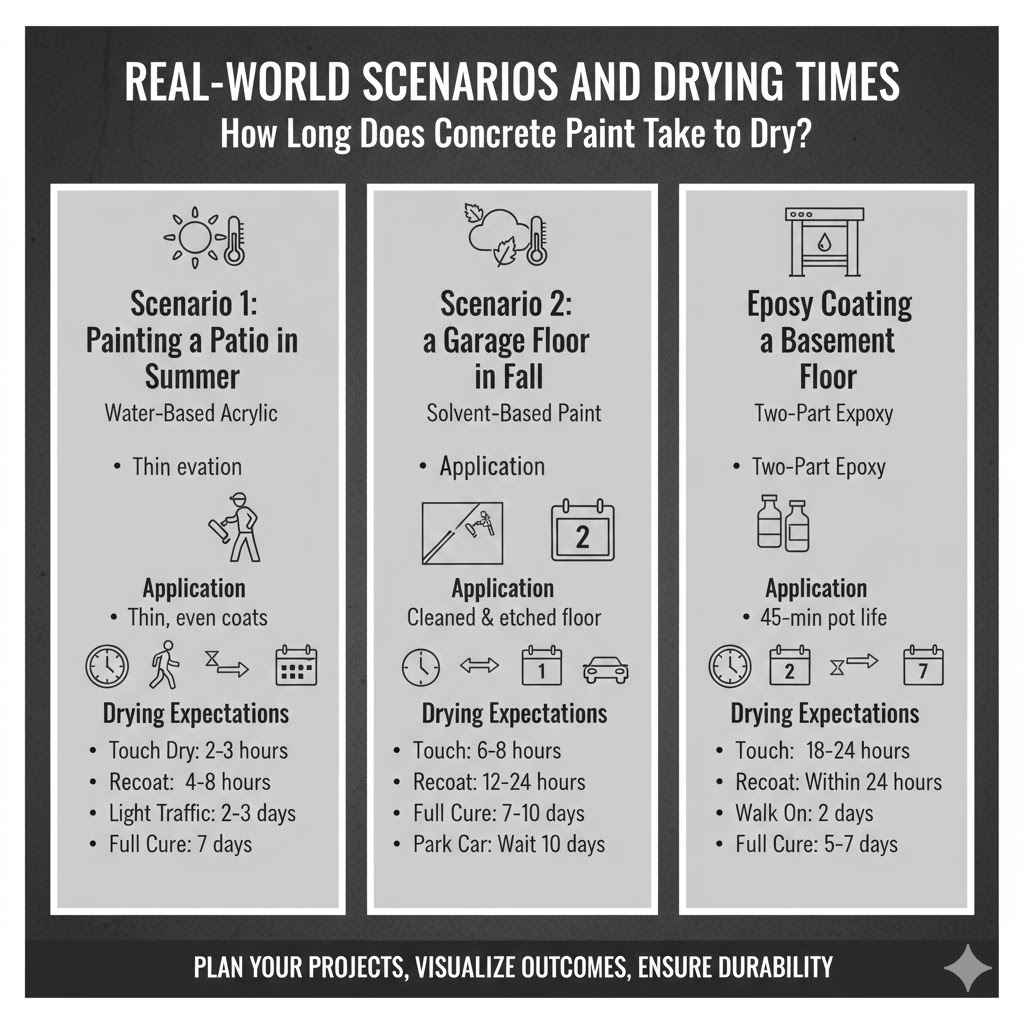
Real-World Scenarios and Drying Times
Let’s look at some common situations and how they might affect How Long Does Concrete Paint Take to Dry?. These examples can help you visualize the process and plan your projects more effectively based on typical outcomes.
Scenario 1: Painting a Patio in Summer
Imagine you decide to paint your outdoor concrete patio on a sunny summer day. The temperature is around 75°F, and the humidity is about 50%. You’ve properly cleaned and prepped the patio.
Application
You apply a good quality water-based acrylic concrete paint in thin, even coats using a roller.
Drying Expectations
Under these ideal conditions, the first coat might be touch dry in about 2-3 hours. You would likely wait 4-8 hours to apply a second coat. By the next morning, the patio would be dry to the touch, and it would likely be fully cured enough for light foot traffic within 2-3 days. However, for heavy furniture or very active use, waiting up to 7 days for full cure would be best.
Scenario 2: Painting a Garage Floor in Fall
Now, consider painting a garage floor in early fall. The temperature is cooler, around 55°F, and the humidity is a bit higher, maybe 65%. You’re using a solvent-based concrete paint for extra durability.
Application
You’ve cleaned and etched the garage floor. You apply the solvent-based paint.
Drying Expectations
Because of the cooler temperature and higher humidity, the touch dry time might be extended to 6-8 hours. You would need to wait at least 12-24 hours before applying a second coat. Full curing can take 7-10 days, and it’s advisable to wait the full 10 days before parking cars on it to ensure the paint can withstand the weight and potential oil drips without damage.
Scenario 3: Applying an Epoxy Coating to a Basement Floor
Suppose you’re applying a two-part epoxy coating to your basement floor. The basement is a stable 68°F, but the humidity is around 70% due to being underground.
Application
You mix the two parts of the epoxy. You have about 45 minutes to apply it evenly before it starts to gel.
Drying Expectations
The surface might feel dry to the touch within 18-24 hours. However, the recoat window for a second coat or applying a clear topcoat is critical, often within 24 hours. Full cure for a basement floor with this type of coating typically takes 5-7 days. You could likely walk on it carefully after 2 days, but waiting the full week ensures maximum hardness and resistance to scuffs and moisture.
Frequently Asked Questions
Question: How long does concrete paint take to dry to the touch?
Answer: Concrete paint typically takes about 1 to 6 hours to dry to the touch, depending on the paint type, temperature, humidity, and airflow. Water-based paints are usually faster, while solvent-based and epoxy coatings may take longer.
Question: Can I walk on painted concrete the next day?
Answer: You can often walk on painted concrete the next day with socks if the paint is dry to the touch. However, for full durability and to avoid scuffing, it’s best to wait until the paint is fully cured, which can take several days to a week or more.
Question: Does temperature affect how fast concrete paint dries?
Answer: Yes, temperature significantly affects drying time. Warmer temperatures generally speed up drying by promoting evaporation, while colder temperatures slow it down considerably.
Question: How long does it take for concrete paint to cure?
Answer: Full curing time varies greatly by paint type. Water-based acrylics usually cure in 3-7 days, solvent-based paints in 7-14 days, and epoxy or urethane coatings can take 5-10 days or even up to 2 weeks to reach full hardness and durability.
Question: Can I speed up the drying process of concrete paint?
Answer: Yes, you can speed up drying by ensuring good airflow with fans, painting in warmer temperatures with lower humidity, and applying thin, even coats. Avoiding painting in extreme weather conditions is also key.
Summary
So, How Long Does Concrete Paint Take to Dry? It really depends on the paint type, weather, and how you apply it. Generally, expect to wait a few hours for it to be dry to the touch, a day for recoating, and several days to over a week for full hardening. Following these tips will help you get a great result.