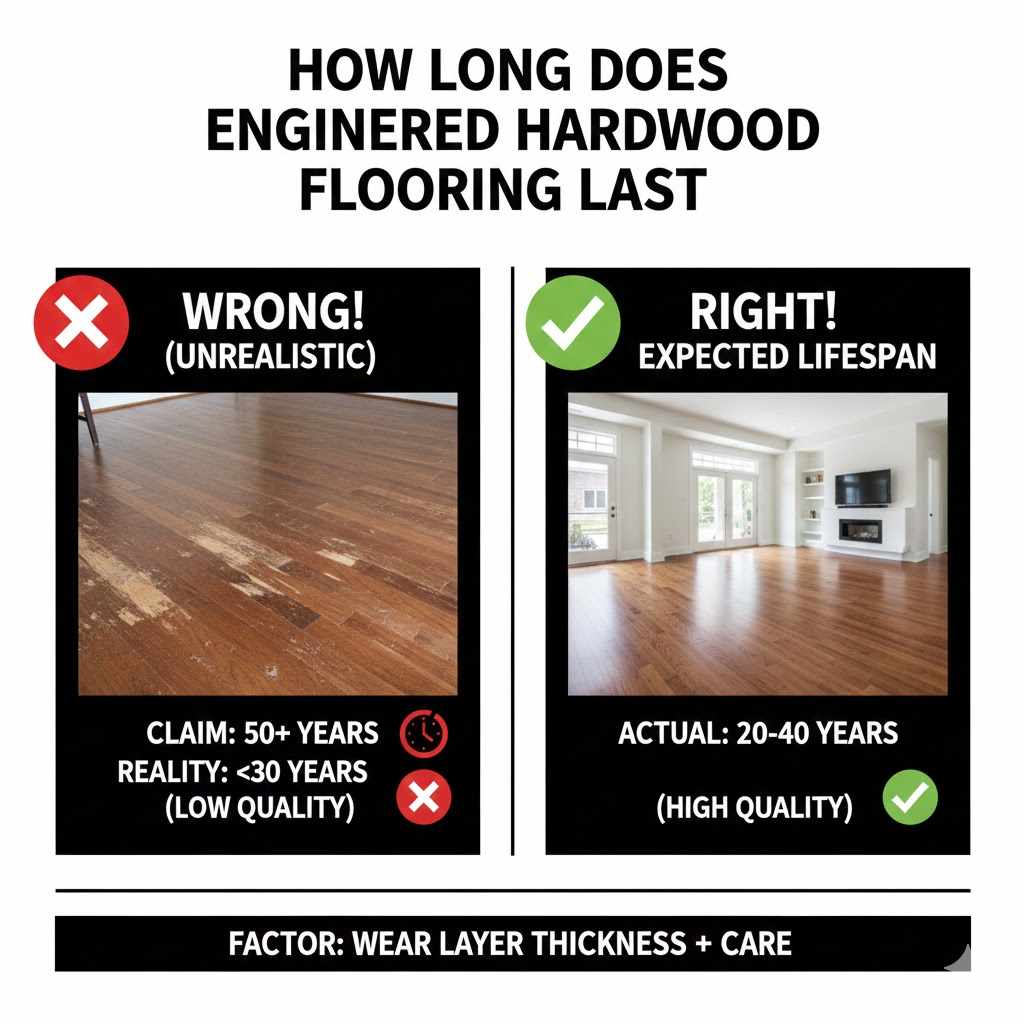
How Long Does Engineered Hardwood Flooring Last
Many folks wonder about the lifespan of engineered hardwood floors. It’s a common question for anyone thinking about new flooring. Deciding on floors can feel a bit tricky, especially when you’re not sure how long they’ll actually stick around.
But don’t worry! We’ve got a simple way to figure this out. Let’s walk through everything you need to know about How Long Does Engineered Hardwood Flooring Last? so you can make a confident choice.
Understanding Engineered Hardwood Flooring Lifespan
Engineered hardwood flooring is a popular choice because it offers the beautiful look of real wood but with some extra benefits. People often ask how long these floors will last because they want to make a good investment for their home. Unlike solid hardwood, engineered wood has a unique construction that impacts its durability.
This section will explore the typical lifespan and the factors that contribute to it, giving you a clear picture of what to expect.
What Is Engineered Hardwood Flooring?
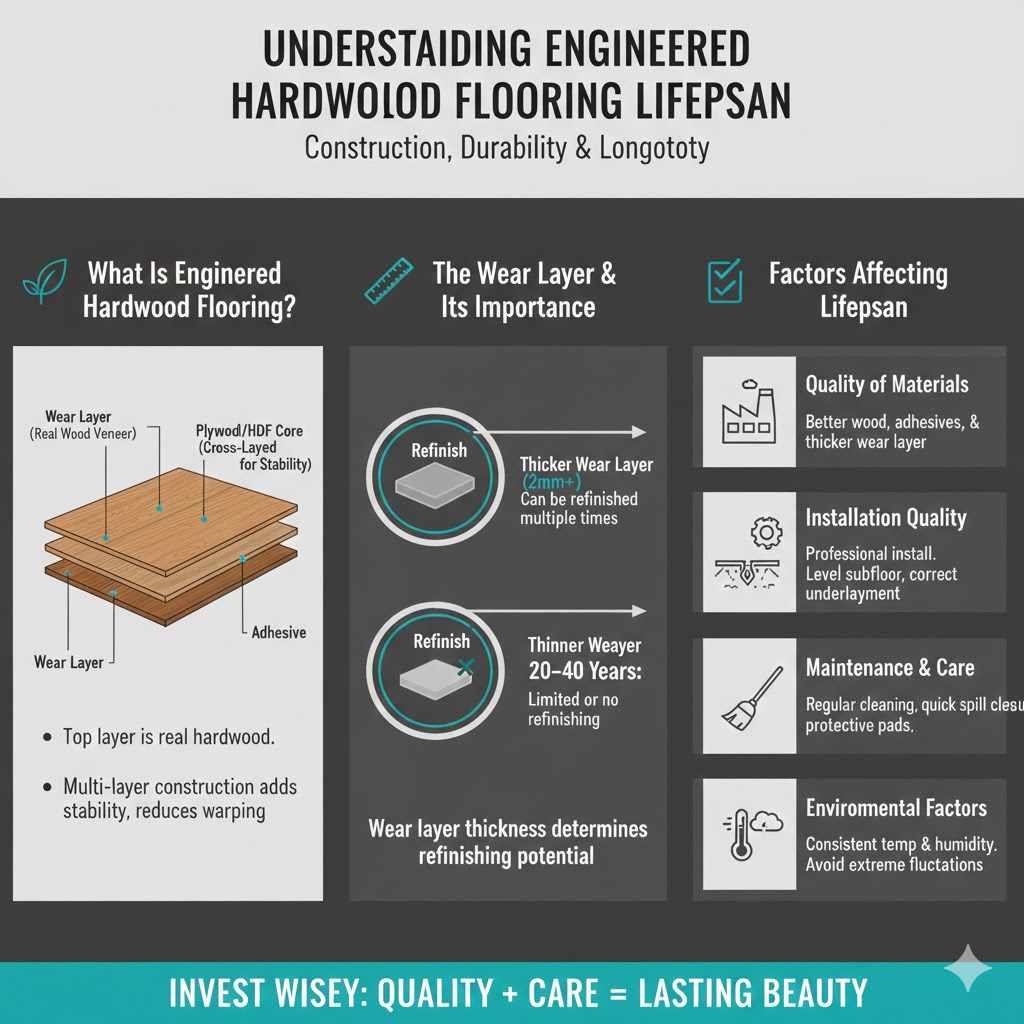
Engineered hardwood flooring is built in layers. The top layer is a thin slice of real hardwood, often called the wear layer. Beneath this beautiful veneer are several layers of plywood or high-density fiberboard (HDF).
These layers are glued together with their wood grain running in different directions.
This cross-layer construction makes the flooring more stable. It means engineered hardwood is less likely to expand or contract with changes in humidity and temperature. This is a big advantage over solid hardwood, which can be more sensitive to moisture.
The Wear Layer and Its Importance
The wear layer is the most crucial part when it comes to how long engineered hardwood will last. This is the visible hardwood surface. The thickness of this layer can vary significantly between different products.
A thicker wear layer means the floor can be sanded and refinished more times. This ability to refresh the floor can extend its life considerably. If the wear layer is very thin, it might only be able to be refinished once or not at all.
- Thicker Wear Layers (2mm or more): These floors can typically be sanded and refinished multiple times, potentially lasting 50 years or more with good care. They are a great choice for high-traffic areas where refinishing might be needed sooner.
- Thinner Wear Layers (Less than 2mm): These floors may only be refinished once, or in some cases, not at all. Their lifespan is more dependent on the wear and tear they experience without refinishing, often ranging from 20 to 40 years.
Factors Affecting Engineered Hardwood Lifespan
Many things can influence how long your engineered hardwood floors will look good and function well. It’s not just about the product itself; how you live and care for it matters a lot. Think of it like owning a car – the model is important, but how you drive and maintain it makes a huge difference.
Quality of Materials
The quality of the engineered hardwood you choose plays a big role. Higher-quality products will use better adhesives and more durable wood species for the wear layer. They also tend to have thicker wear layers.
When shopping, look at the specifications. A reputable manufacturer will be clear about the wear layer thickness and the wood species used. This information helps you compare options and choose something built to last.
Installation Quality
A professional and correct installation is vital for the longevity of your floors. Improper installation can lead to issues like cupping, gapping, or squeaking, all of which can shorten the floor’s life.
For example, if the subfloor isn’t level, the planks won’t sit evenly. This can put stress on the locking mechanisms or adhesive, causing problems down the line. Using the right underlayment is also key, especially for moisture protection.
- Floating Installation: This method involves locking planks together without gluing or nailing them to the subfloor. It’s quicker and can allow for natural expansion and contraction. However, it requires a perfectly smooth subfloor and proper expansion gaps.
- Glue-Down Installation: This involves adhering each plank directly to the subfloor. It creates a very stable floor but requires careful preparation of the subfloor and the use of appropriate adhesive.
- Nail-Down Installation: This method is less common for engineered wood but is possible with thicker planks. It requires a suitable wooden subfloor.
Maintenance and Care
Consistent, proper maintenance is perhaps the most significant factor in extending the life of your engineered hardwood floors. Daily habits can make a big difference.
Cleaning spills immediately, using doormats, and sweeping or vacuuming regularly are simple steps that prevent damage. Avoiding harsh cleaning chemicals and excessive water will also protect the wood.
- Regular Cleaning: Daily sweeping or vacuuming with a soft brush attachment removes grit and dirt that can scratch the surface.
- Spill Management: Wipe up any spills immediately with a soft, damp cloth. Standing water can damage the wood and the adhesive.
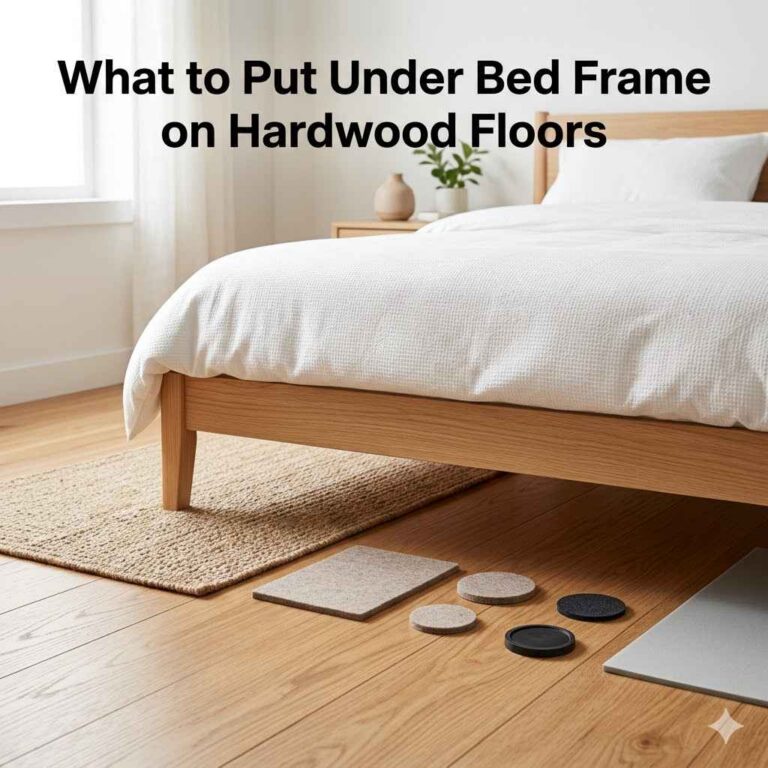
- Protection: Place felt pads under furniture legs to prevent scratches. Use doormats at entrances to catch dirt and moisture.
Environmental Factors
The environment where your floors are installed also plays a role. Extreme temperature fluctuations or high humidity can stress the wood.
Maintaining a consistent indoor climate is beneficial. Using a humidifier or dehumidifier as needed can help keep your floors stable, especially in regions with dramatic seasonal weather changes. This is a key reason why engineered wood is often preferred in areas where humidity can be a concern.
For example, homes in coastal areas or those prone to high humidity might see solid hardwood warp more easily than engineered wood. Proper climate control helps both types of flooring, but engineered wood has a natural advantage in these situations.
How Long Does Engineered Hardwood Flooring Last In Different Areas
The expected lifespan of engineered hardwood floors can vary depending on the room they are in and how much traffic they experience. Some areas of your home are used much more than others, which naturally affects wear. Understanding these differences helps you set realistic expectations.
High-Traffic Areas
Areas like hallways, entryways, and main living rooms see the most foot traffic. These areas are where wear and tear will be most noticeable.
In these zones, a durable engineered hardwood with a thick wear layer and a strong finish is your best bet. Even with the best materials, you might see signs of wear sooner. This is where regular cleaning and protective measures are most important.
- Entryways: Use sturdy doormats both inside and outside doors to trap dirt and moisture before it can reach the floor.
- Hallways: Keep these areas clean and consider using runners or rugs to protect the planks from constant footfall and scuff marks.
- Living Rooms: Furniture pads on chairs and tables are essential. Be mindful of pets, as their nails can cause scratches over time.
Medium-Traffic Areas
Rooms like dining rooms or family rooms typically experience moderate use. They don’t see the constant in-and-out of an entryway but are still used regularly.
These areas can generally maintain their appearance for a longer period. Careful cleaning and furniture protection will still be beneficial, but the need for immediate refinishing is usually less pressing compared to high-traffic zones.
Low-Traffic Areas
Bedrooms and home offices are usually considered low-traffic areas. They are used more privately, and the floors are less exposed to dirt and heavy wear.
Floors in these rooms tend to last the longest, often appearing almost new for many years. The main concerns here might be accidental spills or scratches from moving furniture during redecorating.
Estimating the Lifespan of Engineered Hardwood
So, how long does engineered hardwood flooring last in practical terms? While it’s hard to give an exact number, we can provide some solid estimates based on the factors we’ve discussed.
Typical Lifespan Ranges
For a good quality engineered hardwood floor with a wear layer of 2mm or more, installed and maintained correctly, you can often expect it to last between 25 to 50 years, and sometimes even longer.
If the wear layer is thinner, or if maintenance is not ideal, the lifespan might be closer to 15 to 25 years. It’s important to remember that refinishing can significantly extend these numbers for floors that allow it.
The Role of Refinishing
Refinishing engineered hardwood means sanding down the top layer to remove scratches and wear, then applying a new protective finish. Not all engineered floors can be refinished, and those that can have limitations.
If your floor has a wear layer of 2mm or more, you can likely refinish it at least once. This process can effectively give your floor a new lease on life, adding another 10-20 years to its total lifespan. Floors with very thin wear layers might only be suitable for a light screen and recoat, which refreshes the surface without removing much wood.
Consider this scenario: A homeowner installs a high-quality engineered hardwood with a 3mm wear layer. After 20 years of moderate use, the floor shows signs of wear. They choose to have it professionally refinished.
This process removes about 1mm of wood. The floor now looks new again and, with good care, could last another 20-25 years.
- Scenario 1 Refinishing:
- Initial Installation: Year 0
- First Refinish: Year 20
- Second Refinish (possible with thick wear layer): Year 40
- Total Estimated Lifespan with Refinishing: 40-50+ years
- Scenario 2 No Refinishing:
- Initial Installation: Year 0
- Floor shows wear and is replaced: Year 25
- Total Estimated Lifespan without Refinishing: 25 years
Case Study: The Busy Family Home
A family with two young children and two dogs invested in a mid-range engineered hardwood floor for their main living areas. The wear layer was about 2mm thick. They were diligent about cleaning, wiping up spills quickly, and using rugs in high-traffic zones.
After 15 years, while the floor wasn’t ruined, there were visible scratches from the dog’s nails and some dulling of the finish in the main pathways. They decided to have it professionally screened and recoated, which is a lighter form of refinishing that doesn’t remove as much wood as a full sand. This process cost about $1.50 per square foot.
The result was a refreshed floor that looked much better. They anticipate this recoating will add another 10 years to the floor’s good appearance before they might consider a full refinish or replacement. This shows how proactive care can extend usability.
Maintaining Your Engineered Hardwood For Longevity
Keeping your engineered hardwood floors looking great for as long as possible is all about consistent, simple care. You don’t need complicated routines, just a few good habits.
Daily and Weekly Cleaning Routines
The most effective way to protect your floor is to keep it clean. Dirt and grit act like sandpaper underfoot, slowly dulling and scratching the finish over time.
Daily: Sweep or use a dust mop to collect loose dirt and debris, especially in entryways and main walking paths. A good quality microfiber mop works wonders.
Weekly: A more thorough cleaning might be needed. Use a wood floor cleaner recommended by the manufacturer or a pH-neutral cleaner. Always spray the cleaner onto the mop head, not directly onto the floor, to avoid excess moisture.
- Microfiber Mops: These are excellent for trapping dust and dirt without scratching. They also use minimal moisture, which is crucial for wood floors.
- pH-Neutral Cleaners: Avoid harsh chemicals, ammonia, or abrasive cleaners. These can damage the finish and the wood itself, leading to a dull appearance and potential long-term harm.
- Vacuuming: If you vacuum, ensure it has a beater bar that can be turned off or a specialized hard floor attachment. A rotating beater bar can scratch and damage the wood surface.
Protecting Against Scratches and Dents
Scratches and dents are a common concern, especially in homes with children or pets. However, there are easy ways to prevent most of them.
Furniture pads are a must. Place felt pads on the legs of all furniture, including chairs, tables, and sofas. These prevent the heavy weight of furniture from creating deep scratches when items are moved.
For pets, keeping their nails trimmed regularly can significantly reduce scratches. Some owners also choose to put down area rugs in spots where pets frequently play or lie down.
- Furniture Pads: Use thick, high-quality felt pads. Check them periodically and replace them when they become worn or dirty, as accumulated grit can become abrasive.
- Pet Nail Trimming: Regular grooming is key. Consider professional grooming if you’re uncomfortable doing it yourself.
- Area Rugs: Use rugs with a non-slip backing to prevent them from bunching up and creating a tripping hazard. Ensure the rug material is not too abrasive itself.
Dealing with Moisture and Spills
Engineered hardwood is more moisture-resistant than solid hardwood, but it’s not waterproof. Excess water is the enemy of any wood product.
Clean up spills immediately. Don’t let liquids sit on the floor, even for a few minutes. Use a dry or slightly damp cloth to blot up the spill.
If water has seeped into the gaps between planks, use a fan to help the area dry quickly.
Avoid steam mops, as the steam can penetrate the finish and damage the wood layers. Also, be cautious with plants; use waterproof saucers to catch any leaks.
- Immediate Action: Blotting is better than wiping, which can spread the liquid. Keep a cloth handy for quick cleanups.
- Waterproof Saucers: For any potted plants, always use saucers that are large enough to catch all drips. Elevate plants slightly if possible to allow air circulation.
- Appliance Leaks: Be especially vigilant around appliances like refrigerators, dishwashers, and washing machines. Regularly check for any signs of leaks.
When to Consider Refinishing or Replacement
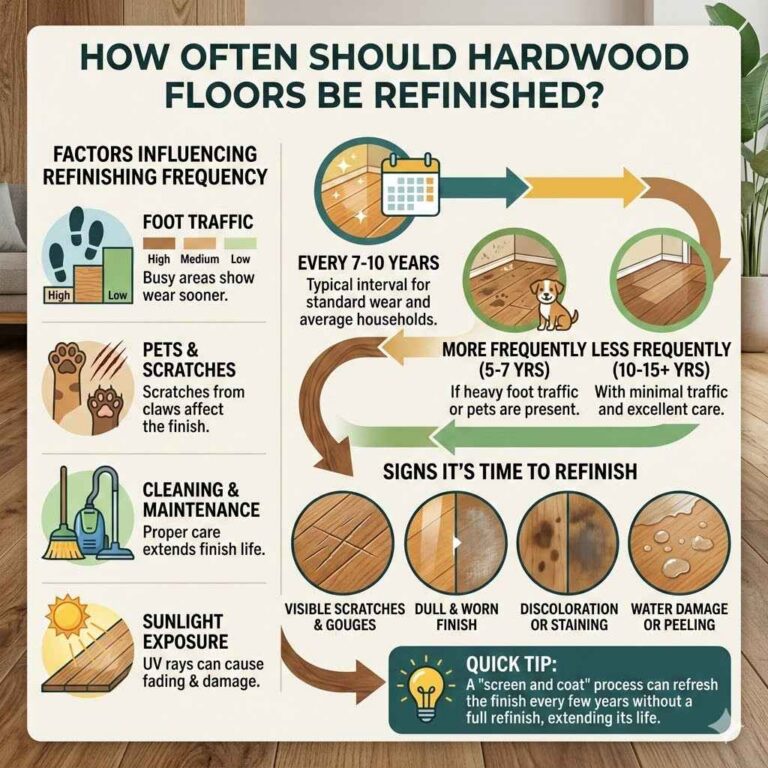
Even with the best care, engineered hardwood floors will eventually show signs of wear. Knowing when to refinish or replace them ensures your home always looks its best.
Signs Your Floor Needs Attention
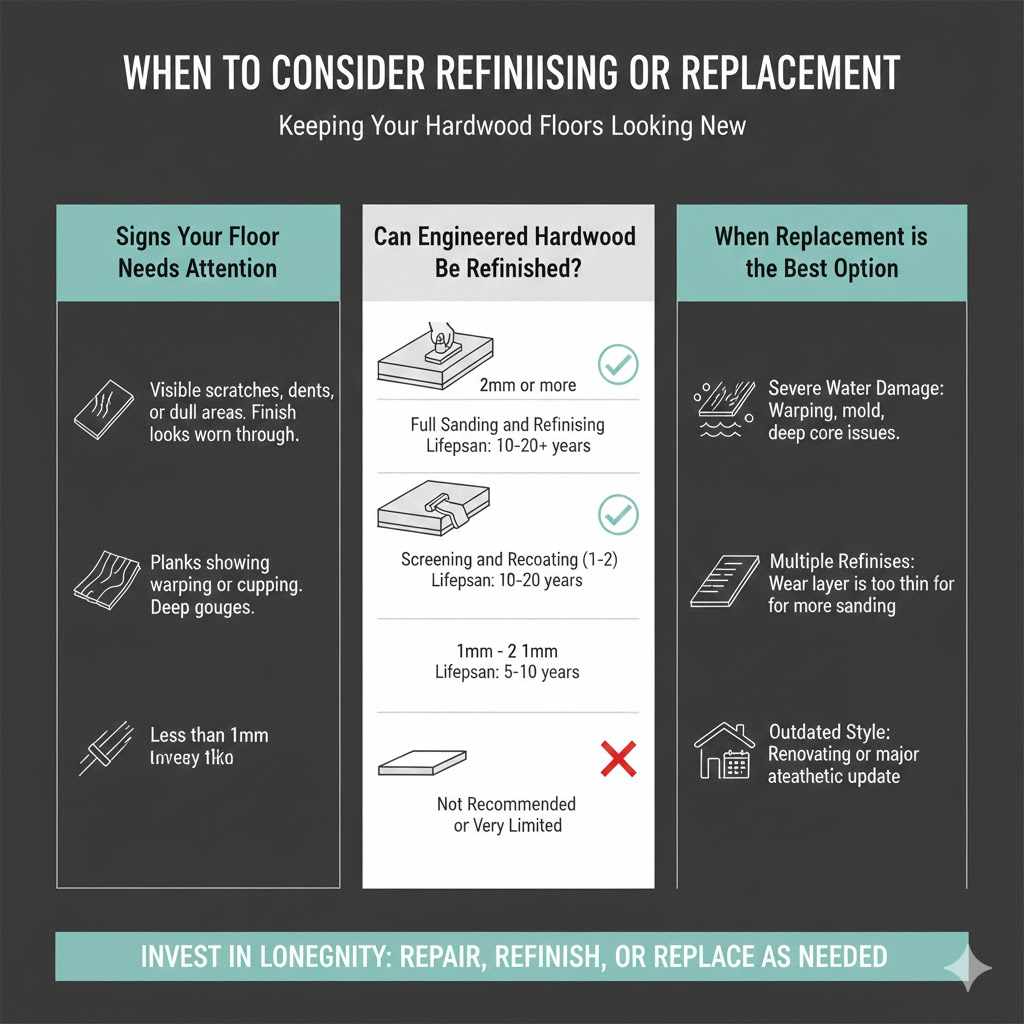
Visible scratches, dents, or dull areas are clear indicators. If cleaning no longer brings back the shine, or if the finish looks worn through in spots, it’s time to consider your options.
Another sign is if planks start to show signs of damage like warping or cupping, though this is less common with engineered wood if installed correctly. Deep gouges or areas where the wear layer is completely gone suggest a more significant repair or replacement might be needed.
- Surface Scratches: Minor scratches can often be buffed out or covered with touch-up kits. Deeper scratches may require refinishing.
- Dull Finish: If the protective top coat has worn away, the floor will look dull and matte. This is a prime candidate for recoating.
- Deep Dents/Gouges: These are harder to repair and may necessitate replacing individual boards or refinishing the entire floor.
Can Engineered Hardwood Be Refinished?
Yes, many engineered hardwood floors can be refinished, but it depends on the thickness of the wear layer. A wear layer of 2mm or more typically allows for at least one full sanding and refinishing.
Thinner wear layers (less than 2mm) might only allow for a light “screening” and recoating. This process refreshes the surface by abrading the existing finish and applying a new coat, but it doesn’t remove significant wood. If the wear layer is very thin (e.g., 0.5mm), it’s usually not recommended to sand at all.
| Wear Layer Thickness | Refinishing Potential | Lifespan Extension |
|---|---|---|
| 2mm or more | Full Sanding and Refinishing (1-3 times) | Significant (10-20+ years per refinish) |
| 1mm – 2mm | Screening and Recoating (1-2 times) | Moderate (5-10 years per recoat) |
| Less than 1mm | Not Recommended or Very Limited | Minimal |
When Replacement is the Best Option
If your engineered hardwood floors have a very thin wear layer, have been refinished multiple times, or have suffered significant water damage or deep structural issues, replacement might be the most practical and cost-effective solution.
Sometimes, even with good care, the floor has simply reached the end of its natural life cycle. If you’re looking to update your home’s style or address widespread damage, investing in new flooring is a good move.
- Severe Water Damage: If moisture has seeped deep into the core layers, causing warping or mold, replacement is usually necessary.
- Multiple Refinishes: If your floor has already been sanded down close to the wear layer’s limit, further refinishing could compromise its integrity.
- Outdated Style: While engineered hardwood can last, styles change. If your flooring is dated and you’re renovating, replacement offers a chance to update your home’s look.
Frequently Asked Questions
Question: Can I install engineered hardwood in a bathroom?
Answer: It is generally not recommended to install engineered hardwood flooring in bathrooms. Bathrooms experience high humidity and frequent exposure to water, which can cause significant damage to wood flooring, even engineered wood, leading to warping, swelling, and delamination of the layers.
Question: How does humidity affect engineered hardwood floors?
Answer: High humidity can cause engineered hardwood to expand, while low humidity can cause it to contract. While engineered wood is more stable than solid hardwood, extreme or rapid changes can still impact its structure, potentially leading to cupping, gapping, or loose planks over time.
Question: Is engineered hardwood flooring durable enough for pets?
Answer: Engineered hardwood can be durable enough for pets, but it depends on the wear layer thickness, the hardness of the wood species, and the finish. Regular nail trimming and immediate cleanup of accidents are crucial to prevent scratches and stains.
Question: What is the difference between wear layer and thickness of engineered hardwood?
Answer: The wear layer is the top, real wood veneer. The total thickness of the plank includes the wear layer plus the core layers beneath it. The wear layer thickness is the most critical factor for refinishing potential and overall longevity.
Question: How often should I refinish engineered hardwood?
Answer: If your engineered hardwood floor has a thick wear layer (2mm+), it can typically be refinished every 10-15 years, or when signs of significant wear appear. Floors with thinner wear layers may only be suitable for a light recoat every 5-10 years, if at all.
Conclusion
Engineered hardwood flooring offers a beautiful and versatile option for homes, with a lifespan that truly depends on its quality, installation, and consistent care. With proper maintenance, a well-chosen floor can grace your home for 25 to 50 years, and even longer if refinishing is an option. Focus on protecting it from moisture and scratches, and enjoy its beauty for years to come.