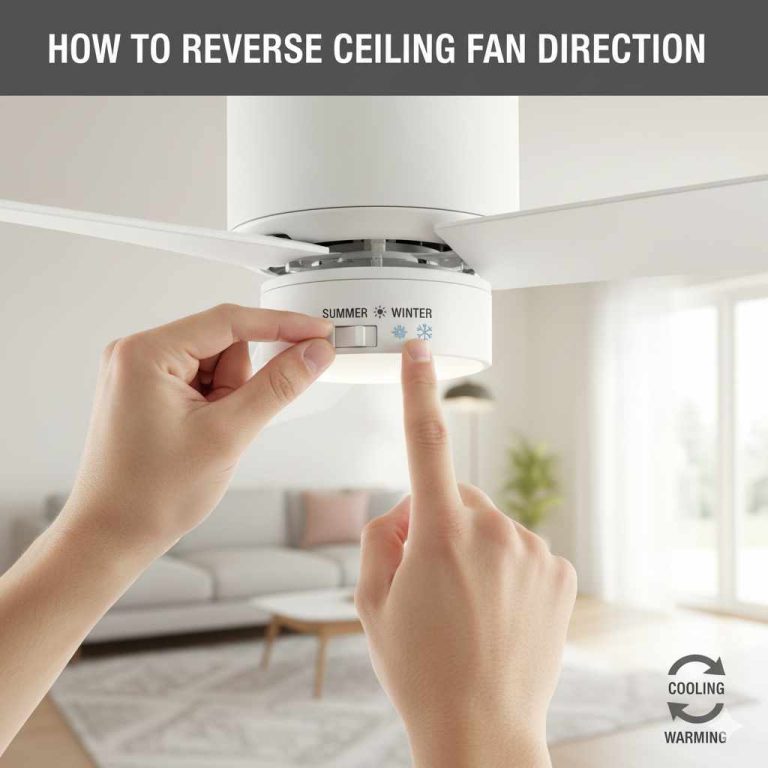
My First Ceiling Fan Swap Was a Wobbly Adventure!
A few years ago, I decided to replace the old, creaky ceiling fan in my living room. Let me tell you, it was a wobbly mess at first! I dropped a screw, tangled some wires, and nearly gave up. But with a bit of patience, I got it done in about two hours. If I can do it, so can you! In this guide, I’ll walk you through how long it takes to replace a ceiling fan, share a simple step-by-step process, and toss in tips to make your project smooth. Whether you’re a newbie or a DIY pro, you’ll find easy advice, safety tricks, and cost-saving ideas to get that new fan spinning in no time.
What Is Ceiling Fan Replacement?
Replacing a ceiling fan means swapping out an old or broken fan for a new one. It’s a fun way to freshen up your room, save energy, or fix a fan that’s noisy or wobbly. You’ll need to remove the old fan, check the wiring, and install the new one. It’s like giving your ceiling a stylish upgrade! Most homes have a ceiling fan already, so you’re likely working with existing wiring, which makes things easier.
How Long Does It Really Take?
So, how long does it take to replace a ceiling fan? For most folks, it takes 1 to 3 hours, depending on your skills and the setup. Beginners might need closer to 3 hours, while pros can finish in about an hour. Here’s a quick breakdown:
- Preparation (15–30 minutes): Gather tools, turn off power, and unpack the new fan.
- Removing the Old Fan (15–45 minutes): Take down the old fan and check the wiring.
- Assembling the New Fan (15–30 minutes): Put together the fan parts, like blades and lights.
- Installing the New Fan (30–60 minutes): Mount the fan and connect the wires.
If you run into issues like old wiring or a wobbly ceiling box, it could add an hour. My first try took 2.5 hours because I kept double-checking the wires—better safe than sorry!
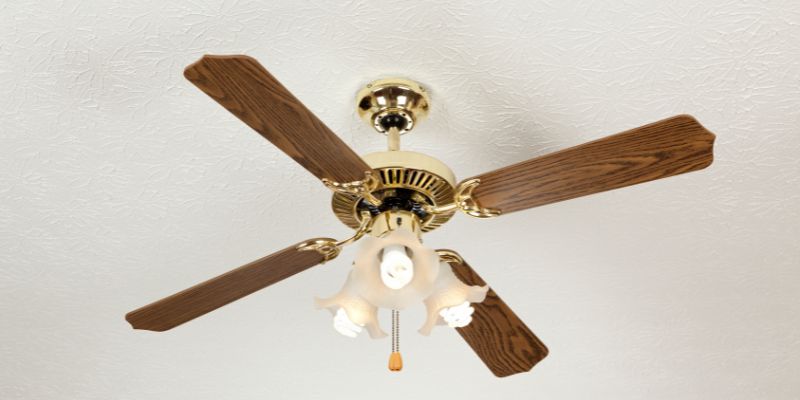
Tools and Materials You’ll Need
Before you start, grab these tools and materials. Most are probably in your toolbox already!
- Screwdriver: A Phillips or flathead for screws (check your fan’s manual).
- Wire stripper: For trimming wires cleanly.
- Voltage tester: To make sure the power’s off—no shocks, please!
- Ladder: A sturdy one to reach the ceiling safely.
- New ceiling fan: Pick one that fits your room (more on that later).
- Wire nuts: For securing wire connections.
- Pliers: Handy for twisting wires or tightening small parts.
Table 1: Tool Comparison for Ceiling Fan Replacement
| Tool | Purpose | Budget Option ($10–$20) | Pro Option ($20–$50) |
|---|---|---|---|
| Screwdriver | Tighten screws | Basic Phillips | Multi-bit driver |
| Voltage Tester | Check for live wires | Simple non-contact | Digital tester |
| Wire Stripper | Trim and strip wires | Manual stripper | Self-adjusting model |
Caption: Choose tools based on your budget and how often you DIY. A voltage tester is a must for safety!
For a visual, imagine a simple diagram showing a screwdriver, voltage tester, and ladder next to a ceiling fan. It’d help beginners see what they need.
Step-by-Step Guide to Replace a Ceiling Fan
Here’s how to replace a ceiling fan, broken down into easy steps. Follow these, and it’ll be a piece of cake!
- Turn Off the Power: Head to your breaker box and switch off the power to the fan’s circuit. Use a voltage tester to confirm the wires are dead. Safety first!
- Remove the Old Fan: Unscrew the canopy (the cover near the ceiling) and lower the fan. Unhook the wires (black, white, and green/bare) and take the fan off the bracket. Ask a friend to hold it if it’s heavy!
- Check the Electrical Box: Make sure the ceiling box is fan-rated (it should say so inside). If it’s not, replace it with a fan-rated box. This takes about 30 minutes extra.
- Assemble the New Fan: On the floor, attach the blades and light kit (if included) to the fan motor. Follow the manual—it’s like building a simple puzzle.
- Mount the New Fan: Secure the new mounting bracket to the ceiling box. Thread the fan’s wires through the bracket, then hang the fan. Connect the wires (black to black, white to white, green to green/bare) with wire nuts.
- Secure and Test: Screw the canopy in place, attach the blades, and turn the power back on. Test the fan to ensure it spins smoothly—no wobbling!
Visual Idea: A step-by-step diagram showing the fan being removed, wires connected, and the new fan mounted would make this super clear.
Benefits and Challenges of Replacing a Ceiling Fan
Replacing a ceiling fan has tons of perks, but there are a few hiccups to watch out for.
Benefits
- Better Airflow: A new fan cools your room better, especially in summer.
- Energy Savings: Modern fans use less electricity, saving you money.
- Style Upgrade: New fans look sleek and match your decor.
Challenges
- Wiring Issues: Old or frayed wires can slow you down. I once found wires so old they crumbled!
- Wobbly Fans: If the blades aren’t balanced, the fan might shake. Use a balancing kit if needed.
- Time Sink: Beginners might feel overwhelmed, especially if the ceiling box needs replacing.
Pro Tip: If the wiring looks sketchy, call an electrician. It’s worth the peace of mind.
Cost-Saving Tips and Common Mistakes to Avoid
Here are some ways to save money and avoid headaches:
- Shop Smart: Buy fans during off-season sales (fall/winter) for discounts. I snagged a $100 fan for $60 once!
- Reuse the Bracket: If your old bracket fits, skip buying a new one.
- Check Compatibility: Make sure the new fan works with your existing switch to avoid rewiring costs.
Common Mistakes:
- Forgetting to turn off the power (yikes, always check!).
- Using a non-fan-rated box, which can cause the fan to fall.
- Rushing the wiring—take a photo of the old setup to guide you.
Table 2: Cost Breakdown for Ceiling Fan Replacement
| Item | DIY Cost | Professional Cost |
|---|---|---|
| Ceiling Fan | $50–$300 | $50–$300 |
| Tools (if needed) | $20–$50 | $0 (provided) |
| Electrical Box | $10–$20 | $50–$100 |
| Labor | $0 | $100–$500 |
Caption: DIY saves on labor, but professionals handle complex wiring safely.
Why I Love Replacing Ceiling Fans
There’s something satisfying about swapping out an old fan for a shiny new one. My first attempt was a disaster—wobbly blades, mixed-up wires, the works! But now, I love the process. It’s like solving a puzzle, and the breeze from a new fan feels like a reward. Plus, modern fans are quieter and more efficient, which means lower bills. If you’re nervous, start small and follow the manual. You’ll be amazed at how doable it is!
For visuals, picture a before-and-after photo of an old, dusty fan versus a sleek new one. It’d show the transformation clearly.
When to Call a Professional
If your wiring is old, the ceiling box isn’t fan-rated, or you’re not comfy with electrical work, hire an electrician. It’ll cost $100–$500 but ensures safety. Professionals can finish in 1–2 hours, especially for tricky setups like high ceilings. I called one once for a vaulted ceiling, and it was worth every penny. Check sites like Home Depot for trusted pros.
Frequently Asked Questions
How Long Does It Take To Replace A Ceiling Fan?
It usually takes 1 to 3 hours to replace a ceiling fan. Beginners might need 3 hours, while pros can do it in about an hour. Issues like old wiring or a non-fan-rated box can add time.
Can I Replace a Ceiling Fan Myself?
Yes, if you’re comfy with basic tools and wiring! Follow safety steps, like turning off the power, and use a fan-rated box. If wiring looks tricky, call an electrician.
What Tools Do I Need To Replace a Ceiling Fan?
You’ll need a screwdriver, wire stripper, voltage tester, ladder, pliers, and wire nuts. Most are cheap and easy to find at hardware stores like This Old House.
How Much Does It Cost To Replace a Ceiling Fan?
DIY costs $60–$370 (fan plus tools). Hiring a pro runs $150–$800, depending on wiring and labor. Shop sales to save on the fan!
What If My Ceiling Fan Wobbles After Installation?
Wobbling usually means unbalanced blades or a loose bracket. Use a balancing kit or tighten screws. If it still shakes, check the ceiling box or call a pro.
Can I Replace a Light Fixture With a Ceiling Fan?
Yes, as long as the electrical box is fan-rated. If not, replace it with a fan-rated box. This adds about 30 minutes to the job.
Is a Permit Needed To Replace a Ceiling Fan?
Usually, no permit is needed for a direct replacement. Some cities require one if you’re adding new wiring. Check local rules at your city’s permit office.
Wrapping It Up
Replacing a ceiling fan takes about 1 to 3 hours and can transform your room with better airflow and style. With simple tools, a bit of patience, and safety smarts, you can do it yourself. My first fan swap was a learning curve, but now I love the process! Try it out, or hire a pro if wiring feels tricky. Share your fan swap stories in the comments—I’d love to hear them! For more DIY tips, check out Bob Vila. Happy installing