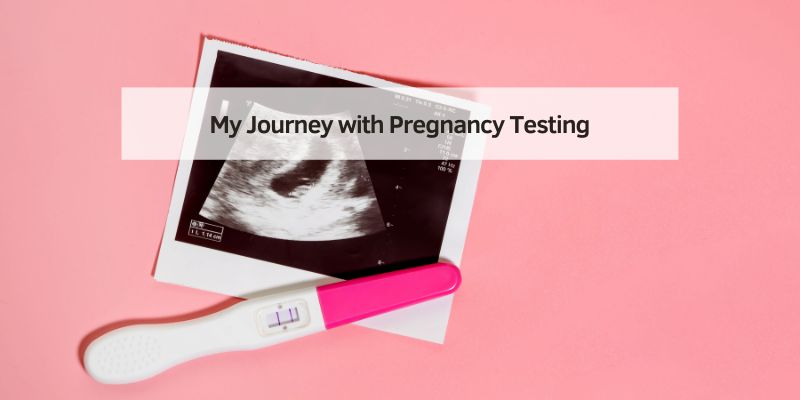
My Journey with Pregnancy Testing
A few years ago, I stood in the pharmacy aisle, staring at rows of pregnancy tests, feeling overwhelmed. I was trying to figure out when and how to take one. The box said something about “first morning urine,” but what did that mean? How long did I need to hold my pee? I ended up buying a test, reading the instructions a dozen times, and calling my doctor for clarity. Since then, I’ve helped friends and family navigate the same questions, and I’ve learned what works best. Let me share my experience so you can take your test with confidence and avoid the confusion I felt.
Why Timing Matters for a Pregnancy Test
Pregnancy tests work by detecting a hormone called human chorionic gonadotropin (hCG) in your urine. Your body starts making hCG after a fertilized egg implants in your uterus, usually about 6–12 days after conception. The level of hCG doubles every few days in early pregnancy, but it’s strongest in your urine when it’s concentrated. That’s why how long you hold your urine matters.
If you drink a lot of water and pee often, your urine gets diluted, and hCG levels might be too low for the test to pick up. Holding your urine for a few hours makes it more concentrated, giving you a better chance of an accurate result. I learned this the hard way when I took a test after chugging water and got a faint line that left me confused. Let’s dive into how long you should hold it to avoid that.
How Long Should You Hold Your Urine?
Most pregnancy test instructions suggest holding your urine for at least 4 hours before testing. This lets hCG build up in your urine for a clear result. But the best time is often first thing in the morning, when your urine is naturally concentrated after not peeing all night. I found that taking my test first thing in the morning—before drinking coffee or water—gave me the clearest result.
If you can’t test in the morning, don’t worry. Holding your urine for 4–6 hours during the day works too. Just avoid drinking too much liquid beforehand. When I helped my sister with her test, she couldn’t wait until morning, so we had her hold her pee for 5 hours in the afternoon. The result was clear and accurate.
Here’s a quick table to guide you:
| When to Test | How Long to Hold Urine | Why It Works |
|---|---|---|
| First Morning Urine | 6–8 hours (overnight) | Most concentrated, highest hCG levels |
| Daytime Testing | 4–6 hours | Concentrated enough for accurate results |
| Random Testing | Less than 4 hours | Risk of dilution, less reliable |
Why First Morning Urine Is Best
I kept seeing “first morning urine” on test boxes, so I asked my doctor why it’s such a big deal. She explained that when you sleep, you’re not drinking or peeing for hours, so your urine gets super concentrated. This makes hCG easier to detect, especially in early pregnancy when levels are low.
For my first test, I woke up, skipped my usual glass of water, and used the bathroom right away. The test showed a strong positive line, and I felt confident in the result. If you’re testing early, like a day or two before your missed period, first morning urine is your best bet. But if your period is already late, daytime testing with a 4–6 hour hold can work just as well.
What If You Can’t Hold Your Urine That Long?
Sometimes, holding your pee for hours isn’t possible. Maybe you’re at work or just can’t wait. I’ve been there, anxious to take the test and not wanting to wait. If you need to test right away, try these tips to improve accuracy:
- Limit Liquids: For 1–2 hours before testing, avoid drinking water, coffee, or soda. I skipped my morning tea when I tested to keep my urine concentrated.
- Test Later in the Day: If you’ve been drinking a lot, wait a few hours to let your urine build up hCG.
- Use a Sensitive Test: Some tests, like First Response Early Result, can detect lower hCG levels, even in less concentrated urine. I used one of these for a midday test, and it worked great.
My friend couldn’t hold her pee for long because of a medical condition. She tested after just 2 hours and used a digital test, which still gave her a clear “Pregnant” result. If you’re unsure, talk to your doctor about the best time to test.

Factors That Affect Pregnancy Test Accuracy
Holding your urine is just one piece of the puzzle. I learned that other things can mess with your results:
Timing of the Test
Testing too early can give a false negative because hCG levels are low. I took a test 8 days after ovulation and got a negative, but a week later, it was positive. Most tests are reliable the day of your missed period, but waiting a few days longer is even better.
Test Sensitivity
Not all tests are the same. Some detect hCG as low as 10 mIU/mL, while others need 25 mIU/mL. I compared brands and found First Response and Clearblue were more sensitive, picking up pregnancy earlier. Check the box for sensitivity if you’re testing early.
Medications
Some medications, like fertility drugs, can raise hCG levels and cause false positives. I was worried about this because I was taking medication for an unrelated issue, but my doctor confirmed it wouldn’t affect the test. Always check with your doctor if you’re on meds.
User Error
Reading the test too soon or too late can mess things up. I once checked a test after 15 minutes and saw a faint line, but the instructions said results after 10 minutes aren’t valid. Follow the timing on the box—usually 3–5 minutes.
Diluted Urine
Drinking too much liquid before testing dilutes hCG. I made this mistake once after drinking a big glass of water, and the test was inconclusive. Stick to the 4–6 hour hold to avoid this.
How to Take a Pregnancy Test Properly
Taking a pregnancy test seems simple, but I learned a few tricks to get it right:
- Read the Instructions: Every test is a little different. I read the box twice to make sure I knew how long to hold the stick in my urine stream.
- Use a Clean Container: If you’re collecting urine in a cup, use a clean, dry one to avoid contamination. I used a disposable cup for my sister’s test.
- Test at the Right Time: Aim for first morning urine or after a 4–6 hour hold. I set an alarm to remind myself not to drink anything beforehand.
- Follow Timing Rules: Check the result in the time frame the test suggests—usually 3–5 minutes. I used a timer on my phone to avoid guessing.
- Store Tests Properly: Keep tests in a cool, dry place. I once left a test in my hot car, and the results were unclear.
What to Do If You Get a Negative Result
A negative result can be disappointing, especially if you’re hoping to be pregnant. I got a negative on my first test and felt crushed, but I learned it’s not always final. If you test early, hCG might not be high enough yet. Wait 2–3 days and test again with the first morning urine. My negative turned positive a week later when I retested.
If your period is late and you keep getting negatives, see a doctor. They can do a blood test, which is more sensitive. My friend had irregular periods and needed a blood test to confirm her pregnancy. Also, check for signs like missed periods, nausea, or fatigue, which might mean you should test again.
What to Do If You Get a Positive Result
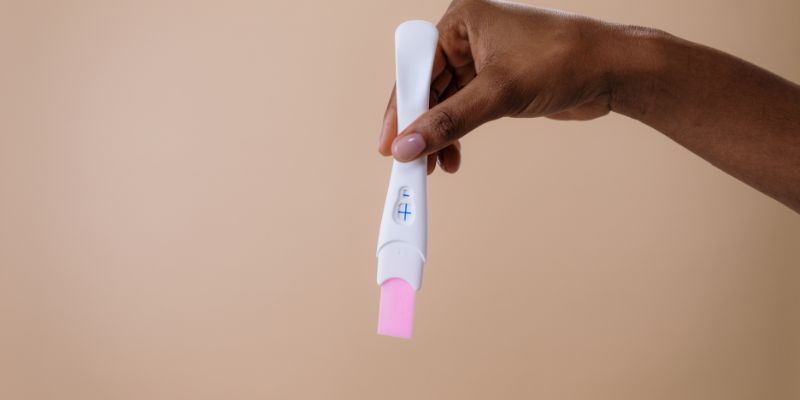
Seeing those two lines or a “Pregnant” on the test is a big moment. I was thrilled but nervous when I got my positive. Here’s what I did next:
- Confirm with Another Test: I took a second test the next morning to be sure. Both were positive, which eased my mind.
- Call Your Doctor: Schedule an appointment to confirm with a blood test and start prenatal care. My doctor set me up with vitamins and a plan right away.
- Track Symptoms: Note any early pregnancy signs like morning sickness or tiredness to share with your doctor.
- Avoid Stress: I worried about every little thing after my positive test. Try to stay calm and follow your doctor’s advice.
Common Mistakes to Avoid
I made a few slip-ups when testing, and I’ve seen friends do the same. Here’s what to watch out for:
- Drinking Too Much: Too much water dilutes urine. I skipped drinks for 4 hours before my second test.
- Testing Too Early: Testing before your missed period can lead to false negatives. I waited until the day after my missed period for my best result.
- Not Following Instructions: Peeing too long or too short on the stick can skew results. I followed the exact seconds listed on the box.
- Ignoring Expiration Dates: Old tests might not work. I checked the date on my test to make sure it was fresh.
Choosing the Right Pregnancy Test
Not all tests are created equal. I tried a few brands and found differences:
- Digital Tests: Clearblue Digital says “Pregnant” or “Not Pregnant,” which I loved for no guesswork. They cost $10–$15.
- Line Tests: First Response Early Result shows two lines for positive. They’re cheaper ($8–$12) and sensitive.
- Cheap Strips: Bulk strips online are $0.50–$1 each, but harder to read. I used these for follow-up tests to save money.
For early testing, I recommend First Response or Clearblue. They’re reliable and easy to find at pharmacies like CVS or Walgreens.
When to See a Doctor
If you’re unsure about your results, a doctor can help. I called mine after a faint line to confirm with a blood test. See a doctor if:
- You get mixed results (positive, then negative).
- Your period is late, but tests are negative.
- You have pregnancy symptoms but negative tests.
- You’re on medications that might affect results.
Blood tests detect hCG as low as 5 mIU/mL and are more accurate than home tests. My doctor’s test confirmed my pregnancy the same day.
Tips for Accurate Pregnancy Testing
Here’s what I do to get the best results:
- Test in the Morning: The First morning urine is your best shot for a clear result.
- Hold Urine for 4–6 Hours: If you can’t test in the morning, skip drinks and wait a few hours.
- Buy a Sensitive Test: Brands like First Response work early, even before your missed period.
- Set a Timer: Check results at the right time to avoid false positives.
- Stay Calm: Stress can make waiting harder. I distracted myself with a book while waiting for results.
What Other Women Say
I talked to friends and checked online forums like BabyCenter to see what others experienced. Many women swore by first morning urine for clear results. One friend tested after only 2 hours and got a false negative, but retesting in the morning showed a positive. Others said digital tests were worth the extra cost for peace of mind. Some warned about testing too early, like I did, and getting disappointed. The common advice? Be patient, hold your urine, and follow the instructions.
Pregnancy Tests and Different Situations
Your situation can affect how you test:
- Irregular Periods: If your cycle isn’t regular, wait 14 days after possible conception. My cousin with irregular periods, tested a week late and got a clear result.
- Fertility Treatments: These can raise hCG, so wait 10–14 days after treatment to avoid false positives. My friend on fertility meds confirmed this with her doctor.
- Early Pregnancy: If you’re testing before your missed period, use first morning urine and a sensitive test.
Costs of Pregnancy Testing
Here’s what I spent or saw others pay:
- Digital Tests: $10–$15 each (Clearblue, First Response).
- Line Tests: $8–$12 for a pack of 2–3.
- Bulk Strips: $10–$20 for 20–50 online.
- Doctor’s Blood Test: $50–$200, depending on insurance.
I bought a two-pack of First Response for $10 and a box of cheap strips for $15 to confirm later tests.
My Final Thoughts
Figuring out how long to hold your urine for a pregnancy test can feel like a lot, but it’s simpler than it seems. My journey taught me that holding your pee for 4–6 hours, or using first morning urine, gives you the best shot at an accurate result. Whether you’re testing early or after a missed period, a concentrated sample and a sensitive test make all the difference.
I’ve been through the nerves and excitement of waiting for those lines, and I know how big this moment is. By following my tips—holding your urine, picking the right test, and avoiding common mistakes—you’ll feel confident in your results. Whether you’re hoping for a positive or not, you’ve got this. Grab that test, take a deep breath, and get ready for answers!
FAQs
How long should I hold my urine for a pregnancy test?
Hold your urine for 4–6 hours, or use first morning urine after not peeing overnight for the most concentrated sample.
Why is the first morning urine best for a pregnancy test?
It’s the most concentrated since you haven’t been drinking or peeing all night, making hCG easier to detect.
Can I take a pregnancy test during the day?
Yes, but hold your urine for 4–6 hours and avoid drinking a lot to keep it concentrated.
What if I can’t hold my urine for long?
Try to wait at least 2 hours and limit liquids. Use a sensitive test like First Response for better results.
Can drinking water affect my pregnancy test?
Yes, too much water dilutes urine, lowering hCG levels. Avoid drinking for a few hours before testing.
What should I do if my test is negative but my period is late?
Retest in 2–3 days with the first morning urine. If it’s still negative, see a doctor for a blood test.