How Long to Tarp to Kill Weeds
Hey there! So, you’re wondering how long to tarp to kill weeds? I get why you’d want to know—those pesky weeds can turn your driveway, garden, or even your car parking spot into an eyesore. As a car enthusiast who loves keeping my garage and yard as clean as my classic Mustang, I’ve battled my fair share of weeds. A few years ago, I discovered tarping, or solarization, as a natural way to zap weeds without chemicals, and it’s been a game-changer. I’ve spent time experimenting in my backyard, talking to gardeners, and figuring out what works best, especially for areas around my vehicles.
Let’s sit down, like we’re chatting over a cold drink in my driveway, and I’ll walk you through everything you need to know about using tarps to kill weeds. We’ll tie it to your automotive world, too, since a weed-free driveway makes your car shine even brighter. This guide is packed with simple, practical tips for everyone, whether you’re a gardening newbie or a seasoned pro. Ready to banish those weeds? Let’s dive in!
Why Tarping Works to Kill Weeds
First, let’s talk about why tarping is so effective. Weeds need sunlight to grow, just like any plant. When you cover them with a tarp, you block sunlight, trap heat, and cook the weeds to death. I tried this in my driveway, where weeds were sprouting around my car’s parking spot. The heat under the tarp also kills weed seeds in the soil, which stops new ones from popping up.
I was amazed the first time I lifted a tarp after a few weeks and saw dead, shriveled weeds. It’s called solarization, and it’s eco-friendly since it uses no chemicals. For car owners, it’s perfect for keeping your driveway or garage area clean without spraying herbicides near your vehicle. Understanding how it works helped me plan my attack on those stubborn weeds.
When to Use Tarping for Weeds
Timing is everything with tarping. I learned this after trying it in the fall and getting so-so results. The best time is during the hottest months—June, July, or August in most of the USA. I did it in July in Ohio, and the scorching sun did the heavy lifting. Warm weather and strong sunlight make the tarp trap more heat, killing weeds faster.
You can’t tar in spring or fall, but it takes longer because it’s cooler. I wouldn’t bother in winter unless you’re in a warm state like Florida or Arizona. For automotive folks, summer tarping clears your driveway before car shows or outdoor detailing sessions. Pick a time when you won’t need the area for a few weeks, since the tarp needs to stay put.
How Long Does Tarping Take to Kill Weeds?
Now, the big question: how long do you need to leave the tarp down? It depends on a few things, like weather, weed type, and tarp material. Here’s what I’ve found:
- 4–6 Weeks: This is the sweet spot for most weeds in hot summer weather. I left a tarp on my driveway for six weeks, and it killed dandelions and crabgrass.
- 6–8 Weeks: For tough, deep-rooted weeds like bindweed or thistle, you need more time. I extended it to eight weeks for a patch near my garage.
- 12+ Weeks: In cooler weather or for very stubborn weeds, it can take three months. I tried tarping in spring and needed 10 weeks for full results.
I check under the tarp after four weeks to see progress. If the weeds are brown and crispy, you’re good. If they’re still green, leave it longer. For car owners, plan around your driving schedule—six weeks is usually enough for a clear driveway.
Choosing the Right Tarp
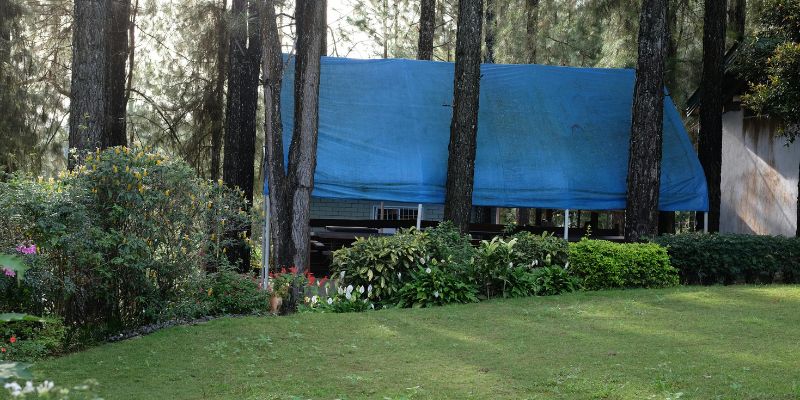
Not all tarps are created equal. I learned this after using a cheap blue tarp that tore after two weeks. Here’s what I look for now:
- Clear Plastic Tarps: These let sunlight through, creating a greenhouse effect. I used a 6-mil clear tarp for my driveway and got great results.
- Black Plastic Tarps: These block light completely but don’t heat as much. I tried a black tarp near my shed, and it worked more slowly.
- Thickness: Go for 4–6 mil thickness for durability. My 6-mil tarp lasted the whole summer.
- UV-Resistant: Ensures the tarp doesn’t break down in the sun. I check the label for UV protection.
- Size: Pick one big enough to cover the area. I used a 10×12-foot tarp for my driveway patch.
Clear tarps are best for solarization, but black work if you’re just blocking light. I buy tarps at hardware stores for $10–$30, depending on size. For car folks, a sturdy tarp also protects your driveway from oil spills or tools during maintenance.
Preparing the Area for Tarping
Before you lay the tarp, you need to prep the area. I skipped this once, and weeds poked through the tarp. Here’s my process:
- Mow or Cut Weeds: Trim weeds as low as possible. I used a weed whacker on my driveway patch.
- Remove Debris: Clear rocks, sticks, or trash. I swept my driveway to make it smooth.
- Water the Area: Wet the soil to help heat penetrate. I hosed down my yard before tarping.
- Level the Ground: Smooth out bumps for a tight fit. I raked the soil near my garage.
- Mark the Area: Use stakes or string to outline where the tarp goes. I did this to keep it neat.
This took me about 30 minutes. For car owners, prepping ensures your driveway looks clean and professional once the weeds are gone. A flat surface also prevents the tarp from blowing away.
Laying and Securing the Tarp
Putting down the tarp is easy, but it needs to stay in place. I had a tarp fly off during a windy day—lesson learned! Here’s how I do it:
- Lay the Tarp: Spread it over the area, pulling it tight. I unrolled my clear tarp over my driveway.
- Secure the Edges: Use heavy objects like rocks, bricks, or sandbags. I placed old tires along the edges—perfect for a car guy!
- Seal Gaps: Overlap multiple tarps if needed and tape seams with duct tape. I taped two tarps together for a big patch.
- Check for Holes: Patch any tears with tape. I fixed a small rip with clear packing tape.
- Anchor the Center: Place weights in the middle for windy areas. I used a cinder block on my yard tarp.
This took about 20 minutes. For automotive folks, securing the tarp keeps your driveway tidy and prevents it from flapping under your car. Check it weekly to ensure it’s tight.
Monitoring the Tarping Process
Once the tarp is down, you need to keep an eye on it. I learned to check regularly after a storm shifted my tarp. Here’s what I do:
- Inspect Weekly: Look for loose edges or tears. I walk around my tarp every Saturday.
- Fix Issues: Re-secure weights or patch holes. I added more bricks after a windy day.
- Peek Underneath: Lift a corner after four weeks to check weeds. I saw dead crabgrass at five weeks.
- Adjust for Weather: Add weights before storms. I doubled up on tires before a big rain.
- Keep It Clean: Remove leaves or debris on top. I sweep my tarp to keep it effective.
This takes 5–10 minutes a week. For car owners, monitoring ensures your driveway stays weed-free without messing up your parking spot.
What to Expect Under the Tarp
Curious about what’s happening under there? I was, too! Here’s what I’ve seen:
- Week 1–2: Weeds start wilting from lack of light. I noticed dandelions drooping early.
- Weeks 3–4: Most weeds turn brown and die. My driveway patch looked like a weed graveyard.
- Weeks 5–6: Tough weeds and seeds die off. I saw thistle roots shrivel at six weeks.
- Week 7+: Soil is mostly clear of viable weeds. My eight-week tarp left clean dirt.
The heat can hit 120–140°F under a clear tarp, which fries weeds and seeds. I was amazed at how clean my driveway looked after lifting the tarp. For car folks, this means a smooth, weed-free surface for parking or working on your vehicle.
Removing the Tarp and Cleaning Up
When it’s time to take the tarp off, you’re in for a treat. I smiled when I saw my weed-free driveway! Here’s how I wrap up:
- Lift the Tarp: Remove weights and carefully pull it up. I rolled mine up to reuse it.
- Clear Dead Weeds: Rake or sweep away dead plants. I used a broom on my driveway.
- Inspect the Soil: Check for any surviving weeds. I pulled a few stragglers by hand.
- Dispose of Debris: Bag up weeds and compost, or trash them. I composted mine.
- Clean the Tarp: Hose it down and store it. I washed my tarp and kept it in my garage.
This took about an hour. For car owners, a clean driveway is perfect for detailing your car or hosting a car meet. I parked my Mustang proudly after finishing.
Maintaining a Weed-Free Area
After tarping, you want to keep weeds away. I’ve kept my driveway clear with these steps:
- Mulch or Gravel: Cover the area with mulch, gravel, or pavers. I added gravel to my driveway edges.
- Regular Sweeping: Sweep weekly to remove weed seeds. I use a push broom every Sunday.
- Spot Weeding: Pull any new weeds immediately. I check my driveway daily for sprouts.
- Seal Cracks: Fill driveway cracks with sealant. I sealed mine to block weed roots.
- Re-Tarp if Needed: Tarp again next summer for stubborn spots. I plan to re-tarp a small patch next year.
This routine keeps my driveway looking sharp, like a well-maintained car. It’s low-effort but makes a big difference.
Comparison of Tarping vs. Other Weed Control Methods
Here’s a table I made to compare tarping with other methods, based on my experience:
| Method | Time Needed | Cost | Pros | Cons |
|---|---|---|---|---|
| Tarping | 4–8 weeks | $10–$30 (tarp) | Eco-friendly, kills seeds | Takes time, needs sun |
| Herbicides | 1–2 days | $15–$50 | Fast, easy | Chemical can harm ethe nvironment |
| Hand Pulling | Hours–days | Free | No cost, immediate | Labor-intensive, misses roots |
| Mulching | 1 day | $20–$100 | Long-term, looks good | Needs upkeep, costly |
| Boiling Water | Hours | Free | Chemical-free, quick | Only for small areas |
Tarping won for me because it’s natural and low-cost. For car owners, it’s ideal for driveways since it avoids chemicals near your vehicle.
Benefits of Tarping for Car Owners
Why does tarping matter for an automotive blog? A weed-free driveway or garage area is a car lover’s dream. I hate seeing weeds around my Mustang—it’s like dirt on a polished hood. Tarping clears your space for parking, detailing, or working on your car. It’s also safe for your vehicle, unlike herbicides that might damage paint or tires. I used tarping to clean up my garage entrance, making it a perfect spot for car photos. Plus, it’s a DIY project that feels as satisfying as a good oil change.
Common Mistakes to Avoid
I’ve made some goofs with tarping. Here’s what to watch out for:
- Using a Thin Tarp: Cheap tarps tear easily. I switched to a 6-mil tarp after a blue one ripped.
- Not Securing Edges: Wind can lift the tarp. I lost one to a storm before using tires.
- Tarping in Cold Weather: It takes too long. I learned to wait for the summer heat.
- Skipping Prep: Uncut weeds can puncture the tarp. I always mow first now.
- Removing Too Soon: Lifting the tarp early lets weeds survive. I wait for at least six weeks.
Avoiding these saves time and effort. Learn from my mistakes!
When to Call a Professional
I’m a DIY guy, but sometimes pros are better. Here’s when I’d call one:
- Large Areas: If your driveway is huge, pros have heavy-duty equipment. I considered this for my backyard.
- Persistent Weeds: If tarping fails, a landscaper can help. My neighbor hired one for tough bindweed.
- Time Crunch: If you’re busy, pros are faster. I paid $200 once to clear a big lot.
- Complex Landscaping: If your area has plants you want to save, pros are precise. I left my garden to an expert.
Landscaping services cost $100–$500, depending on the job. I check reviews to find a good one.
Environmental Impact of Tarping
Tarping is one of the greenest ways to kill weeds. I love that it uses no chemicals, so it’s safe for my pets and the environment. Unlike herbicides, it doesn’t pollute groundwater or harm nearby plants. I used tarping near my vegetable garden without worry. The only downside is plastic waste, but I reuse my tarps for years. For car owners, it’s a clean way to keep your driveway eco-friendly, like choosing a hybrid car.
Conclusion
So, how long does it need to tarp to kill weeds? Usually 4–8 weeks in hot summer weather, depending on the weeds and your setup. From my battles with dandelions and crabgrass in my driveway, I’ve learned that tarping is a simple, eco-friendly way to create a weed-free space for your car or garage. With a sturdy, clear tarp, some prep, and a bit of patience, you can transform your driveway into a clean canvas for your vehicle. Whether you’re parking your pride and joy or setting up for a car wash, a weed-free area makes every drive better. I hope this guide gives you the confidence to tarp those weeds and enjoy a pristine space. Got more questions? Check out the FAQs below for quick answers!
FAQs
How long does it take to kill weeds with a tarp?
It takes 4–6 weeks in summer for most weeds, or 6–8 weeks for tough ones. I cleared my driveway in six weeks with a clear tarp.
What kind of tarp is best for killing weeds?
A 4–6 mil clear plastic tarp works best for solarization. I used a 6-mil clear tarp for my driveway, and it killed everything.
Can I tarp weeds in the spring or fall?
Yes, but it takes longer—8–12 weeks—because it’s cooler. I tried spring tarping and needed 10 weeks for results.
Do I need to water the soil before tarping?
Yes, wet soil helps heat penetrate and kill weeds. I hosed my driveway before laying the tarp.
Will tarping kill weed seeds, too?
Yes, the heat kills seeds in the topsoil. I saw no new weeds in my driveway after six weeks of tarping.
Can I reuse a tarp after killing weeds?
Yes, clean and store it properly. I’ve reused my 6-mil tarp for three seasons.
Is tarping better than using weed killer?
Tarping is eco-friendly and chemical-free, but slower. I prefer it for my driveway to avoid chemicals near my car.