How Many Furniture Pads Do I Need for a Stress-Free Move?
I’ll never forget my first big move. I thought I could slide my heavy couch across the floor without a scratch—big mistake! My new apartment’s hardwood got scuffed, and I wished I’d used furniture pads. If you’re wondering, “how many furniture pads do I need,” this article will help. I’ll share simple tips to figure out the right number, save your floors, and make moving easy. Whether you’re a beginner or a moving pro, you’ll find clear steps, handy tables, and my own lessons to guide you. Let’s make your move smooth and fun!
What Are Furniture Pads?
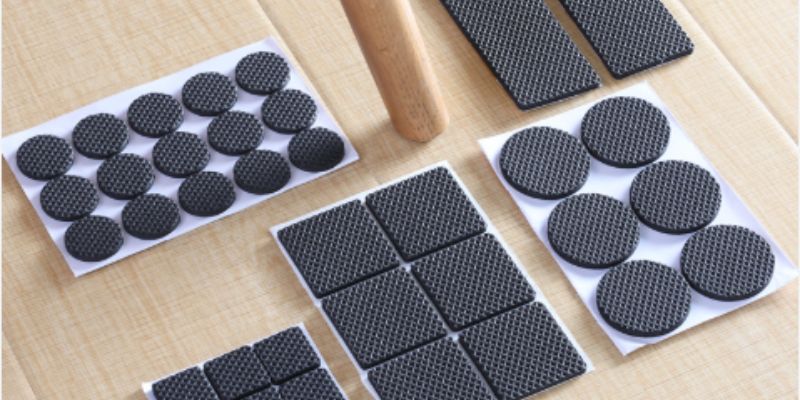
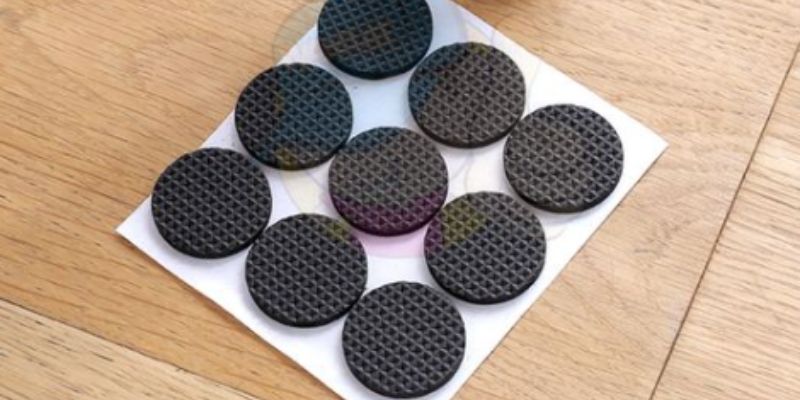
Furniture pads are soft, cushioned pieces you put under furniture. They protect floors from scratches and make moving easier. Think of them as little pillows for your table legs or couch. I use felt pads for small items and thicker moving blankets for big ones. They’re cheap, easy to find, and save you from costly floor repairs. You can buy them at stores like Home Depot or U-Haul.
Why Furniture Pads Matter
Using furniture pads keeps your floors safe. Scratches from dragging a chair can cost hundreds to fix. Pads also make furniture slide smoothly, so you don’t strain your back. When I moved my dining table without pads, it left marks. Now, I always use them to avoid stress and damage.
How to Calculate How Many Furniture Pads You Need
Figuring out “how many furniture pads do I need” is simple. Follow these easy steps to get it right. I’ve used this method for every move since my first mistake.
Step 1: List Your Furniture
Grab a notebook. Write down every piece of furniture you’re moving or protecting. My list usually includes:
- Couch
- Dining table
- Chairs
- Bed frame
- Dresser
Step 2: Count Contact Points
Each piece of furniture touches the floor at certain points. A chair has four legs, so it needs four pads. A couch might need four or six, depending on its feet. Walk around your home and count these points. For my last move, I counted 24 contact points for six chairs and a table.
Step 3: Choose Pad Types
Furniture pads come in different types. Felt pads stick to furniture legs. Moving blankets cover large items. Sliders help heavy pieces glide. I recommend felt pads for small items and blankets for big ones. Check this table for guidance:
| Furniture Type | Pad Type | Number Needed |
|---|---|---|
| Chair (4 legs) | Felt pads | 4 per chair |
| Table | Felt pads | 4–6 per table |
| Couch | Moving blanket | 1–2 per couch |
Caption: Simple guide to match furniture with pad types.
Step 4: Add Extra Pads
Always get 10–20% more pads than you count. Some might tear or not stick well. For my 24 contact points, I bought 28 felt pads. Extras saved me when a few pads fell off during the move.
Tools and Materials You Need
You don’t need much to use furniture pads. Here’s what I grab:
- Furniture pads: Felt pads or moving blankets (U-Haul has good ones).
- Tape: To secure blankets on big items.
- Scissors: To cut felt pads to size if needed.
- Notebook: To list furniture and count pads.
Visit U-Haul for affordable pads. They cost $5–$20, depending on size.
Benefits of Using Furniture Pads
Furniture pads save your floors from scratches. They make moving heavy items easier, so you don’t hurt yourself. They’re also reusable, which saves money. I’ve used the same moving blankets for three moves! Without pads, you risk damaging floors or furniture, which can be expensive to fix.
Drawbacks of Skimping on Pads
Not using enough pads can cause trouble. Scratched floors cost $100–$500 to repair. Moving without pads can also damage furniture corners. I once skipped pads on a dresser, and it chipped. Using too few pads makes moving harder, too, since furniture won’t slide smoothly.
Other Options to Protect Furniture
If furniture pads aren’t enough, try these:
- Cardboard: Place under heavy items to cushion floors.
- Sliders: Plastic discs that help furniture glide.
- Socks: Old socks over chair legs work in a pinch.
I’ve used cardboard under a bed frame when I ran out of blankets. It’s not perfect but helps.
My Top Tips for Using Furniture Pads
Here are my go-to tips from years of moving:
- Check pad size: Match pads to furniture legs for a snug fit.
- Clean surfaces: Wipe furniture feet before sticking pads to help them stay on.
- Test first: Slide a small item to ensure pads work before moving heavy stuff.
| Tip | Why It Helps |
|---|---|
| Check pad size | Prevents pads from falling off |
| Clean surfaces | Ensures pads stick well |
| Test first | Avoids damage during big moves |
Caption: Quick tips to make furniture pads work better.
Common Mistakes to Avoid
Don’t make these beginner errors I learned the hard way:
- Buying too few pads: Always get extras to avoid running short.
- Skipping cleaning: Dirty furniture feet make pads fall off.
- Ignoring heavy items: Big furniture needs thicker pads or blankets.
Visual Ideas for Better Understanding
To make this easier, imagine these visuals (not included):
- Diagram of pad placement: Shows where to put felt pads on chair legs.
- Moving checklist: A list of furniture and pad counts.
- Before-and-after floors: Photos of floors with and without pads.
These could help you see how pads work in real life.
Cost-Saving Ideas
Furniture pads don’t have to break the bank. I buy in bulk at Home Depot for $10–$15 per pack. Reuse old blankets or towels for big items. Check dollar stores for cheap felt pads. These tricks have saved me $50 over multiple moves.
Safety Advice for Moving with Pads
Moving can be risky. Use pads to avoid slipping furniture, which can cause injuries. Secure blankets with tape to prevent tripping. I once tripped over a loose blanket—tape would’ve saved me a bruise! Lift heavy items with a friend to stay safe.
| Item | Cost | Where to Buy |
|---|---|---|
| Felt pads | $5–$15 | Home Depot, Amazon |
| Moving blankets | $10–$20 | U-Haul, Walmart |
| Sliders | $8–$12 | Lowe’s, Amazon |
Caption: Compare costs and sources for furniture pads.
Conclusion
Figuring out how many furniture pads you need is easy with a simple plan. List your furniture, count contact points, choose the right pads, and grab extras. Pads save your floors, make moving smoother, and keep costs low. My moves are now stress-free because I follow these steps. Try it for your next move! Share your moving tips in the comments or start planning today. Moving can be fun with the right tools!
Frequently Asked Questions
How many furniture pads do I need for a small apartment?
For a one-bedroom apartment, count your furniture’s contact points. A typical setup (couch, table, four chairs, bed) needs about 20–30 felt pads and 1–2 moving blankets. Add 5–10 extra pads for safety. My first apartment move used 25 pads for a similar setup.
Can I reuse furniture pads?
Yes, most pads are reusable. Felt pads last multiple moves if you remove them carefully. Moving blankets can be used for years. I’ve reused the same blankets for three moves, saving $30 each time.
What’s the difference between felt pads and moving blankets?
Felt pads are small, sticky cushions for furniture legs. Moving blankets are large, thick covers for big items like couches. Use felt pads for small items and blankets for heavy ones. I use both for full protection.
Where can I buy furniture pads?
Buy pads at U-Haul, Home Depot, or Amazon. Felt pads cost $5–$15, and blankets are $10–$20. I get mine at U-Haul for reliable quality and low prices.
Do furniture pads work on all floors?
Felt pads work on hardwood, tile, and laminate. For carpet, use sliders or thicker pads. Test on a small area first. I learned this after using felt pads on carpet—they didn’t slide well.
How do I know if I have enough pads?
Count each furniture leg or contact point. Add 10–20% more pads for backups. For my dining set, I counted 24 points and got 28 pads. This ensured I had enough.
Can I move furniture without pads?
You can, but it’s risky. Without pads, floors get scratched, and furniture may chip. I skipped pads once and damaged my table. Pads are cheap and prevent costly repairs.