How Should a Respirator Mask Fit?
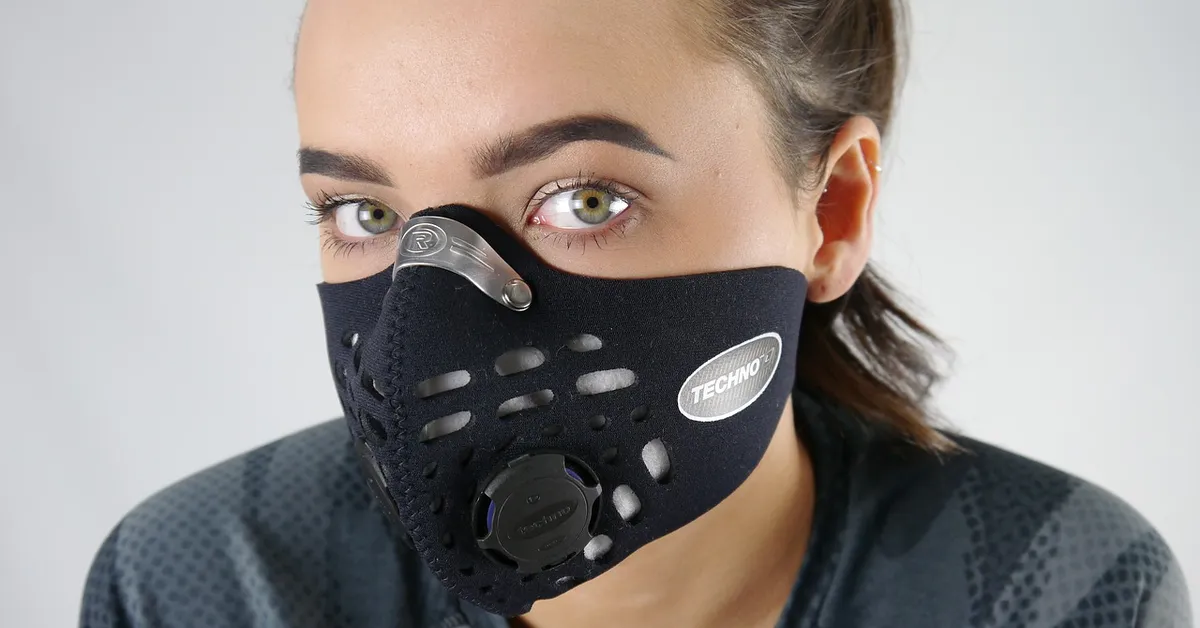
A respirator mask should seal completely against bare skin around the nose, cheeks, and chin with no gaps, hair, or facial stubble breaking that seal, and it should pass a simple positive- and negative-pressure check every time you put it on. This guide explains how to check your own fit, why facial hair defeats the seal entirely, and when a disposable N95 isn’t enough protection for the job.
The Two-Strap Seal Check
After putting on a cup-style N95 or half-mask respirator, mold the metal nose clip to your nose bridge with both hands, then run a positive-pressure check: cover the mask with your hands and exhale sharply. Air should not leak out around the edges; if it does, readjust the straps. Follow with a negative-pressure check: cover the exhalation valve or intake and inhale sharply. The mask should collapse slightly against your face with no air rushing in around the seal. Do both checks every single time you put the mask on, not just the first time.
Why Facial Hair and Fit Don’t Mix
Even a day or two of stubble along the jawline creates microscopic channels under the seal that a tight-fitting respirator cannot close, no matter how hard you pull the straps. This isn’t a minor efficiency loss; OSHA fit-testing data shows even light stubble can drop a respirator’s effective protection factor dramatically. Anyone with a beard who needs real respiratory protection, such as during spray finishing or drywall sanding, should use a loose-fitting powered air-purifying respirator (PAPR) or a full hood system instead, since these don’t rely on a skin seal.
Disposable N95 vs. Elastomeric Half-Mask Respirators
A disposable N95 filtering facepiece is a single-use particulate filter molded into the mask itself, fine for wood dust, drywall dust, and other nuisance particulates but offering no protection against fumes, solvents, or gases. An elastomeric half-mask respirator uses a reusable silicone or rubber body with replaceable cartridges, letting you swap in P100 particulate filters for fine dust or organic vapor cartridges for solvents, adhesives, and spray finishes. The reusable mask also seals more consistently over repeated use since its rigid body doesn’t collapse like a disposable shell.
When You Need a Professional Fit Test
OSHA requires an annual fit test for anyone using a tight-fitting respirator for occupational exposure to hazards like silica dust, isocyanates in spray finishes, or asbestos. A qualitative test has you breathe a bitter or sweet test aerosol inside a hood to see if you can taste it through the mask, while a quantitative test uses a machine to measure the actual leak rate at the seal. DIY homeowners aren’t legally required to fit-test, but the same seal checks still apply every time.
Frequently Asked Questions
Can I reuse an N95 mask?
A disposable N95 can typically be reused for several sessions if it isn’t visibly soiled, damaged, or hard to breathe through, but it should be replaced immediately if the straps stretch out or the seal no longer feels snug.
Why does my mask fog up my glasses?
Fogging almost always means air is leaking out the top of the mask near your nose instead of exiting through the intended exhalation path, which usually means the nose clip needs to be molded more tightly or the top strap repositioned higher.
What cartridge do I need for spray painting?
Most solvent-based paints and finishes require an organic vapor (OV) cartridge, often combined with a P100 particulate pre-filter to catch overspray mist. Check the paint’s safety data sheet for the specific vapors involved before choosing a cartridge.
Sponsored / affiliate links. As an Amazon Associate I earn from qualifying purchases. I may earn additional commission from eligible campaigns.