What Is a Brad Nailer Good For? Trim, Holding, and Strength Limits
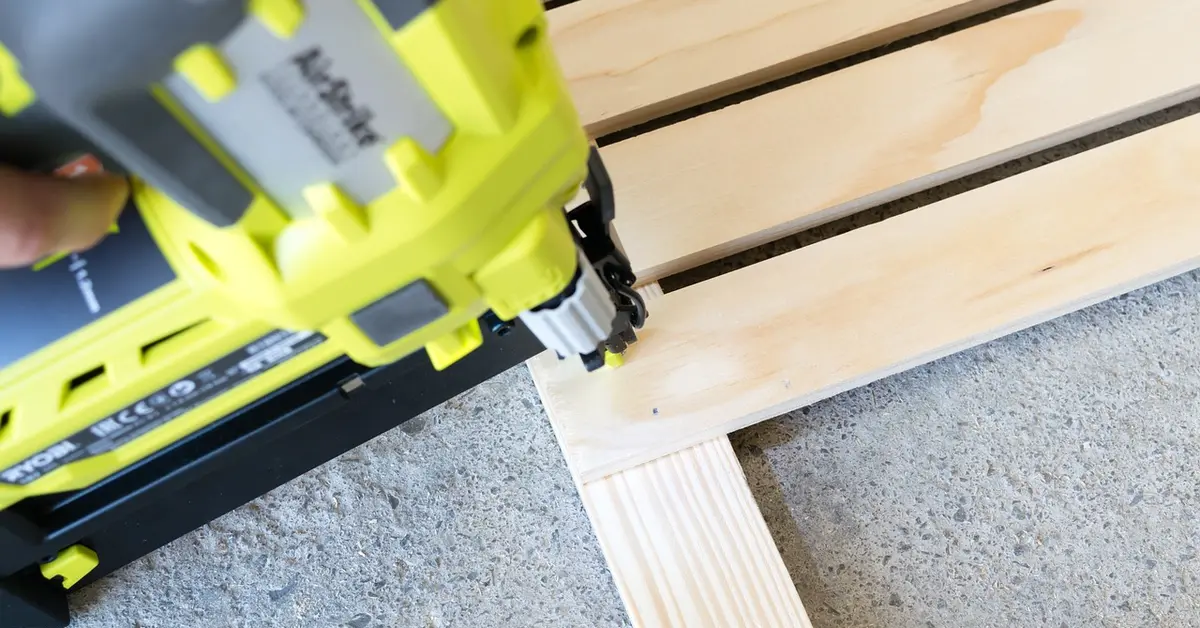
A brad nailer drives thin 18-gauge nails, called brads, typically ranging from about 5/8 inch to 2 inches long, and its small head leaves a pin-sized hole that needs little to no wood filler. That makes it excellent for delicate trim and light assembly work, but it is not a structural fastener and should never be the only thing holding a load-bearing or heavy joint together.
What makes a brad nailer different from a finish nailer
The defining feature of a brad nailer is its 18-gauge wire, noticeably thinner than the 15 or 16-gauge nails a finish nailer drives. That thinner gauge means less shear and withdrawal strength per nail, but also a much smaller entry hole and less risk of splitting delicate or narrow moldings. For a closer breakdown of when each tool is the better choice, see this comparison of a finish nailer against a brad nailer for trim work, since the two tools overlap in use but are not interchangeable for every job.
Where a brad nailer genuinely excels
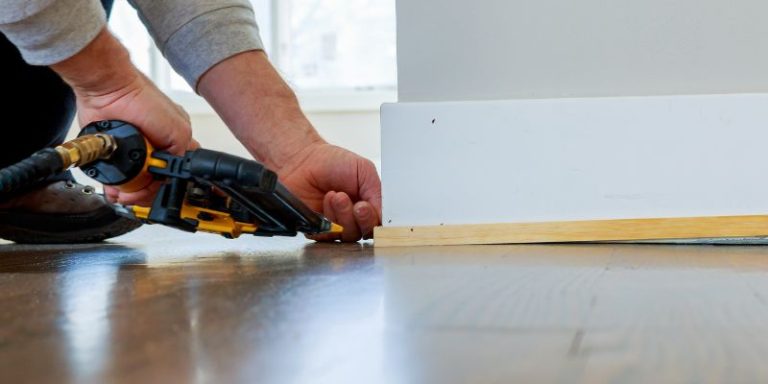
Thin decorative moldings, shoe molding, small quarter-round, cabinet face frames, and light box or craft assembly are all excellent uses, since the thin brad holds these lightweight pieces without splitting them and the resulting hole is nearly invisible once filled or left bare on stained trim. Brad nailers also shine as a clamping aid, tacking a glued joint together at the correct alignment while the wood glue itself does the real structural work of bonding the joint, which is a very different role than being the primary fastener.
Where a brad nailer falls short
Thick baseboard, crown molding in older homes with dense hardwood trim, and any structural framing connection ask for more holding strength than an 18-gauge brad reliably provides. Brads can also bend or deflect inside dense hardwood without a pilot hole, sending the nail off at an angle instead of straight into the material. A brad nailer’s air pressure and drive force are also generally lower than a full finish or framing nailer, so it struggles to sink a nail fully flush into very hard or thick stock even when the brad itself is long enough.
Matching brad length to the job
As a rule of thumb, the brad should penetrate at least half to two-thirds of its length into the base material behind the trim piece being attached, so a 3/4 inch thick trim piece typically calls for a brad in the 1.5 to 2 inch range depending on what is behind it. Too short a brad leaves the trim only weakly attached even with plenty of glue, while too long a brad risks poking through the back of thin material or hitting something unexpected behind a wall.
Frequently Asked Questions
Can a brad nailer replace wood glue for trim work?
No. Brads alone provide relatively weak holding power compared to a properly glued joint. The best practice for trim is to apply wood glue to the joint and use the brad nailer mainly to hold the piece in position while the glue cures.
Do I need to fill every brad nail hole?
Not always. On stained or natural wood trim, many woodworkers leave the small holes as is or use a matching color putty stick, since the holes are small enough to be nearly invisible. On painted trim, a dab of lightweight spackle sanded smooth before painting gives a fully invisible finish.
Can I use a brad nailer on hardwood?
Yes for thin hardwood trim, but expect more bent brads and misfires than in softwood, and consider drilling a small pilot hole in dense hardwood to prevent the thin brad from deflecting or splitting the piece.
Sponsored / affiliate links. As an Amazon Associate I earn from qualifying purchases. I may earn additional commission from eligible campaigns.