How to Add Legs to a Dresser: A Step-by-Step Guide to Elevate Your Furniture
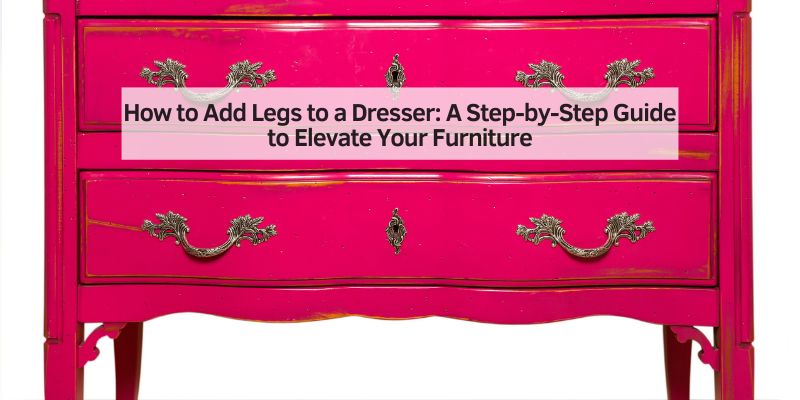
Hey there! Have you ever looked at an old dresser and thought it could use a little lift—literally and figuratively? Adding legs to a dresser is a fantastic way to give it a fresh, modern look while making it more functional. I’ve tackled this project myself a few times, and let me tell you, it’s easier than it sounds!
Whether you’re sprucing up a thrift store find or giving new life to a family heirloom, this guide will walk you through everything you need to know. I’ll share my tips, tricks, and lessons learned to help you add legs to your dresser like a pro. Let’s dive in and transform that piece of furniture into something you’ll love showing off!
Why Add Legs to a Dresser?
When I first thought about adding legs to a dresser, I wasn’t sure if it was worth the effort. But trust me, it’s a game-changer! Raising a dresser off the floor makes it look more elegant and less bulky. It creates an airy, open feel in your room, which is perfect for small spaces. Plus, it’s practical—cleaning under the dresser becomes a breeze, and you won’t have to wrestle with dust bunnies hiding in corners.
Legs also let you customize the style. Want a mid-century modern vibe? Go for angled wooden legs. Love a glam look? Try sleek metal ones. I once added hairpin legs to a plain oak dresser, and it went from drab to fab in a single afternoon. It’s amazing how such a small change can make a big impact. You’re not just adding legs—you’re giving your dresser a whole new personality.
Choosing the Right Legs for Your Dresser
Picking the perfect legs is where the fun begins. I’ve learned that the type of legs you choose can make or break the project. There are so many options out there, and it’s easy to feel overwhelmed, but I’ll break it down for you.
First, think about the style of your dresser. Is it rustic, modern, or traditional? For a vintage dresser, I love chunky wooden legs with a natural finish. They add warmth and charm. If your dresser is sleek and contemporary, metal legs, like hairpin or straight ones, give it a clean, minimalist look. I once used brass-tipped legs for a dresser in my bedroom, and they added just the right touch of sophistication.
Height is another thing to consider. Legs typically range from 4 to 12 inches tall. I usually go for 6 to 8 inches—it’s enough to lift the dresser without making it feel unstable. If you’re adding legs to a tall dresser, shorter legs work best to keep it balanced. For a low, wide dresser, longer legs can create a dramatic effect.
Here’s a quick table to help you choose:
| Leg Type | Style | Best For | Height Range |
|---|---|---|---|
| Hairpin Legs | Modern, Mid-Century | Sleek, minimalist dressers | 4–10 inches |
| Tapered Wooden Legs | Traditional, Rustic | Vintage or farmhouse dressers | 6–12 inches |
| Straight Metal Legs | Industrial, Contemporary | Bold, urban-style dressers | 5–8 inches |
| Turned Wooden Legs | Classic, Ornate | Antique or elegant dressers | 6–10 inches |
Material matters too. Wooden legs are sturdy and easy to paint or stain. Metal legs are durable and give a modern edge. I’ve found that pre-made legs from hardware stores or online retailers are the easiest to work with. They often come with mounting plates, which make installation a breeze. Just make sure the legs you pick can support the weight of your dresser—check the weight capacity if you’re buying online.
Tools and Materials You’ll Need
Before you start, gather your tools and materials. I’ve made the mistake of diving into a project without everything on hand, and it’s a hassle to stop mid-way. Here’s what I use for this project:
- Screwdriver or Drill: A power drill speeds things up, but a screwdriver works fine.
- Screws: Usually come with the legs or mounting plates. Check the size (typically 1–1.5 inches long).
- Mounting Plates: These are metal plates that attach the legs to the dresser. Some legs come with them, but you can buy them separately.
- Sandpaper: For smoothing out rough spots on the dresser’s base.
- Measuring Tape and Pencil: For marking where the legs will go.
- Level: To make sure the dresser sits evenly.
- Wood Filler (Optional): If your dresser has an uneven base or old hardware holes.
- Paint or Stain (Optional): If you want to finish the legs to match the dresser.
I always keep a small toolbox handy for projects like this. If you’re missing something, your local hardware store will have it. Pro tip: double-check that your screws aren’t too long, or they might poke through the dresser’s base!
Preparing Your Dresser
Preparation is key to a smooth project. I learned this the hard way when I tried to skip a step and ended up with a wobbly dresser. Start by clearing off the dresser and removing all drawers. This makes it easier to work and keeps the dresser lightweight.
Flip the dresser upside down so you can access the base. If it’s heavy, ask a friend to help—I’ve strained my back trying to do this solo! Inspect the bottom for any damage or uneven spots. If there are old feet or glides, remove them with a screwdriver or pliers. I once found rusty old glides on a thrift store dresser, and taking them off made a huge difference.
Sand the base lightly to create a smooth surface for the mounting plates. If there are holes or dents, fill them with wood filler and let it dry. This step ensures your legs attach securely. Wipe away any dust with a damp cloth so you’re ready to install.
Installing the Legs
Now comes the exciting part—attaching the legs! I love this step because you start to see the dresser transform. Here’s how I do it:
- Mark the Placement: Measure and mark where each leg will go. I usually place them about 1–2 inches from the edges of the dresser for stability. Use a pencil to mark the spots for the mounting plates. If your legs don’t come with plates, you’ll screw them directly into the base, so mark those spots instead.
- Attach the Mounting Plates: Line up the mounting plates with your marks. Use a drill or screwdriver to secure them with screws. Make sure they’re tight and flush with the base. I’ve found that pre-drilling small pilot holes makes this easier, especially with hardwood dressers.
- Screw in the Legs: If your legs have mounting plates, screw them into the plates. Most legs have a threaded bolt that twists right in. If you’re attaching legs directly, screw them into the base using the marked spots. Tighten them firmly, but don’t overdo it—you don’t want to strip the wood.
- Check for Stability: Flip the dresser right-side up (carefully!) and place it on a flat surface. Use a level to check if it’s even. If it wobbles, adjust the legs by tightening or loosening them. Some legs come with adjustable feet, which are a lifesaver for uneven floors.
I once had a dresser that wobbled like crazy because I didn’t check the level. A quick tweak fixed it, so don’t skip this step!
Finishing Touches
Once the legs are on, it’s time to make everything look polished. If your legs are unfinished wood, you can stain or paint them to match the dresser. I love using a wood stain for a natural look, but a pop of color can be fun too. For a dresser in my living room, I painted the legs a soft gray to blend with the decor, and it looked amazing.
Apply the stain or paint in thin, even coats, and let it dry completely. If you’re staining, use a clean cloth to wipe off excess for a smooth finish. Sand lightly between coats for a professional look. If the dresser itself needs a refresh, now’s a great time to paint or refinish it too.
Check the screws one last time to make sure everything’s secure. If you’re feeling fancy, add felt pads to the bottom of the legs to protect your floors. I’ve found these at dollar stores, and they work like a charm.
Styling Your Newly Elevated Dresser
With the legs on, your dresser is ready to shine! I love styling a dresser to make it the star of the room. The extra height gives you space underneath, so consider adding a basket or decorative box for storage. It’s perfect for hiding shoes or blankets in a bedroom.
On top, add a mix of decor to make it pop. A lamp, a small plant, or a stack of books works great. I once placed a vintage mirror above a dresser with hairpin legs, and it gave the whole room a chic, retro vibe. Play around with textures and colors to match your style.
If you’re using the dresser in a dining room or entryway, it can double as a console table. I’ve used one as a bar cart for parties, and the legs made it look so elegant. The possibilities are endless!
Maintenance and Care
To keep your dresser looking great, a little maintenance goes a long way. Dust it regularly to prevent buildup, especially around the legs. If you have wooden legs, check for scratches or wear over time. A quick touch-up with stain or paint can fix them right up.
If the legs ever feel loose, tighten the screws or bolts. I check mine every few months, especially if the dresser gets moved around. For metal legs, wipe them down with a damp cloth to keep them shiny. Avoid harsh cleaners that could damage the finish.
Common Mistakes to Avoid
I’ve made my fair share of mistakes, so let me save you some trouble. First, don’t skip measuring. Uneven leg placement can make your dresser wobbly or look off-balance. Second, don’t use screws that are too long—they can damage the dresser. Always double-check the size.
Another mistake is choosing legs that don’t match the dresser’s weight or style. A heavy dresser needs sturdy legs, not flimsy ones. And don’t rush the prep work—sanding and cleaning the base makes a big difference in the final result.
Conclusion
Adding legs to a dresser is one of those projects that feels so rewarding when you’re done. I remember the first time I tried it—I was nervous, but seeing that tired old dresser turn into a stylish centerpiece made it all worth it. With just a few tools and a bit of patience, you can create a piece that’s uniquely yours.
Whether you’re going for a modern, rustic, or classic look, the right legs can elevate your dresser in every sense of the word. So grab your tools, pick out some legs, and have fun transforming your furniture. You’ve got this!
FAQs
Can I add legs to any dresser?
Yes, most dressers can have legs added! Just make sure the base is flat and sturdy enough to support the legs. If the dresser is made of particleboard, use shorter screws to avoid splitting the material. I’ve added legs to everything from solid wood to IKEA dressers with no issues.
How much weight can dresser legs hold?
It depends on the legs. Most pre-made legs from hardware stores can support 100–200 pounds per leg, but always check the manufacturer’s specs. For a heavy dresser, choose thicker, sturdier legs. I once used heavy-duty wooden legs for a solid oak dresser, and it’s held up perfectly.
Do I need to paint or stain the legs?
It’s optional, but I recommend it for a polished look. If the legs don’t match the dresser, painting or staining them can tie everything together. I’ve had great results with a quick coat of spray paint for metal legs or a wood stain for a natural vibe.
What if my dresser isn’t level after adding legs?
If it’s wobbly, check the leg placement with a level. You might need to adjust the screws or add shims under one leg. Some legs have adjustable feet, which are great for uneven floors. I’ve used felt pads to fine-tune the balance on tricky surfaces.
Can I reuse old legs from another piece of furniture?
Absolutely! If the legs are in good shape and the right size, go for it. Just make sure they’re strong enough for the dresser’s weight. I once salvaged legs from an old coffee table, and they worked perfectly for a dresser project.