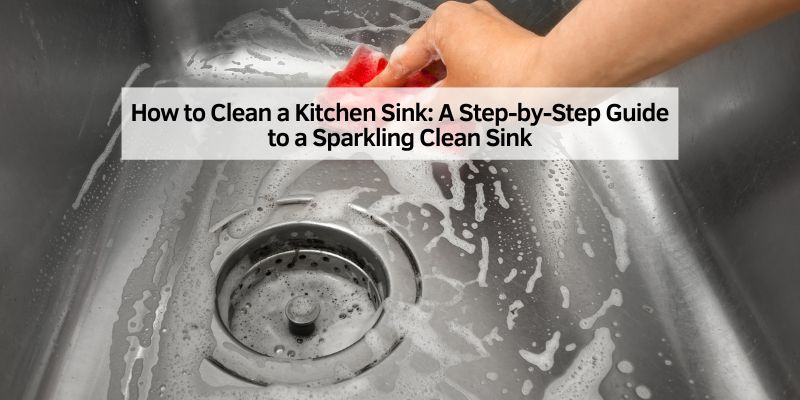
How to Clean a Kitchen Sink: A Step-by-Step Guide to a Sparkling Clean Sink
Hey there! Let’s talk about something we all want—a clean, shiny kitchen sink that makes your whole kitchen feel fresh and inviting. I’ve spent years perfecting my sink-cleaning routine, and I’m excited to share my tips with you. Your kitchen sink works hard every day, handling dirty dishes, food prep, and endless scrubbing. But it can get grimy fast if you don’t give it some love. Cleaning a kitchen sink isn’t just about looks—it keeps things hygienic and makes your kitchen a happier place to cook and gather.
In this guide, I’ll walk you through everything I’ve learned about cleaning a kitchen sink, from quick daily habits to deep-cleaning tricks for stubborn stains. Whether you’ve got a stainless steel, porcelain, or composite sink, I’ve got you covered. Let’s dive in and make that sink sparkle!
Why Cleaning Your Kitchen Sink Matters
I used to think my kitchen sink was clean just because I rinsed it after doing dishes. Boy, was I wrong! The sink is one of the busiest spots in your home. It’s where you wash dishes, soak laundry, and even drain pasta. All that action leaves behind food particles, grease, and bacteria. If you don’t clean it regularly, it can become a breeding ground for germs. Studies have shown that kitchen sinks can harbor more bacteria than your bathroom toilet—yuck! A clean sink not only looks great but also keeps your family safe from harmful microbes. Plus, a shiny sink makes your whole kitchen feel brighter and more welcoming. Trust me, once you start giving your sink some TLC, you’ll wonder why you didn’t do it sooner.
Gathering Your Supplies
Before we get started, let’s talk about what you’ll need. I like to keep things simple and use items you probably already have at home. Here’s my go-to list for cleaning a kitchen sink:
| Item | Purpose |
|---|---|
| Dish soap | Cuts through grease and grime |
| White vinegar | Removes water stains and disinfects |
| Baking soda | Gently scrubs away tough stains |
| Soft sponge or cloth | Cleans without scratching the sink |
| Old toothbrush | Gets into crevices and around the faucet |
| Microfiber cloth | Polishes the sink for a streak-free shine |
| Lemon (optional) | Adds a fresh scent and tackles light stains |
| Rubber gloves | Protects your hands from hot water and cleaners |
I also keep a spray bottle handy for mixing vinegar and water. If you have a special sink material like composite or copper, check the manufacturer’s care instructions to avoid damage. Most of these supplies are budget-friendly and safe for all sink types.
Daily Cleaning: Keeping Your Sink Fresh
I learned the hard way that a little effort every day saves you from big cleaning headaches later. Daily cleaning is quick and keeps your sink looking good. After washing dishes, I rinse the sink with warm water to flush away food bits. Then, I squirt a small amount of dish soap onto a soft sponge and give the sink a quick scrub, focusing on the basin and around the drain. Rinse thoroughly and dry with a microfiber cloth to prevent water spots. This takes about two minutes and makes a huge difference. If you notice any lingering odors, toss a slice of lemon down the garbage disposal and run it with cold water for a fresh scent. Doing this daily keeps grime from building up and makes deep cleaning easier.
Deep Cleaning a Stainless Steel Sink
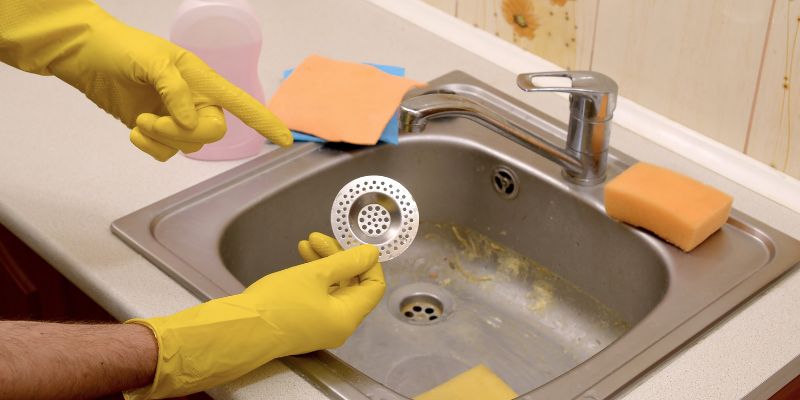
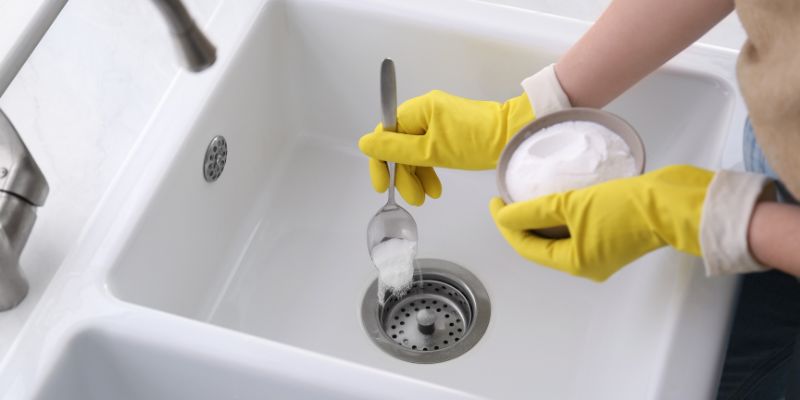
Most of us have stainless steel sinks, and they’re prone to scratches and water spots if you’re not careful. I’ve found a method that works like a charm for getting that showroom shine. Start by rinsing the sink to remove loose debris. Sprinkle baking soda generously over the wet sink—it acts like a gentle abrasive to lift stains without scratching. Using a soft sponge, scrub in the direction of the sink’s grain (look closely; you’ll see faint lines). This prevents swirl marks. For stubborn spots, like coffee or rust stains, make a paste with baking soda and water, apply it to the spot, and let it sit for 10 minutes before scrubbing.
Next, tackle water spots and limescale with white vinegar. Soak a cloth in vinegar, lay it over the affected areas, and let it sit for 15 minutes. Rinse well and dry with a microfiber cloth. For the faucet and handles, use an old toothbrush dipped in vinegar to clean those hard-to-reach spots. If you want an extra shine, rub a few drops of olive oil onto a microfiber cloth and buff the sink. It sounds weird, but it works! Just don’t overdo it, or the sink will feel greasy.
Cleaning a Porcelain Sink
Porcelain sinks are beautiful but can stain easily, especially if you leave dishes soaking too long. I’ve got a white porcelain sink in my guest house, and it’s a magnet for marks. To clean it, start with a warm water rinse to loosen debris. Sprinkle baking soda over the sink and scrub gently with a soft sponge. Avoid abrasive scrubbers like steel wool—they’ll scratch the surface. For tough stains, like those from tea or tomato sauce, I use a mix of equal parts hydrogen peroxide and water.
Apply it with a cloth, let it sit for 20 minutes, then rinse. If limescale is an issue, soak paper towels in white vinegar, place them over the stains, and wait 30 minutes before rinsing. Dry the sink thoroughly to prevent water marks. Porcelain needs gentle care, but with this method, it’ll look pristine.
Caring for a Composite or Granite Sink
Composite or granite sinks are durable and stylish, but they require a slightly different approach. I helped a friend clean her black composite sink, and we were amazed at how easy it was. Start by rinsing the sink with warm water. Use a mild dish soap and a soft sponge to scrub the entire surface, including the edges. For tough stains or limescale, mix equal parts water and white vinegar in a spray bottle. Spray the sink, let it sit for 10 minutes, then scrub gently. Rinse well and dry with a microfiber cloth to avoid streaks. Never use harsh chemicals like bleach on composite sinks—they can dull the finish. If your sink has a matte look, a quick buff with a dry cloth restores its sleek appearance.
Tackling the Garbage Disposal
If your sink has a garbage disposal, it needs special attention. I ignored mine for too long, and the funky smells were a wake-up call! To clean it, first, make sure it’s off for safety. Sprinkle a half-cup of baking soda down the drain, then pour in a cup of white vinegar. It’ll fizz like a science project—don’t worry, that’s normal. Let it sit for 10 minutes to break down grease and odors. Flush with a pot of boiling water (unless your sink is porcelain, as hot water can crack it; use warm water instead). For a fresh scent, grind a few ice cubes with a lemon wedge in the disposal. Do this weekly to keep it odor-free and running smoothly.
Polishing Faucets and Fixtures
A clean sink isn’t complete unless the faucet sparkles too. I love how a shiny faucet ties the whole look together. Use a soft cloth dampened with white vinegar to wipe down the faucet, focusing on the base where limescale builds up. For tight spots, like around the handles or aerator, use an old toothbrush dipped in vinegar. If your faucet is chrome or brushed nickel, a quick buff with a microfiber cloth gives it a mirror-like shine. Avoid abrasive cleaners, as they can damage the finish. If you have a pull-down sprayer, run vinegar through it to clear mineral deposits. This step takes just a few minutes but makes your sink look brand-new.
Removing Stubborn Stains and Scratches
Every sink gets the occasional stubborn stain or scratch, and I’ve dealt with my fair share. For stainless steel, a baking soda paste works wonders on rust or coffee stains. Apply it, let it sit, and scrub gently. For deeper scratches, I’ve used a stainless steel cleaner like Bar Keepers Friend, but use it sparingly to avoid dulling the finish. In porcelain sinks, hydrogen peroxide is my go-to for stains. For composite sinks, a magic eraser sponge can lift light scratches, but test it in a small area first. If stains persist, don’t panic—most can be removed with patience and the right cleaner. Just avoid harsh chemicals that could damage your sink’s surface.
Preventing Future Buildup
Once your sink is sparkling, you’ll want to keep it that way. I’ve found a few habits that make maintenance easy. Rinse and dry the sink after every use to prevent water spots and limescale. Use a sink grid or mat to protect the bottom from scratches caused by heavy pots. Avoid leaving wet sponges or acidic foods like citrus in the sink for too long—they can cause stains or corrosion. If you have hard water, wipe down the sink with a vinegar-soaked cloth weekly to keep limescale at bay. These small steps save you from big cleaning sessions down the road.
Eco-Friendly Cleaning Tips
I’m all about keeping things green, and cleaning your sink doesn’t have to harm the planet. White vinegar, baking soda, and lemon are natural, non-toxic cleaners that work just as well as chemical ones. They’re safe for your family, pets, and the environment. If you want to cut down on waste, use reusable cloths instead of paper towels. You can also make a DIY cleaning spray with equal parts vinegar and water, plus a few drops of essential oil for a pleasant scent. I love lavender or citrus—it makes cleaning feel like a treat. These eco-friendly methods are budget-friendly and just as effective as store-bought cleaners.
Common Mistakes to Avoid
I’ve made plenty of sink-cleaning mistakes, so let me save you some trouble. Don’t use steel wool or abrasive pads on stainless steel or porcelain—they’ll leave scratches. Avoid bleach on composite or stainless steel sinks, as it can cause discoloration or pitting. Never mix cleaning products like bleach and ammonia—it creates toxic fumes. Don’t let acidic foods like vinegar or tomato sauce sit in the sink for too long, as they can etch the surface. And always rinse thoroughly after using cleaners to prevent residue buildup. Learning from my mishaps has helped me keep my sink in top shape, and I hope these tips do the same for you.
Maintaining Different Sink Materials
Not all sinks are created equal, and I’ve cleaned enough of them to know each type needs specific care. Stainless steel is low-maintenance but shows water spots, so dry it often. Porcelain is prone to staining, so avoid leaving coffee or wine in it overnight. Composite sinks resist stains but can dull if you use harsh chemicals. Copper sinks, which I’ve seen in fancier kitchens, need mild soap and water to maintain their patina—vinegar can strip it. Always check your sink’s care instructions, as some materials have unique needs. Tailoring your cleaning method to your sink’s material keeps it looking great for years.
Conclusion
There you go—your kitchen sink is now sparkling clean, and I bet it feels amazing! I’ve been cleaning sinks for years, and there’s nothing like the satisfaction of a shiny, fresh-smelling sink to make your kitchen feel like home. By following these steps—daily quick cleans, weekly deep cleans, and the right care for your sink’s material—you’ll keep it looking brand-new. Plus, you’re keeping your family safe from germs and making your kitchen a more inviting place. So, grab that sponge, put on some music, and give your sink the love it deserves. You’ll be amazed at how such a simple task can transform your space. Happy cleaning!
Frequently Asked Questions
How often should I clean my kitchen sink?
I clean my sink daily with a quick rinse and soap scrub to keep grime at bay. For a deep clean, once a week is enough to tackle stains and odors. If you cook a lot or have hard water, you might need to deep clean twice a week.
Can I use bleach to clean my kitchen sink?
I avoid bleach on stainless steel or composite sinks because it can damage the finish. For porcelain, a diluted bleach solution is okay for tough stains, but rinse thoroughly. Stick to vinegar and baking soda for safer cleaning.
How do I get rid of odors in my garbage disposal?
I sprinkle baking soda down the disposal, followed by vinegar, and let it fizz for 10 minutes. Then, I flush it with boiling water and grind a lemon wedge for freshness. Doing this weekly keeps odors away.
What’s the best way to remove water spots from a stainless steel sink?
I soak a cloth in white vinegar and lay it over the spots for 15 minutes. Then, I rinse and dry with a microfiber cloth. For extra shine, buff with a tiny bit of olive oil—it works like magic!
Is it safe to use a magic eraser on my sink?
I use a magic eraser on composite sinks for light scratches, but I test it in a small area first. Avoid them on stainless steel or porcelain, as they can scratch or dull the surface.
How can I prevent scratches in my kitchen sink?
I use a sink grid or mat to protect the bottom from heavy pots. I also avoid dragging sharp utensils across the sink and rinse it regularly to prevent abrasive debris from building up.