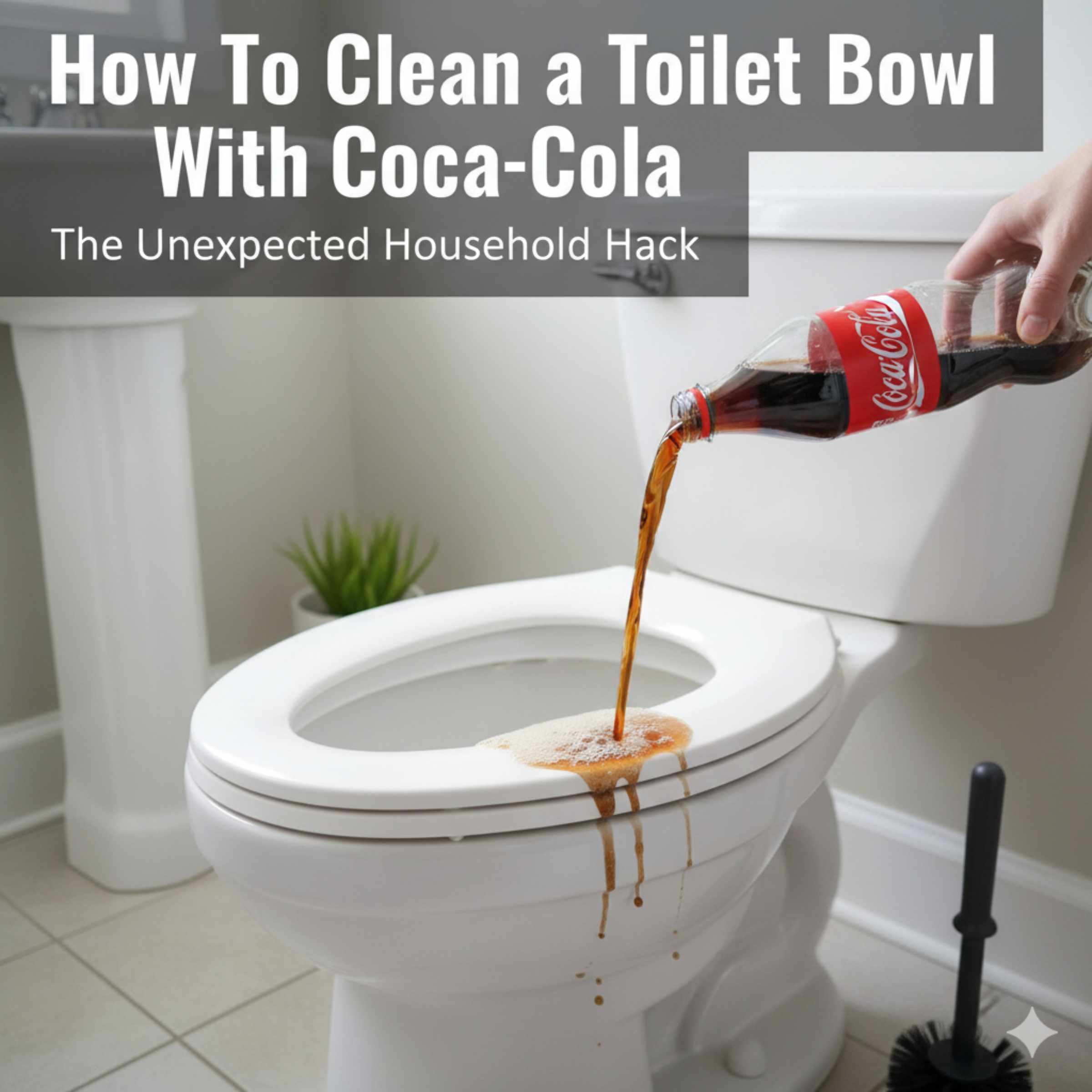
How To Clean A Toilet Bowl With Coca Cola: Essential Hack
Yes, you can clean a toilet bowl with Coca-Cola! The phosphoric acid in regular soda acts as a mild descaler, effectively breaking down mineral buildup and rust stains. Pour one or two cans around the bowl rim, let it sit for at least an hour (overnight is best), then scrub lightly with your toilet brush and flush.
Cleaning the toilet is never anyone’s favorite chore. Sometimes, those stubborn rings and mineral deposits just will not budge, even with strong chemical cleaners. If you are looking for a surprisingly effective, non-toxic, and incredibly cheap alternative that you probably already have under your kitchen sink, you are in the right place. We are going to dive into the famous “Coca-Cola toilet cleaning hack.” It sounds too good to be true, but this method relies on simple kitchen chemistry to dissolve tough stains. Forget harsh fumes; let’s tackle that grime the easy way. Follow these simple steps, and you will have a sparkling bowl in no time!
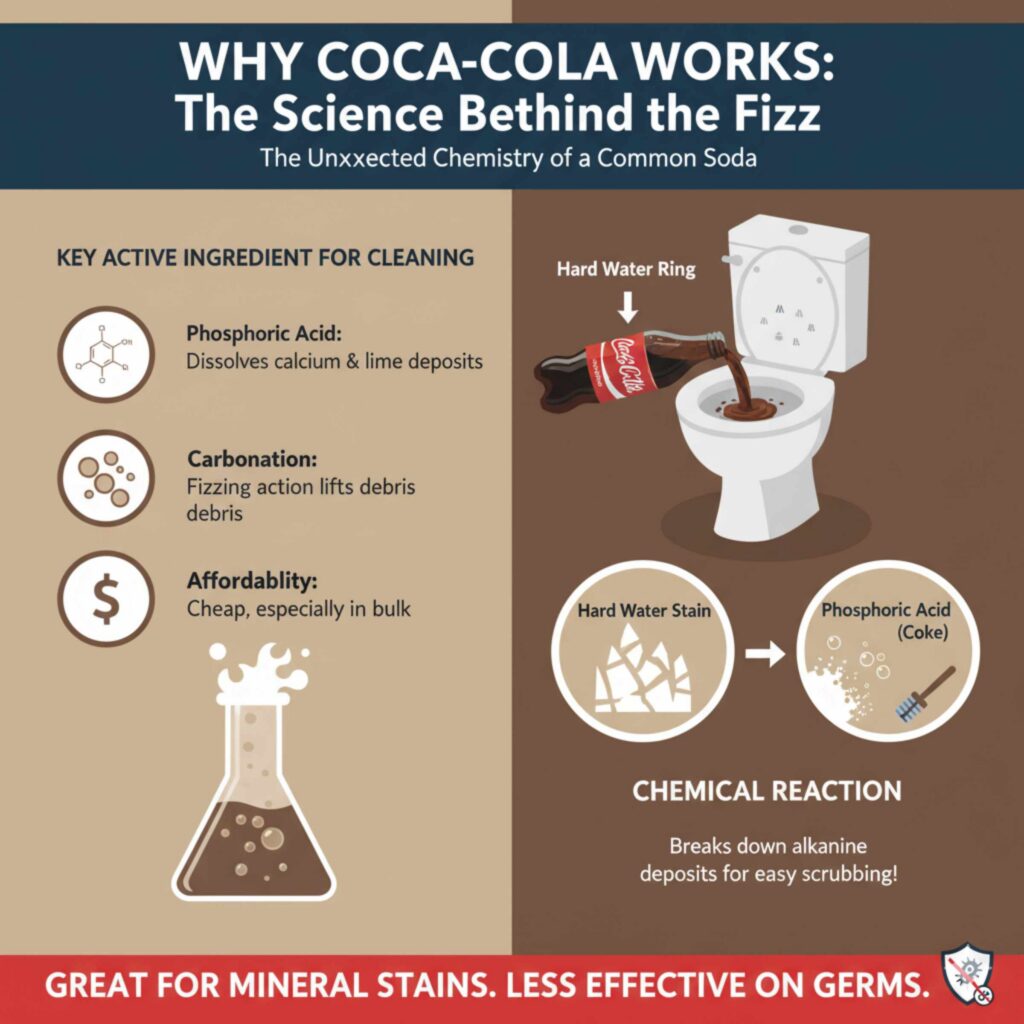
Why Coca-Cola Works: The Science Behind the Fizz
Before we start pouring soda everywhere, it is helpful to know why this strange trick actually works. We are not just relying on sugar water here! The magic lies in a common ingredient found in most colas: phosphoric acid.
Phosphoric acid is a relatively mild acid, much weaker than the hydrochloric acid found in many commercial toilet bowl cleaners. However, this mild acidity is exactly what we need for certain common toilet problems. Hard water contains minerals like calcium and magnesium, which build up over time, creating those hard, crusty rings we all hate. These deposits are alkaline in nature.
When an acid meets an alkaline mineral deposit, a chemical reaction occurs that helps break down (or dissolve) the bond holding the scale to the porcelain. This makes scrubbing much easier. Think of it like this: the Coke gently softens the grime so your brush can sweep it away without heavy scrubbing.
Key Active Ingredient for Cleaning
- Phosphoric Acid: The main active cleaner, helping dissolve calcium and lime deposits.
- Carbonation: The fizzing action helps agitate the surface, lifting minor debris.
- Affordability: Often cheaper than specialized cleaners, especially if you buy large bottles on sale.
It is important to note that while Coke is great for mineral stains (hard water rings), it is less effective against deep mold or bacteria compared to dedicated disinfectants. Always follow up with a regular clean if you are concerned about germs, but for cosmetic stains, Coke is a winner.
What You Will Need: Gathering Your Supplies
One of the best parts of this hack is that you likely do not need to run to the hardware store. This is truly a pantry project! Having the right supplies ready ensures the process goes smoothly and safely.
Tools and Ingredients List
- Coca-Cola: You will need about 1 to 2 standard 12-ounce (355ml) cans, or about half a 2-liter bottle. Make sure it is regular Coca-Cola. Diet or zero-sugar versions contain artificial sweeteners that don’t offer the same acidic benefit for cleaning.
- Toilet Brush: Your standard brush for scrubbing.
- Rubber Gloves: Always protect your hands when cleaning the bathroom, even with gentle cleaners.
- Pumice Stone (Optional): For extremely stubborn stains that the Coke and brush cannot handle alone. (More on this later!)
- Baking Soda (Optional): A gentle abrasive if you want extra scrubbing power once the Coke has done its work.
If you are worried about using anything abrasive, remember that porcelain is very hard. However, always test a small, inconspicuous area if you plan to use a pumice stone, though generally, a wet pumice stone is safe on the smooth, glazed surface of a modern toilet bowl. According to the HGTV cleaning guides, chemical reactions are often preferred over harsh scraping for longevity.
Step-by-Step Guide: How To Clean A Toilet Bowl With Coca Cola
This process requires patience more than elbow grease. The acid needs time to work its magic. Do not rush this part!
Step 1: Prepare the Toilet Bowl
The goal here is to maximize the surface area the Coca-Cola will touch. If the water level is too high, the soda gets diluted too quickly.
- Put on your rubber gloves.
- If possible, briefly turn off the water supply valve behind the toilet (usually a small knob on the wall) and flush once to empty most of the water. If you cannot turn the water off, simply proceed to the next step, knowing the soda will be slightly diluted.
Step 2: Pour the Coca-Cola
Now it is time for the fizz!
- Take your can(s) or bottle of regular Coke.
- Slowly pour the soda directly around the inside rim of the toilet bowl. Try to ensure the cola coats the entire inner surface, running down into the water line and aiming for the stained areas.
- If you are using a large 2-liter bottle, use about half of it for a standard bowl cleaning.
Step 3: Let It Soak (The Waiting Game)
This is the most crucial step for success when learning how to clean a toilet bowl with Coca Cola.
- Allow the Coca-Cola to sit undisturbed. For light rings, 30 minutes might be enough.
- For moderate to heavy mineral buildup or rust stains, let it sit for at least one hour.
- The Best Practice: For serious stains, leave the Coke in the bowl overnight (6 to 8 hours). This gives the phosphoric acid maximum time to break down the mineral bonds.
Step 4: Scrub the Bowl
Once the soaking time is up, it is time to put your toilet brush to work.
- Take your toilet brush and scrub the entire bowl vigorously. Pay special attention to the water line and any areas where stains were visible before the Coke treatment.
- You should notice the stains lifting much easier than they did before the soaking period.
- If you used a pumice stone for any particularly tough spots, use it gently now while the surface is wet and lubricated by the Coke mixture.
Step 5: Flush and Inspect
The final step is the satisfying flush!
- Turn the water supply back on if you turned it off in Step 1.
- Flush the toilet. Watch the water swirl and carry away the loosened grime and the cola.
- Inspect the bowl. If you still see faint discoloration, you can repeat the process or apply a paste of baking soda and a little leftover Coke for light abrasive scrubbing, then flush again.
When to Use This Hack vs Commercial Cleaners
As a home improvement guide, I always want you to use the right tool for the job. Coca-Cola is fantastic for specific situations, but it has its limits. Knowing when to reach for the Coke and when to grab the heavy-duty cleaner makes all the difference.
Best Scenarios for Coca-Cola Cleaning
| Stain Type | Coca-Cola Effectiveness | Why? |
|---|---|---|
| Light Hard Water Rings (Lime/Calcium) | Excellent | The acid reacts directly with the alkaline minerals. |
| Minor Rust Stains | Good | The acid begins to break down iron oxides. |
| General Grime/Light Dirt | Fair | Works as a mild, weak acid cleaner. |
| Mold, Mildew, or Severe Bacteria | Poor | Lacks necessary disinfecting agents. |
| Very Old, Thick Scale Buildup | Requires multiple treatments | Needs stronger acids or mechanical removal. |
If you are dealing with serious sanitation issues—say, you are cleaning a rarely used guest bathroom or the toilet has sat unused for months—you should use a recognized disinfectant cleaner first. For daily or weekly upkeep, especially in areas with hard water, Coke is a brilliant, affordable preventative measure.
Tips for Tackling Extra Tough Stains
Sometimes, years of neglect have led to serious buildup. If the standard Coca-Cola soak doesn’t fully remove the stain, don’t panic! We have a few tricks up our sleeves, leveraging that same simple kitchen chemistry.
The Baking Soda Boost
Baking soda (sodium bicarbonate) is a very mild abrasive and a base. When used after the Coke has softened the minerals, it provides the necessary friction to lift them away.
- After flushing the Coke solution, sprinkle about a half-cup of baking soda around the bowl.
- If you have any leftover Coke, drizzle a tiny bit over the baking soda to create a fizzy paste.
- Use your toilet brush to scrub this paste directly onto the remaining stains. The combination of mild acid (Coke residue), mild base (baking soda), and friction is surprisingly powerful against softened scale.
Using the Pumice Stone Correctly
A pumice stone is highly effective against mineral rings but requires caution. Always ensure both the stone and the porcelain are completely wet before you start scrubbing. A dry stone can scratch the glaze.
- Dip the pumice stone in the Coke solution (or fresh water).
- Gently rub the stone directly onto the hard stain using light, circular motions. Do not apply heavy pressure; let the stone do the work.
- Rinse the area with the brush and flush to check your results. This method is often necessary for thick, established rings.
Safety and Practicality Notes
While we love DIY solutions, safety is always paramount in any home project, whether it’s woodworking or bathroom cleaning. Here are a few points to keep your process safe and worry-free.
Mixing Cleaners Caution
This is vital: Never mix Coca-Cola with bleach or any cleaner containing chlorine. Mixing an acid (like the phosphoric acid in Coke) with chlorine bleach creates toxic chlorine gas, which can be extremely dangerous, even in small amounts. Stick to the Coke alone, or use it followed by a plain water rinse before using other products.
Porcelain Health
Modern toilets are typically made of vitreous china, a durable, glazed ceramic. The mild acid in Coke is generally safe for this surface when used occasionally. However, avoid leaving any acid, including Coke, sitting for days on end, as prolonged exposure could potentially dull the finish over many years. For regular cleaning, once a month is perfectly fine.
The Sugar Residue Myth
Some folks worry that the sugar in regular Coke will attract pests or feed bacteria. Because the Coke is highly diluted by the water in the bowl and is immediately flushed away after a short scrubbing period, this is rarely a practical concern. If you are leaving it overnight, the acid has already neutralized or dissolved most of the organic material it interacts with. Simply flush thoroughly.
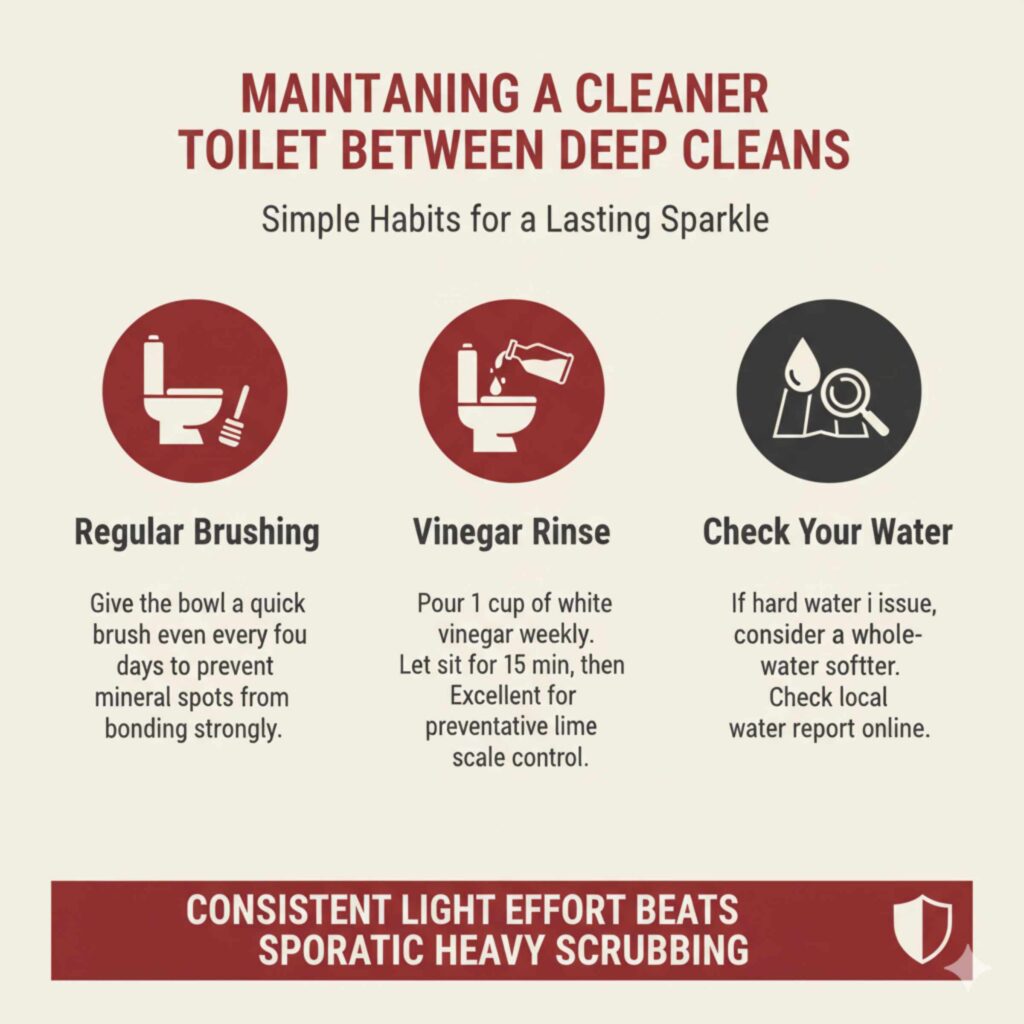
Maintaining a Cleaner Toilet Between Deep Cleans
Now that you know how to clean a toilet bowl with Coca Cola for tough stains, let’s talk about keeping it clean longer. A little preventative maintenance saves a lot of scrubbing later!
Think of this as regular upkeep, similar to sanding down wood between coats of varnish. Consistent light effort beats sporadic heavy effort.
Easy Maintenance Tips
- Regular Brushing: Give the bowl a quick brush every few days, even without strong cleaner. This prevents mineral spots from bonding strongly.
- Vinegar Rinse: If hard water is your main enemy, try pouring one cup of white distilled vinegar into the bowl once a week and letting it sit for 15 minutes before flushing. Vinegar is acetic acid and is excellent for preventative lime scale control.
- Check Your Water: If you live in an area with extremely hard water, consider installing a water softener for your entire home. While a bigger investment, it stops these mineral stains at the source. You can check your local municipal water report, often available online from your Environmental Protection Agency (EPA) or local utility provider, to see your water hardness rating.
Frequently Asked Questions (FAQ) About Cleaning Toilets with Soda
Q1: Can I use Pepsi or another dark soda instead of Coca-Cola?
Yes, generally you can use any dark, sugary cola like Pepsi, RC Cola, or store brands. The cleaning power comes from the phosphoric acid content, which is present in most major brands of brown cola. Stick to the full-sugar version for best results.
Q2: How often is it safe to clean my toilet with Coca-Cola?
For maintenance cleaning or light stains, using this method once a month is perfectly fine. If you have severe hard water stains, you might use it twice in one week to tackle the buildup, followed by a switch back to regular cleaning.
Q3: Will this method damage my toilet’s porcelain finish?
No, not when used as directed (soaking for a few hours and scrubbing). The acid is weak, and the process is gentle on the glaze. Just ensure you never mix it with bleach or leave it for several days straight.
Q4: Should I pour the Coke into the water or directly onto the sides?
It is most effective to pour it directly onto the sides of the bowl, ensuring the cola coats the stained areas above the waterline. Pouring it slowly helps the acid adhere to the porcelain before it hits the water at the bottom.
Q5: What if I have a septic system? Is Coke safe for septic tanks?
For the small amounts used in a standard toilet cleaning (1-2 cans), Coca-Cola is generally safe for septic systems. The sugars are minimal compared to what naturally goes down the drain, and the acid neutralizes quickly. However, if you have a very small or struggling septic system, it’s always best to stick to plain vinegar or water for routine cleaning.
Q6: Does the fizzing help clean the toilet?
The carbonation (fizz) provides some minor mechanical agitation, helping lift very loose particles, but the real cleaning work is done by the chemical reaction of the phosphoric acid with the mineral deposits. The fizz is more satisfying than strictly necessary for stain removal.
Conclusion: Your Confident Cleaning Companion
There you have it—a simple, effective, and surprisingly affordable way to combat those frustrating hard water rings and rust spots in your toilet bowl. Learning how to clean a toilet bowl with Coca Cola is a fantastic addition to your home maintenance toolkit. It proves that you don’t always need harsh chemicals or expensive specialty products to get great results. Remember, the key is patience: give that phosphoric acid time to work its wonders!
By setting aside an hour or letting it soak overnight, you are allowing simple kitchen chemistry to do the heavy lifting. Next time you see a stubborn ring forming, skip the harsh scrubbing and grab a can of cola instead. You will be amazed at how easily it wipes away, leaving you with a clean, sparkling bowl and a little extra confidence in your DIY cleaning skills. Happy cleaning!