How to Clean Brazilian Cherry Hardwood Floors: Expert Tips
Taking care of your beautiful Brazilian cherry hardwood floors can sometimes feel like a puzzle, especially if you’re new to it. These floors have a unique look, and using the wrong cleaner can cause them to lose their shine or even get damaged. It sounds tricky, right?
But don’t worry! We’ve got a simple, step-by-step guide that makes cleaning them easy. Get ready to learn all the tricks to keep your floors looking fantastic for years to come.
We’ll walk you through everything you need to know about How to Clean Brazilian Cherry Hardwood Floors: Expert Tips.
Caring For Your Brazilian Cherry Hardwood Floors
Brazilian cherry hardwood floors are known for their stunning, deep red hues and impressive durability. Their rich color and natural grain make them a sought-after choice for homes. However, their unique properties also mean they require specific care to maintain their beauty and longevity.
Unlike some other wood types, Brazilian cherry can be sensitive to harsh chemicals and excessive moisture. This section will guide you through the best practices for daily, weekly, and occasional cleaning to protect your investment and keep your floors looking their absolute best. We’ll cover gentle yet effective methods.
Daily Sweeping and Dusting
Keeping your floors free of dust and debris is the first and most important step in preventing scratches and dullness. Daily sweeping or dust mopping removes particles that can act like fine sandpaper underfoot, slowly wearing down the finish. This simple habit goes a long way in preserving the floor’s natural luster and preventing micro-scratches that can accumulate over time.
Regular removal of grit also makes deeper cleaning much more effective.
- Daily sweeping or dust mopping is crucial. This action removes loose dirt, sand, and grit. These small particles can cause micro-scratches on the hardwood’s surface over time. A soft-bristle broom or a high-quality dust mop designed for hardwood floors works best. Avoid vacuums with beater bars, as these can also scratch the finish. Aim to cover the entire floor, paying attention to high-traffic areas where dirt tends to accumulate the most. This quick daily task prevents abrasive materials from grinding into the wood, preserving its sheen and structural integrity.
- Choosing the right tools is key. A good dust mop features a wide head that covers a large area quickly. Microfiber dust mops are excellent because they attract and trap dust and pet hair effectively. For sweeping, opt for a broom with soft, fine bristles that can get into crevices without scratching. Many modern brooms are specifically designed for hardwood, offering a gentle yet efficient way to clear away debris. The right tool makes the job easier and more protective of your floor’s finish.
- Focus on entryways. Place mats both inside and outside all exterior doors to trap dirt and moisture before it can reach your hardwood floors. This simple preventative measure significantly reduces the amount of grit tracked into your home. Regularly clean these mats to ensure they are effective. Consider a shoe-off policy at the door, especially during muddy or snowy seasons. This one habit can dramatically extend the life and beauty of your Brazilian cherry floors.
Weekly Cleaning Routine
Beyond daily dusting, a more thorough weekly cleaning is necessary to tackle grime and maintain the shine of your Brazilian cherry floors. This involves a damp mopping technique that uses minimal moisture to lift away stuck-on dirt without saturating the wood. The goal is to clean effectively without causing any harm to the wood or its finish.
We will explore the best methods and cleaning solutions to ensure your floors are spotless and protected.
Damp Mopping Techniques
Damp mopping is the cornerstone of weekly hardwood floor cleaning. It means using a mop that is wrung out so thoroughly that it is barely moist. The idea is to lift dirt and grime without leaving standing water on the floor, which can seep into the wood and cause damage, such as warping or staining.
This technique is gentle yet effective for everyday cleaning. It helps maintain the floor’s appearance and prevents the buildup of residues that can dull the finish.
- The process of damp mopping involves several key steps. First, ensure the floor is thoroughly swept or dust-mopped to remove all loose particles. This prevents dirt from being smeared around by the mop. Next, prepare your cleaning solution. Use a pH-neutral cleaner specifically formulated for hardwood floors. Dilute it according to the product’s instructions. Dip your mop into the solution and wring it out until it is just damp. Mop in the direction of the wood grain, working in small sections. Do not let water pool on the floor; if the mop feels too wet, wring it out further.
- Choosing the right cleaning solution is vital for Brazilian cherry hardwood. Harsh chemicals, ammonia-based cleaners, or abrasive scrubs can strip the protective finish, causing discoloration and damage. Opt for pH-neutral cleaners designed for hardwood. Many brands offer specialized formulas. If you prefer a natural approach, a very diluted solution of white vinegar and water can sometimes be used, but always test in an inconspicuous area first. A common recommendation is one cup of white vinegar to one gallon of water. However, always check your floor manufacturer’s recommendations, as some finishes are more sensitive than others.
- Drying is as important as cleaning. After damp mopping, it’s essential to ensure the floor dries quickly. For very small damp spots or if you notice any lingering moisture, you can go over the floor with a clean, dry microfiber cloth. Alternatively, a fan can help speed up the drying process. Proper ventilation aids in faster drying. Never leave standing water on your Brazilian cherry floors. The wood can absorb this moisture, leading to swelling, warping, or even mold growth in the subfloor.
Choosing the Right Cleaning Products
Selecting the correct cleaning products is paramount for the health and appearance of your Brazilian cherry hardwood floors. The wrong cleaner can strip the finish, dull the wood’s natural color, or even cause permanent damage. It is important to stick to products specifically designed for hardwood, and preferably those recommended by the flooring manufacturer.
These products are formulated to be gentle yet effective, ensuring your floors remain beautiful and protected.
- pH-neutral cleaners are the gold standard for hardwood. A pH-neutral cleaner has a balanced acidity level, typically between 6.0 and 8.0, which matches the natural pH of wood finishes. This means they won’t etch, dull, or degrade the protective coating on your floors. Many reputable brands offer pH-neutral hardwood floor cleaners. Always look for this designation on the product label. These cleaners effectively lift dirt and grime without leaving behind residue that can attract more dirt or create a slippery surface.
- Avoid harsh chemicals and abrasive materials. Products containing ammonia, bleach, strong solvents, or abrasive particles should be strictly avoided. Ammonia can break down the finish over time, making the wood more susceptible to damage and discoloration. Bleach can lighten the wood and strip its color. Abrasive cleaners can create fine scratches that dull the finish and eventually wear down the wood itself. Always read ingredient lists carefully and steer clear of anything that sounds too aggressive for delicate surfaces.
- Consider natural cleaning alternatives with caution. While some homeowners opt for natural solutions like diluted vinegar, it’s essential to proceed with extreme care. White vinegar is acidic, and while a small amount diluted in water can be effective for some wood floors, it can also damage certain finishes if used too frequently or in too high a concentration. A good rule of thumb is to use no more than one cup of white vinegar per gallon of water. Always test any natural cleaner in an inconspicuous area first and consult your floor manufacturer’s guidelines.
Deep Cleaning Brazilian Cherry Hardwood Floors
While daily and weekly maintenance keeps your floors looking good, occasional deep cleaning is necessary to remove stubborn grime and restore their luster. Deep cleaning is not something you need to do very often, perhaps only a few times a year or when you notice a significant buildup of dirt or dullness that regular cleaning can’t fix. This process might involve slightly more effort but is essential for maintaining the long-term beauty of your Brazilian cherry floors.
We’ll cover the steps and products for a thorough rejuvenation.
When to Deep Clean
Knowing when to deep clean your Brazilian cherry hardwood floors is key to effective maintenance. Unlike daily dusting or weekly damp mopping, deep cleaning addresses more ingrained issues. It’s not a routine task but rather a restorative one.
Overdoing deep cleaning can actually harm the floor’s finish. Therefore, identifying the right signs is crucial for preserving the wood’s integrity and beauty.
- Visible buildup of grime or residue is a primary indicator for deep cleaning. Over time, even with regular cleaning, certain stubborn dirt, scuff marks, or residues from cleaning products can accumulate on the floor’s surface. This buildup can make the floor appear dull, hazy, or even sticky. If your regular damp mop is no longer lifting this grime effectively, it’s a sign that a more intensive approach is needed. Look for areas that don’t shine like the rest of the floor, especially in high-traffic zones.
- Persistent scuff marks and stains that don’t come off with light cleaning are another cue. While small scuffs might be buffed out, deeply embedded marks or dried-on spills require more focused attention. These can detract from the floor’s polished appearance. A deep clean can often lift these stubborn marks, restoring a uniform and pristine look to your Brazilian cherry floors. This is also the time to address any minor scratches that have appeared over time.
- A noticeable dulling of the finish that isn’t resolved by regular cleaning is a strong signal. The protective coating on your hardwood floors can lose its sheen due to wear and tear or microscopic dirt particles. If your floors have lost their natural radiance and appear lacklustre, a deep clean can help remove these particles and prepare the surface for a polish or a specialized hardwood floor cleaner that revives the shine. This process effectively refreshes the entire floor.
Using a Wood Floor Reviver or Polish
For Brazilian cherry hardwood, using a specific wood floor reviver or polish can be part of a deep cleaning routine to restore shine and offer additional protection. These products are designed to fill in minor scratches, enhance the wood’s natural color, and provide a renewed protective layer. It’s crucial to select a product that is compatible with your floor’s finish.
Applying the wrong product can lead to streaking, cloudiness, or a sticky residue, so careful selection and application are essential.
- A wood floor reviver works by filling in microscopic scratches and imperfections in the finish. Over time, even with careful cleaning, the protective coating on hardwood floors can develop tiny fissures and dull spots. A reviver contains micro-particles that create a smooth, uniform surface, making minor imperfections disappear. This process effectively renews the appearance of the floor, making it look more vibrant and less worn. It’s like giving your floors a fresh coat of clear protection without the need for full refinishing.
- When applying a reviver or polish, preparation is key. Ensure the floor is immaculately clean and completely dry. Any dirt or debris left on the floor will be sealed into the finish, creating a worse problem. Use a high-quality microfiber applicator pad or a lambswool applicator for even distribution. Apply the product in thin, even coats, working in the direction of the wood grain. Avoid over-applying, as this can lead to a sticky or cloudy finish. Allow each coat to dry completely according to the product’s instructions.
- Different finishes require different products. Some hardwood finishes are water-based, while others are oil-based. It is critical to use a reviver or polish that is compatible with your floor’s specific finish. Using an incompatible product can cause the finish to lift, streak, or become cloudy. If you are unsure about your floor’s finish, consult the manufacturer or a flooring professional. Many revivers are designed for polyurethane finishes, which are common on Brazilian cherry floors. Always read product labels carefully and follow manufacturer guidelines precisely.
Dealing with Spills and Stains
Brazilian cherry hardwood floors, while beautiful, can be susceptible to stains if spills are not addressed promptly. Immediate action is the best defense against permanent damage. Different types of spills require slightly different approaches, but the core principle remains the same: act fast and use appropriate cleaning methods without over-wetting the wood.
This section provides guidance on how to handle common spills and stains effectively.
Immediate Spill Cleanup
The most effective way to deal with any spill on your Brazilian cherry hardwood floors is to clean it up immediately. The longer a liquid sits on the wood, the more likely it is to penetrate the finish and stain the wood itself. Quick action can prevent permanent damage and keep your floors looking pristine.
This is a critical step in maintaining their beauty and durability over time.
- For liquid spills, the first step is to blot them up immediately with a clean, absorbent cloth or paper towel. Do not wipe or spread the spill, as this can push the liquid further into the wood grain or onto surrounding areas. Instead, gently press down on the spill to absorb as much liquid as possible. Repeat with fresh cloths until the area is no longer wet. This prevents the liquid from seeping into the wood’s protective finish.
- Once the bulk of the liquid is absorbed, you can use a slightly damp cloth to wipe away any remaining residue. Again, ensure the cloth is only damp, not wet, and follow up by drying the area thoroughly with a clean, dry cloth. If the spill was something sticky, like juice or soda, you might need a very mild, pH-neutral cleaner diluted in water to remove the residue. Always ensure the area is completely dry afterward.
- For solid spills, such as food particles, gently sweep or scoop them up. If the spill has dried and is stuck to the floor, you can use a plastic scraper or a credit card to carefully lift it off. Avoid using sharp metal objects, as these can scratch the floor’s finish. After removing the solid debris, clean the area with a damp cloth and dry it thoroughly. The key is to remove the foreign substance without damaging the wood surface.
Removing Stubborn Stains
Sometimes, spills happen quickly, and even with prompt action, a stain might remain. For stubborn stains on Brazilian cherry hardwood, a targeted approach is needed. It’s important to remember that the finish on the wood is the first line of defense.
If the stain has penetrated the finish, it will be more challenging to remove and may require specialized products or professional attention. However, for surface stains, these methods can be effective.
- For water stains, which often appear as white rings or spots, you can try gently rubbing the area with a clean, dry cloth. If that doesn’t work, a paste made of baking soda and a small amount of water can sometimes lift the stain. Apply the paste, let it sit for a short period (minutes, not hours), and then gently wipe it away with a damp cloth, followed by a dry cloth. Be very gentle, as baking soda can be mildly abrasive.
- Grease stains can be particularly tricky. A common method is to sprinkle a generous amount of cornstarch or baking soda onto the stain. Let it sit for several hours, or even overnight, to absorb the grease. The powder will draw the oil out of the wood. Then, vacuum up the powder and clean the area with a damp cloth. Repeat if necessary. For older grease stains, a specialized hardwood floor degreaser might be needed, but always test it in an inconspicuous spot first.
- For ink or dye stains, rubbing alcohol can sometimes be effective. Apply a small amount of rubbing alcohol to a cotton ball or cloth and gently dab the stain. Do not rub vigorously, as this can spread the ink. Work from the outside of the stain inward. Immediately after the stain appears to be lifting, wipe the area with a damp cloth and then dry it thoroughly. This method should be used sparingly and tested first, as alcohol can affect some finishes.
Protecting Your Brazilian Cherry Hardwood Floors
Beyond regular cleaning, implementing protective measures is essential for the long-term health and appearance of your Brazilian cherry hardwood floors. These proactive steps can prevent damage, reduce wear, and maintain the floor’s natural beauty for years to come. Thinking about protection is just as important as knowing how to clean them.
Let’s explore some key strategies.
Preventing Scratches and Dents
Scratches and dents are the most common enemies of hardwood floors. They not only detract from the beauty of your Brazilian cherry floors but can also compromise the protective finish, making the wood more vulnerable. Taking preventative measures is far more effective and less costly than repairing damage later.
These simple habits can make a significant difference.
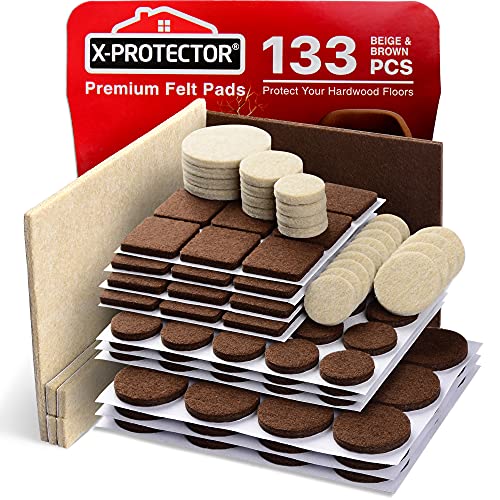
- Use furniture pads on all furniture legs. This is one of the most impactful preventative measures you can take. Felt pads should be applied to the bottom of chairs, tables, sofas, and any other furniture that sits on the floor. Make sure the pads are thick enough and that they are checked and replaced regularly as they wear down. Avoid plastic or hard rubber glides, as these can sometimes cause damage or leave marks. Felt is generally the safest option for hardwood.
- Be mindful of pet claws. If you have pets, keeping their nails trimmed regularly is crucial. Long, sharp claws can easily scratch the surface of your Brazilian cherry floors. Consider using protective mats under pet food and water bowls to catch any spills and prevent scratches from their bowls. For very active pets, you might also consider specially designed pet booties or socks. Regular nail trimming significantly reduces the risk of claw marks.
- Avoid dragging heavy items across the floor. When moving furniture, appliances, or other heavy objects, always lift them rather than dragging them. Use furniture dollies or sliders specifically designed for moving heavy items. Even small, seemingly insignificant drags can cause deep scratches or gouges in the wood. Plan your moves carefully and enlist help if necessary to ensure your floors remain undamaged.
Controlling Humidity and Temperature
Wood is a natural material that expands and contracts with changes in humidity and temperature. Maintaining a stable indoor environment is crucial for preventing issues like warping, cupping, or gapping in your Brazilian cherry hardwood floors. Extreme fluctuations can stress the wood and damage the finish.
Keeping the environment consistent is a key part of long-term floor care.
- Maintain a consistent indoor humidity level. Wood floors generally thrive in a relative humidity range of 35% to 55%. Use a hygrometer to monitor humidity levels in your home. During dry winter months, a humidifier can add moisture to the air, preventing the wood from shrinking and potentially gapping. In humid summer months, a dehumidifier can help remove excess moisture, preventing the wood from expanding and causing cupping or buckling.
- Avoid rapid temperature changes. While it’s natural for indoor temperatures to fluctuate slightly, extreme and sudden shifts can be detrimental to hardwood. Try to keep your home temperature as stable as possible year-round. When leaving your home for extended periods, especially in very cold or very hot weather, avoid turning your thermostat completely off. Set it to a moderate temperature to minimize environmental stress on the wood.
- Proper ventilation is important. Good air circulation helps to regulate both temperature and humidity. Ensure that your heating and cooling systems are working efficiently and that vents are not blocked by furniture. Opening windows for fresh air exchange when weather permits can also help maintain a healthy indoor environment for your floors. Consistent airflow prevents moisture buildup in specific areas.
Using Area Rugs and Mats
Strategically placed area rugs and mats are excellent tools for protecting your Brazilian cherry hardwood floors. They provide a buffer in high-traffic areas, preventing wear and tear, and can add a decorative touch to your home. However, it’s important to choose the right types of rugs and mats to avoid trapping moisture or causing discoloration.
Proper selection ensures they protect rather than harm your floors.
- Choose rugs with breathable backing. Avoid rugs with rubber or vinyl backing, as these materials can trap moisture against the wood and cause discoloration or damage over time. Opt for rugs with natural fiber backings like jute or cotton, or look for rugs specifically labeled as safe for hardwood floors. These types of backings allow for air circulation, preventing moisture buildup.
- Place rugs in high-traffic areas. High-traffic zones, such as hallways, entryways, and areas in front of sofas or kitchen islands, experience the most wear. Placing durable area rugs in these spots will significantly reduce the amount of friction and abrasion on the hardwood surface. This helps preserve the finish and prevent premature dulling or scratching in these heavily used areas.
- Clean rugs and mats regularly. Even protective rugs can accumulate dirt and grit. Regularly vacuum or shake out your area rugs to prevent them from acting as an abrasive surface against your hardwood. If a rug becomes damp, remove it immediately to allow the floor underneath to dry completely. Periodically lifting rugs to clean and air out the floor beneath them is also a good practice.
Frequently Asked Questions
Question: What is the best way to clean Brazilian cherry hardwood floors daily
Answer: For daily cleaning, use a soft-bristle broom or a microfiber dust mop to sweep or dust your Brazilian cherry hardwood floors. This removes loose dirt and grit that can cause scratches.
Question: Can I use a steam mop on Brazilian cherry hardwood floors
Answer: No, it is not recommended to use a steam mop on Brazilian cherry hardwood floors. The heat and moisture from steam can damage the wood and its finish.
Question: What kind of cleaner should I use for regular cleaning
Answer: Use a pH-neutral cleaner specifically designed for hardwood floors. Always dilute it according to the product instructions and use a well-wrung-out damp mop.
Question: How often should I deep clean my Brazilian cherry floors
Answer: Deep cleaning is typically needed only a few times a year or when you notice significant buildup of grime or dullness that regular cleaning does not resolve.
Question: What should I do if I notice a scratch on my floor
Answer: For minor scratches, a wood floor repair crayon or touch-up pen that matches your floor’s color can often help. Deeper scratches may require professional attention or refinishing.
Summary
Keeping your Brazilian cherry hardwood floors looking their best involves simple daily dusting and weekly damp mopping with a pH-neutral cleaner. Avoid harsh chemicals and excessive moisture. Protect your floors from scratches with felt pads, keep pet nails trimmed, and use rugs in high-traffic areas.
Maintaining consistent humidity and temperature also prevents wood damage. Follow these expert tips for lasting beauty.