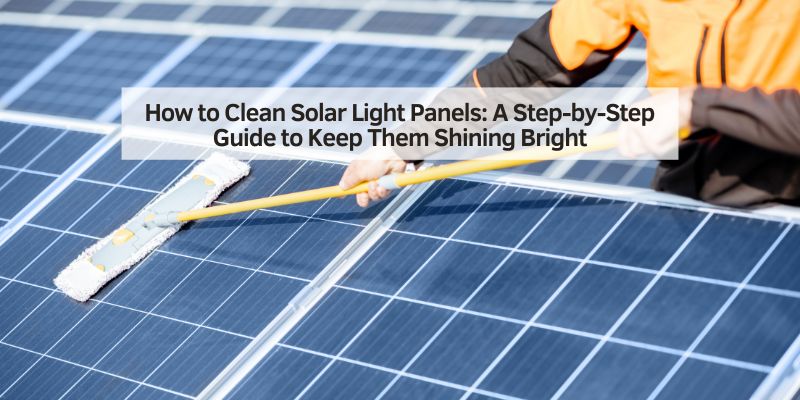
How to Clean Solar Light Panels: A Step-by-Step Guide to Keep Them Shining Bright
Hey there! If you’ve got solar light panels lighting up your driveway, garden, or RV campsite, you know how awesome they are for saving energy and adding a glow to your space. But here’s the thing—I learned the hard way that dirty solar panels don’t work as well as they should. A few years back, I noticed my garden solar lights were barely flickering at night.
After some digging, I realized dust, pollen, and bird droppings were blocking the sun’s rays. Cleaning those panels made a huge difference, and now they’re as bright as ever. Whether you’re using solar lights for your home, carport, or outdoor adventures, keeping those panels clean is key to getting the most out of them. In this guide, I’m sharing everything I’ve learned about how to clean solar light panels the right way. From simple tools to handy tips, I’ll walk you through the process like we’re chatting over coffee. Let’s get those panels sparkling and your lights glowing!
Why Cleaning Solar Light Panels Matters
You might think a little dirt on your solar panels isn’t a big deal, but it can really dim your lights. Dust, pollen, leaves, or even bird droppings can block sunlight, which means your panels can’t soak up enough energy to charge properly. I’ve seen my lights go from bright beams to weak flickers just because of a dusty buildup.
Clean panels can improve efficiency by up to 20%, which is huge for keeping your yard or campsite lit all night. Plus, regular cleaning extends the life of your solar lights, saving you money in the long run. Whether you’re in a dusty desert like Arizona or a rainy spot like Seattle, keeping those panels clean ensures they work at their best.
Understanding Your Solar Light Panels
Before you start cleaning, it helps to know what you’re working with. Most solar light panels are made of tempered glass or plastic, designed to handle outdoor conditions. I’ve got a mix of both types in my backyard—glass ones on my pathway lights and plastic ones on my cheaper garden stakes. Glass panels are tougher but can get scratched if you’re not careful.
Plastic panels are lighter but more prone to yellowing over time. Knowing your panel type helps you choose the right cleaning method. Also, check if your panels are fixed (like on a stake) or detachable (like on some RV lights). Detachable ones are easier to clean, but fixed ones just need a little extra care.
Tools and Materials You’ll Need
You don’t need fancy gear to clean solar panels, which is great. Here’s what I keep handy based on my experience:
- Soft cloth or sponge: I use microfiber cloths because they’re gentle and don’t scratch.
- Mild dish soap: A drop or two works wonders without harming the panel.
- Warm water: Cold water is fine, but warm water cuts through grime better.
- Bucket: For mixing your cleaning solution.
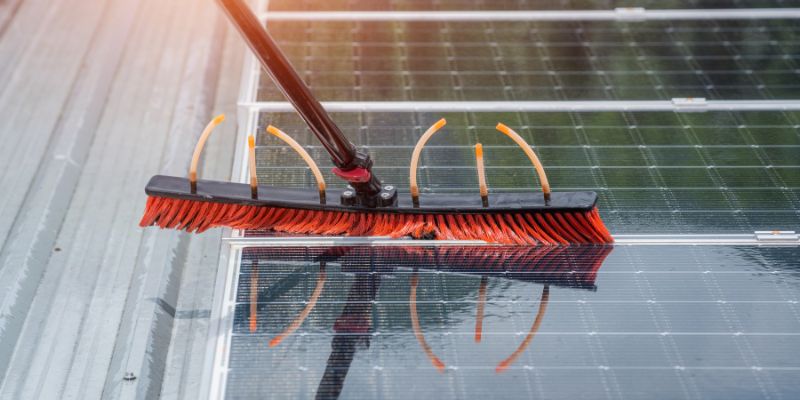
- Soft-bristle brush: For stubborn dirt, like dried bird droppings.
- Ladder: If your panels are high up, like on a carport or RV roof.
- Hose with a gentle spray nozzle: For rinsing without blasting the panels.
- Gloves: To keep your hands clean and protect against sharp edges.
I avoid harsh chemicals like bleach or ammonia—they can damage the panel’s coating or plastic parts. Stick to simple, household items, and you’ll be set.
Step-by-Step Guide to Cleaning Solar Light Panels
Cleaning solar panels is easier than you might think. I’ve done this dozens of times, and here’s the process I follow to get them spotless without any hassle.
Step 1: Turn Off or Disconnect the Lights
Safety first! If your solar lights have an on/off switch, turn them off. For detachable panels, like on some RV lights, unplug or remove them from the battery. I once skipped this step and got a small shock from a loose wire—not fun. If your panels are fixed, just make sure it’s daylight so the panels aren’t active. This keeps you safe and prevents damage to the system.
Step 2: Remove Loose Debris
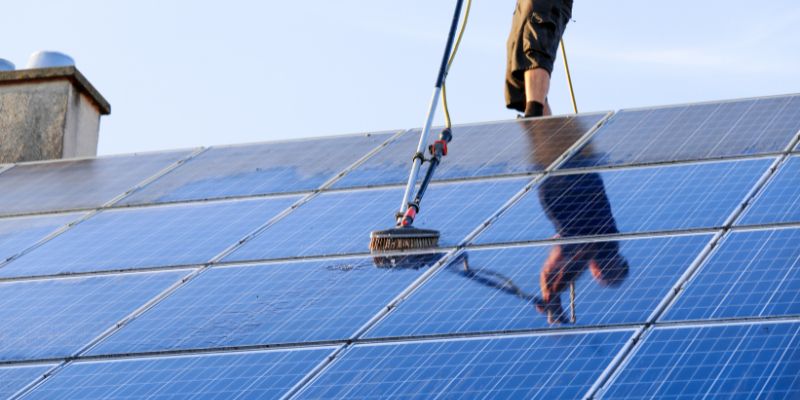
Before you start scrubbing, get rid of loose dirt, leaves, or twigs. I use a soft brush or my gloved hand to gently sweep off debris. For my garden lights, I often find pine needles or pollen stuck on top. A quick brush keeps you from grinding dirt into the panel when you start cleaning. If your panels are up high, use a long pole or ladder to reach them safely.
Step 3: Prepare Your Cleaning Solution
Mix a small amount of mild dish soap with warm water in a bucket. I use about one teaspoon of soap per gallon of water—too much soap can leave a residue. Stir gently to avoid too many bubbles. If you’re dealing with just light dust, plain water might do the trick, but I find a little soap helps with greasy smudges or bird droppings.
Step 4: Wipe Down the Panels
Dip your soft cloth or sponge into the soapy water and gently wipe the panel. I work in small, circular motions to lift dirt without scratching. For stubborn spots, like dried bird droppings, I let the soapy water sit for a minute to loosen it up, then use a soft-bristle brush. Be gentle—hard scrubbing can damage the panel’s surface or coating. If you’re cleaning multiple panels, rinse your cloth often to avoid spreading dirt around.
Step 5: Rinse Thoroughly
Use a hose with a gentle spray nozzle to rinse off the soap. I aim the water at an angle so it flows across the panel, washing away any residue. If you don’t have a hose, pour clean water from a bucket or use a clean, damp cloth to wipe away the soap. Make sure no soapy streaks are left behind—they can block sunlight and reduce efficiency.
Step 6: Dry the Panels
Use a clean, dry microfiber cloth to wipe the panels dry. I’ve found that air-drying can leave water spots, especially in hard-water areas like mine. A quick wipe ensures the panels are crystal clear and ready to soak up the sun. If you’re in a hurry, a chamois cloth works great for a streak-free finish.
Step 7: Check and Test
Once the panels are dry, inspect them for any missed spots or streaks. I hold mine up to the light to make sure they’re spotless. If your panels are detachable, reconnect them. At night, check if your lights are brighter. After my first cleaning, I was amazed at how much brighter my pathway lights were—it was like getting new ones!
How Often Should You Clean Solar Panels?
How often you clean depends on where you live and what’s around your panels. In my Ohio backyard, pollen and dust build up fast in spring, so I clean every 2–3 months. If you’re in a dusty area like Nevada or near trees with sap or birds, you might need to clean monthly. In cleaner, less dusty spots like coastal areas, every 4–6 months might be enough. I also do a quick check after big storms—rain can leave muddy streaks, especially if you’re near a dirt road. A good rule of thumb is to clean whenever you notice your lights dimming or the panels looking grimy.
Cleaning Different Types of Solar Light Panels
Not all solar panels are the same, and I’ve learned you need to tweak your approach depending on the type.
Glass Panels
Glass panels, like the ones on my high-end pathway lights, are durable but can scratch. I stick to microfiber cloths and avoid abrasive sponges. If there’s sticky sap or bird droppings, I soak the spot with soapy water for a few minutes before wiping. Glass panels can handle a bit more pressure, but I still keep it gentle to protect the anti-reflective coating.
Plastic Panels
Plastic panels, common on budget garden lights, are trickier. They’re prone to scratching and yellowing. I use an extra-soft cloth and avoid any rough brushing. If the plastic is yellowed, cleaning won’t fully restore it, but it can help. I’ve found that keeping plastic panels clean from the start prevents long-term damage from UV rays.
Fixed vs. Detachable Panels
Fixed panels, like those on ground stakes, require you to work around the light’s position. I use a small sponge to get into tight spots and a ladder for taller fixtures. Detachable panels, like on my RV lights, are easier—you can bring them to a workbench for cleaning. Just make sure to handle wires carefully to avoid disconnecting anything.
Tips for Maintaining Solar Light Panels
Cleaning is just part of the game. Here’s what I do to keep my panels in top shape year-round:
- Check regularly: I inspect my panels every month for dirt or damage. Catching buildup early makes cleaning easier.
- Trim nearby plants: Overhanging branches or bushes can drop leaves or sap. I keep my garden trimmed to reduce debris.
- Protect from harsh weather: If a big storm is coming, I cover my detachable panels or bring them inside. Fixed panels get a quick clean after bad weather.
- Replace damaged panels: If a panel is cracked or yellowed beyond repair, I replace it. Most solar lights have affordable replacement parts.
- Clean the light fixture too: Dust on the light itself can dim the output. I wipe down the entire fixture while I’m at it.
Common Mistakes to Avoid
I’ve made my share of mistakes cleaning solar panels, so let me save you some trouble. Don’t use abrasive tools like steel wool—they’ll scratch the surface and reduce efficiency. Don’t use harsh chemicals like bleach or ammonia; they can damage coatings or plastic. Don’t spray high-pressure water—it can crack panels or force water into the wiring. And don’t clean during peak sunlight hours; wet panels can get streaky or damaged if they dry too fast. Stick to early morning or late afternoon for the best results.
Special Considerations for Different Environments
Your cleaning routine might change depending on where you live. Here’s what I’ve learned from friends and my own experience across the USA:
- Desert Areas (e.g., Arizona, Nevada): Dust and sand are your biggest enemies. I’d clean monthly and use a soft brush to remove gritty particles before wiping.
- Coastal Areas (e.g., Florida, California): Salt spray can build up and corrode panels. Rinse with fresh water often and dry thoroughly to prevent salt damage.
- Rural Areas: Pollen, sap, and bird droppings are common. I clean more often in spring and use soapy water for sticky messes.
- Urban Areas: Pollution and dust can dull panels. I’ve found that a quick rinse every couple of months keeps city-based lights shining.
My Personal Experience: Lessons Learned
When I first got solar lights for my backyard, I didn’t think much about maintenance. They worked great for a few months, but then I noticed they were dimming. I ignored it until one night, they barely lit up at all. That’s when I realized the panels were caked with pollen and dust. After a good cleaning, they were back to full brightness, and I felt like I’d unlocked a secret.
Since then, I’ve made cleaning a regular part of my routine. I’ve also learned to check my RV lights before every camping trip—nothing’s worse than dim lights in a dark campsite. These little habits have saved me money and kept my outdoor spaces bright and welcoming.
Choosing the Right Cleaning Products
Not all cleaning products are safe for solar panels. I stick to mild dish soap, like Dawn, because it’s gentle and effective. Avoid anything with ammonia, bleach, or strong solvents—they can strip protective coatings or damage plastic. If you’re eco-conscious, biodegradable soaps are a great choice, especially for outdoor cleaning. I also keep a dedicated microfiber cloth just for my solar panels to avoid cross-contamination with other cleaning rags.
When to Replace Solar Light Panels
Sometimes, cleaning isn’t enough. If your panels are cracked, heavily scratched, or yellowed (common with plastic), they might need replacing. I had to swap out a couple of garden light panels after a hailstorm cracked them. Most solar lights have replaceable panels, and you can find them online or at hardware stores. Check your light’s brand and model for the right fit. If the entire light is old and fading, it might be time for a new unit altogether.
Conclusion
Cleaning your solar light panels is one of those small tasks that make a big difference. A few minutes of wiping and rinsing can bring your lights back to life, save you money, and keep your outdoor spaces glowing. I’ve shared my journey—from dim lights to sparkling panels—so you can avoid my mistakes and get it right the first time.
Whether you’re lighting up a garden, driveway, or campsite, clean panels mean brighter nights and happier moments. So, grab a cloth, mix some soapy water, and give those panels some love. Your lights will thank you, and your yard will look amazing!
Frequently Asked Questions
How often should I clean my solar light panels?
I clean mine every 2–3 months, but it depends on your area. Dusty places might need monthly cleaning, while cleaner spots can go 4–6 months.
Can I use glass cleaner on solar panels?
I wouldn’t. Glass cleaners often have ammonia, which can damage the panel’s coating. Stick to mild dish soap and water for safety.
What if my solar panels are high up, like on an RV roof?
Use a ladder and a long pole with a soft cloth attached. I clean my RV panels from a stable ladder and take my time to stay safe.
Will cleaning fix dim solar lights?
It often does! Dirty panels block sunlight, so cleaning can boost brightness. If they’re still dim, check the battery or panel for damage.
Can I pressure wash solar light panels?
No way. High-pressure water can crack panels or push water into the wiring. I use a gentle hose spray or a bucket of water instead.
What’s the best time of day to clean solar panels?
I clean mine in the early morning or late afternoon. Avoid peak sunlight—wet panels can dry too fast and get streaky.