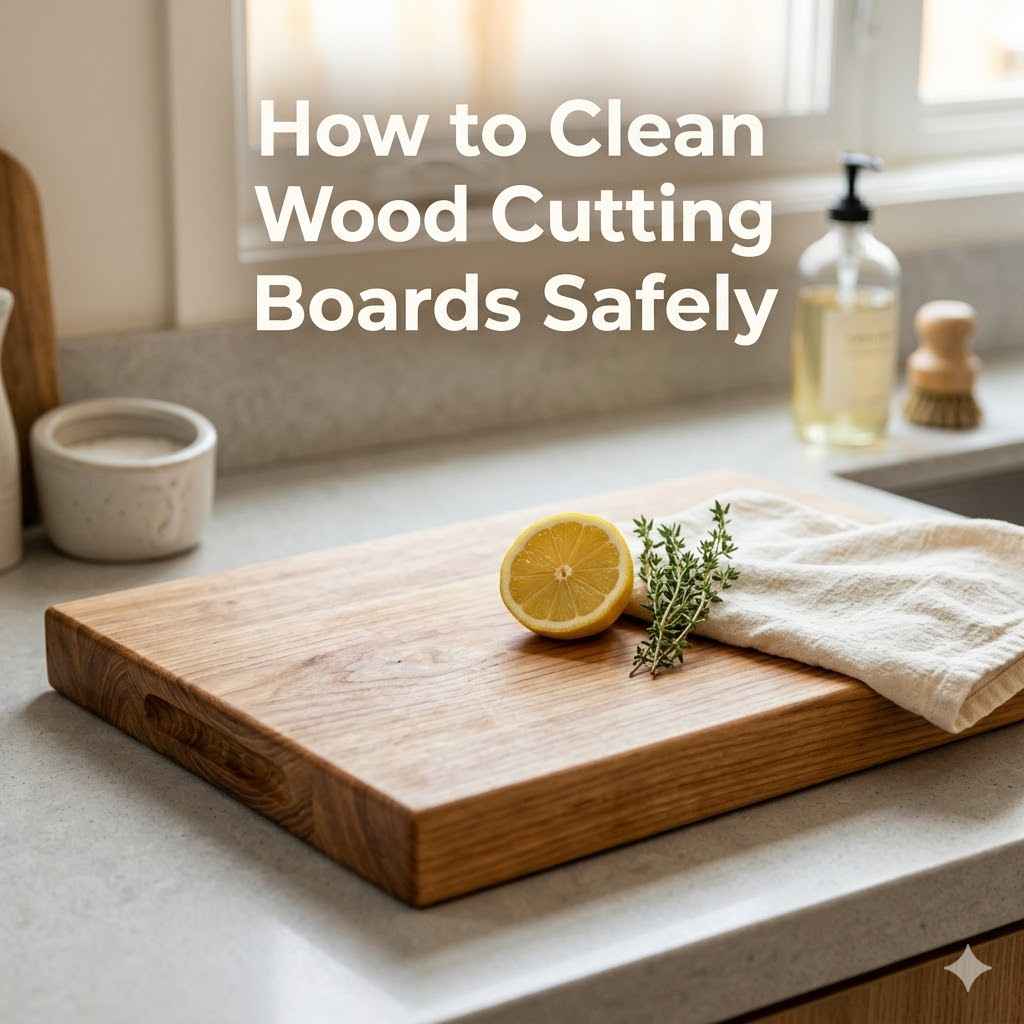
How to Clean Wood Cutting Boards Safely
Cleaning a wooden cutting board after using it for raw meat can seem tricky, especially for folks new to the kitchen. You want to be sure you get rid of any yucky germs, but you also don’t want to ruin your nice board. Many people worry about cross-contamination and how to properly sanitize their wood.
Don’t sweat it! This guide breaks down how to clean wood cutting board after raw meat with simple, easy-to-follow steps. We’ll show you how to keep your cutting boards clean and safe for all your food prep.
Let’s get started on making your kitchen routine a breeze.
Safe Ways to Clean Wood Cutting Boards
Keeping your wooden cutting boards clean and safe is really important, especially after preparing raw meat. Wood can soak up liquids and juices, which can be a breeding ground for bacteria if not cleaned properly. This section will walk you through the best methods to ensure your cutting boards are sanitized and ready for your next meal.
We’ll cover the essential steps and materials you’ll need to get the job done right, making sure your kitchen stays healthy and your boards last longer.
Everyday Cleaning for Wood Cutting Boards
For daily use, a good scrub after each meal is key. This is the first line of defense against leftover food bits and potential bacteria. Regular cleaning prevents build-up and makes deeper sanitizing less of a chore.
It’s about building good habits that keep your boards hygienic.
-
Scrape Away Debris
After you’ve finished cutting your food, use a bench scraper or a sturdy spatula to scrape off any large food particles or meat scraps. This simple step removes the bulk of the mess and makes the washing process much easier. It’s especially helpful for getting rid of sticky bits that might cling to the wood grain.
You want to get as much off the surface as possible before you add any water.
-
Wash with Hot Water and Mild Soap
Use hot water and a gentle dish soap. Avoid harsh detergents or abrasive cleaners, as these can damage the wood. Wet your sponge or cloth with the hot, soapy water and scrub the entire surface of the cutting board.
Make sure to get into any nooks and crannies. The hot water helps to loosen food particles and kill some surface germs, while the soap breaks down grease and grime.
-
Rinse Thoroughly
Once you’ve scrubbed it, rinse the cutting board thoroughly under running hot water. This is important to remove all traces of soap and any loosened food particles. Make sure no soap residue is left behind, as this can affect the taste of your food later.
Swish it around under the tap, ensuring both sides get a good rinse.
-
Dry Immediately and Completely
This is a crucial step. Never let your wooden cutting board air dry while leaning against something, as this can cause warping. Instead, dry it immediately with a clean dish towel.
Make sure to dry all surfaces, including the edges. Once it feels dry to the touch, stand the board upright to allow air to circulate around it for complete drying. This prevents moisture from being trapped, which can lead to mold or mildew growth.
Deep Cleaning and Sanitizing Wood Cutting Boards
While everyday cleaning is essential, periodic deep cleaning and sanitizing are vital, especially after handling raw meat, poultry, or fish. This process goes beyond surface washing to tackle any lingering bacteria and bacteria that might have seeped into the wood. Proper sanitizing ensures your cutting board is safe for all food types and helps extend its lifespan.
The Power of Vinegar for Sanitizing
Vinegar is a fantastic natural disinfectant. Its acetic acid content is effective at killing many types of bacteria and mold. It’s safe to use on food surfaces and doesn’t leave behind harsh chemical residues.
Using vinegar as part of your cleaning routine is a smart choice for maintaining a hygienic kitchen.
-
Prepare a Vinegar Solution
Mix equal parts white vinegar and water in a spray bottle. This creates a simple yet effective sanitizing solution. White vinegar is preferred because it’s colorless and has a strong enough acidity to kill germs without staining your cutting board.
The water dilutes it slightly, making it easier to spread and reducing any potential overpowering smell, though the scent dissipates quickly as it dries.
-
Spray and Let Sit
Generously spray the vinegar and water solution all over the cutting board. Ensure both sides and the edges are covered. After spraying, let the solution sit on the surface for at least 5 to 10 minutes.
This resting period allows the acetic acid in the vinegar time to work its magic, breaking down and killing bacteria and other microbes that might be present on the wood. Don’t wipe it off too soon.
-
Scrub and Rinse
After the sitting time, use a clean sponge or brush to give the board a good scrub. This helps to lift any remaining particles and work the vinegar solution into the wood. Once scrubbed, rinse the cutting board thoroughly with hot water.
Make sure all traces of the vinegar solution are washed away. While vinegar is natural, you don’t want a lingering taste.
-
Dry As Usual
Just like with your daily cleaning, dry the cutting board immediately and completely with a clean towel. Then, stand it upright to air dry. Proper drying after sanitizing is just as important as the sanitizing itself to prevent moisture-related issues like mold or warping.
A well-dried board is a happy, healthy board.
Using Baking Soda for Extra Cleaning Power
Baking soda is another gentle yet effective household staple that can boost your cleaning efforts. It’s mildly abrasive, which helps in scrubbing away tough stains and odors. When combined with vinegar, it creates a fizzing reaction that can help lift grime from the wood’s surface.
-
Make a Baking Soda Paste
Mix baking soda with a small amount of water to create a thick paste. You want it to be spreadable but not runny. This paste acts as a mild scrubber.
The fine grit of the baking soda is excellent for gently lifting stuck-on food and neutralizing odors without scratching the wood. It’s a natural deodorizer that is safe for food surfaces.
-
Apply and Scrub
Spread the baking soda paste evenly over the entire surface of the cutting board. Use a sponge or brush to gently scrub the paste into the wood. Pay extra attention to any stained areas or those that have come into contact with raw meat.
The gentle abrasion helps to lift particles that regular soap might miss, and it has a great ability to absorb smells.
-
Combine with Vinegar (Optional but Effective)
For an extra burst of cleaning power, you can spray your vinegar and water solution (from the previous step) over the baking soda paste. This will cause a satisfying fizzing reaction. Let this bubble and work for a few minutes.
The fizzing action helps to loosen stubborn grime and further dislodge bacteria from the wood’s pores.
-
Rinse and Dry
After scrubbing and allowing the baking soda (and vinegar reaction, if used) to work, rinse the cutting board thoroughly with hot water. Ensure all baking soda residue is gone. Then, dry the board immediately and completely with a clean towel and stand it upright to air dry.
This process leaves your board clean, refreshed, and odor-free.
The Role of Salt in Cleaning and Deodorizing
Coarse salt, like kosher salt or sea salt, can be a surprisingly effective tool for cleaning and deodorizing wooden cutting boards. Its abrasive texture helps to scrub away food particles and stains, while its absorbent nature helps to draw out moisture and odors. It’s a natural cleaner that’s readily available in most kitchens.
-
Sprinkle Generously with Salt
After rinsing your cutting board with hot water, sprinkle a generous amount of coarse salt all over its surface. Don’t be shy; you want enough salt to create a good scrubbing layer. The salt crystals act like tiny scrub brushes, helping to lift food residue and stains from the wood grain without being too harsh.
It also helps to absorb any remaining liquid.
-
Scrub with a Lemon Half (or a Sponge)
Take a lemon half and use the cut side to scrub the salt into the cutting board. The acidity of the lemon juice helps to cut through grease and grime, while the pulp and rind provide a bit more scrubbing power. You can also use a damp sponge or brush if a lemon isn’t available, but the lemon adds a fresh scent.
Scrub in a circular motion.
-
Let It Sit for Odors
For tough odors, especially after cutting pungent foods like onions or garlic, let the salt and lemon juice mixture sit on the board for about 5-10 minutes. The salt will absorb smells and moisture, while the lemon’s natural properties help to neutralize them. This is a great trick for refreshing your board between deeper cleanings.
-
Rinse and Dry
Scrape off the salt mixture. Then, rinse the cutting board thoroughly with hot water to remove all salt and lemon residue. Pat it dry with a clean towel and stand it upright to ensure it dries completely.
The result is a clean, fresh-smelling cutting board.
When to Use Bleach (With Caution)
While natural methods are often preferred for cleaning and sanitizing wooden cutting boards, there are times when a stronger disinfectant might seem necessary. However, using bleach on wood requires extreme caution, as it can damage the wood and leave residues that are not food-safe if not handled correctly. It’s generally recommended to use vinegar or hydrogen peroxide first.
If you choose to use bleach, it should be done sparingly and with a very dilute solution.
-
Dilute Bleach Properly
If you decide bleach is necessary, always dilute it significantly. A common recommendation is a solution of 1 tablespoon of bleach per gallon of water. Never use straight bleach.
This dilution is critical to minimize damage to the wood and to ensure that any residue is less likely to be harmful. Over-concentrated bleach can dry out and crack the wood.
-
Apply Briefly and Rinse
Using a sponge or cloth dipped in the diluted bleach solution, lightly wipe down the surface of the cutting board. Do not let it soak. The goal is a quick sanitizing wipe.
Immediately after applying, rinse the cutting board thoroughly with copious amounts of clean water. You need to ensure every trace of bleach is gone. Multiple rinses are better than one.
-
Dry Extremely Well
After rinsing, dry the cutting board immediately and completely with a clean towel. As always, stand it upright to allow for thorough air circulation and complete drying. Trapped moisture is the enemy of wood, and this is especially true after any strong cleaning agent has been used.
Proper drying helps the wood recover and prevents it from becoming waterlogged.
-
Consider Alternatives First
It’s worth repeating that vinegar, baking soda, and salt are excellent and safer alternatives for most sanitizing needs. Bleach should be considered a last resort for specific, stubborn issues and only when these other methods have failed. The risk of damaging your board or leaving harmful residue is higher with bleach.
The Importance of Conditioning Wood Cutting Boards
Once your cutting board is clean and dry, conditioning it is a vital step that many people overlook. This process helps to keep the wood hydrated, prevents it from drying out, cracking, and becoming dull. It also creates a barrier that can help repel moisture and stains, making future cleaning easier.
-
Choose the Right Oil or Wax
Use food-grade mineral oil, beeswax, or a specialized cutting board conditioner. Avoid using vegetable oils like olive oil or canola oil, as these can go rancid over time and develop an unpleasant smell. Mineral oil is inert and won’t go bad.
Beeswax adds a protective, water-resistant layer. These products are designed for direct food contact and are safe for your cutting boards.
-
Apply the Conditioner Liberally
Pour a generous amount of oil or conditioner onto the dry cutting board. Use a clean, lint-free cloth to rub it into the wood. Make sure to cover all surfaces, including the edges and ends.
Let the wood absorb as much as it can. You should be able to see the wood darkening slightly as it takes in the oil.
-
Allow It to Soak In
Let the conditioner sit on the board for at least a few hours, or even overnight. This allows the wood to fully absorb the oil or wax. The longer it sits, the better the conditioning will be.
You might notice some excess oil pooling on the surface after a while; this means the wood has absorbed all it can.
-
Wipe Off Excess and Repeat If Needed
After the soaking period, use a clean cloth to wipe away any excess oil or conditioner that hasn’t been absorbed. Your cutting board should feel smooth and look revitalized. For heavily used boards or new boards, you might want to repeat this conditioning process a few times initially to build up good protection.
Conditioning regularly, perhaps once a month, will keep your board in great shape.
How to Clean Wood Cutting Board After Raw Meat: A Step-by-Step Example
Let’s walk through a common scenario of how to clean wood cutting board after raw meat. Imagine you’ve just finished dicing raw chicken for dinner. You’ve put the chicken in a bowl, and now it’s time to tackle the cutting board.
This practical example will solidify the steps we’ve discussed.
-
Immediate Scraping
First, grab a bench scraper or spatula. Scrape off any visible bits of chicken or juices from the cutting board into your trash or compost bin. Do this right away while the juices are still fresh and haven’t started to dry.
-
Hot Water and Soap Scrub
Rinse the board quickly under hot running water. Then, apply a good squirt of dish soap to a damp sponge. Scrub the entire surface of the board vigorously, ensuring you get both sides and the edges.
-
Vinegar Sanitizing Spritz
After rinsing off the soap, grab your spray bottle filled with a 50/50 white vinegar and water solution. Generously spray the entire board. Let it sit for about 5 minutes to do its sanitizing work.
-
Final Rinse and Immediate Drying
Rinse the board thoroughly one last time with hot water, making sure no vinegar smell lingers. Immediately grab a clean, dry dish towel and dry the board completely. Then, stand it up on its edge to let it air dry fully.
-
Conditioning (If Needed)
If it’s been a while since you last conditioned your board, or if it looks dry, now is a good time. Apply a bit of food-grade mineral oil and rub it in. Let it soak and then wipe off any excess.
Common Mistakes to Avoid
When it comes to cleaning wooden cutting boards, especially after raw meat, a few common missteps can lead to problems. Avoiding these will help you maintain healthy kitchen practices and preserve your cutting boards. These are things many beginners might do without realizing the consequences.
-
Dishwasher Danger
Never put a wooden cutting board in the dishwasher. The high heat and prolonged exposure to water and harsh detergents will warp, crack, and ruin the wood. Dishwashers are the absolute enemy of wooden kitchenware.
The wood will absorb too much moisture and then dry out too quickly, leading to severe damage that often cannot be repaired.
-
Soaking for Too Long
Leaving your wooden cutting board to soak in the sink is another major no-no. Just like the dishwasher, extended submersion in water will cause the wood to swell and can lead to warping, cracking, and potential mold growth in the damp fibers. Wooden boards need to dry out completely between uses to stay in good condition.
-
Using Harsh Chemicals or Abrasives
Avoid using abrasive scrubbers like steel wool or harsh chemical cleaners. These can strip away the wood’s natural oils, create scratches that harbor bacteria, and potentially leave behind residues that aren’t safe for food contact. Stick to gentle soaps, vinegar, baking soda, and salt for cleaning.
Even bleach, if used improperly, can be too harsh for wood.
-
Skipping the Drying Step
Failing to dry your cutting board completely after washing is a critical mistake. Moisture left in the wood is the perfect breeding ground for bacteria and mold. Always dry thoroughly with a towel and then allow it to air dry completely by standing it on its edge.
This simple step is often overlooked but is vital for hygiene and longevity.
-
Forgetting to Condition
Not conditioning your wooden cutting board regularly is a common oversight. The wood needs to be moisturized to prevent it from drying out, cracking, and becoming brittle. Regular conditioning with food-grade mineral oil or a board conditioner keeps the wood supple, helps repel stains and moisture, and extends the life of your board significantly.
Think of it like moisturizing your skin.
Preventing Cross-Contamination
Preventing cross-contamination is one of the most important reasons to learn how to clean wood cutting board after raw meat correctly. This is where bacteria from raw food, like meat, can spread to other foods, potentially causing illness. Using the right techniques and habits can significantly reduce this risk.
-
Dedicated Boards for Raw Meats
Consider having a separate cutting board specifically for raw meats, poultry, and fish. This board should be clearly identified and used only for these items. This minimizes the chance of transferring bacteria to foods that are eaten raw, such as vegetables or fruits.
You can color-code boards or simply designate one by its placement.
-
Immediate and Thorough Cleaning After Raw Meat Use
As soon as you finish cutting raw meat, stop and clean the board thoroughly using the methods described earlier, with an emphasis on sanitizing. Don’t let it sit around with raw meat juices on it. The longer bacteria sit on the surface, the more they can multiply and potentially spread.
Immediate action is key to effective sanitation.
-
Washing Hands Frequently
Always wash your hands thoroughly with soap and water after handling raw meat and before touching anything else, including other foods or utensils. This simple habit is crucial in preventing the spread of bacteria throughout your kitchen. Don’t rinse your hands under the tap; use hot water and soap and scrub for at least 20 seconds.
-
Sanitize Utensils and Surfaces
Remember that anything that comes into contact with raw meat – knives, bowls, countertops – also needs to be cleaned and sanitized. Don’t assume just cleaning the cutting board is enough. Wipe down your counters, wash your knives and any bowls used for raw meat with hot, soapy water, and consider sanitizing them too, especially if they were used for raw poultry.
Frequently Asked Questions
Question: How often should I sanitize my wooden cutting board after raw meat
Answer: It is best to sanitize your wooden cutting board every time you use it for raw meat, poultry, or fish. For general use with vegetables or bread, regular washing with hot water and soap is usually sufficient.
Question: Can I use lemon juice to clean my cutting board
Answer: Yes, lemon juice can be used as a natural cleaner and deodorizer. It’s acidic and can help cut through grease and kill some bacteria. It’s often used in combination with salt for a scrubbing effect.
Question: My wooden cutting board has deep scratches, is it still safe
Answer: Deep scratches can harbor bacteria, making them harder to clean thoroughly. If scratches are very deep, it might be time to consider replacing the board or having it professionally resurfaced if possible. For moderate scratches, focus on thorough cleaning and sanitizing.
Question: What is the best oil for conditioning my wood cutting board
Answer: Food-grade mineral oil is the most recommended. It’s odorless, colorless, and won’t go rancid. Other options include beeswax or specialized cutting board conditioners, but avoid common cooking oils like olive or vegetable oil.
Question: Can I use hydrogen peroxide to sanitize my cutting board
Answer: Yes, a 3% hydrogen peroxide solution can also be used as a food-safe sanitizer. Spray it on, let it sit for a few minutes, then rinse and dry. It’s another good alternative to vinegar.
Summary
Mastering how to clean wood cutting board after raw meat keeps your kitchen safe. Simple steps like hot water, soap, and vinegar sanitation are highly effective. Always dry boards completely and condition them regularly.
Avoid the dishwasher and soaking. Follow these guidelines for a hygienic and long-lasting cutting board.