How to Clean Wood Stove Pipes Safely
Cleaning your wood stove pipes might seem like a big job, especially if it’s your first time. Lots of creosote can build up, and that’s not good for safety or how well your stove works. People sometimes worry about doing it wrong.
But don’t worry! We’ll walk you through it step by step. It’s easier than you think and important for keeping your home warm and safe.
Let’s get your stove running its best.
Why Cleaning Stove Pipes Matters
Keeping your wood stove pipes clean is super important. When you burn wood, a sticky residue called creosote forms inside the pipes. This stuff is flammable and can cause dangerous chimney fires if it gets too thick.
Regular cleaning also helps your stove work better. It lets the smoke escape easily, so you get more heat from your wood. A clean stove and pipe system means your home stays warmer and safer all winter.
Understanding Creosote Buildup
Creosote is a black, tar-like substance that sticks to the inside of your stove pipes. It happens when smoke from burning wood cools down. Different types of wood and how you burn them can affect how much creosote builds up.
Wet or unseasoned wood creates more creosote than dry, seasoned hardwood. Burning your stove at low temperatures for long periods also allows more creosote to form. This buildup narrows the passageway for smoke.
Think of it like a clogged drain in your sink. When the pipe is blocked, water doesn’t flow freely. Similarly, when your stove pipe is full of creosote, smoke can’t escape easily.
This can lead to smoke backing up into your home, which is not only unpleasant but also a health hazard due to carbon monoxide. The more creosote there is, the harder it is for your stove to draw properly, meaning less heat gets into your rooms.
Creosote can also be corrosive. Over time, it can damage the metal of your stove pipes and chimney. This can lead to leaks and further problems that are costly to repair.
By cleaning it out regularly, you protect your investment and ensure your heating system lasts longer.
Safety First Always
Before you even think about cleaning, safety is the number one thing. You’ll be working around a heating appliance and potentially dealing with soot and dust. Make sure your stove and chimney have cooled down completely.
This can take several hours after the last fire. You do not want to get burned. Also, wear protective gear.
This includes thick gloves, safety glasses, and a mask or respirator to avoid breathing in dust and soot. Think of it like getting ready for a messy but important chore.
It’s also smart to protect your home. Lay down old sheets or tarps on the floor around the stove. This will catch any falling soot or debris.
You might want to close off the room with a plastic sheet and tape to keep dust from spreading to other parts of your house. This extra step makes cleanup much easier later on.
Always check your local fire codes. Some areas have specific rules about chimney cleaning and inspection. Knowing these rules helps you stay safe and compliant.
Your local fire department can often provide information on safe chimney practices.
How to Clean Stove Pipes From a Wood-Burning Stove
Now that we know why it’s important and how to be safe, let’s get to the actual cleaning. This section will guide you through the tools you’ll need and the basic steps to remove that pesky creosote. We’ll make this process as straightforward as possible so you can feel confident doing it yourself.
It’s a satisfying job that leads to a better-performing and safer stove.
Gathering Your Cleaning Supplies
You’ll need a few key items to get the job done right. A chimney brush is essential. Make sure it’s the right size and shape for your stove pipes.
You can get brushes that are round or rectangular, depending on the shape of your flue. A flexible rod system, sometimes called chimney rods or flue brushes, is also necessary. These rods screw together to make a long pole that lets you reach all the way up your chimney and through the pipes.
Other helpful tools include a shop vacuum with a hose and attachments, a sturdy bucket or container to catch debris, and plenty of old newspapers or drop cloths to protect your floor. A wire brush can be useful for stubborn spots. Don’t forget your safety gear: heavy-duty gloves, eye protection, and a dust mask or respirator.
Having everything ready before you start makes the whole process smoother and quicker.
Step-by-Step Cleaning Process
First, ensure the stove and all pipes are cool. Open the stove door and remove any ash from the firebox. Use your shop vacuum to clean out the ashes.
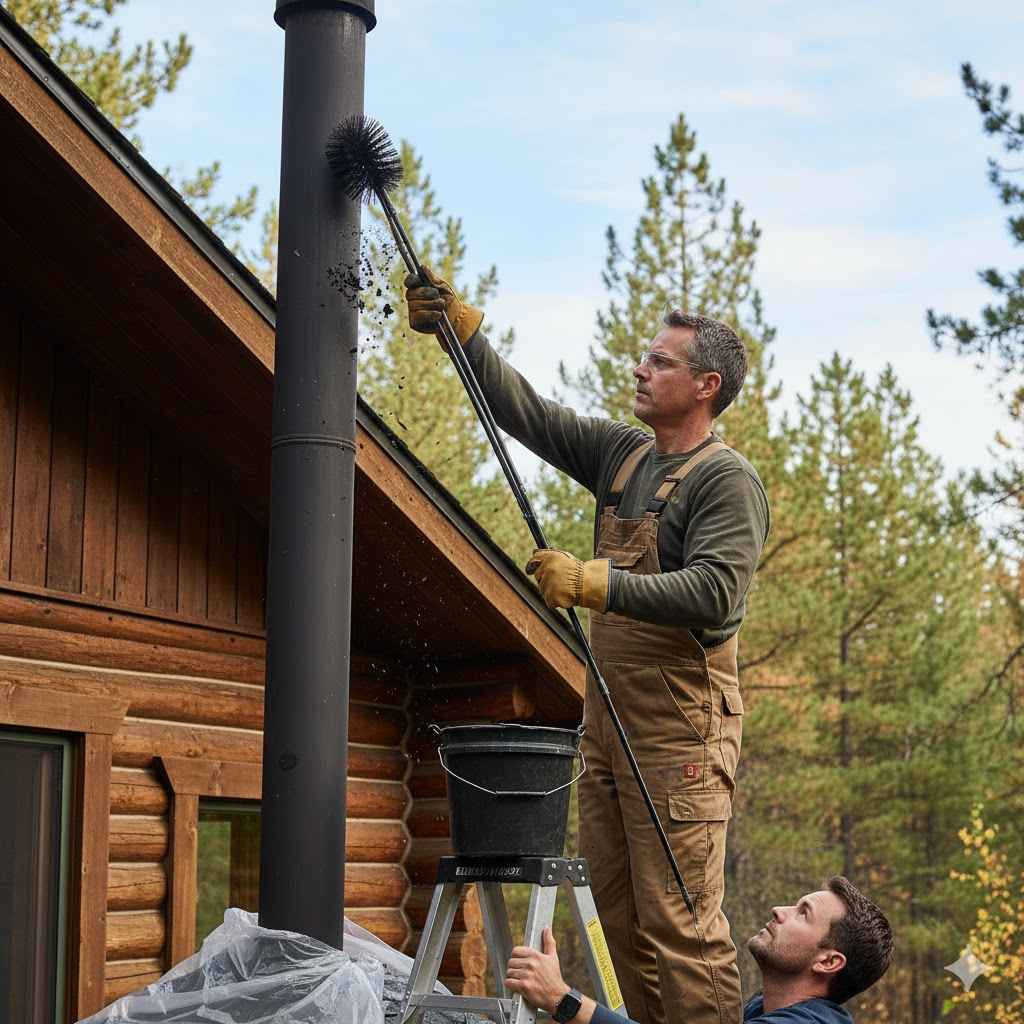
Next, assemble your chimney brush and rods. Connect the brush to the first rod and insert it into the stove pipe opening. Slowly push the brush up and down, adding more rods as needed to reach the top of the chimney or as far as you can.
Work the brush back and forth vigorously.
As you brush, creosote and soot will loosen and fall down into the stove. You might need to work the brush through sections multiple times. If you have a cleanout door at the bottom of your chimney or stove, open it to help remove the debris.
Once you’ve brushed the entire length of the pipe and chimney, carefully remove the rods. Use your shop vacuum to clean out all the fallen debris from the stove and any accessible cleanout points. Make sure to dispose of the soot and creosote safely.
It’s flammable, so don’t put it in your regular trash right away. It’s best to let it cool and dampen it before disposal or follow local guidelines.
Cleaning Removable Pipe Sections
Sometimes, the easiest way to clean is by taking apart some of the pipe sections. If your stove setup allows for it, carefully disconnect a few of the pipes closest to the stove. Lay them on your drop cloths outside or in a well-ventilated area.
Use your chimney brush and wire brush to scrub the insides thoroughly. You can also use a hose to rinse them out if they are metal, but make sure they are completely dry before reassembling to prevent rust. This method gives you direct access to the pipes.
When disconnecting pipes, pay attention to how they are connected. Some use screws, while others might use friction fits. Be gentle to avoid bending or damaging the metal.
Reassembling them correctly is crucial to ensure a proper seal and prevent leaks.
After cleaning the individual sections, clean the areas where the pipes connect to the stove and the chimney. This ensures no buildup is left behind. Once everything is clean and dry, reassemble the pipes, making sure all connections are secure and airtight.
A good seal is important for efficient operation and safety.
Dealing With Stubborn Creosote
Sometimes, you’ll run into creosote that’s really caked on. This can be tough to remove with just brushing. There are a few tricks and products that can help tackle these difficult spots and ensure your pipes are truly clear.
Creosote Removal Logs and Chemicals
You can buy special creosote removal logs or chemical treatments. These products are designed to be burned in your stove. When heated, they release compounds that help to harden or loosen creosote, making it easier to brush away later.
They are not a substitute for manual brushing, but they can be a good supplement for maintenance. Follow the instructions on the product packaging carefully. Burning these too often or in the wrong way could potentially cause issues.
These logs work by introducing metal salts or other chemicals into the fire. When these chemicals heat up, they react with the creosote. This reaction can change the chemical structure of the creosote, making it more brittle and less sticky.
This means the next time you brush your chimney, the creosote will break away more easily.
It’s important to understand that these are aids, not magic cures. They can help manage creosote buildup between professional cleanings or more thorough DIY sessions. They are most effective when used as part of a regular maintenance schedule.
Using them on already heavily impacted chimneys might yield less dramatic results.
Scraping Techniques for Heavy Buildup
For very thick or tar-like creosote that brushing won’t budge, you might need to carefully scrape it. Use a putty knife or a similar tool designed for scraping. Be very careful not to gouge or damage the inside of your stove pipes or chimney lining.
This method is more labor-intensive and requires patience. Work in small sections, gently loosening the material and then using your brush and vacuum to remove it. This is a last resort for extremely stubborn spots.
When scraping, the key is to be patient and thorough. Don’t try to remove large chunks at once. Small, controlled scraping motions are best.
You want to break the bond between the creosote and the metal surface. Once loosened, the creosote can be dislodged with a brush and then vacuumed up. This might take several passes and a lot of effort.
Remember that very heavy creosote buildup is a sign that your chimney may need professional attention. A chimney sweep has specialized tools and knowledge to handle extreme cases safely. If you’re unsure or uncomfortable with scraping, it’s always best to call in the experts.
When to Call a Professional Chimney Sweep
While you can do a lot of stove pipe cleaning yourself, there are times when calling a professional is the best choice. If you have a very old chimney, if you notice any damage like cracks or loose bricks, or if you have a lot of heavy, tar-like creosote that you can’t remove, it’s time to call in an expert. They have specialized equipment and the experience to handle difficult situations safely.
They can also perform a thorough inspection to ensure your entire chimney system is in good working order.
A professional chimney sweep can also identify potential issues you might miss. This includes checking the condition of the chimney liner, the smoke chamber, and the damper. They are trained to spot problems that could lead to chimney fires or carbon monoxide leaks.
Regular professional inspections are a good idea, even if you clean your pipes yourself.
The National Fire Protection Association (NFPA) recommends that fireplaces and chimneys be inspected at least once a year. This recommendation applies even if you don’t use your fireplace or stove often. These inspections help catch problems before they become serious and potentially dangerous.
Maintaining Your Wood Stove System
Cleaning your stove pipes is a crucial part of keeping your wood-burning stove safe and efficient. But good maintenance goes beyond just the pipes. Taking care of the entire system ensures you get the most heat with the least risk.
Best Practices for Burning Wood
How you burn your wood makes a big difference. Always use dry, seasoned hardwood. This means the wood has been cut, split, and air-dried for at least six months to a year.
It should have a moisture content below 20%. You can check this with a moisture meter. Wet wood burns poorly and creates much more creosote.
Avoid burning trash, plastics, or treated lumber, as these can release harmful fumes and contribute to creosote buildup.
Start your fires with small kindling and gradually add larger pieces. Allow good airflow for a hot, clean burn. Try to get your stove up to a good operating temperature quickly.
A hot fire burns more completely, reducing smoke and creosote. Avoid smoldering fires, which produce excessive smoke and creosote.
Burning at the right temperature is key. If your stove has a temperature gauge, use it. Aim for the middle of the recommended range for your stove model.
Too low a temperature leads to incomplete combustion and creosote. Too high a temperature can damage your stove or chimney.
Regular Inspection Schedule
Beyond just cleaning, regular inspections are vital. Check your stove and pipes for any signs of damage, such as cracks, rust, or loose connections, on a monthly basis during the burning season. Look for any unusual soot patterns or blockages.
Listen for any strange noises when the stove is operating.
A visual inspection of the chimney from the outside is also a good idea. Look for missing or damaged cap, cracked masonry, or any debris in the flue opening. If you have a glass door on your stove, check the gaskets for wear and tear.
A worn gasket can allow air leaks, affecting stove performance and safety.
Keep a log of your cleaning and inspection activities. This helps you track when you last cleaned your chimney and pipes. It also allows you to note any issues you find.
This record can be helpful for troubleshooting and for future maintenance planning.
Understanding Your Stove’s Components
Knowing the different parts of your wood stove system helps you maintain it better. The firebox is where the wood burns. The grate allows air to flow underneath the wood.
The damper controls the airflow through the stove and into the chimney. The stove pipes connect the stove to the chimney. The chimney itself carries smoke and gases safely out of your home.
The chimney cap prevents rain, snow, and animals from entering the chimney.
Each part plays a role in the safe and efficient operation of your stove. For example, a faulty damper can lead to poor draft or smoke backing up into the room. A damaged chimney liner is a serious safety hazard.
Understanding these components means you can spot potential problems early.
The heat shield is another important component, often located behind the stove or on the wall. It protects your home from the heat generated by the stove. Ensure it is properly installed and in good condition.
Any damage to a heat shield could increase fire risk.
Learn about the specific model of your wood stove. Many manufacturers provide detailed manuals that explain operation, maintenance, and troubleshooting. Having this information readily available can save you time and effort when addressing issues.
| Maintenance Task | Frequency (Burning Season) | Purpose |
|---|---|---|
| Visual Stove Inspection | Monthly | Check for damage, soot, and leaks. |
| Pipe Cleaning | Annually or as needed | Remove creosote to prevent fires and improve efficiency. |
| Chimney Inspection (Professional) | Annually | Thorough safety check of the entire system. |
| Ash Removal | As needed | Ensure good airflow in the firebox. |
Frequently Asked Questions
Question: How often should I clean my wood stove pipes?
Answer: You should clean your wood stove pipes at least once a year, or more often if you use your stove frequently. Heavy creosote buildup requires more frequent cleaning.
Question: Is it safe to clean my own stove pipes?
Answer: Yes, it is generally safe to clean your own stove pipes if you follow safety precautions and use the right tools. However, if you are unsure or have heavy buildup, calling a professional is recommended.
Question: What is creosote and why is it dangerous?
Answer: Creosote is a flammable residue from burning wood. It can build up in your stove pipes and chimney, posing a serious fire hazard.
Question: Can I use a fireplace cleaner instead of brushing?
Answer: Fireplace cleaners and creosote logs can help manage buildup, but they are not a replacement for manual brushing. Brushing is essential for thorough cleaning.
Question: What should I do if I suspect a chimney fire?
Answer: If you suspect a chimney fire, get everyone out of the house immediately. Close any vents to the stove, and call the fire department. Do not try to put out the fire yourself.
Summary
Keeping your wood stove pipes clean is a vital part of safe home heating. By understanding creosote, gathering the right tools, and following a step-by-step process, you can effectively clean your pipes. Regular maintenance and safe burning practices ensure your stove works well and protects your home from fire hazards.