How to Clean Wooden Blinds Without Taking Them Down
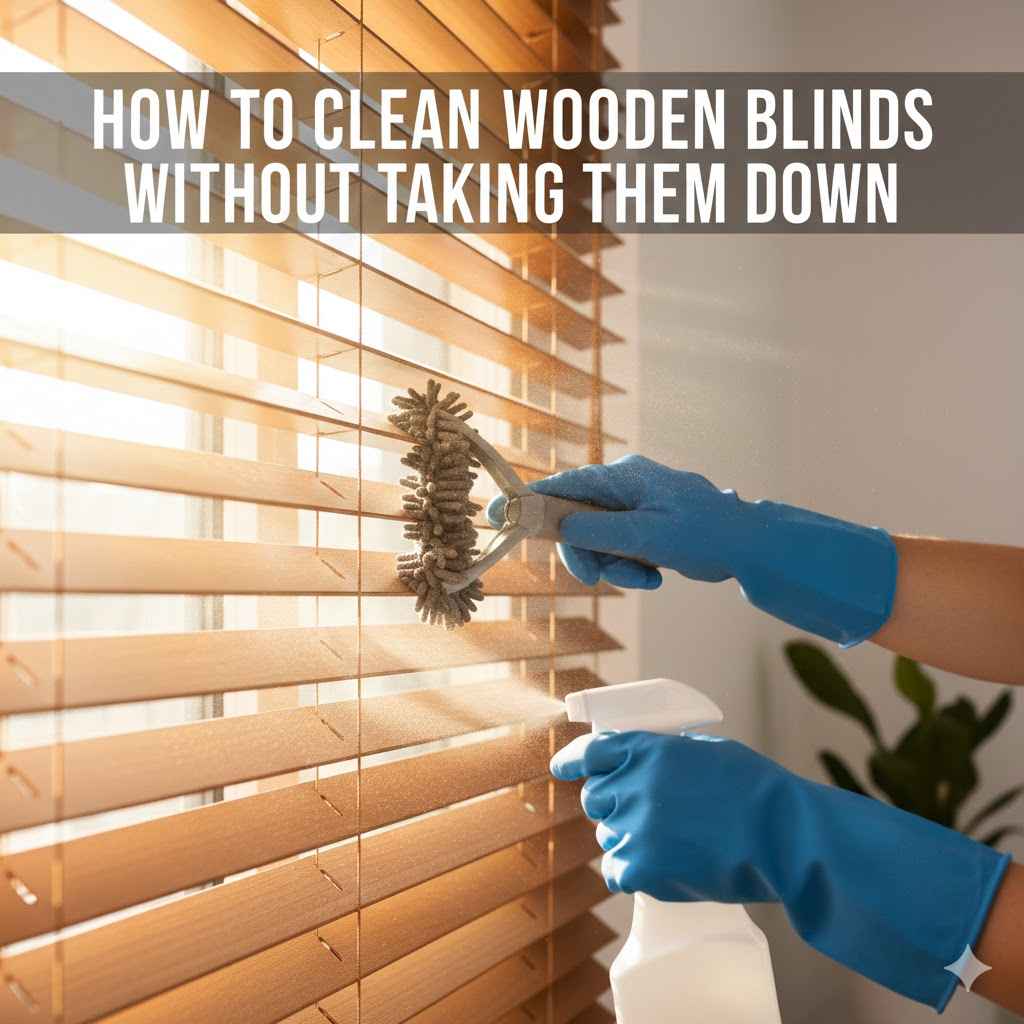
Cleaning your wooden blinds can seem like a big chore, and figuring out how to clean wooden blinds without taking them down is something many people wonder about. It’s easy to feel overwhelmed, especially if you’re new to taking care of your home. You might think you need special tools or a lot of time. But don’t worry! This guide will show you a simple, step-by-step way to get your blinds looking great without the hassle of removing them. Let’s get them sparkling clean!
Why Cleaning Wooden Blinds Matters
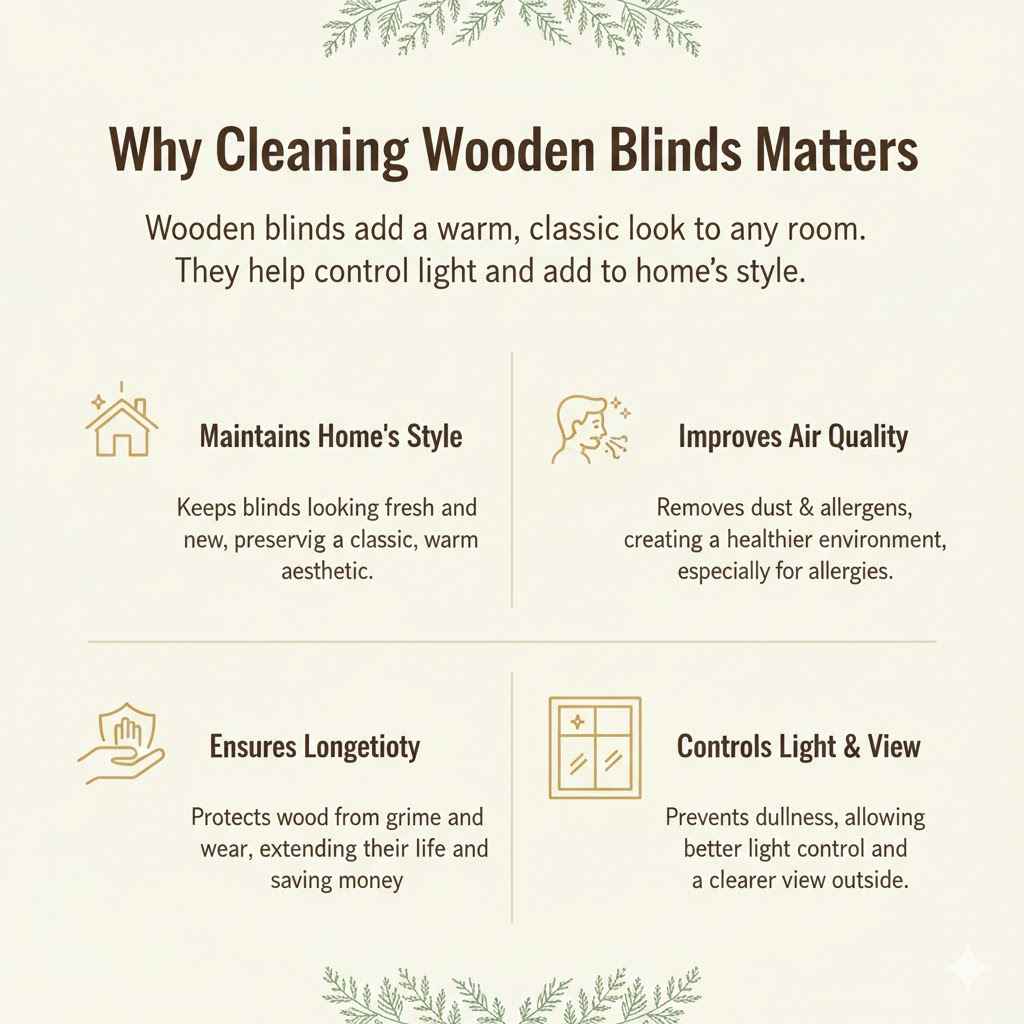
Wooden blinds add a warm, classic look to any room. They help control light and add to your home’s style. However, like any part of your home, they can collect dust, grime, and sometimes even stubborn spots. Not cleaning them regularly can make them look dull and worn, and can even affect the air quality in your home. Dust can be a problem for people with allergies. Keeping them clean also helps them last longer, saving you money in the long run.
The Challenge of Cleaning Blinds
Many people hesitate to clean their wooden blinds because they seem difficult to manage. Taking them down can be tricky, involving small parts and the risk of damage. Once off the window, they are bulky and awkward to handle. Even cleaning them while they are up can feel like a juggling act. You might worry about bending the slats, scratching the wood, or leaving streaks. These are all valid concerns, and they often stop people from doing the cleaning altogether. But there’s a much easier way.
How to Clean Wooden Blinds Without Taking Them Down
The good news is that you can achieve beautifully clean wooden blinds without ever needing to unhook them from your windows. This method focuses on gentle, effective cleaning that protects your blinds and fits easily into your regular cleaning routine. It’s perfect for most types of wooden or faux-wood blinds.
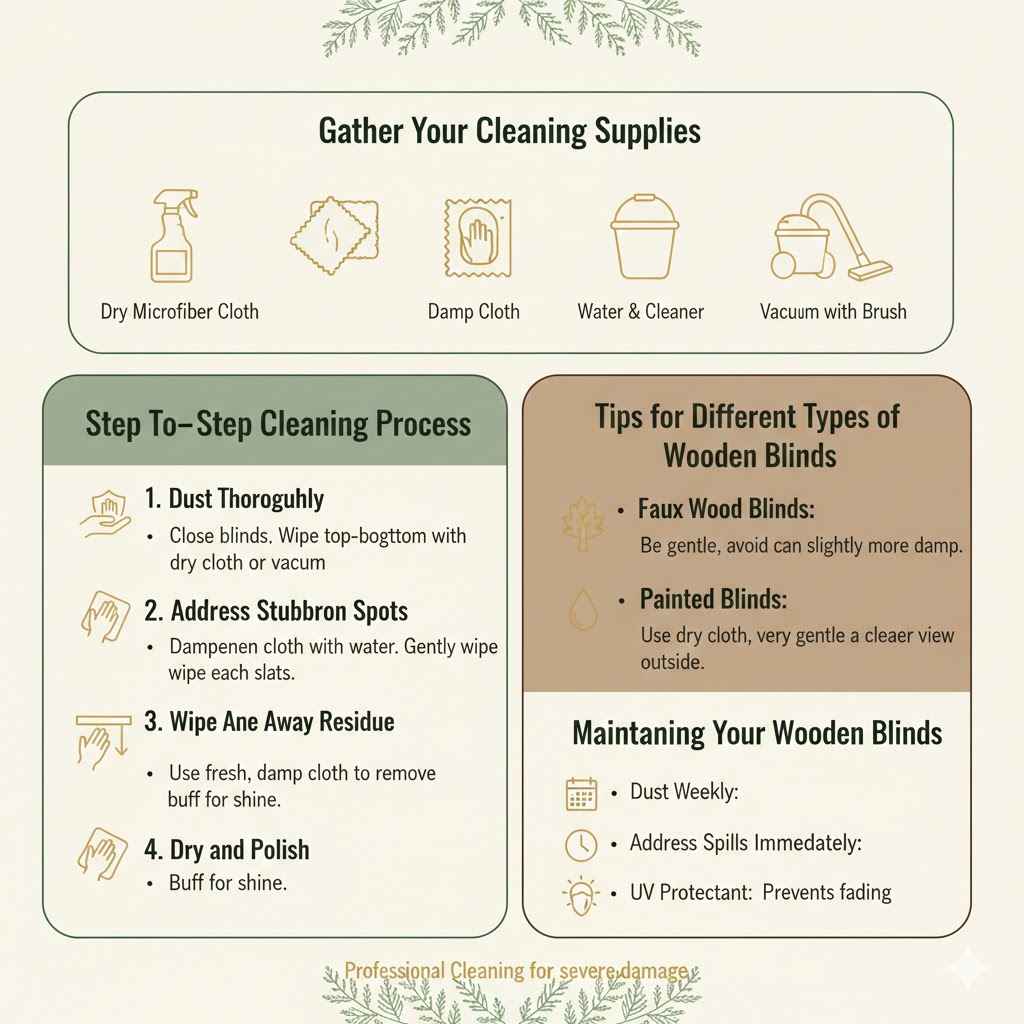
Gather Your Cleaning Supplies
Before you start, gather everything you need. Having your supplies ready makes the process smooth and quick.
A soft, dry microfiber cloth: These are excellent for dusting and won’t scratch the wood.
A slightly damp microfiber cloth: For wiping away grime.
A bowl of clean water: Lukewarm water works best.
A mild wood cleaner or a very diluted solution of dish soap and water: Test this in an inconspicuous spot first.
A clean, dry microfiber cloth: For a final polish.
A vacuum cleaner with a brush attachment: Optional, for heavy dusting.
A feather duster or a new, clean paintbrush: For hard-to-reach areas.
Step-by-Step Cleaning Process
Follow these simple steps for spotless wooden blinds.
Step 1: Dust Thoroughly
Start by getting rid of all loose dust. Dusting is the most important first step.
Close the blinds completely so all slats are facing one direction.
Use a dry microfiber cloth to wipe down each slat from top to bottom. Work your way across the entire blind.
If your blinds have many slats, you can use a feather duster or a clean paintbrush to flick dust away before wiping.
Alternatively, use your vacuum cleaner’s brush attachment on a low setting. Gently vacuum each slat. This can be very effective for trapping dust.
Step 2: Address Stubborn Spots and Grime
Once the blinds are dusted, you can tackle any marks or built-up grime.
Dampen a clean microfiber cloth with water. Wring it out thoroughly so it is only slightly damp, not wet. You don’t want to saturate the wood.
If you are using a mild wood cleaner or a diluted soap solution, apply a small amount to your cloth. Again, make sure the cloth is just damp, not wet.
Gently wipe each slat. For very dirty spots, you might need to apply a little gentle pressure.
Work in sections, cleaning a few slats at a time.
Step 3: Wipe Away Cleaning Solution Residue
If you used any cleaning solution other than plain water, it’s important to wipe away any residue.
Use a fresh, slightly damp microfiber cloth (again, wrung out well) to wipe down each slat. This will remove any soap or cleaner left behind, preventing streaks.
If you used only water in the previous step, you can skip this and go straight to drying.
Step 4: Dry and Polish
The final step is to dry the blinds completely and give them a little polish.
Use a clean, dry microfiber cloth to go over each slat again. This removes any remaining moisture and helps prevent water spots.
For an extra shine, you can lightly buff each slat with the dry cloth. This brings out the natural luster of the wood.
Tips for Different Types of Wooden Blinds
Real Wood Blinds: Be extra gentle. Avoid over-wetting the slats. If your blinds have a finished surface, they can handle a bit more wiping.
Faux Wood Blinds: These are often more durable and moisture-resistant. You can use a slightly more damp cloth if needed. Some faux wood blinds can even be cleaned with a mild all-purpose cleaner. Always check the manufacturer’s recommendations.
Painted Wooden Blinds: Use the gentlest method. A dry cloth is often best, with only a very slightly damp cloth for tough spots. Avoid abrasive cleaners.
Cleaning Techniques for Specific Problems
Grease or Fingerprints: For stubborn fingerprints or greasy spots, a solution of one part rubbing alcohol to four parts water can work well. Apply to your cloth, not directly to the blind, and wipe gently. Follow up with a dry cloth.
Mildew or Mold: If you notice any mildew, mix one part white vinegar with four parts water. Dampen a cloth with this solution and gently wipe the affected areas. Vinegar is a natural disinfectant. Ensure good ventilation afterward.
Water Stains: For light water spots, a dry microfiber cloth might be enough. For tougher stains, try a very small amount of lemon oil furniture polish on a cloth and buff it in.
Maintaining Your Wooden Blinds
Regular, light cleaning is key to keeping your wooden blinds looking their best and avoiding the need for deep cleaning too often.
Dust your blinds weekly. This prevents dust from building up and becoming hard to remove.
Wipe down slats with a dry microfiber cloth whenever you notice dust.
Address spills or spots immediately. The sooner you tackle them, the easier they are to clean.
Consider using a UV protectant spray made for wood periodically. This can help prevent fading from sunlight.
When to Consider Professional Cleaning
While this method is excellent for regular maintenance and most common cleaning needs, there are times when professional help might be a good idea. If your blinds are extremely old, very delicate, have significant damage, or are coated with a substance that regular cleaning won’t remove, it might be wise to consult a professional. However, for most homes, these DIY steps will keep your blinds looking beautiful.
Frequently Asked Questions
Question: How often should I clean my wooden blinds?
Answer: It’s best to dust your wooden blinds at least once a week. A more thorough wipe-down can be done every 1-3 months, depending on how dusty your home gets and whether they are exposed to more grime, like in a kitchen.
Question: Can I use furniture polish on my wooden blinds?
Answer: Yes, you can use a mild furniture polish specifically designed for wood. Apply a small amount to a soft cloth and then wipe the blinds. Buff with a dry cloth for shine.
Always test in an inconspicuous area first.
Question: What if my blinds are very old or delicate?
Answer: For very old or delicate wooden blinds, stick to dry dusting as much as possible. If you need to use a damp cloth, make sure it is only very slightly damp and wring it out thoroughly. Avoid any harsh cleaners.
Question: How do I clean blinds in a bathroom or kitchen?
Answer: Kitchens and bathrooms can be prone to grease and moisture. For kitchens, you might need a mild degreasing cleaner on a damp cloth. For bathrooms, watch out for moisture build-up and clean any mildew spots with a vinegar solution.
Always dry thoroughly.
Question: Can I spray cleaner directly onto the blinds?
Answer: No, never spray cleaner directly onto wooden blinds. This can cause damage, streaks, or water spots. Always apply the cleaner to your cloth first, and ensure the cloth is only slightly damp.
Final Thoughts
Keeping your wooden blinds clean is much simpler than you might have thought. You now know how to clean wooden blinds without taking them down using just a few common household items. Dusting regularly with a microfiber cloth, followed by a gentle wipe with a slightly damp cloth and a quick dry, will maintain their beauty. This easy method ensures your blinds stay looking great and contribute to a healthier home environment without extra effort.