How to Convert a Gas Fireplace to a Wood Burning Fireplace
Many homeowners love the warm glow of a fireplace but wonder if they can switch from gas to wood. It’s a common question, especially for those who want that authentic crackle and scent of a real wood fire. The good news is that sometimes it’s possible, but it involves more than just swapping out a gas log.
We’ll walk through what’s involved so you know exactly what to expect. Let’s find out if you Can You Convert a Gas Fireplace to Wood Burning? and what steps you’ll need to take.
Is It Possible To Convert Gas To Wood Fireplace
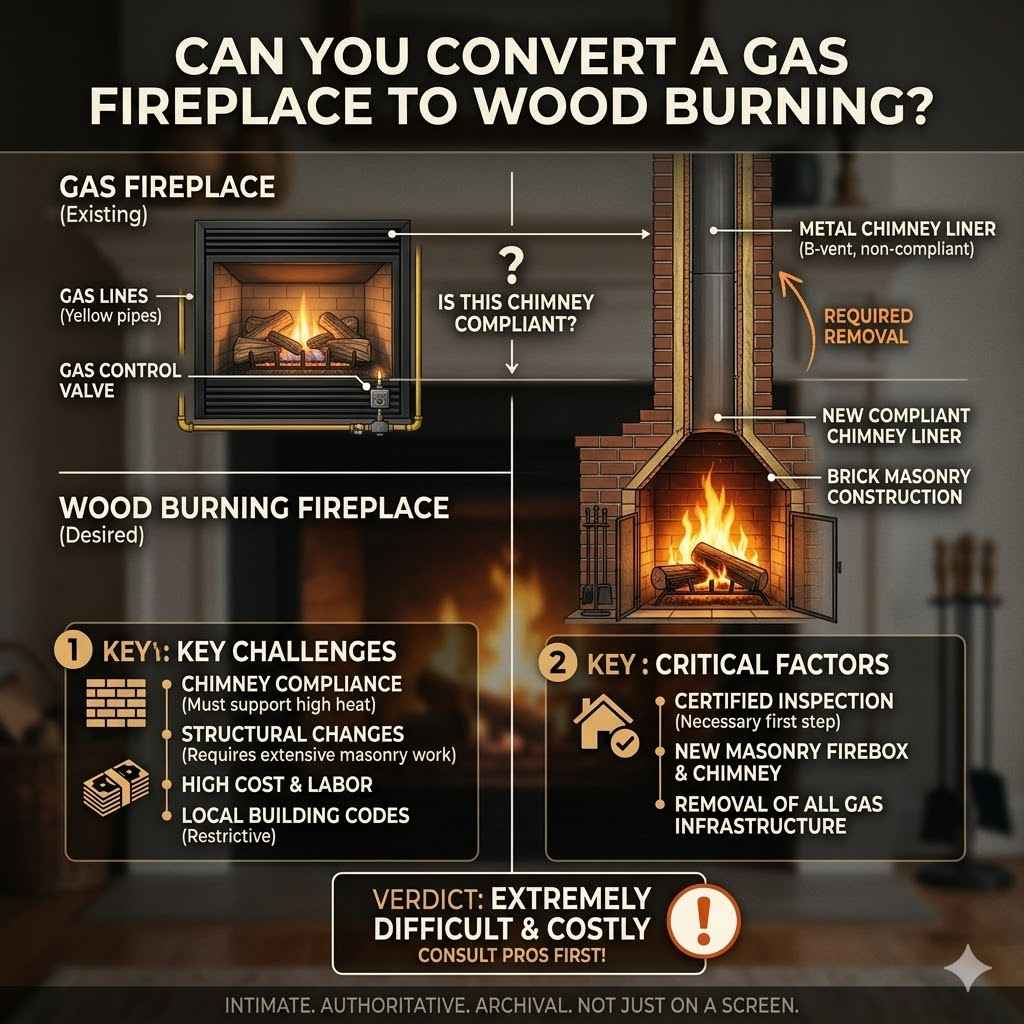
Switching from a gas fireplace to a wood-burning one is a question many homeowners ponder when they desire the classic ambiance of a wood fire. While it might seem like a simple alteration, the reality is often more involved. This process requires careful consideration of safety, structural changes, and local building codes.
Understanding whether this conversion is feasible for your specific fireplace setup is the first crucial step. We will explore the factors that determine the viability of such a change.
Understanding Fireplace Types
Fi
Wood-burning fi
Gas Fireplace Components
A gas fireplace consists of several key parts. The gas valve controls the flow of fuel, connecting to the burner. The burner is where the gas ignites, creating the flame.
Decorative elements like ceramic logs, rocks, or glass enhance the visual appeal. Many gas fireplaces also have a pilot light or an electronic ignition system. The venting system, whether direct vent or vent-free, is critical for safely expelling combustion gases.
Direct vent systems pull in outside air for combustion and vent exhaust gases directly outside through a coaxial pipe, while vent-free systems reintroduce the minimal combustion byproducts into the room, requiring specific safety certifications and room ventilation.
Wood Fireplace Requirements
A wood-burning fi
Assessing Structural Compatibility
When considering a conversion, the existing structure of your gas fi
The venting system is another critical point of assessment. Gas fi
Firebox Material and Heat Resistance
The firebox is the heart of any fireplace, and its material dictates its capabilities. Gas fireplace fireboxes are often made of sheet metal or ceramic panels. While they are sufficient for the controlled heat of gas flames, they are not designed for the intense, radiant heat and potential for extreme temperatures that wood fires produce.
Prolonged exposure to wood fire heat can cause metal to warp, crack, or even burn through over time. Ceramic panels may also be less durable under these conditions.
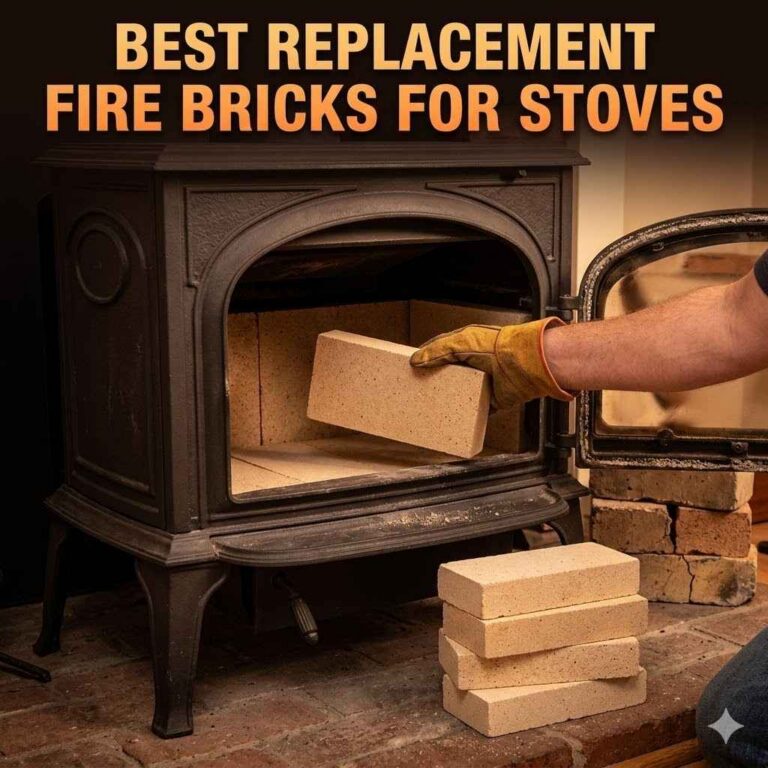
Wood-burning fireboxes are typically constructed from heavy-duty steel or, more commonly, lined with firebricks. Firebricks are dense, insulating bricks made from refractory clay that can withstand temperatures exceeding 2000 degrees Fahrenheit (1100 Celsius). They absorb and radiate heat effectively and protect the outer structure of the fi
Venting System Requirements
The chimney or venting system is arguably the most crucial element for safety in a wood-burning fi
Gas fireplaces, especially direct vent models, often use a dual-wall pipe system that vents directly through an exterior wall or roof. This system is not designed for the volume, temperature, or chemical composition of wood smoke. Vent-free gas fireplaces, which do not have a traditional chimney, are entirely unsuitable for conversion to wood burning.
Attempting to vent a wood fire through a gas fireplace’s existing vent pipe would be extremely dangerous, risking fire, carbon monoxide poisoning, and structural damage.
Safety Regulations and Building Codes
Safety is paramount when dealing with any home renovation, especially one involving fire. Converting a gas fi
Building codes dictate the materials, construction methods, and clearances required for fireplaces and chimneys. They often specify chimney height, flue size, firebox construction, and clearances from combustible materials. Any conversion must be inspected and approved by local building officials to ensure it meets all safety requirements.
This often involves obtaining permits before work begins and scheduling inspections at various stages of the project.
Understanding Local Ordinances
Every town, city, and county has its own set of building codes and fire regulations. These ordinances are based on national standards, such as the International Residential Code (IRC), but can have local amendments. Some areas might have stricter rules regarding fireplace installations, chimney heights, or emissions.
It is essential to contact your local building department or fire marshal’s office early in the planning process to understand all applicable codes and permit requirements.
These local authorities are the best resource for information. They can provide checklists, application forms, and guidance on what is permissible. They will also outline the inspection process.
Failure to adhere to these ordinances can lead to fines, mandates to remove unpermitted work, or even render your home unsafe and unsellable. For example, some regions have strict rules about the clearance of chimneys from property lines or adjacent structures to prevent fire spread.
Professional Installation and Inspections
Given the safety-critical nature of fi
After the conversion work is completed, a final inspection by a local building inspector is typically required. This inspector will verify that the work has been done correctly and meets all safety codes. They will check for proper clearances, structural integrity, correct venting, and overall safety.
Passing this inspection is crucial for occupancy and insurance purposes. It provides official confirmation that your new wood-burning fireplace is safe to use.
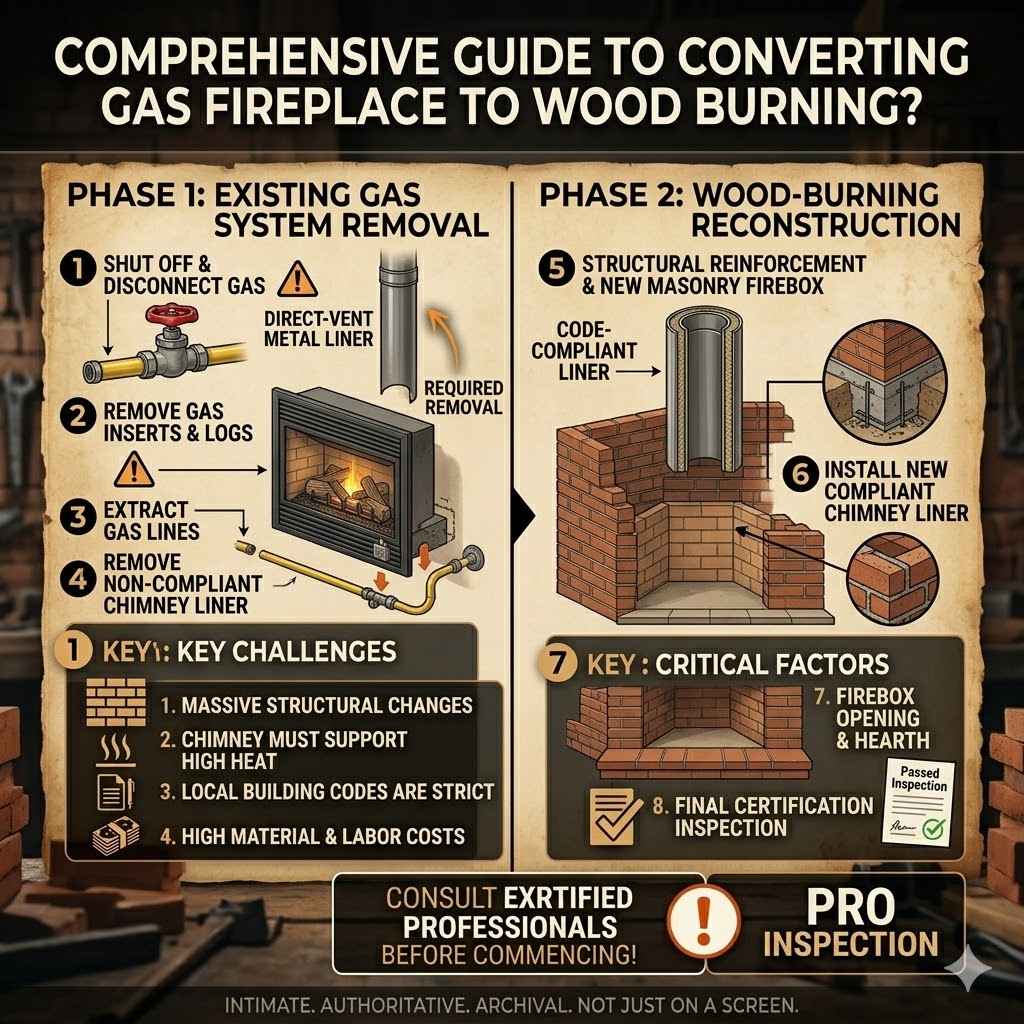
The Conversion Process Step-by-Step
If a professional assessment determines that a conversion is feasible, it typically involves a series of steps. These steps focus on safely modifying the existing structure to accommodate the demands of a wood-burning fire. It’s important to approach this process with patience and a commitment to safety, as shortcuts can have severe consequences.
Step 1 Assessing Your Existing Fireplace
The very first step, as emphasized earlier, is a thorough professional inspection of your current gas fireplace. A certified chimney technician or fireplace installer will examine the firebox, hearth, surrounding structure, and existing venting. They will look for any signs of damage, deterioration, or inadequate construction for wood burning.
They’ll also assess the chimney structure if one exists and its condition. This assessment will determine if a conversion is even possible and what modifications would be necessary.
Step 2 Chimney or Vent System Modifications
If your gas fireplace has a direct vent system or a vent-free system, this will likely need to be completely removed. A new chimney system designed for wood burning will need to be installed. This could involve building a new masonry chimney, installing a prefabricated insulated metal chimney system, or modifying an existing chimney to meet wood-burning standards.
This is a significant structural and safety component of the conversion.
A prefabricated chimney system consists of insulated metal pipes that are lighter and often less expensive than masonry. They are designed to maintain safe temperatures and prevent creosote buildup. Masonry chimneys are built with brick and mortar, offering excellent durability and heat retention but requiring more extensive construction and potentially a stronger foundation.
The choice depends on your home’s structure, local codes, and budget.
Step 3 Firebox and Hearth Reconstruction
The existing firebox of a gas fi
The firebricks are laid in a specific pattern to ensure strength and efficient heat distribution. Refractory mortar is used because it can withstand the high temperatures without deteriorating. The size and shape of the reconstructed firebox are crucial for proper airflow and combustion, ensuring that the fire burns efficiently and safely.
This rebuild is a substantial part of the conversion, requiring skilled craftsmanship.
Step 4 Installing a Wood-Burning Insert or Grate
Once the firebox and chimney are ready, you can install the components for wood burning. This usually involves either installing a wood-burning insert or placing a heavy-duty grate within the firebox. An insert is essentially a self-contained wood-burning stove designed to fit into an existing fireplace opening.
It improves efficiency and safety by creating a sealed firebox and a controlled burn. A grate is a metal rack that elevates logs, allowing air to circulate beneath them for better combustion.
Inserts are often a popular choice because they offer improved heating performance compared to open fireplaces. They are designed to be efficient and cleaner burning, reducing emissions. Grates are simpler and more traditional, allowing for a more open fire experience.
Regardless of the choice, the components must be rated for wood-burning use and installed according to manufacturer instructions and local codes.
Step 5 Final Inspections and Testing
After all construction and installation are complete, the final step is to have the work inspected by your local building department. This inspection ensures that all modifications meet safety standards and building codes. Once approved, it’s wise to conduct a small test fire.
This allows you to check the draft, ensure proper smoke ventilation, and observe the fireplace’s performance. Monitor for any signs of smoke leakage or unusual odors.
Alternatives to Full Conversion
While a full conversion might be desirable for some, it’s not always feasible or cost-effective. Fortunately, there are excellent alternatives that can give you some of the benefits of a wood-burning fi
Gas Logs and Fire Glass
If you enjoy the look of a fire but don’t want the hassle of wood, realistic gas logs are an excellent substitute for artificial flames. They mimic the appearance of burning wood, complete with glowing embers and charred logs. Modern gas logs are very convincing and offer a warm, inviting atmosphere with the convenience of gas.
Similarly, fire glass is a decorative media that can be used in gas fi
Gas logs are designed to work with your existing gas fi
Electric Fireplace Inserts
Electric fireplaces offer a completely different approach. They are designed to plug into a standard electrical outlet and can often be installed as inserts into existing fireplace openings. They provide a visual flame effect and can also produce heat.
The flame effect is created using LED technology and is becoming increasingly realistic, often featuring glowing embers and adjustable flame colors. Electric fireplaces are easy to install, require no venting, and are energy-efficient for supplemental heating.
Many electric fi
Ventless Fireplace Inserts for Wood
There are also specialized inserts designed to work with existing structures that might have once been wood-burning but are no longer in use or have been converted to gas. These inserts are built to meet current safety standards for wood burning and can be fitted into masonry openings. They often improve the efficiency of the fi
These types of inserts are not typically installed into a structure that was originally a gas fireplace. Their design relies on a properly constructed masonry chimney to vent smoke. If your gas fireplace has an existing gas vent pipe, it cannot accommodate a wood-burning insert.
The entire chimney system would need to be assessed and potentially rebuilt or relined to meet wood-burning requirements before an insert could be considered.
Cost and Time Investment
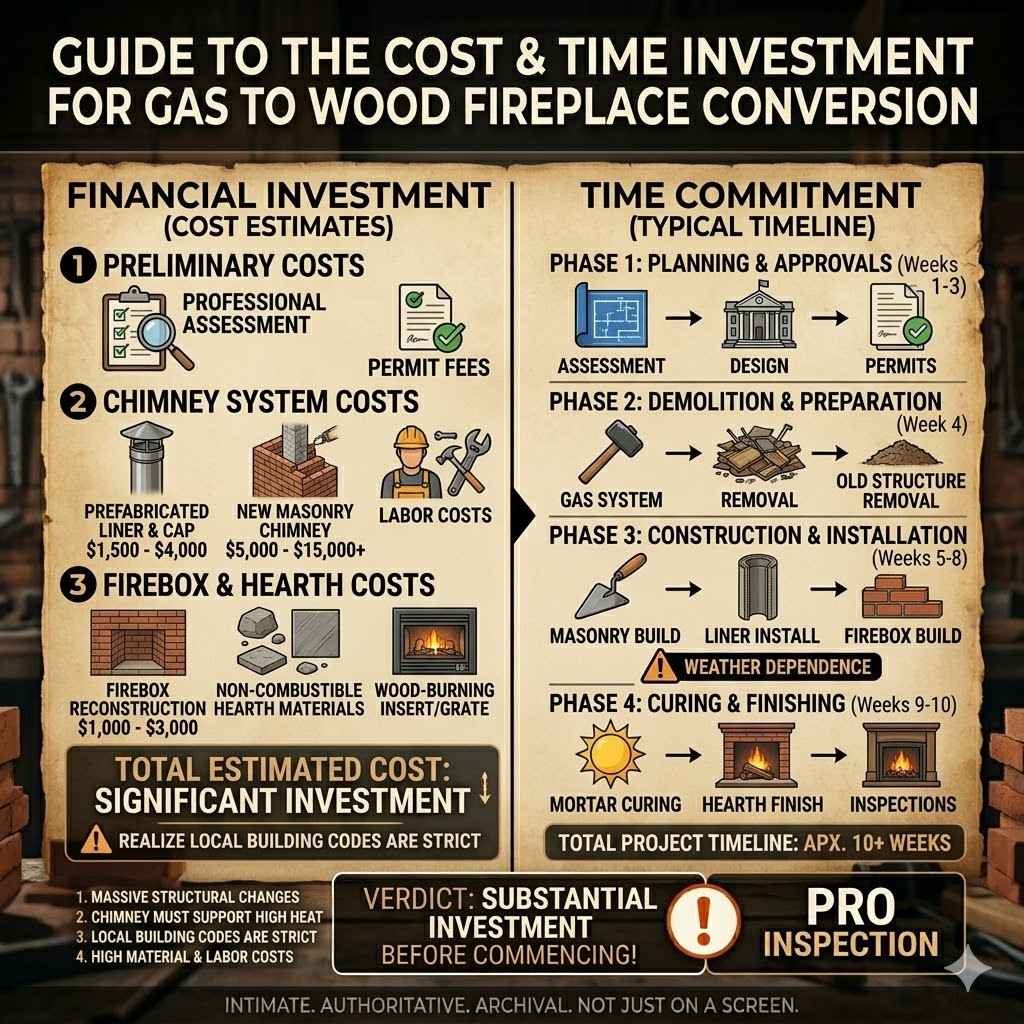
Converting a gas fireplace to wood burning is a significant project that involves both a substantial financial investment and a considerable time commitment. The cost can vary widely depending on the complexity of the work, the materials used, and the labor rates in your area. It’s essential to budget realistically for this undertaking.
Estimated Costs
The price of converting a gas fi
For example, installing a prefabricated stainless steel chimney liner and cap can cost between $1,500 and $4,000. Rebuilding a firebox with new firebricks and refractory mortar might cost between $1,000 and $3,000. Adding a new, full masonry chimney from the ground up can easily exceed $5,000 to $15,000.
The labor involved, often requiring skilled masonry and construction professionals, is a major factor in the overall cost.
A realistic estimate should include:
- Professional assessment and inspection fees.
- Permit costs from your local building department.
- Materials for chimney construction or relining (metal, bricks, mortar, insulation).
- Materials for firebox and hearth reconstruction (firebricks, refractory cement, non-combustible hearth materials).
- Labor costs for demolition, construction, installation, and finishing.
- A wood-burning insert or grate, if applicable.
Typical Project Timeline
The time it takes to convert a gas fi
Key factors influencing the timeline include:
- The complexity of the existing structure.
- The need for permits and the speed of the approval process.
- The availability of qualified contractors.
- The weather, especially if exterior chimney work is involved.
- The time required for materials to cure, such as mortar and concrete.
It’s important to plan this project during a time when you won’t need immediate fireplace use, allowing ample time for completion and inspections before colder weather arrives.
Frequently Asked Questions
Question: Can I just put a wood-burning insert into my gas fireplace opening
Answer: Generally, no. Gas fi
Question: Is it cheaper to convert to wood or install a new wood fireplace
Answer: It depends on the existing structure. If your gas fireplace has a sound, existing masonry chimney that can be properly relined for wood burning, it might be less expensive than building a new wood fireplace from scratch. However, if a new chimney is needed, the cost can be comparable or even higher.
Question: How do I know if my current chimney can be used for a wood conversion
Answer: A certified chimney sweep or fireplace professional must inspect your existing chimney. They will check for structural integrity, proper size, material suitability for high heat and creosote, and ensure it meets current code requirements for wood burning.
Question: What are the main safety concerns when converting
Answer: The primary concerns are fire hazards from improper venting and creosote buildup, structural damage from extreme heat, and carbon monoxide poisoning due to inadequate exhaust. Adhering to codes and professional installation is vital.
Question: Can I use my gas fireplace’s existing gas line for a wood conversion
Answer: No, the gas line is only for natural gas or propane. A wood-burning fireplace operates by burning solid fuel. All components related to gas would be removed during a conversion.
Summary
Converting a gas fireplace to wood burning is a significant undertaking. It demands thorough assessment, structural modifications, and strict adherence to safety codes. While possible in some scenarios, it requires professional expertise to ensure it’s done safely and effectively.
Consider the costs, time, and alternatives before proceeding.