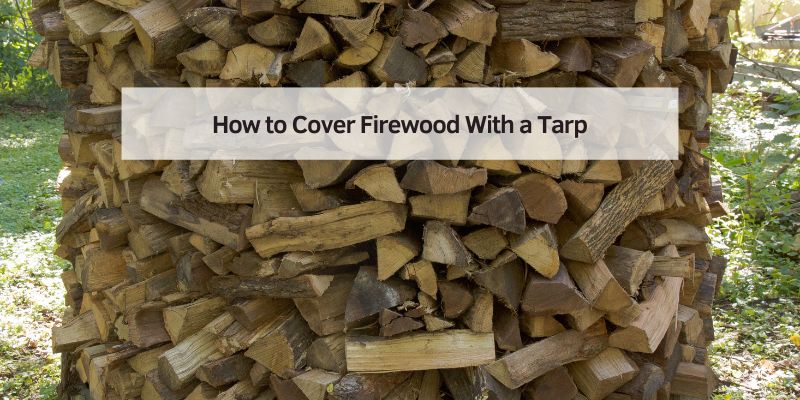
How to Cover Firewood With a Tarp
Why I Love Keeping My Firewood Dry
My first winter with a fireplace was a mess! I left my firewood uncovered, and after a big rain, it was soggy and smoked like crazy when I tried to burn it. That’s when I learned how to cover firewood with a tarp. It’s a simple trick to keep your wood dry and ready for cozy fires. This guide will show you easy steps, handy tips, and mistakes to avoid. Whether you’re new to firewood or a pro, you’ll find ideas to make your wood pile perfect. Let’s dive in!
What Is Covering Firewood With a Tarp?
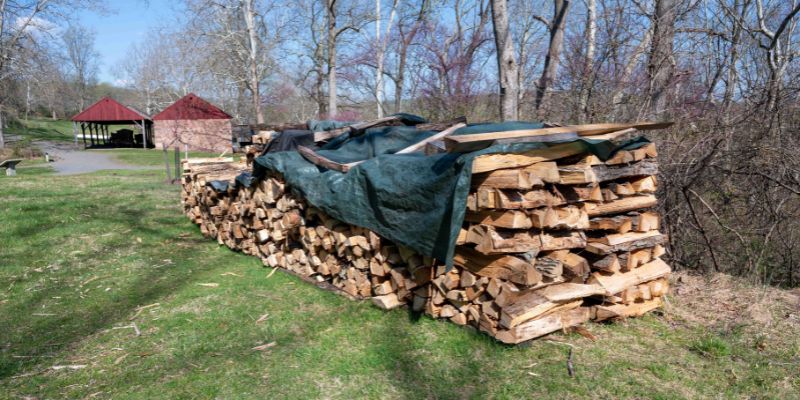
Covering firewood with a tarp means using a waterproof sheet to protect your wood pile from rain and snow. It helps keep wood dry so it burns better.
Why It Matters
Wet wood is hard to light and makes smoky fires. A tarp keeps moisture out, speeds up seasoning (drying wood), and saves you from buying expensive pre-dried logs.
My First Tarp Flop
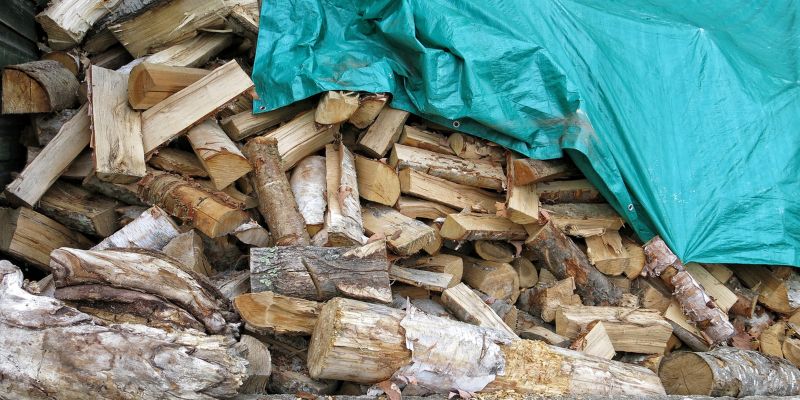
My first tarp attempt was a disaster. I draped it over the whole pile, and mold grew underneath! Covering only the top is the key, and I’ll show you how.
Why Use a Tarp for Firewood?
Tarps are cheap, easy to find, and quick to set up. They’re perfect for beginners who don’t want to build a shed.
Benefits of Using a Tarp
- Saves Money: Tarps cost $10-$30, much less than a shed.
- Easy to Use: Just toss it over and tie it down.
- Portable: Move it if you rearrange your wood pile.
Drawbacks to Watch Out For
- Traps Moisture: Covering the whole pile stops airflow and causes mold.
- Can Tear: Cheap tarps rip in wind or after a year in the sun.
- Looks Basic: Tarps aren’t as pretty as a woodshed.
Tools and Materials You’ll Need
You don’t need much to cover your firewood. Here’s what I use:
- Waterproof Tarp: Get a heavy-duty one (18 oz or thicker) from Harbor Freight or a local store.
- Bungee Cords or Rope: To secure the tarp. Bungees are easier!
- Stakes or Weights: Tent stakes or bricks keep the tarp in place.
- Pallets or 2x4s: Raise the wood off the ground for airflow.
Table 1: Tarp Types for Firewood
| Tarp Type | Cost | Durability | Best For |
|---|---|---|---|
| Vinyl (18 oz) | $15-$30 | Lasts 2-3 years | Wet climates |
| Canvas | $20-$40 | Breathable, 3-4 years | Dry climates |
| Polyethylene | $8-$15 | 1-2 years | Budget option |
| Caption: Compare tarp types to pick the best one for your wood pile. |
How to Cover Firewood With a Tarp: Step-by-Step
Here’s my simple method to cover firewood like a pro. It’s a piece of cake!
Step 1: Stack Your Wood Right
Stack your wood in a sunny, breezy spot. Use pallets or 2x4s to lift it off the ground to avoid ground moisture.
Step 2: Choose the Right Tarp Size
Pick a tarp that’s a bit bigger than your pile’s top. A 6×8-foot tarp works for a small stack (4×4 feet).
Step 3: Cover Only the Top
Drape the tarp over the top of the pile. Let it hang a few inches over the sides, but keep the sides open for air.
Step 4: Secure the Tarp
Use bungee cords or rope through the tarp’s grommets. Tie to stakes or weigh it down with bricks.
Step 5: Check Airflow
Make sure the tarp isn’t touching the wood too much. I add sticks on top of the pile to lift the tarp for better air circulation.
Visual Idea 1
A diagram showing a wood pile on pallets with a tarp covering just the top, secured with bungees, and arrows indicating airflow.
Common Mistakes to Avoid
I’ve made plenty of mistakes covering firewood. Here’s what to skip:
- Covering the Whole Pile: This traps moisture and causes mold. Only cover the top!
- Using a Cheap Tarp: Thin tarps tear fast. Spend a bit more for durability.
- No Ground Protection: Wood on bare ground gets wet and rots. Use pallets.
Alternative Ways to Cover Firewood
Tarps aren’t the only option. Here are other ideas I’ve tried or seen:
Metal Roofing
Old metal roofing sheets are sturdy and last years. They’re heavy, so no blowing away!
Woodshed
A small shed is the best for long-term storage. It’s pricey but keeps wood dry and looks nice.
Plywood or Boards
Plywood sheets are a quick fix. Paint them black to soak up heat for faster drying.
Table 2: Comparing Firewood Cover Options
| Option | Cost | Pros | Cons |
|---|---|---|---|
| Tarp | $10-$40 | Cheap, easy | Tears, less pretty |
| Metal Roofing | $20-$100 | Durable, reusable | Heavy, costly |
| Woodshed | $200-$1000 | Long-term, attractive | Expensive, takes space |
| Caption: Compare tarp with other cover options to find what fits your budget. |
My Top Tips for Firewood Success
Here are my favorite tricks from years of stacking wood:
- Check Weather: Uncover the tarp on sunny days to let the sun dry your wood.
- Rotate Your Stack: Use the top logs first since they stay driest.
- Inspect for Mold: Check under the tarp monthly to catch any damp spots early.
Visual Idea 2
A sketch of a wood pile with a tarp secured by bungees, showing sticks raising the tarp for airflow and pallets underneath.
Safety Tips for Covering Firewood
Safety matters when handling tarps and wood. Here’s what I’ve learned:
- Secure the Tarp Well: A loose tarp can fly off and trip someone. Use stakes or weights.
- Watch for Mold: Wet wood can grow mold, which isn’t healthy to breathe. Keep it airy.
- Stack Stably: Make sure your pile won’t tip over when you pull logs out.
When to Cover Your Firewood
Timing matters. I leave my wood uncovered in summer for max sun and wind. Cover it in fall or winter to keep rain and snow off.
Seasonal Tips
- Summer: Uncover to speed drying.
- Fall/Winter: Cover the top before heavy rain or snow.
- Spring: Check for trapped moisture and air out the pile.
Table 3: Seasonal Firewood Covering Guide
| Season | Cover? | Why? |
|---|---|---|
| Summer | No | Sun and wind dry wood fast |
Frequently Asked Questions
Why does my firewood get wet under the tarp?
Water can seep in if the tarp covers the sides, trapping moisture. Only cover the top, leaving sides open for airflow. Use pallets to lift the wood off the ground to avoid ground moisture.
What’s the best tarp for firewood?
A heavy-duty vinyl tarp (18 oz or thicker) works best for wet climates. Canvas tarps are breathable for dry areas. Pick a size slightly larger than your pile’s top.
How long does firewood take to season?
Fresh-cut wood needs 6-12 months to dry to 20% moisture or less. Covering only the top with a tarp helps it dry faster by protecting it from rain.
Can I use a tarp year-round?
Yes, but uncover it during dry, sunny weather to speed drying. Cover in fall or winter to keep rain and snow off for ready-to-burn wood.
What if my tarp tears in the wind?
Use bungee cords or ropes through grommets and secure with stakes or bricks. Choose a thick tarp (18 oz) to resist tearing and check it monthly.
Should I cover green (fresh-cut) firewood?
Cover only the top to protect from rain but allow airflow. Uncover in dry weather to help it season faster, ideally for 6-12 months.
Can I store firewood without a tarp?
Yes, a shed or metal roofing works better for long-term storage. Uncovered wood dries slower and may get wet in rain or snow.
Conclusion
Covering firewood with a tarp is a simple, cheap way to keep your wood dry and ready for burning. Just cover the top, use pallets for airflow, and secure it well. Try my steps to avoid soggy logs and smoky fires. Grab a tarp and start today! Share your wood pile tips in the comments—I’d love to hear them!