What Is a Bugle Head Screw? Coarse vs Fine Thread Guide
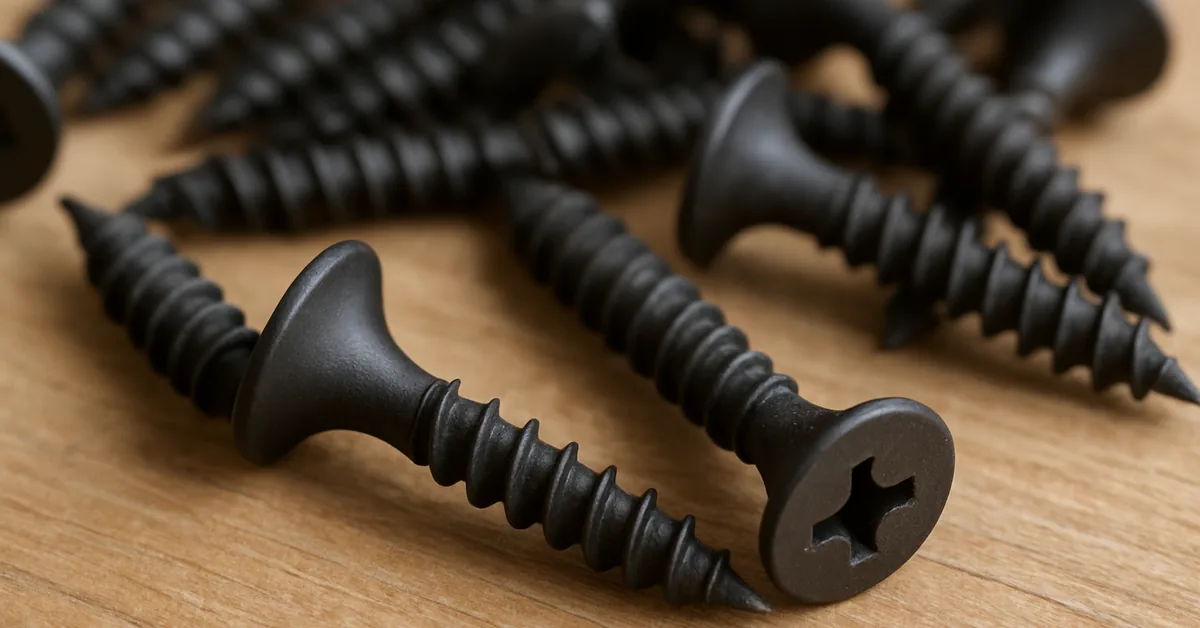
A bugle head screw has a curved, trumpet-shaped underside that sits flush with drywall or wood without cracking the surface — unlike flat or pan heads, which either need a pre-drilled countersink or sit proud. Most are self-drilling and Phillips-drive, so no pilot hole is needed. This guide covers what makes the bugle shape work, how it compares to flat and pan heads, and how to pick the right size for drywall or decking.
What Is a Bugle Head Screw?
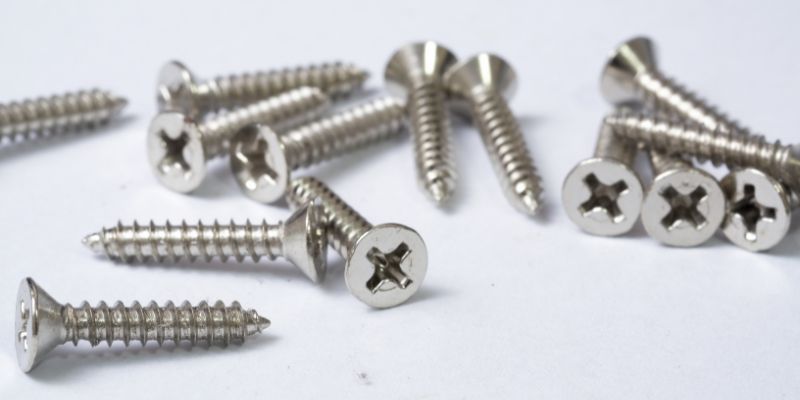
A bugle head screw is a special fastener with a flat top and a curved, trumpet-like head. It sits flush with surfaces like drywall or wood, giving a smooth finish.
This screw is often self-drilling, meaning it makes its own hole. It’s perfect for attaching drywall to wood or metal studs — a similar self-tapping design shows up in self-drilling drywall anchors, which skip the pilot hole the same way when you need to hang something without hitting a stud.
Coarse Thread vs. Fine Thread: Which Do You Need?
ASTM C1002 formally defines two bugle head types: Type W (coarse thread) for fastening drywall to wood framing, and Type S (fine thread) for fastening to metal studs. Using Type W in metal studs can strip the thin steel; using Type S in wood gives weaker pullout resistance than a coarse thread would. For a closer look at why thread type matters this much, see our wood screw vs. metal screw comparison. Gauge follows a standard formula too — a #6 screw measures 0.138″ in diameter, a #8 screw 0.164″, available in the common 1-1/4″, 1-5/8″, and 2″ lengths.
Why Does the Bugle Shape Matter?
The bugle shape spreads pressure evenly. This stops materials like drywall from tearing or cracking.
Unlike round or pan head screws, which stick out, bugle head screws sink in nicely. They’re great for projects where looks matter.
📊 A #6 bugle head screw measures 0.138″ in diameter, a #8 measures 0.164″ — per the ASME B18.6.1 gauge formula — Source: Grip-Rite, drywall screw specifications
Common Uses for Bugle Head Screws
Bugle head screws shine in specific tasks. Here are their top uses:
- Drywall Installation: They secure drywall to studs without ripping the paper.
- Woodworking: They join wood pieces for shelves or furniture — though for some joints, joining two pieces of wood with brackets works better than screws alone.
- Decking: They work for outdoor wood projects like decks.
I once used them to build a backyard deck. The screws held tight and looked neat!
Other Places They Work
You can use bugle head screws for plastic or lightweight materials. They’re versatile for home repairs or small crafts.
Benefits of Bugle Head Screws
Why pick a bugle head screw? Here’s what makes them special:
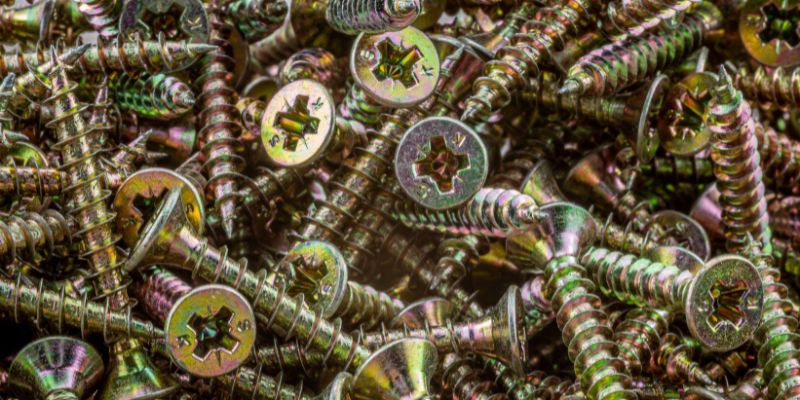
- Flush Finish: They sit flat, making surfaces smooth.
- No Pre-Drilling: Self-drilling types save time.
- Less Damage: The head prevents cracks in soft materials like drywall.
They’re also affordable and easy to find at stores like Home Depot.
Drawbacks to Know
Bugle head screws aren’t perfect. They’re not ideal for heavy-duty tasks like bolting metal. Also, over-tightening can strip the head.
Best Bugle Head Screw Pick
Grip Rite #6 x 1-5/8″ Coarse Thread Bugle Head Drywall Screws (189-Count) – $5.97
Grip-Rite is the exact brand this guide cites for bugle-head gauge specs — this is their #6, 1-5/8″ coarse-thread screw, the size and length this article names as the standard for drywall into wood studs.
- Best for: Standard 1/2″ drywall into wood studs
- Why we picked it: Matches the #6, 1-5/8″ coarse-thread spec this guide recommends for Type W wood-framing installs
- Main drawback: Coarse thread only — not rated for metal stud framing (Type S needed there)
Compare more bugle head screw options
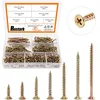
 Option 1 Rustark #7 Coarse Thread Bugle Head Assortment (390-Pcs) – $14.85
|
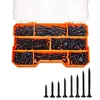
 Option 2 Rustark 5/8″–2-1/2″ Zinc Bugle Head Assortment (420-Pcs) – $16.19
|
 Option 3 Maexxna 8-Size Bugle Head Drywall Screw Kit (380-Pcs) – $14.99
|
As an Amazon Associate we earn from qualifying purchases.
Comparing Bugle Head Screws to Other Screws
Let’s see how bugle head screws stack up. This table compares them to other common screws:
| Screw Type | Head Shape | Best For | Flush Finish? |
|---|---|---|---|
| Bugle Head | Curved, countersunk | Drywall, wood | Yes |
| Flat Head | Flat, countersunk | Finish work, hinges | Yes |
| Round Head | Rounded, raised | Sheet metal, machines | No |
| Pan Head | Flat top, raised | Metal, plastic | No |
Table 1: Comparing Screw Types for Common Projects
Bugle head screws are best for flush finishes. Round or pan heads work better for non-flush needs.
How to Use Bugle Head Screws: A Simple Guide
Want to try bugle head screws? Follow this easy guide for a drywall project.
Tools You’ll Need
You don’t need much! Here’s a basic list:
- Electric Screwdriver: A cordless one is easiest.
- Bugle Head Screws: Get #6 or #8 sizes for drywall.
- Measuring Tape: To mark stud locations.
- Level: To keep things straight.
A simple screwdriver like one from DeWalt works great.
Step-by-Step Installation
- Find Studs: Use a stud finder to locate wood or metal studs.
- Mark Spots: Measure and mark where screws will go.
- Position Drywall: Hold the drywall against the studs.
- Drive Screws: Use your screwdriver to sink screws until flush.
- Check Alignment: Use a level to ensure the panel is straight.
This method worked when I hung drywall in my garage. It was quick and fun!
Safety Tips
- Wear safety glasses to protect your eyes.
- Don’t over-tighten screws; it can damage the drywall.
- Keep tools away from kids.
Cost-Saving Ideas
Bugle head screws are budget-friendly. Here’s how to save more:
- Buy in Bulk: Get a box of 1,000 screws for under $20 at Fastener Mart.
- Reuse Tools: A basic screwdriver lasts for years.
- Shop Sales: Check hardware stores for deals.
I saved $10 by buying screws in bulk for my deck project!
Common Mistakes to Avoid
New to bugle head screws? Watch out for these:
- Wrong Size: Too-long screws can hit wires or pipes.
- Over-Tightening: This strips the screw or cracks the material.
- Skipping Studs: Always screw into studs for strength.
I learned the hard way when I cracked a drywall sheet by rushing.
Alternatives to Bugle Head Screws
Sometimes, other fasteners work better. Here are options:
- Flat Head Screws: Great for hinges or decorative work.
- Hex Bolts: Best for heavy-duty wood or metal.
- Nails: Good for quick, non-flush projects.
For heavy lumber, I’d use hex bolts instead of bugle head screws. And if you’re just hanging something light on drywall without hitting a stud, it’s worth knowing how to put anchors in a wall without a drill instead of reaching for a screw at all.
Personal Tips from My Experience
I’ve used bugle head screws for years. Here are my best tips:
- Start Slow: Use low speed on your screwdriver to avoid stripping.
- Test One Screw: Try one to check the fit before doing many.
- Keep Extras: Always have spare screws for mistakes.
These tricks helped me build a sturdy shed last summer.
Tools and Costs
Here’s a table to help you plan:
| Item | Estimated Cost | Where to Buy |
|---|---|---|
| Bugle Head Screws | $10–$20 (1,000) | Home Depot, Fastener Mart |
| Electric Screwdriver | $30–$50 | DeWalt, Amazon |
| Stud Finder | $15–$25 | Hardware stores |
Table 2: Tools and Costs for Using Bugle Head Screws
These are beginner-friendly tools I’ve used myself.
Why I Love Bugle Head Screws
Bugle head screws are my go-to for home projects. They’re easy to use, affordable, and make everything look clean. Whether you’re fixing a wall or building a shelf, they’re a great choice.
Frequently Asked Questions
What Is a Bugle Head Screw Used For?
A bugle head screw is mainly used for drywall and wood projects. It sits flush with the surface, giving a smooth look. It’s great for attaching drywall to studs or joining wood for furniture. They’re easy to use and don’t need pre-drilling.
Can Bugle Head Screws Be Used Outdoors?
Yes, but choose corrosion-resistant ones, like stainless steel deck screws. They work for decks or fences. I used them on my patio and they held up well. Regular screws might rust outside.
What’s the Difference Between Bugle and Flat Head Screws?
Bugle head screws have a curved, trumpet-like head that spreads pressure to prevent cracks. Flat head screws are fully flat and need a pre-drilled countersunk hole. Bugle heads are better for drywall.
Do I Need Special Tools for Bugle Head Screws?
No, a basic electric or manual screwdriver works. Phillips drive bugle head screws are most common and easy to install. I use a cordless screwdriver for speed and comfort.
How Do I Choose the Right Size Bugle Head Screw?
Pick a screw long enough to go through the material and into the stud. For drywall, #6 or #8 screws (1–2 inches long) are common. Check material thickness first.
Can Beginners Use Bugle Head Screws?
Absolutely! They’re beginner-friendly because they’re self-drilling and easy to drive. Start with a small project, like a picture frame, to practice. I started with a simple shelf and it was fun!
Are Bugle Head Screws Reusable?
You can reuse them if they’re not damaged. Check for stripped heads or bent threads. I’ve reused them for small repairs, but new screws are best for big projects.
Conclusion
Bugle head screws are amazing for easy, clean projects. They’re perfect for drywall, wood, or decking, and they’re simple to use. Try them for your next DIY task, like building a shelf or fixing a wall. Grab some screws, a screwdriver, and start creating! Share your projects with friends or ask me questions below. Let’s build something cool together!
Sponsored / affiliate links. As an Amazon Associate I earn from qualifying purchases. I may earn additional commission from eligible campaigns.