How To Install Self Drilling Drywall Anchors The Right Way
Installing self-drilling drywall anchors correctly involves choosing the right anchor for the weight, properly driving it into the wall, and then using the correct screw. This ensures a secure hold that prevents items from falling.
What Are Self-Drilling Drywall Anchors?
These little helpers are designed to make hanging things on drywall much simpler. Think of them as a bridge. They connect your screw to the wall structure.
They do two jobs at once. First, they create their own hole. Second, they expand or grip inside the wall.
This gives the screw something solid to hold onto. They are often made of metal or strong plastic. Their design helps them go into the drywall without needing a pilot hole first.
This saves you a step.
The idea behind them is simple. Drywall itself is not very strong. It’s like compressed paper.
A screw alone won’t hold much weight. It can pull right out. Anchors give the screw more surface area to grip.
They spread the load. This lets you hang heavier items. They are a common choice for renters.
You often can’t make big holes in rental walls. These anchors make small, neat holes.
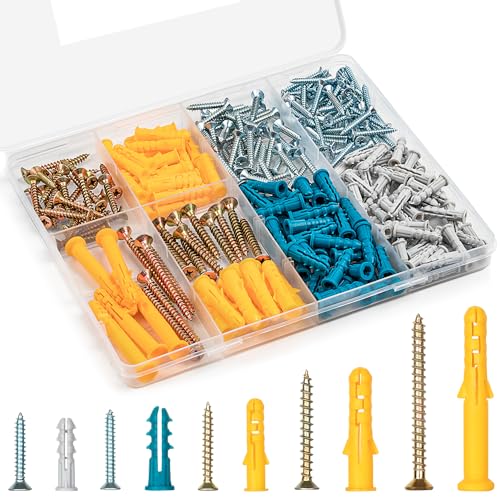
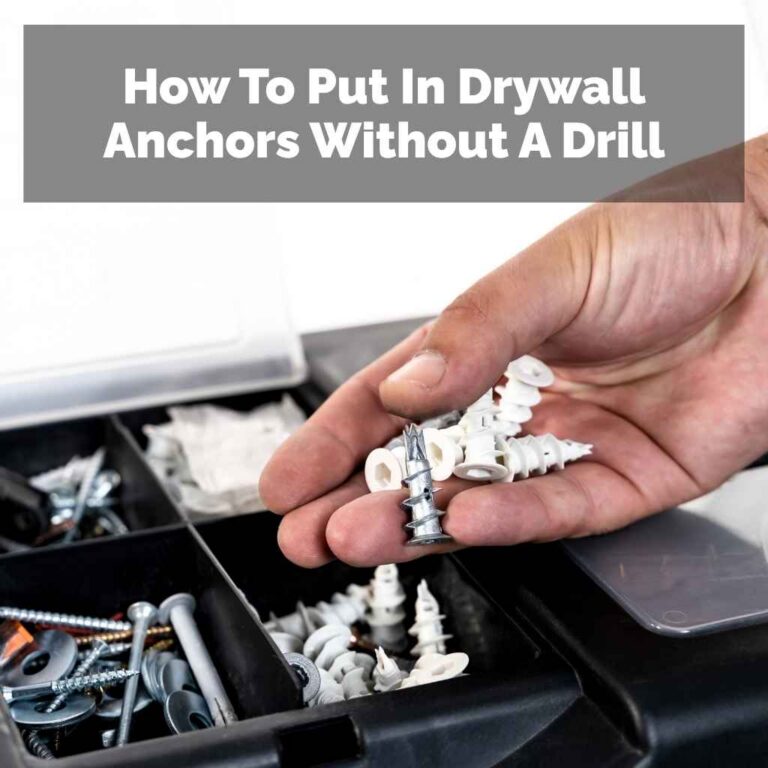
There are a few types. Some look like little screws. You spin them in with a screwdriver.
Others have wings or threads. The threads grip the drywall as you turn them. They are very popular because they are fast.
Most people can use them without much trouble. They come in different sizes too. This is important for different weights.
Knowing which one to pick is key to success.
My Own Drywall Anchor Fiasco
I remember one time, early in my DIY journey, I wanted to hang a fairly nice mirror in my living room. It wasn’t huge, but it had some weight. I bought a pack of what I thought were “heavy-duty” self-drilling anchors.
The package said they could hold up to 50 pounds. Perfect, I thought! I grabbed my screwdriver and eagerly started screwing one in.
It went in pretty easily. I put the screw in, hung the mirror, and stepped back, proud of my work.
Fast forward a few hours. I was watching TV when I heard a distinct creaking sound. Then, with a sickening thud, the mirror crashed to the floor.
Thankfully, it didn’t break, but the anchor had completely ripped out of the drywall. Shards of drywall were scattered. The anchor was mangled.
I felt a mix of annoyance and panic. My beautiful mirror was now on the floor. The wall looked like a small disaster zone.
It turned out I hadn’t driven the anchor in far enough, and the screw wasn’t seated properly. It was a hard lesson in not rushing and understanding how these things really work.
Anchor Types at a Glance
Threaded Anchors: These have sharp points and threads. They screw directly into the drywall. They are good for lighter to medium-duty tasks.
You usually need a Phillips head screwdriver to install them.
Toggle Bolts: These have a spring-loaded wing. You drill a larger hole. The anchor goes through.
The wings spring open behind the wall. They are great for heavy items.
Sleeve-Type Anchors: These are often used with a pre-drilled hole. They expand as you drive a screw into them. They offer a solid grip for medium to heavy loads.
Choosing the Right Anchor for the Job
This is step one, and it’s super important. Not all self-drilling anchors are created equal. They have different weight limits.
You need to match the anchor to what you’re hanging. Look at the item’s weight. If it’s a small picture frame, you don’t need a super heavy-duty anchor.
If it’s a shelf that will hold books, you need something strong.
The packaging will tell you the weight limit. This is usually for shear weight (pulling down) and sometimes for tensile weight (pulling out). Always aim for an anchor with a weight limit well above what you need.
This gives you a safety margin. It means the anchor won’t be stressed too much. A good rule of thumb is to double the weight you need to hang.
Then pick an anchor that can handle that.
Consider the type of wall too. Most homes have standard drywall. Some newer homes might have thicker drywall or plaster.
Make sure the anchor is designed for your wall type. If you’re unsure, it’s better to ask at the hardware store. They can help you find the right product.
Weight Limit Check
- Light Duty (up to 10 lbs): Small pictures, lightweight decor.
- Medium Duty (10-25 lbs): Shelves with light items, smaller mirrors.
- Heavy Duty (25-50 lbs): Larger mirrors, cabinet doors, medium shelves with books.
- Extra Heavy Duty (50+ lbs): Large wall units, heavy shelving. (Often requires toggle bolts or specialized anchors).
The Installation Process: Step-by-Step
Let’s get to the actual hanging. It’s not hard, but a little care goes a long way. First, gather your tools.
You’ll need the anchors, the screws that come with them (or compatible ones), a screwdriver (usually Phillips head), and maybe a pencil and a level.
Step 1: Mark the spot. Decide exactly where you want to hang your item. Use a pencil to make a small mark on the wall. If you’re hanging something like a shelf that needs two anchors, use a level to make sure your marks are even.
This is important for things that need to be straight.
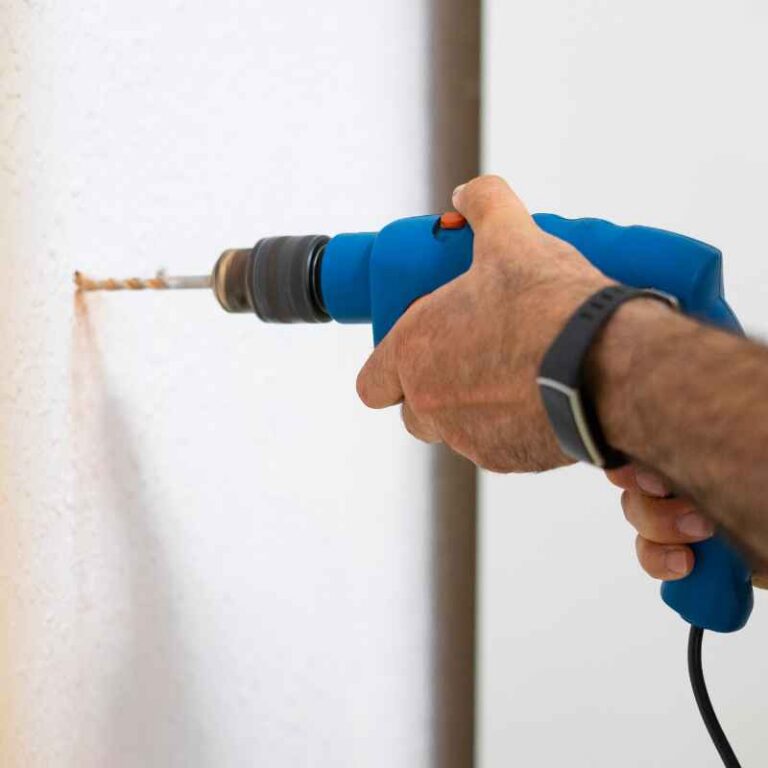
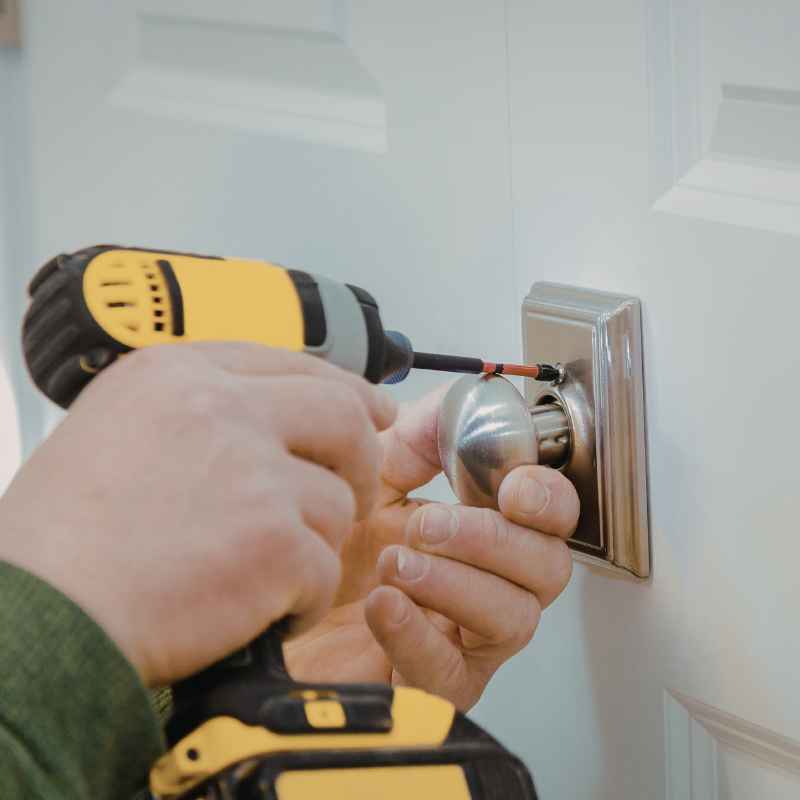
Step 2: Drive the anchor. Take your self-drilling anchor. Position its tip on your pencil mark. Now, start turning it.
You can use a screwdriver or sometimes a drill on a very low torque setting. Turn it clockwise. It should start to bite into the drywall.
Keep turning. You want the anchor to go in until its collar or flange is flush with the wall. This means it’s seated properly.
Don’t overtighten. This can strip the drywall around the anchor.
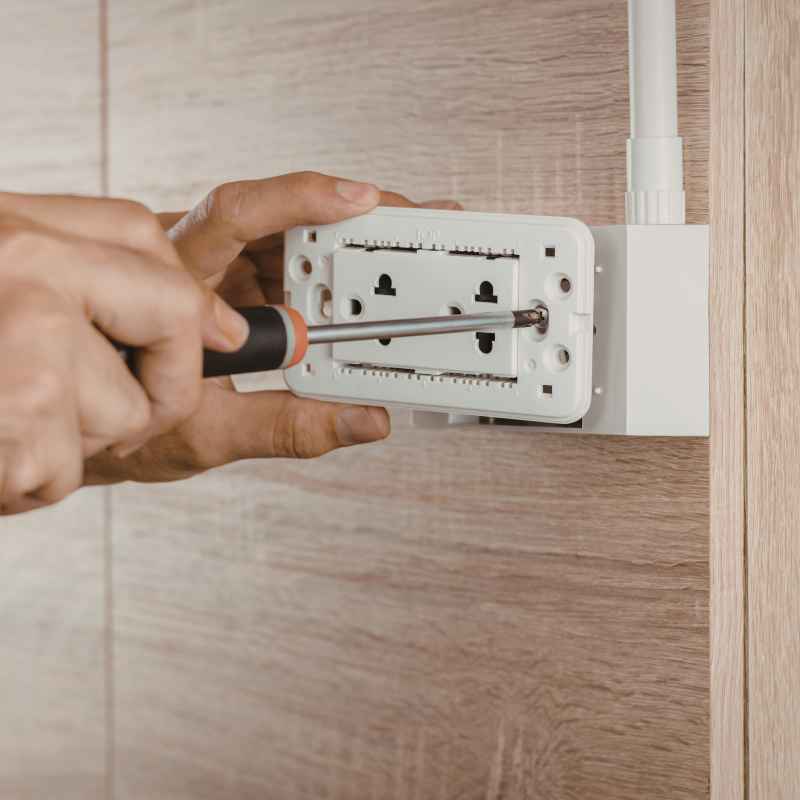
Step 3: Insert the screw. Once the anchor is in place, take the screw. Put the screw into the anchor. Start turning the screw clockwise.
The anchor will grip the wall. The screw will thread into the anchor. Keep turning until the screw is snug.
Don’t force it. If it feels too tight, back it out a bit. You want it secure, but not so tight that you damage the anchor or the wall.
Step 4: Hang your item. Now, carefully hang your picture, shelf, or whatever you’re putting up. Gently test it to make sure it feels secure. If you’re hanging something heavy, give it a gentle tug.
It should feel solid and not wiggle.
Quick Installation Tips
- Pre-drilling is sometimes useful: Even though they are “self-drilling,” a tiny pilot hole can help some anchors start easier, especially in tougher drywall.
- Use a level: For anything that needs to hang straight, a level is your best friend.
- Don’t force it: If an anchor or screw feels stuck, stop. Figure out why before you break something.
- Clean up: Drywall dust can be messy. Have a cloth or vacuum handy.
Common Mistakes to Avoid
Even with simple tools, people make mistakes. Knowing these common errors can save you a lot of headaches. One big mistake is using the wrong anchor for the job.
As we talked about, picking an anchor that can’t hold the weight is a recipe for disaster. You see it all the time: a shelf sagging because it has the wrong anchors.
Another mistake is not driving the anchor in fully. If the anchor isn’t flush with the wall, it won’t have a solid base. The screw won’t engage with it properly.
This leads to a loose hold. You might think it’s in, but it’s just resting on the surface. When weight is applied, it pops out easily.
Overtightening is also a problem. When you screw the anchor in, or when you put the screw into the anchor, you can go too far. Overtightening can strip the threads inside the anchor.
It can also strip the drywall itself. This makes the anchor spin and become useless. Always stop when things feel snug.
You don’t need to crank it with all your might.
Using the wrong screw is another common issue. Sometimes, anchors come with screws. If yours didn’t, or if you lost them, make sure you use the right size and type of screw.
The screw needs to fit the anchor perfectly. Too small, and it won’t catch. Too big, and it won’t go in.
Myth vs. Reality
Myth: All self-drilling anchors are the same.
Reality: They have different weight ratings and designs for different needs.
Myth: You can hang anything with any self-drilling anchor.
Reality: Always check the weight limit and match it to your item.
Myth: Driving it in hard means it’s stronger.
Reality: Overtightening can damage the anchor and the wall, weakening the hold.
What Happens When It Goes Wrong?
When an anchor installation fails, the results can range from minor annoyances to bigger problems. The most obvious is when the item you hung falls. This can damage the item itself, the wall, or even the floor.
It’s a visual reminder of the failed installation.
Beyond the falling object, you’ll likely have a damaged wall. The anchor will rip out. This leaves a hole that’s often bigger than when you started.
Sometimes, bits of drywall crumble away. Repairing this might involve patching compounds and painting. If you used a screw that was too big, it can leave a much larger tear in the drywall.
In some cases, if the item was heavy and fell unexpectedly, it could cause injury. This is especially true if it fell onto someone. Always prioritize safety.
That’s why understanding the weight limits and proper installation is so critical. A small mistake can have unintended consequences.
If an anchor fails, the best approach is to repair the hole. Then, try again. You might need to use a different type of anchor.
Or, you might need to try a different spot on the wall. Sometimes, using a stud finder to locate a wall stud is the best solution for heavier items. A stud provides much more support than drywall alone.
Expert Tips for a Rock-Solid Hold
I’ve learned a few tricks over the years that make a big difference. One thing I always do, even with anchors that say they’re self-drilling, is to make a very small pilot hole first. I use a drill bit that’s just slightly smaller than the anchor’s shaft.
This helps the anchor go in straighter and easier. It prevents the drywall from cracking.
Another tip is to feel for resistance. When you’re driving the anchor in, you should feel it grab the drywall. If it just spins freely, it’s not biting.
This might mean you’re in a weak spot or the anchor is too small for the drywall. If you feel resistance, that’s good. Keep going until it’s snug.
When you’re putting the screw in, don’t just spin it super fast. Turn it at a moderate pace. Listen to the sound.
You’ll hear it start to grip the anchor. If you hear a grinding or stripping sound, stop. Back the screw out a little.
Try again, slower. A common error is thinking more torque equals a better hold. Usually, it’s about a steady, firm grip.
For anything truly heavy, like large TVs or heavy cabinets, relying solely on drywall anchors is risky. Always try to find a wall stud. Use a stud finder.
If you can hit a stud with your screw, you’ll have a much more secure installation. Many anchors can also be used in conjunction with studs for added support.
When to Use a Stud Finder
- Heavy Items: TVs, large mirrors, heavy shelving units.
- Items That Will Be Touched Often: Handrails, doors.
- Critical Installations: Anything where failure could be dangerous.
- When in Doubt: If you’re not sure if an anchor will hold, find a stud.
Real-World Scenarios
Let’s look at a few common situations where self-drilling drywall anchors are used. Think about hanging a light coat rack in your entryway. You want it to hold a few jackets.
A medium-duty threaded anchor is usually perfect here. You’d mark your spots, drive the anchors in until they’re flush, and then screw them in. Make sure they are level so the rack doesn’t look crooked.
Another example: mounting a small bathroom shelf for toiletries. This isn’t super heavy, but it needs to be secure. You’d use a couple of appropriate anchors.
The key is to ensure the anchor is fully seated against the wall. This prevents water from getting behind it, which could damage the drywall over time.
What about hanging blinds or curtains? These often involve screwing into the wall above a window. The brackets usually have small screw holes.
You’ll want anchors that are small enough to fit these holes but strong enough to hold the weight of the blinds and the curtains. Again, check the weight rating. If you have heavy, dark curtains, you might need a beefier anchor or even a stud.
Finally, think about mounting a wireless router or a small speaker. These are usually not very heavy, but you don’t want them falling. Self-drilling anchors are ideal.
They go in quickly, and you can put them up high on a wall out of the way. Just make sure the screw fits snugly.
Scenario: Kitchen Shelf
Item: A small shelf for spices.
Weight: Approx. 5-10 lbs when loaded.
Anchor Type: Medium-duty threaded anchor.
Installation: Mark spots, drive anchors flush, insert screws, test hold.
Item: Mounting a towel bar.
Weight: Approx. 5 lbs when loaded.
Anchor Type: Light to medium-duty anchor, potentially specific for towel bars.
Installation: Ensure anchors are firm. Avoid overtightening if they are close to edges.
What This Means for You
So, what’s the takeaway from all this? It means that self-drilling drywall anchors are incredibly useful tools. They make DIY projects much more accessible.
You can hang things without needing specialized tools or a lot of experience. But, like any tool, they need to be used correctly to work their best.
When it’s normal to use them? Any time you need to hang something on a drywall surface and you don’t have a stud available. This is common in most homes for pictures, decorations, light shelving, and small fixtures.
They are your go-to for quick fixes and everyday hanging needs.
When should you worry or look for alternatives? If you are hanging something very heavy. We’re talking about things that could cause serious damage or injury if they fell.
Think large flat-screen TVs, heavy bookcases, or large mirrors. In these cases, always try to find a stud. If a stud isn’t an option, you might need to use heavy-duty toggle bolts or lag shields designed for much higher weight capacities.
Always err on the side of caution.
Simple checks you can do involve giving the item a gentle wiggle. Does it feel solid? Does the wall around the anchor look stressed or cracked?
If things feel loose, it’s better to take it down and fix it than to wait for it to fail. Your walls and your belongings will thank you.
Quick Fixes and Better Practices
If you’ve already installed an anchor and it feels loose, don’t despair. Sometimes, a simple tightening can help. If the anchor spins, it’s likely stripped the drywall.
In this case, you’ll need to remove the screw and anchor. Then, you’ll have to repair the hole. You can use drywall patching compound.
Let it dry completely. Then, you can try installing a new anchor. You might need to use a slightly larger anchor or try a different type.
A better practice than trying to fix a failing anchor is to prevent failure from the start. This comes back to choosing the right anchor for the weight. It also involves careful installation.
Drive anchors in straight. Make sure they are fully seated. Don’t overtighten screws.
If you have a power drill, use a clutch setting. This stops the screw from over-driving.
Another practice is to inspect your anchors periodically. If you have shelves that have been up for a long time, give them a check. Look for any signs of sagging or stress.
This is especially important in humid environments where drywall can weaken over time.
Improvement Flow
Start: Item is heavy, drywall anchor feels loose.
Problem: Anchor is stripped or not seated correctly.
Solution 1: Remove anchor, patch hole, install new anchor (larger or different type).
Solution 2: Locate a wall stud for a more secure fix.
Prevention: Always choose anchors matching the item’s weight. Install carefully.
Frequently Asked Questions
Can I reuse a self-drilling drywall anchor?
It’s generally not recommended to reuse self-drilling drywall anchors. Once they are installed and then removed, the threads or gripping mechanism can be damaged. This makes it difficult for them to get a secure hold the second time.
It’s best to use a new anchor for a reliable hold.
What is the difference between a drywall anchor and a screw anchor?
A drywall anchor is a device that goes into the drywall to provide a secure point for a screw. A screw anchor is a type of anchor that often looks like a screw itself, and you drive it directly into the wall. Self-drilling drywall anchors are a popular type of screw anchor specifically designed for drywall.
How do I know if I hit a stud?
The best way to know if you hit a stud is to use a stud finder. These electronic devices can detect the denser material of a wooden stud behind the drywall. You can also try tapping the wall.
A hollow sound usually means drywall, while a more solid sound might indicate a stud.
Can I use self-drilling anchors in plaster walls?
Some self-drilling anchors can work in plaster, but it depends on the type of plaster and the anchor. Plaster can be more brittle than drywall. It’s often safer to use anchors specifically designed for plaster or to pre-drill a pilot hole to prevent cracking.
Always check the anchor’s packaging for compatibility.
What is the best type of anchor for heavy items like a TV mount?
For heavy items like TV mounts, it is always best to mount directly into wall studs. If that is not possible, you will need specialized heavy-duty anchors like toggle bolts or molly bolts designed for significant weight loads. Standard self-drilling anchors are not suitable for most TV mounts.
How many anchors should I use for a shelf?
The number of anchors needed depends on the length and weight capacity of the shelf, and the weight of the items you plan to put on it. For most standard shelves, two anchors are sufficient if they are properly spaced and rated for the load. For longer or heavier shelves, you might need three or four anchors.
Conclusion
Using self-drilling drywall anchors the right way means understanding your needs. It involves choosing wisely and installing with care. These anchors are fantastic for adding hooks, shelves, and decorations.
They give you confidence in your wall hangings. Follow these steps and tips, and you’ll be hanging things securely in no time. Enjoy your newly decorated and organized space!
Sponsored / affiliate links. As an Amazon Associate I earn from qualifying purchases. I may earn additional commission from eligible campaigns.