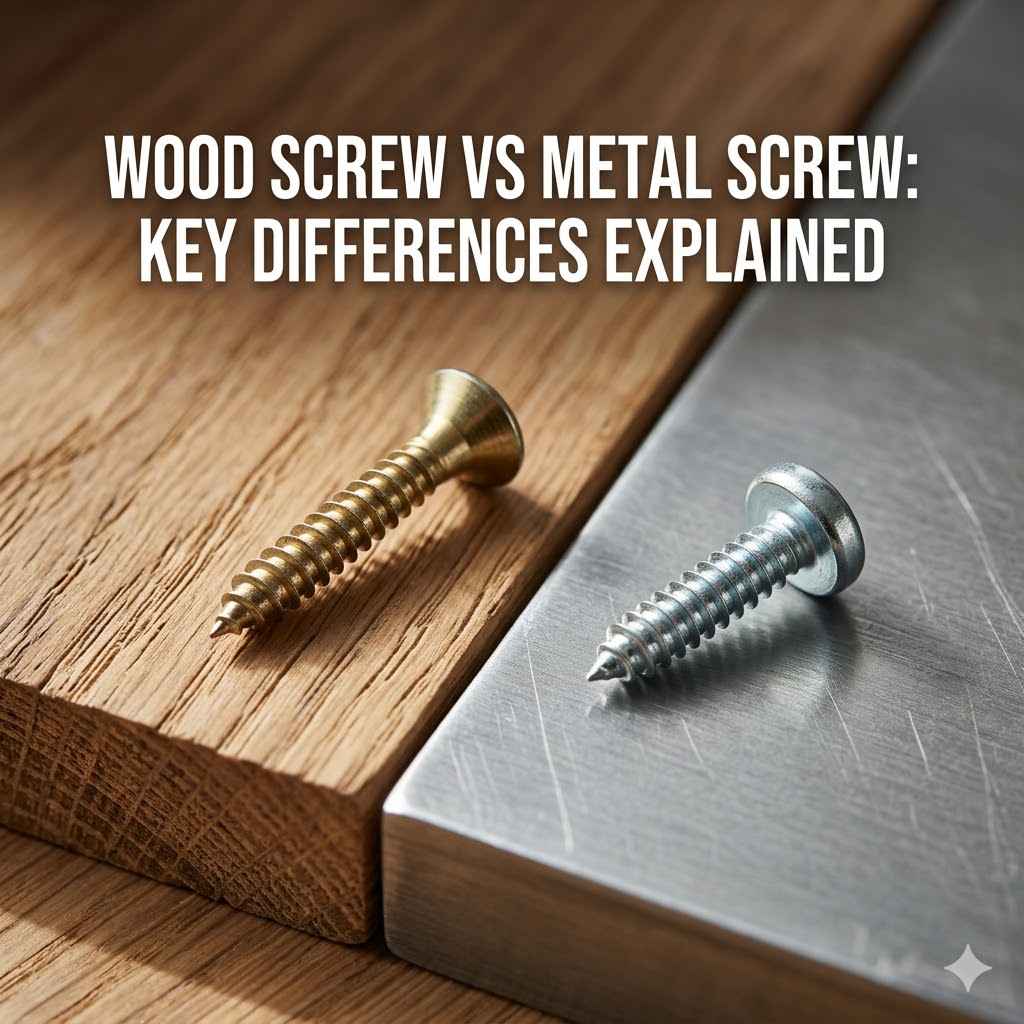
Wood Screw Vs Metal Screw: Key Differences Explained
Ever stood in the hardware aisle, staring at a wall of screws, and felt a little lost? You’re not alone. Choosing the right screw can feel like a small puzzle, especially when you see so many different types.
But don’t worry, we’ll break down the differences between wood screws and metal screws in a way that makes perfect sense. It’s all about understanding what makes them special and where they work best.
Choosing between a wood screw and a metal screw can seem tricky, but understanding their design and purpose makes it simple. Wood screws are built for gripping wood fibers, while metal screws are made for fastening into metal or with nuts. This guide explains their unique features and best uses.
What’s the Big Deal With Wood Screws?
Wood screws are like the friendly handshake of the fastener world. They’re designed to join pieces of wood together, and they do it really well. Their main job is to bite into the wood fibers and hold tight.
Think about how wood works. It’s not super hard, but it has a grain and it can split if you push something too hard or too fast. Wood screws are made to handle this.
They have a special shape that helps them drive in smoothly without causing too much damage to the wood.
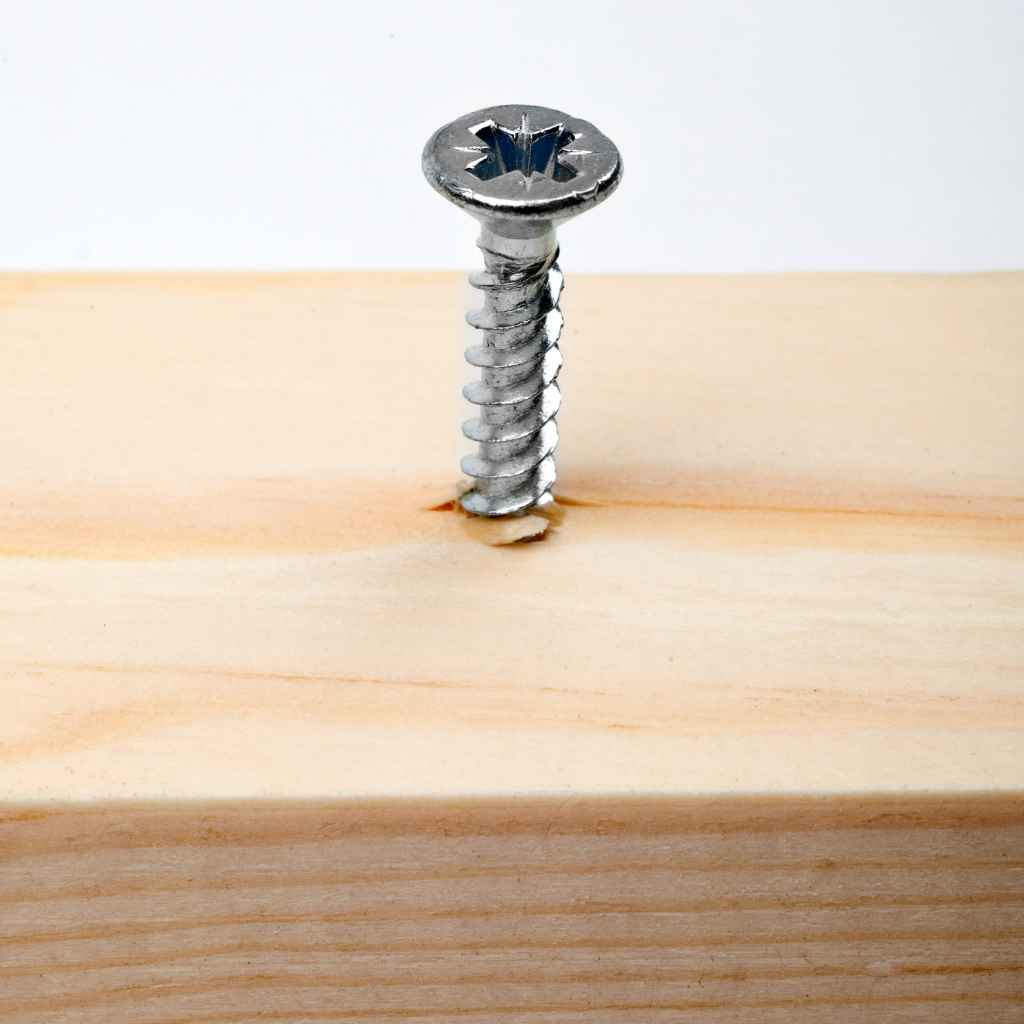
What makes them special? First, they have a coarser thread. This means the ridges on the screw are farther apart.
Those wider gaps are perfect for grabbing onto wood. They’re also designed to create their own hole, called a pilot hole, as they go in. This helps prevent the wood from splitting, which is a common problem.
Another key feature is the tapered shank. This is the part of the screw just below the head. It gets a little wider as it goes down.
This taper helps pull the pieces of wood together tightly. It makes for a strong joint.
The head of a wood screw is usually designed to sit flush with the surface of the wood. This gives a nice, clean look. You’ll find them in different shapes, like flat heads, round heads, or pan heads.
Flat heads are great when you want the screw to disappear below the surface. Round or pan heads sit on top.
When you’re building a deck, putting together furniture, or hanging shelves, wood screws are your go-to. They’re made for that specific job of holding wood to wood.
Now, Let’s Talk About Metal Screws
Metal screws are a whole different ballgame. Their job is usually to join pieces of metal together. Or, they might go through metal and into something else, like wood or plastic.
They need to be tough and precise.
Unlike wood screws, metal screws often have finer threads. This means the ridges are closer together. This close spacing is good for gripping metal, which is much harder and denser than wood.
The finer threads create a stronger hold in metal.
Many metal screws are also designed to work with a pre-tapped hole or a nut. This means someone has already made a hole in the metal that has threads inside it. Or, a nut is placed on the other side.
The metal screw then screws into these existing threads or into the nut. This is a very secure way to join things.
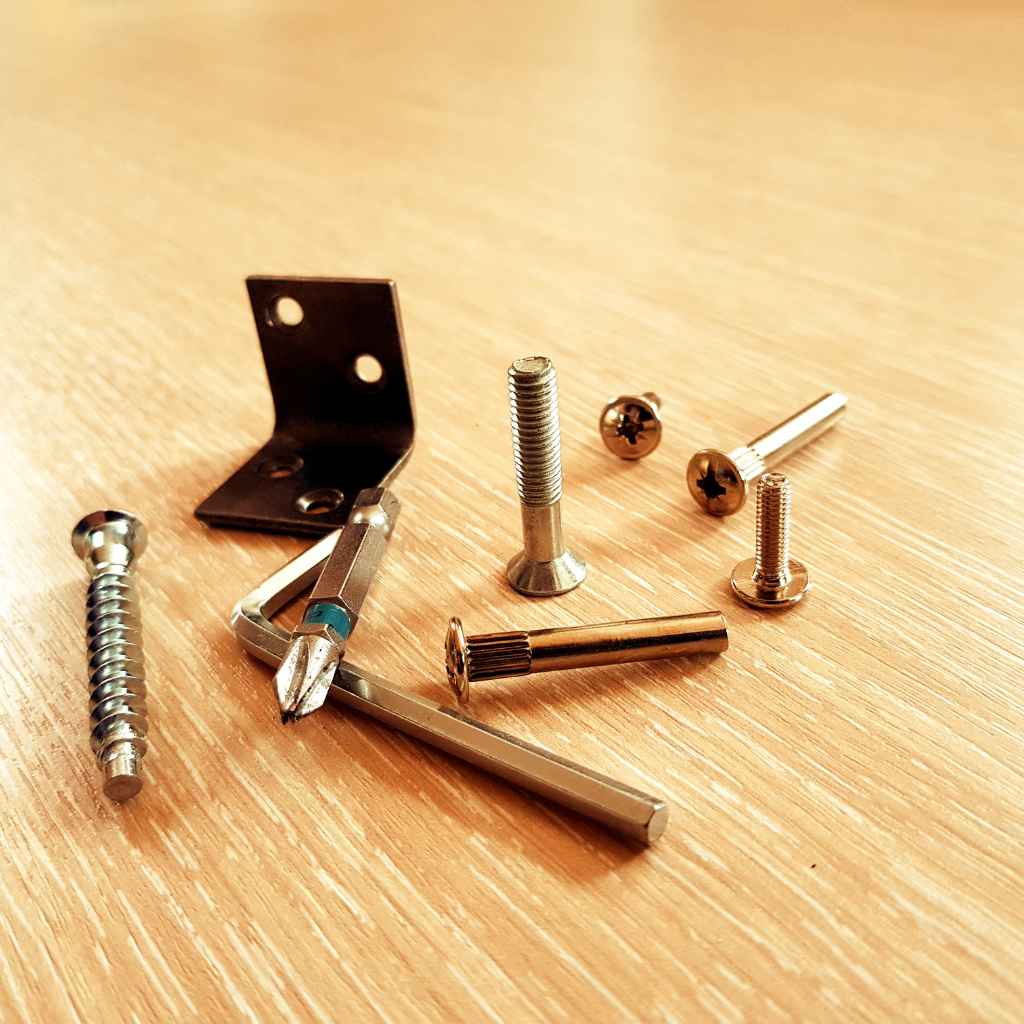
You’ll also find metal screws that are called machine screws. These have a uniform diameter along their entire length. They don’t have that tapered shank you see on wood screws.
This is because they don’t need to pull wood together. They just need to thread into something else.
Metal screws often have very specific head types. These are designed to fit into particular tools or to create a certain look. Hex heads, socket heads, and pan heads are common.
Some metal screws even have special tips, like self-drilling tips. These can actually drill their own hole in thin metal.
Think about building a car, assembling appliances, or putting up metal framing. That’s where metal screws shine. They’re built for the strength and precision needed when working with metal.
The Core Differences in a Nutshell
Let’s get straight to the point. What truly sets a wood screw and a metal screw apart? It’s their design, and that design is all about what they’re meant to hold.
Threads: This is a big one. Wood screws have wide, coarse threads. This helps them grip wood fibers and prevents splitting.
Metal screws usually have finer, closer threads. This is for a strong hold in harder materials like metal. It also works well with nuts and pre-tapped holes.
Shank: Wood screws often have a tapered shank. This helps them pull two pieces of wood together for a tight fit. Metal screws typically have a straight, uniform shank.
They don’t need to pull wood; they just need to thread into metal or a nut.
Pilot Holes: Wood screws are designed to make their own pilot hole in wood as they go in. Metal screws often require a pre-drilled hole. Sometimes, these holes are even tapped with threads beforehand.
Material: Both are usually made of metal, but the alloys and coatings can differ. Wood screws might be softer steel or brass. Metal screws are often hardened steel or stainless steel for extra strength.
Some wood screws have coatings to prevent rust, especially for outdoor use.
Head Types: While there’s overlap, the common head types can hint at their use. Flat head wood screws are common for countersinking. Machine screws often have hex or socket heads for better torque when fastening into metal.
Understanding these differences is like having a secret map to the hardware store. You know what you’re looking for and why.
My Own “Oh No!” Screw Moment
I remember a time early on in my DIY journey. I was trying to build a simple bookshelf for my home office. I had these beautiful pieces of pine, all cut and ready to go.
I grabbed a box of screws from my junk drawer, figuring screws were just screws. They looked pretty strong, with sharp points.
I started screwing the sides to the shelves. Everything seemed okay at first. But as I put more screws in, I noticed something weird.
The wood was starting to crack around the screw heads. On one piece, a whole chunk even split off. My bookshelf was looking less like furniture and more like a puzzle with broken pieces.
My heart sank. I’d spent hours cutting and sanding. Now it looked like I’d ruined it.
I remember feeling that flush of heat, that mix of frustration and embarrassment. What went wrong? I was using screws that were meant for metal.
They had fine threads that just tore through the soft wood fibers instead of gripping them. They also didn’t have that nice tapered shape to pull things together. They were just forcing their way through.
That day taught me a valuable lesson. The right screw isn’t just about holding things together; it’s about holding them together properly. It’s about respecting the material you’re working with.
After that, I learned to always check the packaging and know the difference. It saved me a lot of headaches and split wood.
Wood Screw vs. Metal Screw: Quick Comparison
Wood Screws:
- Coarse threads
- Tapered shank
- Grip wood fibers
- Prevent splitting
- Often self-tapping in wood
Metal Screws:
- Fine threads
- Straight shank
- Thread into metal or with nuts
- Need pre-drilled holes
- Often require tapping
When to Use What: Real-World Scenarios
Knowing the difference is great, but seeing it in action makes it stick. Let’s look at some common situations where you’ll pick one over the other.
Woodworking Projects
This is the wood screw’s home turf. Any project where you’re joining solid wood, plywood, or particleboard is a good candidate for wood screws. Think about:
- Building decks and fences.
- Assembling cabinets and furniture.
- Hanging picture frames or mirrors on a wall (into studs).
- Creating custom shelving units.
- Any general carpentry work.
Using a wood screw here means you get a strong, reliable connection. The wood won’t pull apart easily. And you avoid that frustrating splitting that can ruin your project’s look.
Metal Fabrication and Assembly
When you’re working with metal, you need metal screws. This includes:
- Assembling metal furniture or equipment.
- Attaching metal parts to machinery.
- Working with ductwork or metal framing.
- Repairing appliances that have metal casings.
- Installing metal railings.
These screws need to bite into metal or thread into pre-existing holes. Their fine threads and strong material ensure a secure bond that won’t loosen under stress or vibration.
Mixed Materials
What if you’re joining metal to wood? Or plastic to metal? This is where things can get a little more nuanced.
Sometimes, a specific type of screw is designed for this. For example:
Self-tapping metal screws: These can drill their own hole and create threads in thin metal or sometimes even hard plastics. If you’re attaching a metal bracket to a wooden stud, a strong wood screw might work best. If you’re attaching a metal plate to a concrete wall, you’d need a screw with a plastic anchor.
Sheet metal screws: These are a type of metal screw. They have fine threads and a sharp point. They’re great for joining thin pieces of sheet metal.
You might also use them to attach metal flashing to wood.
Deck screws: These are a specialized type of wood screw. They are often coated to resist rust and corrosion, making them perfect for outdoor wood projects. They have coarse threads and a strong grip.
Some might have features that help them drive into treated lumber without splitting.
The key is to look at the primary material being fastened into. If it’s metal, lean towards metal screws. If it’s wood, lean towards wood screws.
For mixed materials, consider screws specifically designed for that combination.
Material Matters: A Simple Guide
Fastening Into Wood: Use Wood Screws
- Projects: Furniture, decks, framing, shelves.
- Why: Coarse threads grip wood fibers.
Fastening Into Metal: Use Metal Screws
- Projects: Machinery, metal frames, appliances.
- Why: Fine threads engage metal or nuts.
Mixed Materials: Consider Specialized Screws
- Examples: Sheet metal screws, self-tapping screws.
- Check: What material is the primary holding surface?
Understanding Screw Head Types and Drives
Beyond the threads and shank, the head and the drive system of a screw are also important. These affect how you install the screw and how it looks when it’s in place.
Head Styles
The head is the part that sits on the surface. Different shapes serve different purposes:
- Flat Head: Designed to sit flush with the surface. You’ll often countersink them so they’re level or below the material. This is great for a smooth finish.
- Round Head: Sits on top of the surface. It provides a decorative look and can help hold down looser materials.
- Pan Head: Similar to a round head but with a flat bearing surface underneath. This makes it a bit more secure when it sits on the material.
- Oval Head: A decorative style that’s countersunk like a flat head but has a rounded top surface for a slightly more finished look.
- Hex Head: Has a hexagonal shape. These are usually driven with a socket wrench or a nut driver, offering more torque. Common on metal screws.
- Washer Head: The head has a built-in washer. This distributes the holding power over a larger area, preventing the screw from pulling through soft materials.
Drive Types
The drive is the slot or recess on the head where you put your screwdriver or drill bit. The type of drive affects how easily the tool engages and how likely the bit is to slip:
- Phillips Head: The classic cross shape. Very common. Can sometimes cam out (slip) under high torque.
- Slotted Head: A single straight slot. Older style, can also slip easily.
- Torx (Star) Head: A six-pointed star shape. Offers excellent grip and resists cam-out much better than Phillips.
- Square (Robertson) Head: A square-shaped recess. Very popular in Canada. Also offers good grip.
- Hex Socket (Allen): A hexagonal recess. Driven with an Allen wrench. Often found on furniture and machinery.
Choosing the right drive means the job will be easier and less frustrating. For high-torque applications or when working with softer materials, a Torx or Square drive is often a better choice than a Phillips.
Drive Types at a Glance
- Phillips: Common, but can slip.
- Slotted: Older style, slips easily.
- Torx (Star): Great grip, resists slipping.
- Square (Robertson): Good grip, secure.
- Hex Socket (Allen): Used with Allen wrench, strong hold.
When Is a Screw Not Just a Screw? Special Types
The world of screws is vast. Beyond the basic wood vs. metal, there are specialized screws designed for very specific tasks.
Understanding these can save you time and prevent problems.
Lag Screws (or Lag Bolts)
These are essentially very large, heavy-duty wood screws. They have coarse threads and are designed for structural wood connections. Think about attaching a deck ledger board to a house frame or building heavy timber structures.
They usually have a hex head that you drive with a wrench.
Drywall Screws
These look like wood screws but have specific features. They have sharp points and coarse threads designed to grip into drywall and the underlying metal or wood studs. They also have bugle-shaped heads that sink into the drywall paper without tearing it, creating a smooth surface for mudding.
Cabinet Screws
These are often designed to go through the back of a cabinet and into the adjoining cabinet or frame. They usually have a washer head to prevent the screw from pulling through the cabinet material and a specific thread pattern for wood.
Concrete Screws (Tapcon®)
These are special screws for fastening into concrete or masonry. You drill a specific size pilot hole, and then the screw cuts its own threads into the concrete. They have a hardened steel construction and often a blue coating.
Set Screws
These are headless screws. They are typically used to secure a collar or pulley to a shaft. You tighten them against the shaft, and their point digs in to prevent movement.
Knowing these specialized types means you won’t try to use a drywall screw to build a deck or a lag screw to hang a picture frame. Each has its purpose.
Specialty Screws: What They Do
Lag Screws: Heavy-duty wood construction.
Drywall Screws: For hanging drywall on studs.
Cabinet Screws: Joining cabinets securely.
Concrete Screws: Fastening into masonry.
Set Screws: Securing shafts and collars.
What This Means for Your Projects
So, what’s the takeaway? How does all this knowledge impact your next DIY project or repair job?
When It’s Totally Normal
It’s perfectly normal to feel a bit overwhelmed by screw choices at first. The hardware store is a big place! Also, it’s normal to find yourself reaching for a “general purpose” screw if you’re in a pinch.
However, understanding the basics helps you make better choices.
It’s also normal for a wood screw to work okay in a piece of soft plastic, or for a metal screw to hold in a very dense piece of hardwood. But these are exceptions. When you use the right screw, your results will be much better and more reliable.
When to Start Worrying (Slightly!)
You might start to worry if your projects are consistently failing. Are your joints weak? Are screws constantly stripping out?
Is wood splitting more than it should? These are signs that you might be using the wrong fasteners for the job.
If you’re trying to screw into metal and the screw just spins or doesn’t bite, that’s a clear indicator you need a different type of screw, or perhaps a pre-tapped hole or a nut. Likewise, if you’re building something out of hardwood and your wood screws are struggling to get a good grip, you might need pilot holes drilled correctly or a different screw type.
Simple Checks You Can Do
Before you start screwing, take a moment to look at the screw and the material.
- Feel the threads: Are they widely spaced and deep (wood)? Or are they fine and close together (metal)?
- Look at the shank: Is it straight and uniform (metal)? Or does it get wider below the head (wood)?
- Consider the material you’re screwing into: Is it soft wood, hard wood, plywood, metal, plastic, or masonry?
- What are you screwing into: Are you going into a solid piece of material, or are you using a nut or a pre-tapped hole on the other side?
These quick checks can save you a lot of time and frustration. When in doubt, it’s always best to ask for advice at the hardware store or do a quick search for the best fastener for your specific material and application.
Quick Tips for Screw Success
Getting screws to work right is about more than just picking the right type. Here are a few tips that can make a big difference:
- Pilot Holes are Your Friend: For wood, especially hardwoods or when screwing near the edge, drilling a pilot hole is crucial. It guides the screw and prevents splitting. The size of the pilot hole matters. For wood screws, it’s usually a bit smaller than the screw’s main diameter.
- Don’t Overtighten: This is especially true for wood. Overtightening can strip the threads in the wood, making the joint weak. It can also strip the head of the screw if you’re using a powered driver. Stop when the screw head is snug and flush (or as intended).
- Use the Right Driver Bit: Make sure your screwdriver or drill bit fits snugly into the screw head’s drive. A loose-fitting bit will strip the screw head quickly, making it hard to drive or remove.
- Consider the Environment: If your project is outdoors or in a humid area, use screws designed for exterior use. These are usually made of stainless steel or have protective coatings to prevent rust and corrosion.
- Match Screw Length: You want enough threads engaged for a strong hold, but not so much that the screw pokes through the other side unless that’s intended. For joining two pieces of wood, the screw should go through the first piece and into the second piece by at least half the thickness of the second piece.
Your Screw Success Checklist
- Pilot Holes: Drill them when needed.
- Overtighten: Avoid it!
- Driver Bit: Match it to the screw head.
- Environment: Use outdoor-rated screws if necessary.
- Length: Ensure proper thread engagement.
Frequently Asked Questions About Wood Screws vs. Metal Screws
Can I use a wood screw in metal?
Generally, no. Wood screws have coarse threads designed for wood fibers. In metal, these threads won’t grip well, and the screw might strip the hole or simply not hold securely.
Metal screws have finer threads that are meant for metal or use with nuts.
Can I use a metal screw in wood?
Sometimes, but it’s usually not ideal. Metal screws have fine threads that don’t grip wood fibers as effectively as wood screws. They can also be more prone to splitting wood if a pilot hole isn’t used.
For most wood applications, a wood screw is the better choice.
What is the difference between a wood screw and a machine screw?
A wood screw has a tapered shank and coarse threads designed to bite into wood. A machine screw has a straight shank and fine threads, meant to be used with a pre-tapped hole or a nut in metal or plastic applications.
Are deck screws wood screws or metal screws?
Deck screws are a type of specialized wood screw. They have coarse threads for strong grip in wood, but they also have protective coatings (like ceramic or stainless steel) to resist rust and corrosion from outdoor weather and treated lumber.
Do I need a pilot hole for every screw?
For wood screws, pilot holes are recommended for hardwoods, when screwing near the edge of a board, or when using larger screws to prevent splitting. For metal screws, pilot holes are almost always required, and sometimes they need to be tapped for threads.
What does “self-tapping” mean for a screw?
A self-tapping screw can create its own threads as it’s driven into a material. Many metal screws, especially sheet metal screws and certain types of concrete screws, are self-tapping. This means you don’t need to pre-tap the hole.
Are all screws made of steel?
Most common screws are made of steel, but the type of steel and any coatings can vary widely. Some screws are made of stainless steel for rust resistance, brass for aesthetics or corrosion resistance, or aluminum. Hardened steel is often used for metal screws needing extra strength.
Bringing It All Together
Navigating the world of screws doesn’t have to be a mystery. Wood screws and metal screws have distinct designs for distinct jobs. Understanding their threads, shanks, and intended uses is key to strong, lasting projects.
So next time you’re at the store, take a closer look. You’ll see that each screw has a story to tell about where it belongs. Happy fastening!
Sponsored / affiliate links. As an Amazon Associate I earn from qualifying purchases. I may earn additional commission from eligible campaigns.