How to Decorate Living Room Wood Paneling
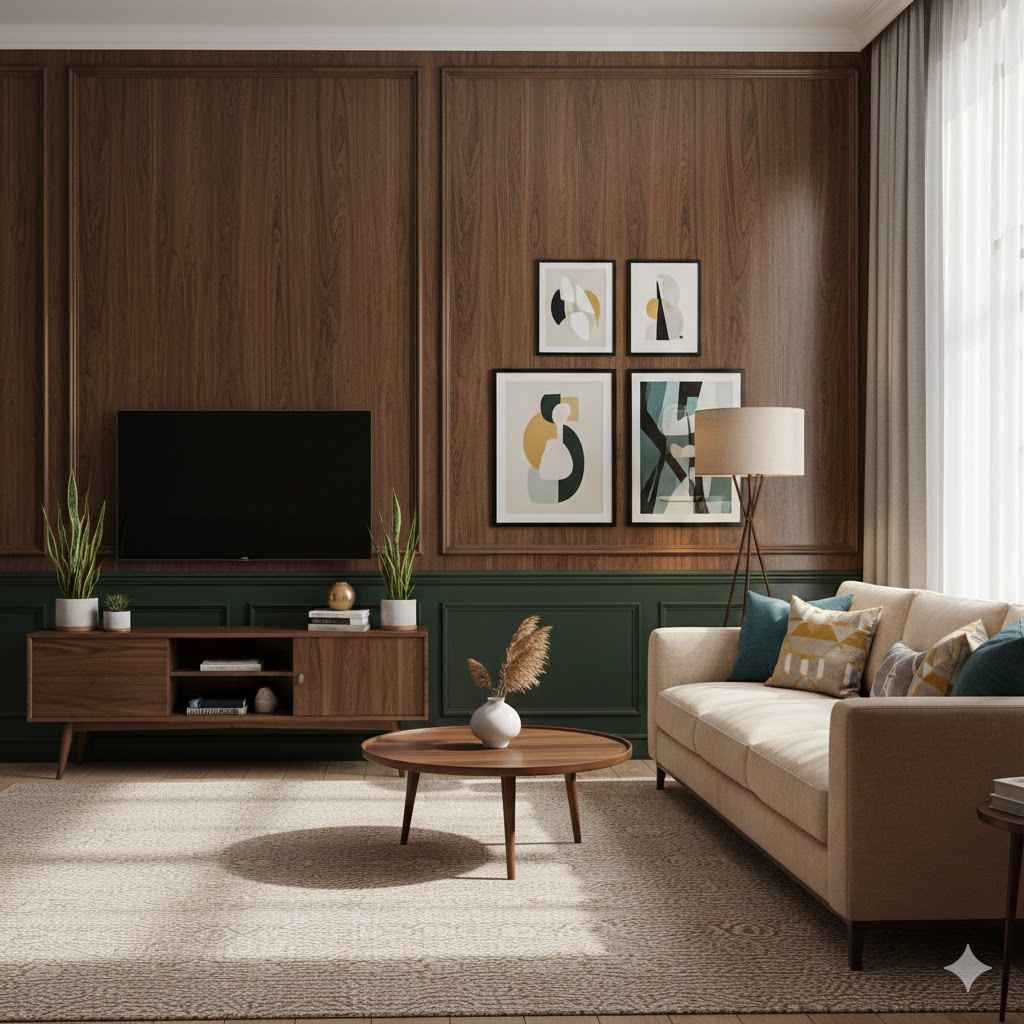
Decorating a living room with wood paneling can feel tricky at first. Many people wonder how to make it look modern and fresh instead of dark or dated. It’s a common question for homeowners who want to update this classic feature.
But don’t worry! We’ll walk you through it step-by-step. This guide will show you simple ways to make your wood-paneled living room shine.
Let’s get started by looking at the basics.
Making Wood Paneling Work In Your Living Room
Wood paneling has been a popular choice for living rooms for many years. It can add a lot of warmth and character to a space. However, it can also make a room feel a bit dark or old-fashioned if not styled correctly.
This section will explore how to embrace the wood paneling you have and make it a beautiful part of your home. We will cover how to assess your current paneling and what to consider before you start decorating.
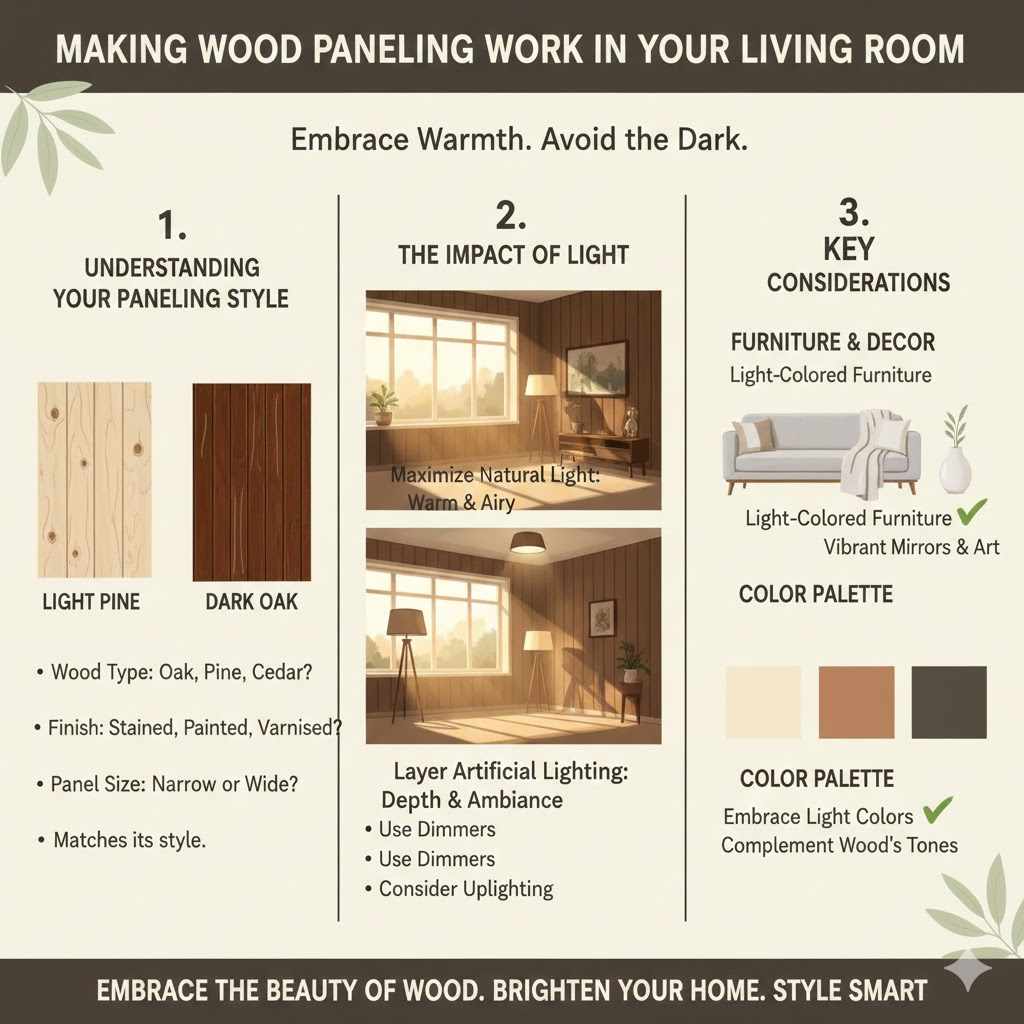
Understanding Your Wood Paneling Style
Not all wood paneling is the same. The type of wood, the finish, and the size of the panels all play a big role in how they look and feel. Understanding these details helps you choose the best decorating approach.
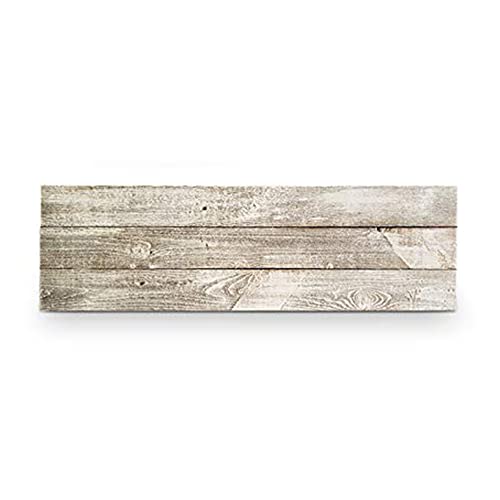
Some paneling is made of thin, lightweight wood that might be painted or stained. Other types are thicker, more solid wood, often with a richer, deeper color. The style can range from narrow, shiplap-like boards to wide, rustic planks.
Knowing your paneling’s specific characteristics is the first step to decorating successfully.
This detailed look helps you see what you’re working with. It’s like getting to know a new friend before planning a party. You want to highlight its best features.
For example, if you have dark, heavy oak panels, you might want to bring in lighter colors and textures to balance the weight. If your paneling is a lighter pine, you might lean into a more natural or Scandinavian feel.
Key Considerations for Your Paneling:
- Wood Type: Is it oak, pine, cedar, or something else? Different woods have different colors and grain patterns. Oak is often darker and richer, while pine can be lighter and have more knots.
- Finish: Is the wood stained, painted, varnished, or left natural? The finish significantly impacts the color and sheen. A high-gloss varnish will reflect more light than a matte stain.
- Panel Size: Are they narrow strips, wider planks, or large sheets? The size of the panels affects the overall visual texture and scale of the room.
Learning about your wood paneling helps you make smart choices. It prevents decorating mistakes. You can work with its natural beauty instead of against it.
The Impact of Light on Wood Paneling
Light is a designer’s best friend, especially when dealing with wood paneling. It can make a dark room feel airy or highlight the wood’s rich tones. How much natural light your living room gets and how you use artificial lighting will change how the paneling looks.
Rooms with lots of windows can handle darker paneling better. The natural light helps to brighten things up. In rooms with less natural light, you’ll want to be more strategic.
This might mean using lighter colors in your decor or ensuring you have plenty of good lighting sources.
Consider the direction your windows face. South-facing rooms get bright, direct sunlight for most of the day, which can make wood appear warmer. North-facing rooms have cooler, indirect light, which might make dark wood look even darker.
Artificial lighting is just as important. Think about different types of lights. You have ambient lighting (like ceiling lights), task lighting (like reading lamps), and accent lighting (like picture lights).
Using a mix of these can create different moods and highlight the paneling’s texture.
For instance, strategically placed spotlights can draw attention to the wood grain. Dimmers are also a great idea. They let you control the light level and mood.
You can dim them for a cozy evening or brighten them for daytime activities.
A study showed that rooms with good lighting are perceived as larger and more welcoming. This is especially true for rooms with unique features like wood paneling. Proper lighting can transform a potentially gloomy space into a cozy haven.
Lighting Strategies for Wood Paneling:
- Maximize Natural Light: Keep windows clear of heavy drapes. Use sheer curtains if privacy is needed. Clean your windows regularly to let in as much light as possible.
- Layer Artificial Lighting: Combine overhead lights, floor lamps, and table lamps to create depth and warmth. Avoid relying on a single light source.
- Use Dimmers: Dimmers allow you to adjust the brightness and create different moods. They are excellent for controlling the overall ambiance of the room.
- Consider Uplighting: Placing lights that shine upwards can highlight the texture and height of the paneling, making the room feel more grand.
Smart lighting choices can completely change the feel of a wood-paneled living room. They make the wood look its best.
Decorating Ideas for Wood Paneled Living Rooms
Now that we understand the basics of wood paneling and light, let’s get to the fun part: decorating! This section will give you practical ideas for choosing furniture, colors, and accessories to create a beautiful and inviting living room with wood paneling. We aim to show you how to make your space feel current and stylish.
Choosing the Right Color Palette
The colors you choose for your walls, furniture, and decor will make a huge difference in how your wood-paneled living room feels. You can either complement the wood tones or create a striking contrast. Both can look amazing!
If you want a cozy, traditional feel, stick with warm colors. Think deep reds, earthy browns, or golden yellows. These colors work well with the natural warmth of wood.
For a more modern and airy look, opt for lighter, cooler colors. Whites, creams, light grays, and soft blues can beautifully balance the richness of wood paneling. They make the room feel brighter and more open.
Consider painting one or two walls in a contrasting color to break up large areas of wood. This can add visual interest without overwhelming the space. A soft sage green or a muted teal can look stunning against natural wood.
When picking colors, look at the undertones of your wood. Does it have more red, yellow, or brown? Matching complementary colors will create harmony.
Contrasting colors will make the wood pop.
A professional interior designer notes that a balanced color scheme is key. For example, if your paneling is medium-brown, consider a light gray for upholstery and white for trim. This creates a sophisticated contrast.
Color Palette Suggestions:
- Warm & Cozy: Creamy whites, soft beige, muted olive green, terracotta accents. This combination enhances the natural warmth of wood paneling, creating an inviting atmosphere.
- Modern & Bright: Crisp white, light gray, soft blues, black accents. These cooler tones provide a clean contrast, making the wood feel less dominant and the room feel more spacious.
- Bold Contrast: Deep navy blue, emerald green, charcoal gray on accent walls or large furniture pieces. This approach makes the wood stand out and adds a dramatic flair.
Choosing colors is like picking the right outfit. It shows off the best features of your wood paneling.
Furniture Selection and Placement
The furniture you choose and how you arrange it is vital for making a wood-paneled living room functional and stylish. You want pieces that complement the wood’s texture and color, not compete with it.
For a classic look, consider furniture with clean lines and natural materials. Think leather sofas, wooden chairs, and woven accent pieces. These materials echo the wood paneling and create a cohesive feel.
If your paneling is rustic or has a strong grain, you might opt for simpler furniture shapes to avoid a cluttered look. Conversely, if the paneling is more subtle, you could choose furniture with more intricate details.
Placement is also important. Arrange your furniture to create conversation areas. Ensure there’s enough space to move around comfortably.
Avoid blocking natural light sources like windows.
Consider the scale of your furniture relative to the room. Large, bulky furniture can make a wood-paneled room feel smaller. Lighter-looking pieces or those with legs can help create a sense of openness.
For example, a dark wood-paneled room might benefit from a light-colored sectional sofa to act as a focal point. Add a sleek, minimalist coffee table. This balances the wood’s heaviness.
A furniture expert suggests that contrasting textures can add depth. Imagine a plush velvet armchair against a rough wood wall. This creates visual interest.
Tips for Furniture:
- Mix Materials: Combine wood furniture with upholstered pieces, metal accents, or glass. This adds variety and prevents the room from feeling too one-dimensional.
- Consider Scale: Choose furniture that fits the room’s size. Avoid oversized pieces in small rooms or overly delicate pieces in large spaces.
- Create Zones: Arrange furniture to define specific areas, such as a seating area, a reading nook, or a space for entertainment.
- Upholstery Choices: Opt for fabrics like linen, cotton, or wool in neutral or complementary colors. Leather also pairs well with wood.
Smart furniture choices can make your wood-paneled living room feel both comfortable and chic.
Adding Texture and Accents
To make a wood-paneled living room truly inviting, you need to add layers of texture and carefully chosen accents. These details bring life and personality to the space, preventing it from feeling flat or incomplete.
Think about soft textiles. Plush rugs, cozy throw blankets, and decorative pillows can add warmth and comfort. These elements provide a contrast to the hard surface of the wood.
Artwork and decorative objects are also key. Choose pieces that either echo the wood’s tones or provide a vibrant pop of color. Abstract art, landscape paintings, or even a gallery wall of framed photos can liven up the space.
Mirrors can work wonders in a wood-paneled room. They reflect light and create the illusion of more space. Place a large mirror opposite a window to maximize its effect.
Green plants are always a good idea. They bring a natural element that complements the wood. Choose plants that thrive in your living room’s light conditions.
Consider the finishes of your decor. Metallic accents like brass, gold, or brushed nickel can add a touch of elegance and shine. Matte finishes can provide a more subdued, sophisticated look.
For example, a dark wood-paneled room could be softened with a chunky knit throw blanket in a cream color and a few ceramic vases in soft earth tones. These items add a tactile quality.
A design trend report highlights the increasing use of natural textures. Jute rugs, rattan baskets, and linen curtains are popular choices that pair well with wood.
Accent Ideas:
- Textile Layers: Incorporate rugs, pillows, and throws with different textures like knits, faux fur, or woven fabrics. These add comfort and visual interest.
- Wall Decor: Hang artwork, mirrors, or decorative wall hangings. Choose pieces that either complement the wood’s color or provide a striking contrast.
- Greenery: Add houseplants to bring life and color into the space. Consider hanging plants or floor plants for added visual appeal.
- Metallic Accents: Use accessories in brass, gold, or copper to add a touch of glamour and reflect light.
These thoughtful touches transform a wood-paneled living room from simply a room with wood walls into a beautiful, personalized sanctuary.
Transforming Dated Paneling
Sometimes, wood paneling can feel outdated. This section focuses on how to refresh or update existing paneling to fit a more modern aesthetic. We’ll explore different techniques from cleaning and refinishing to painting.
Cleaning and Refinishing Wood Paneling
Before you consider any major changes, a thorough cleaning and refinishing can work wonders. Many old panels just need a little TLC to bring back their natural beauty. This is often the most cost-effective way to update them.
Start by dusting the panels thoroughly. Use a soft brush or a vacuum cleaner with a brush attachment. Then, use a wood cleaner specifically designed for finished wood.
Test it in an inconspicuous area first to ensure it doesn’t damage the finish.
For stubborn grime or wax buildup, you might need a mild solvent. Always work with good ventilation. After cleaning, if the finish is dull or scratched, you can apply a new coat of furniture polish or wax.
This will restore the sheen and protect the wood.
If the finish is significantly damaged, you might consider sanding and re-staining. This is a more involved process. You’ll need to remove the old finish completely.
Then, you can apply a new stain color. Choose a color that fits your desired look. Lightening the stain can make a big difference.
A woodworking expert suggests that using a pre-stain wood conditioner can help achieve a more even stain color, especially on soft woods like pine. It helps the wood absorb the stain uniformly.
Refinishing Steps:
- Deep Clean: Remove all dust and grime. Use a wood cleaner that is suitable for your paneling’s finish.
- Assess Finish: Check for scratches, dullness, or water damage. Minor issues can often be fixed with polish or wax.
- Sanding (if needed): For significant damage, lightly sand the wood to remove the old finish. Use fine-grit sandpaper.
- Re-stain or Re-seal: Apply a new stain in your desired color. Once dry, apply a protective sealant like polyurethane or a clear varnish.
Bringing your wood paneling back to life can create a stunning foundation for your decor.
Painting Wood Paneling
Painting wood paneling is a popular and effective way to dramatically change the look of a room. It’s a great option when refinishing isn’t enough or when you want a completely different style. White or light-colored paint is especially effective at modernizing paneling.
The key to a successful paint job is proper preparation. First, clean the panels thoroughly. Then, you’ll need to sand them lightly to create a surface that the primer and paint can adhere to.
After sanding, wipe away all dust.
Next, apply a high-quality primer. A good primer is essential for blocking wood stains and ensuring even coverage. Look for a primer designed for wood or for blocking knots and tannins.
You might need two coats of primer, especially if the wood is very dark.
Once the primer is dry, you can apply your chosen paint color. Many people opt for matte or eggshell finishes for a sophisticated look. For a more modern feel, consider a semi-gloss finish, particularly on trim.
You can paint the entire room or choose to paint only certain sections. Painting the panels white and leaving the trim wood can create a beautiful contrast. Alternatively, you can paint the panels and the trim the same color for a seamless, contemporary look.
A survey of home renovators found that painting wood paneling is one of the most transformative DIY projects. It can increase a home’s appeal significantly.
Painting Process:
- Clean and Prep: Thoroughly clean the wood. Sand lightly and wipe down all dust to ensure adhesion.
- Prime Thoroughly: Apply at least one to two coats of a good quality wood primer. This seals the wood and prevents stains from bleeding through.
- Paint: Apply your chosen paint color. Use multiple thin coats rather than one thick coat for a smoother finish.
- Top Coat (Optional): For added durability, especially in high-traffic areas, consider a clear topcoat or a paint with a built-in protective finish.
Painting is a powerful tool for updating wood paneling. It allows for a complete style overhaul.
Creative Treatments Beyond Painting
If painting feels too permanent or you’re looking for something a little different, there are other creative treatments you can explore for your wood paneling. These options can add unique character and style without completely covering the wood’s natural beauty.
One popular option is whitewashing. This technique involves applying a diluted white paint or a special whitewash product to the wood. It allows some of the wood grain and color to show through, creating a soft, airy, and rustic look.
It’s a great way to lighten dark paneling while still preserving some of its natural charm.
Another approach is staining with a lighter, more contemporary color. Instead of dark, rich stains, consider a light gray, a natural blonde, or even a subtle colored stain. This can refresh the wood without completely changing its texture.
You can also use a pickling stain, which removes color from the wood.
For a more dramatic transformation, you could consider a limewash. Limewash is a natural mineral paint that creates a beautiful, textured, matte finish. It has a soft, slightly uneven appearance that can look very sophisticated and organic on wood paneling.
You could also consider a technique called “cerusing” for a more defined grain effect, especially on hardwoods. This involves filling the wood grain with a contrasting color paste, which highlights the natural patterns of the wood. This gives a more dimensional and artistic look.
For those who love a DIY challenge, applying a wood veneer over existing paneling can also update the look. This allows you to choose a completely new wood species or pattern. However, this is a more advanced technique.
A home decor blog recently featured a living room with whitewashed paneling. The article highlighted how it created a bright, coastal feel, proving that creative treatments can dramatically alter a room’s atmosphere.
Creative Treatments:
- Whitewashing: Apply a diluted white paint or whitewash solution. This lightens the wood while letting the grain show through for a rustic feel.
- Lighter Stains: Use gray, blonde, or colored wood stains to update the color without losing the wood’s texture.
- Limewash: This mineral-based paint provides a soft, textured, matte finish that looks organic and refined on wood.
- Cerusing: For hardwoods, fill the grain with a contrasting color paste to highlight the wood’s natural patterns for an artistic effect.
These methods offer flexible ways to update wood paneling, catering to various design preferences and skill levels.
Styling Around Wood Paneling
Once your wood paneling is in place and perhaps updated, the next step is styling. This is where you bring your personal touch to the space. This section will cover how to style shelves, choose window treatments, and add decorative elements that enhance your wood-paneled living room.
Shelf Styling and Display
Shelves are a fantastic way to add personality and functionality to a wood-paneled living room. They provide a surface for displaying decor, books, and personal items. How you style them can significantly impact the overall feel of the room.
When styling shelves against wood paneling, consider the principle of balance. If your paneling is dark and rich, use lighter-colored objects or those with a reflective surface on your shelves to create contrast. This prevents the shelves from looking too heavy against the wood.
Group items in odd numbers, like three or five. This is generally more visually appealing. Vary the height and shape of your displayed items to create interest.
Mix books with decorative objects like vases, sculptures, or framed photos.
Don’t be afraid to mix materials. Wood frames, ceramic pieces, metal accents, and glass items all work well together. This adds texture and depth to your display.
Leave some empty space on your shelves. This is known as “negative space” and it allows each item to stand out. Overcrowded shelves can make the room feel cluttered.
For example, on a dark wood-paneled wall, a shelf could feature a stack of lighter-colored books, a small green plant in a white pot, and a metallic accent piece like a brass candlestick. This creates a balanced and inviting display.
A popular interior design blog suggests “rule of thirds” for shelf styling, which means dividing your shelf space into thirds and placing items strategically within those areas. This creates a pleasing composition.
Shelf Styling Tips:
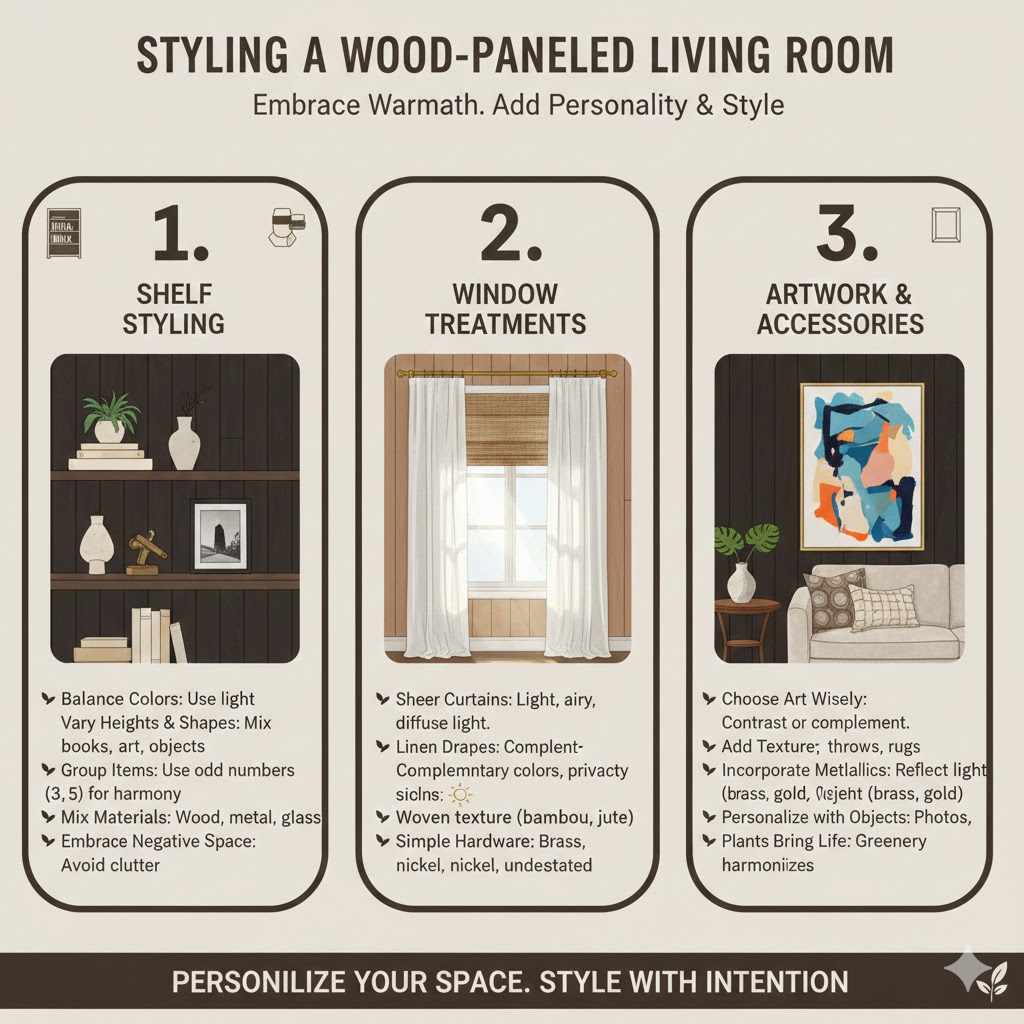
- Balance Colors: Use lighter-colored decor or items with reflective surfaces to contrast with darker wood paneling.
- Vary Heights and Shapes: Mix books, vases, sculptures, and framed items to create visual interest.
- Group Items: Display items in odd numbers (e.g., three or five) for a more harmonious look.
- Mix Materials: Combine wood, metal, glass, ceramic, and fabric items for texture and depth.
- Embrace Negative Space: Don’t overcrowd shelves. Allow some empty space for items to breathe and stand out.
Thoughtful shelf styling can turn a functional space into a beautiful display area that complements your wood-paneled walls.
Window Treatments for Wood Paneling
Choosing the right window treatments is crucial for managing light and adding softness to a room with wood paneling. They can either enhance the natural beauty of the wood or provide a necessary contrast.
For a light and airy feel, sheer curtains in neutral colors like white, cream, or light gray work wonderfully. They diffuse natural light and add a gentle texture without overwhelming the wood. Hanging them from a rod above the window frame can also make your ceilings appear higher.
If you prefer more privacy or light control, consider linen drapes or heavier cotton curtains. Opt for colors that complement your overall color scheme. For instance, a soft blue or a muted green can look beautiful against wood tones.
Roman shades or roller blinds offer a cleaner, more modern look. They can be made in a variety of fabrics and colors. A natural woven shade, like bamboo or jute, can add another layer of organic texture that pairs well with wood.
Avoid heavy, dark, or overly patterned treatments if your goal is to brighten the space. These can make the room feel darker and more enclosed.
Consider the hardware for your curtains or blinds. Simple, understated rods and brackets will let the wood paneling take center stage. For a touch of elegance, polished brass or brushed nickel hardware can add a sophisticated gleam.
A study on interior design trends found that natural fabrics like linen and cotton are increasingly popular for window treatments, especially in rooms with natural materials like wood. This creates a harmonious and organic feel.
Window Treatment Ideas:
- Sheer Curtains: Use light, airy fabrics in white, cream, or light gray to diffuse light and add softness.
- Linen or Cotton Drapes: Choose heavier fabrics in complementary colors for privacy and a touch of elegance.
- Woven Blinds: Natural materials like bamboo or jute add texture and a relaxed feel.
- Simple Hardware: Opt for understated curtain rods and brackets that don’t compete with the wood paneling.
Effective window treatments balance the warmth and texture of wood paneling with your desire for light, privacy, and style.
Incorporating Artwork and Accessories
Artwork and accessories are the finishing touches that truly personalize a wood-paneled living room. They are your chance to inject color, style, and your unique story into the space. The key is to choose pieces that enhance, rather than compete with, the wood.
When selecting artwork, consider the scale and color palette. Large abstract paintings can add a vibrant splash of color against a neutral wood background. Landscapes or nature-themed art can complement the natural elements of the wood paneling.
If you have dark paneling, consider lighter-colored artwork or pieces with a lot of white space. This will help the art stand out and prevent the wall from feeling too heavy. Conversely, if your paneling is light, you might opt for bolder, darker pieces.
Don’t forget decorative accessories. Vases, sculptures, decorative bowls, and accent pillows can add pops of color and texture. Choose items that reflect your personal style and interests.
Mixing and matching different materials like ceramic, glass, metal, and fabric can create visual interest.
Think about the theme or mood you want to create. If you’re going for a rustic feel, incorporate natural elements like driftwood, pottery, or woven baskets. For a more modern look, choose sleek metallic accessories or minimalist sculptures.
A graphic designer shared how they used bright, graphic prints against dark wood paneling in their home. This created a modern, artistic contrast that was visually striking.
Art and Accessory Tips:
- Choose Art Wisely: Select pieces that either complement the wood tones or provide a strong color contrast. Consider scale to fit the wall space.
- Add Texture: Use decorative pillows, throws, and rugs with different textures to add coziness and visual appeal.
- Incorporate Metallics: Brass, gold, or copper accents in picture frames, vases, or lamps can add warmth and reflect light.
- Personalize with Objects: Display items that have meaning to you, such as souvenirs, collectibles, or family photos.
- Plants Bring Life: Green plants add color and a natural element that harmonizes beautifully with wood.
By carefully selecting artwork and accessories, you can transform your wood-paneled living room into a stylish and inviting space that truly feels like home.
Frequently Asked Questions
Question: Can wood paneling look modern?
Answer: Yes, absolutely! With the right paint colors, furniture, and decor, wood paneling can look very modern. Painting it white or a light neutral is a popular way to achieve a contemporary look.
Choosing modern furniture and minimal decor also helps.
Question: Should I paint my wood paneling?
Answer: Painting is a great option if you want a dramatic change or if the paneling is in poor condition. However, if your wood paneling is beautiful and in good shape, refinishing or styling around it can also be very effective and preserve its natural charm.
Question: What colors go well with wood paneling?
Answer: Light neutrals like white, cream, and light gray offer a nice contrast and make the room feel brighter. Warm colors like deep reds or greens can create a cozy atmosphere. Blues and earth tones also work well to complement wood.
Question: How can I make a dark wood-paneled room feel brighter?
Answer: Maximize natural light by keeping windows clear. Use light colors for furniture, walls, and decor. Add plenty of artificial lighting, including floor lamps and table lamps.
Mirrors can also help reflect light.
Question: Is it difficult to update wood paneling yourself?
Answer: Cleaning and refinishing can be manageable DIY projects. Painting also can be done by beginners with good preparation. More complex treatments like veneer application may require more experience or professional help.
Summary
Decorating a living room with wood paneling offers many exciting possibilities. You can highlight its natural beauty with careful styling or transform it entirely with paint. By understanding your paneling, choosing the right colors, selecting appropriate furniture, and adding thoughtful accents, you can create a stylish and comfortable space.
Embrace the character of your wood-paneled walls and make them a beautiful feature of your home.