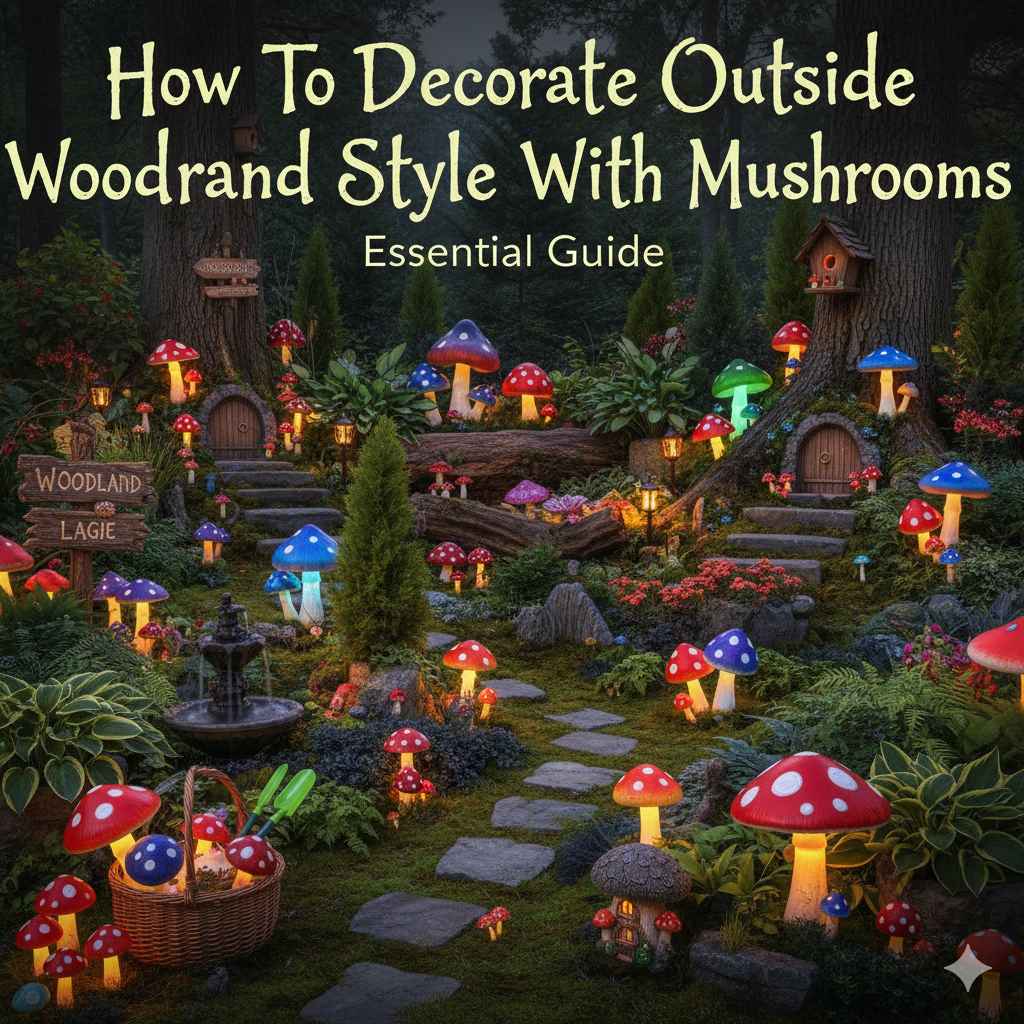
How To Decorate Outside Woodland Style With Mushrooms: Essential Guide
To decorate your outside space in the woodland style using mushrooms, you can use painted stepping stones, weather-resistant ceramic garden stakes, carved wood accents, or even faux moss-covered topiaries shaped like fungi. This guide simplifies material selection and placement techniques for a magical, earthy look that anyone can achieve safely.
Does your garden feel a little too tame? Are you dreaming of transforming your patio or backyard into a magical, mossy forest nook straight out of a fairy tale? Many homeowners love the cozy, enchanting feel of woodland décor, but incorporating those iconic forest mushrooms can seem tricky. You might worry about using real ones, or maybe you’re unsure how to make fake ones look natural and last outdoors.
Don’t worry! I’m Md Meraj, and I’ve walked many trails, both in the woods and in my workshop. Creating an enchanting woodland scene is easier than you think, even if you’ve never built anything bigger than a birdhouse. We will break down every step, from choosing the right, durable materials to placing them perfectly so they look like they grew right there.
This guide gives you the confidence to build a durable, charming, outdoor woodland wonderland. Let’s dive into how to select and install mushroom décor that withstands the weather and makes your garden smile!
Why Choose the Woodland Style for Your Outdoor Space?
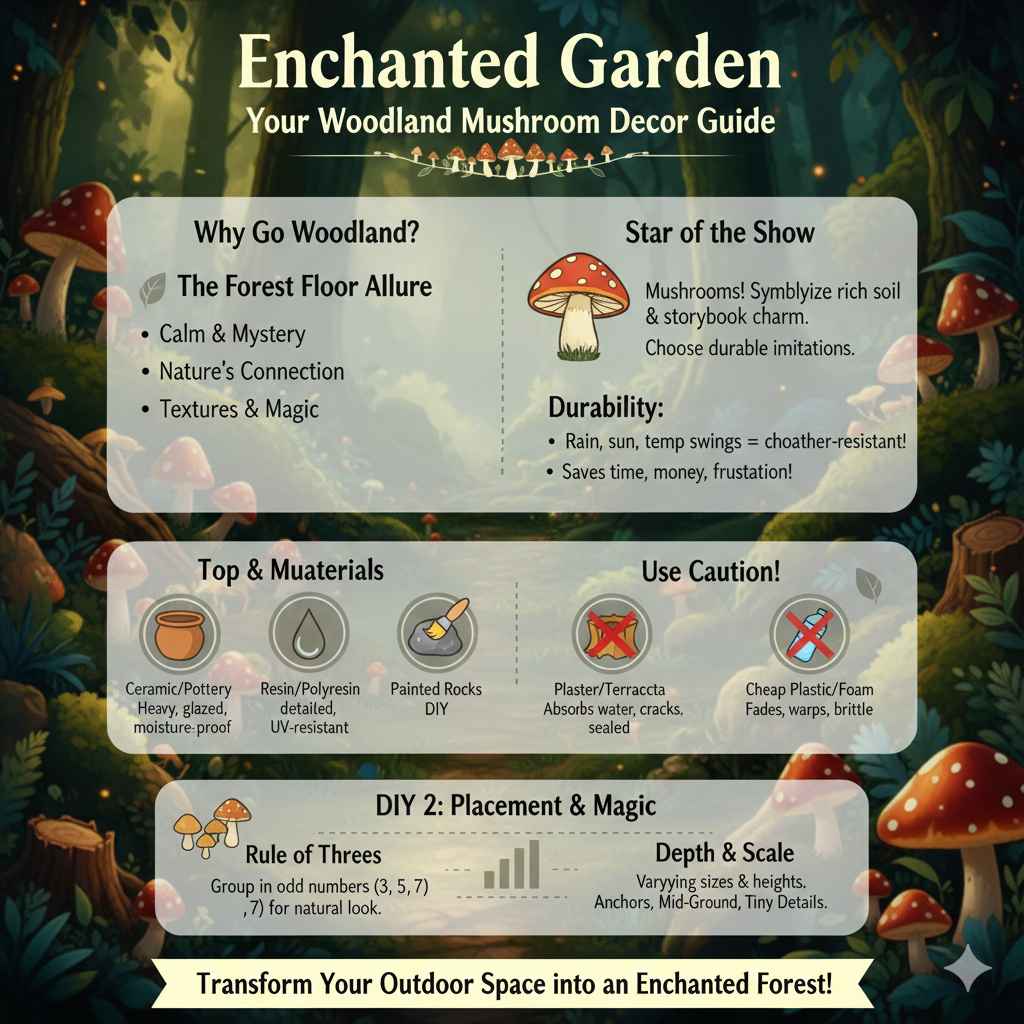
The woodland style is more than just cute décor; it brings a sense of calm and mystery right outside your back door. It connects us back to nature in a gentle, inviting way. If you love natural textures, muted greens, earthy browns, and a touch of magic, this style is perfect for you.
The Allure of the Forest Floor
What makes woodland décor so appealing? It’s the texture, the grounding colors, and the whimsy. Think about dappled sunlight filtering through real trees, the smell of damp earth, and hidden treasures. When we bring this style home, we are inviting that peace and quiet right where we relax.
Mushrooms are the natural star of this aesthetic. They signal rich soil, hidden life, and storybook charm. But since using real fungi outdoors is short-lived (and sometimes risky!), we look to durable, beautiful imitations.
Durability: Making Magic Last Outdoors
My biggest tip, especially for my fellow DIYers, is to always choose materials built for the outdoors. Rain, sun, and temperature swings can destroy cheap decorations quickly. When we choose weather-resistant materials, our enchanting scene lasts for years, not just one season. This saves you time, money, and frustration!
Step 1: Understanding Mushroom Materials for Outdoor Use
When decorating outside, material choice is critical. You need items that can handle rain, UV rays, and maybe even a friendly squirrel investigating them. We need durable substitutes for those fleeting real mushrooms.
Top Material Choices for Woodland Mushrooms
Here are the best options you can easily find or even make yourself:
- Ceramic or Glazed Pottery: These are fantastic. They are heavy, so they won’t blow away easily, and the glaze protects them from moisture. Look for matte or earthy glazes rather than shiny, bright ones for a natural look.
- Resin or Polyresin: Modern outdoor resin is incredibly durable and can be molded into highly detailed, realistic shapes. Ensure it is explicitly labeled as “UV-resistant” or “outdoor safe.”
- Painted Rocks or Stepping Stones: This is a wonderfully creative and budget-friendly DIY option. You use smooth river stones and paint them to look like toadstools.
- Weathered Wood or Concrete: Larger mushroom sculptures are often made from concrete, which ages beautifully, or reclaimed wood that has been sealed properly.
Materials to Use with Caution Outdoors
Some materials look great indoors but quickly fail outside:
- Plaster or Unsealed Terracotta: These absorb water, can crack when freezing, and dissolve over time.
- Standard Craft Foam or Styrofoam: Sun quickly degrades these, making them brittle and unsightly.
- Plastic (Thin/Cheap): Thin plastic fades quickly and often warps in direct sunlight.
Step 2: Planning Your Woodland Mushroom Placement
You wouldn’t put a tiny accent piece right in the middle of a huge lawn and expect it to look good, right? Placement is everything in creating that illusion of a natural forest floor. We need layering and grouping.
The Rule of Threes (and Odds)
Nature rarely uses even numbers. To make your scene look authentic, group your mushroom décor in odd numbers—threes, fives, or sevens. This asymmetry is more pleasing to the eye and looks like natural growth.
Creating Depth and Scale
Think about a real forest: there are tiny mushrooms near the base of a tree and bigger ones popping up near a fallen log. Use varying heights and sizes to create visual interest.
- The Anchors: Place your largest mushroom pieces near structural elements like large planters, the base of a tree, or the edge of a retaining wall. These are your focal points.
- The Mid-Ground Scatter: Use medium-sized pieces (like ceramic stakes) nestled among your existing greenery—hostas, ferns, or low-growing groundcover.
- The Tiny Details: Use your smallest accents (perhaps painted pebbles) right along the edge of a pathway or tucked under a low branch.
Safety Note on Height and Placement
If you are using tall mushroom stakes, ensure they are anchored securely, especially if you live in a windy area. You do not want them falling over into a high-traffic area where someone could trip over them. For wooden stakes, always use galvanized or stainless steel hardware to prevent rust streaks on your patio or walkway.
Step 3: Mastering DIY Mushroom Stepping Stones (Beginner Project)
This is one of the most satisfying and affordable ways to decorate outside. You are literally making art that people walk on! This project relies on simple painting techniques and protective sealants.
Tools and Supplies Needed
You don’t need a fancy workshop for this. Most items can be found at your local hardware or craft store.
| Item | Purpose |
|---|---|
| Smooth, flat river stones (10–15 inches wide) | The ‘cap’ base for the mushroom. |
| Small, round/oval stones | The ‘stem’ base (optional). |
| Exterior acrylic paint (Red, White, Brown) | For creating the classic toadstool look. |
| Outdoor Sealer/Spar Urethane (Matte finish) | Essential for weather protection. |
| Stiff paintbrush and fine detail brush | For application. |
Step-by-Step Painting Guide
Follow these simple steps for durable, beautiful mushroom stones:
- Prep the Surface: Wash your stones thoroughly with soapy water to remove dirt and oils. Let them dry completely—this is crucial for paint adhesion.
- Apply Primer (Recommended): While optional, a coat of exterior masonry primer will ensure your paint job lasts much longer. Let dry as directed.
- Base Coat: For a classic red toadstool, paint the entire top surface of your large stone red. For a more subtle look, use earthy browns or mottled grey-greens. Let this coat dry.
- Create the Cap Spots: Dip a small, clean brush or the end of a dowel into white paint. Dab random spots onto the red base coat to mimic the gills or spots of a mushroom cap. Vary the size of the dots!
- The Stem (If Using): If you are using a separate stone for the stem, paint it a light tan or off-white color.
- Assemble (If needed): Once dry, use a strong outdoor adhesive (like construction adhesive) to secure the stem stone to the cap stone if they are separate pieces.
- Seal Everything: This is the most important step for longevity! Apply 2–3 thin coats of Spar Urethane or an exterior clear coat sealer over the entire painted area, following the product’s dry time between coats. Pay extra attention to the edges where water might seep in.
Tip from Meraj: Don’t aim for perfection! Real toadstools aren’t symmetrical. Embracing a slightly rustic, hand-painted look enhances the woodland magic.
Step 4: Incorporating Store-Bought Accents Safely
If painting stones isn’t your thing, high-quality store-bought items are great time savers. However, we must secure them properly.
Securing Garden Stakes and Posts
Mushroom stakes often look best when they appear to be emerging from the ground, not just sitting on top of it. For metal or resin stakes, you usually push them directly into soft soil or mulch.
- Checking Stability: After pushing the stake in, wiggle it gently. If it moves, pull it out, dig a slightly deeper or wider hole, and try again.
- Using Gravel or Sand: If the ground is too hard, dig a small hole and fill the bottom with coarse sand or fine gravel. This provides better drainage and makes it easier to push the stake in without damaging the base.
- Concrete Bases: Some decorative pieces come with a hollow base meant to be filled with sand or water for weight. Always use the manufacturer’s recommended filler to prevent cracking or leaching chemicals into your soil.
Dealing with Faux Moss and Lichen
To make those store-bought resin mushrooms look like they’ve been in your garden for decades, you need to add natural texture.
You can buy sheets of preserved moss or lichen designed for crafts. Before placing the mushroom, carefully adhere small pieces of real or preserved moss around the base of the stem where it meets the ground. Use a strong outdoor glue. This technique perfectly blends the manufactured item into the real landscape.
Step 5: Integrating Mushrooms with Woodland Foliage
Mushrooms don’t live in isolation; they are part of a larger, green ecosystem. The right surrounding plants will make your mushroom décor truly shine.
Best Plants for a Woodland Base
Focus on plants that thrive in shaded or partially shaded areas and have a lush, layered texture. This mimics the forest understory.
| Plant Type | Woodland Vibe |
|---|---|
| Ferns (e.g., Japanese Painted Fern) | Adds delicate, airy texture and deep green. |
| Hostas | Large, bold leaves provide excellent “ground cover” depth. |
| Mosses (Irish, Scotch, etc.) | The ultimate ground cover for true fairy-tale realism. |
| Heuchera (Coral Bells) | Offers purple, lime, or dark foliage contrasts beautifully with red mushrooms. |
Layering for Realism
To achieve that natural, tucked-in look, position your mushrooms so that the foliage partially overlaps them. For example:
- Let the edges of low-growing Hostas slightly hug the base of a large ceramic mushroom.
- Place smaller stakes so that they peek out from between the fronds of a fern.
- Use mulch heavily around the bases of your display. Fresh, dark mulch looks exactly like the rich forest floor and hides the manufactured bases of your decorations.
Step 6: Lighting Your Enchanted Forest Floor
Woodland décor really comes alive at dusk. Subtle lighting makes the mushrooms seem magical, as if they are glowing slightly from within.
Choosing Weatherproof Lighting Solutions
Since we are dealing with moisture and electricity, safety and durability are paramount. Always choose low-voltage LED lighting designed for outdoor use, rated IP44 or higher for water resistance. For more on outdoor wiring safety, consult resources from organizations like the Electrical Safety Foundation International (ESFI).
Lighting Techniques for Mushroom Displays
- Up-Lighting Small Groups: Use very small, low-wattage spotlights (often solar-powered these days!) hidden just behind a cluster of mushrooms or near the base of a larger nearby plant. Aim the light slightly upward so it casts soft shadows from the mushroom caps.
- Fairy Lights in Green Wires: Weave thin strands of green-wired LED “fairy lights” through the low-growing foliage surrounding your mushrooms. The green wire blends in during the day, and at night, they create a subtle, twinkling background glow.
- Path Glow: If your mushrooms line a path, use small, solar-powered path lights placed away from the mushrooms, allowing the ambient light to softly illuminate the decorations rather than shining directly on them. Direct light looks artificial.
Caring for Your Woodland Mushroom Décor
Once you’ve spent time installing your charming scene, you want it to last. A little annual care goes a long way in keeping the magic alive!
Annual Maintenance Checklist
- Inspect for Cracks (Post-Winter): Before placing everything back out in the spring, check any ceramic or concrete pieces for cracks caused by freezing water expansion over winter. Small cracks can often be filled with exterior epoxy or silicone caulk.
- Re-Seal Painted Rocks: Even the best outdoor sealers wear down after a year of sun and rain. Give your painted stepping stones a quick clean and apply a fresh top coat of Spar Urethane every two to three years.
- Clean Off Debris: After heavy leaf drop in the fall, carefully clear away debris from around the bases of your mushrooms. Trapped damp leaves hold moisture against the décor, which can encourage mold or attract pests.
- Check Stakes: Ensure any stakes haven’t been nudged loose by weather or ground shifting. Push them back down firmly into the mulch or soil.
FAQ: Woodland Mushroom Decorating Made Simple
Q1: Can I use real mushrooms I find in my yard for decoration?
A: It is strongly advised not to. Many wild mushrooms are toxic, and even non-toxic ones decompose very quickly outdoors, leaving messy spots. Stick to safe, durable materials.
Q2: What color should my mushroom caps be for a natural look?
A: While the classic red-and-white (Amanita muscaria) is popular, muted earth tones like rusty browns, deep maroons, creamy whites, or muted yellows look more natural year-round.
Q3: How do I stop my outdoor resin mushrooms from fading in the sun?
A: Always buy resin pieces specifically marked as “UV-resistant.” If the piece you own is fading, you can apply a clear, exterior spray varnish that contains UV inhibitors to protect the color.
Q4: Are these decorations safe for pets and small children?
A: Most commercially made garden stakes are safe, but always ensure they are installed firmly so they cannot be pulled out or knocked over. If you paint your own stones, use only non-toxic, exterior-grade paints.
Q5: Should I plant grass around my mushroom area?
A: Grass generally doesn’t work well. Grass requires a lot of sun and pulling the mower around decorations is difficult. Stick to shade-loving groundcovers like creeping thyme, mosses, or small ferns for a true woodland feel.
Q6: How can I protect my décor during harsh winters?
A: If you live where temperatures consistently drop below freezing, it’s best to bring ceramic or resin items indoors if they are hollow or appear porous. If they are too large, ensure all bases are dry before winter sets in, as trapped water will freeze and crack the material.
Conclusion: Your Forest is Ready for Magic
See? Decorating outside with a woodland mushroom theme is entirely achievable, even for those of us who are just starting out in outdoor décor projects. By choosing durable materials like glazed ceramics or sealing your painted river stones properly, you ensure your enchanted scene withstands the elements.
Remember the key principles: group items in odd numbers, vary your heights, and always surround your accents with lush, complementary foliage. When you blend those earthy colors with the deep greens of ferns and hostas, the magic really appears. Take your time with the placement, don’t be afraid to let moss grow a little around the base, and watch as your backyard transforms from ordinary to utterly enchanting. You’ve got the skills, now go build that beautiful forest floor retreat!