How to Dispose of Light Globes: Essential Guide
Quick Summary:
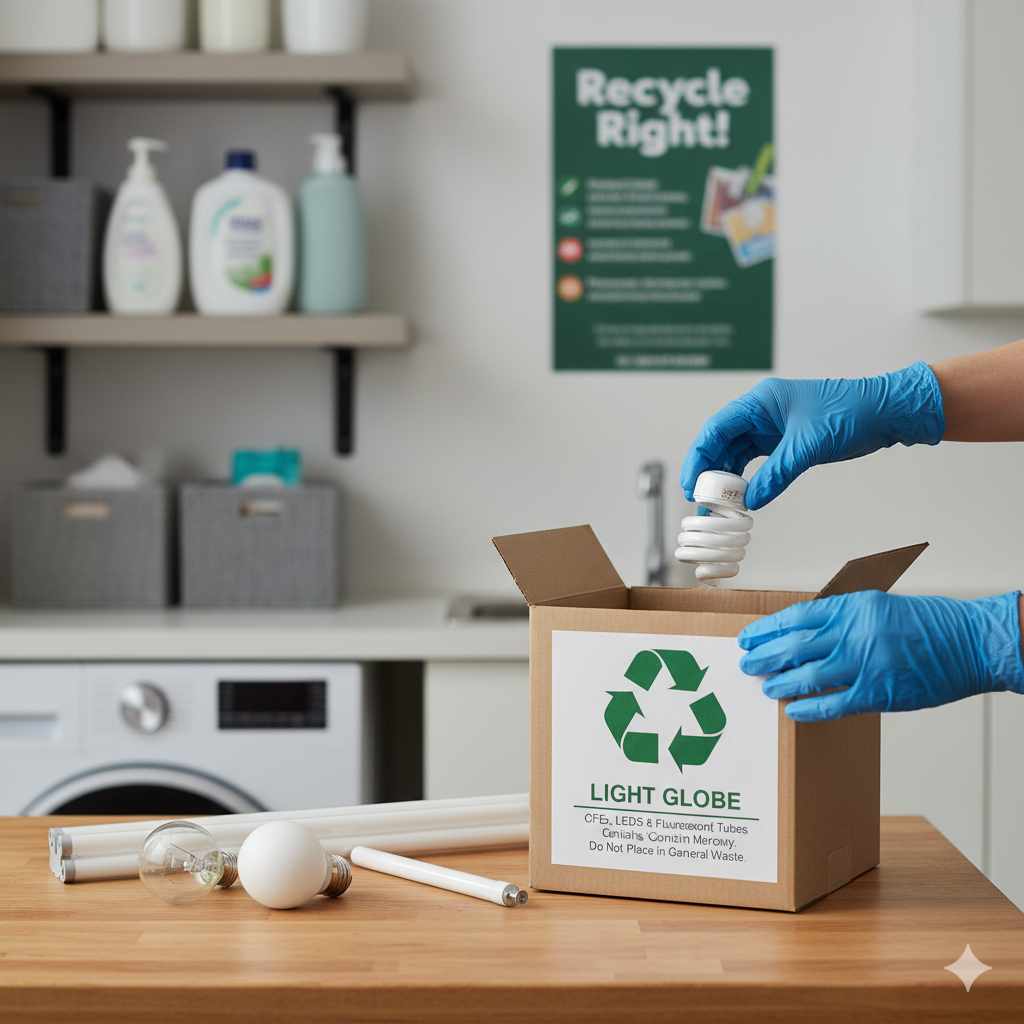
Properly disposing of light globes is simple! Separate them by type (incandescent, LED, fluorescent, halogen) and follow local recycling or waste guidelines. Many types can go in regular trash, but some, like CFLs, contain hazardous materials and require special handling. This guide makes it easy.
Hey there, DIYers and home improvers! Md Meraj here. Ever find yourself staring at a burnt-out light bulb, wondering, “What do I do with this thing?” It’s a common question, and honestly, it can be a bit confusing. We all want to do the right thing for our homes and the planet, but sometimes knowing the right way to handle things like old light globes can feel like a puzzle. Don’t worry, I’ve got your back! We’ll break down exactly how to get rid of all your light globes safely and responsibly. By the end of this, you’ll be a pro at knowing which bin to use and where to take them. Let’s light up your knowledge on this!
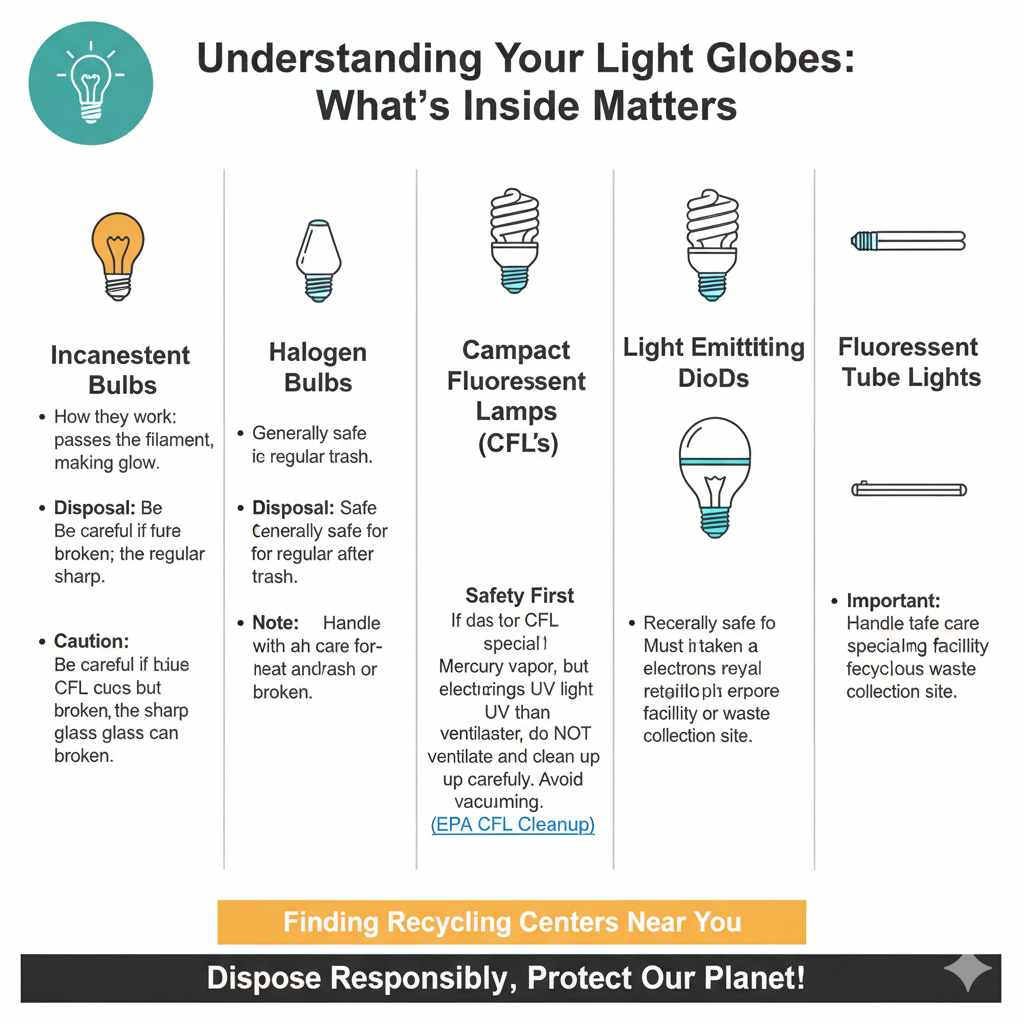
Understanding Your Light Globes: What’s Inside Matters
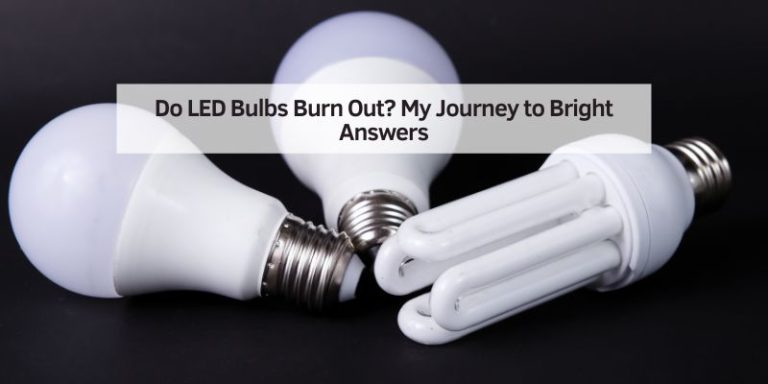
Before we dive into disposal, it’s super important to know what kind of light globe you’re holding. Different types of bulbs have different components, and this affects how they should be thrown away. Think of it like sorting your recyclables – you wouldn’t put glass in with paper, right? The same idea applies here. Knowing your bulb type is the first step to making sure you’re disposing of it safely and correctly, preventing any potential harm to the environment or even your health.
Incandescent Bulbs: The Traditional Choice
These are the classic, old-school light bulbs that most of us grew up with. They work by heating a thin wire filament until it glows. They’re pretty straightforward and don’t contain any harmful chemicals. When they burn out, they’re usually safe to toss in your regular household trash.
- How they work: Electricity passes through a filament, making it glow.
- Disposal: Generally safe for regular trash.
- Caution: Be careful if the bulb is broken; the glass can be sharp.
Halogen Bulbs: A Brighter Incandescent
Halogen bulbs are a type of incandescent bulb, but they’re a bit more efficient and last longer. They contain a small amount of halogen gas, which helps the filament last. While they don’t contain hazardous materials like mercury, they can get quite hot when in use. For disposal, they are typically safe to go into your regular trash bin, similar to standard incandescent bulbs. Just make sure they’ve cooled down completely!
- How they work: Similar to incandescent, but with halogen gas for longevity.
- Disposal: Safe for regular trash after cooling.
- Note: Handle with care due to potential heat and sharp glass if broken.
Compact Fluorescent Lamps (CFLs): The Energy Savers with a Catch
CFLs are those twisty-looking bulbs that became popular for saving energy. They are great for your electricity bill, but they do contain a small amount of mercury. Because mercury is a hazardous material, CFLs should NOT be thrown in your regular trash or recycling bin. They need special handling to ensure the mercury is managed safely. Many local hardware stores or waste management facilities offer recycling programs for CFLs.
- How they work: Mercury vapor is excited by electricity, producing UV light that then makes a phosphor coating glow.
- Disposal: Requires special recycling; do NOT put in regular trash or recycling.
- Safety First: If a CFL breaks, ventilate the room and clean up carefully. Avoid vacuuming. The U.S. Environmental Protection Agency (EPA) has detailed instructions on cleaning up broken CFLs. You can find them at EPA CFL Cleanup.
Light Emitting Diodes (LEDs): The Modern Marvel
LED bulbs are the most energy-efficient and longest-lasting bulbs available today. They don’t contain mercury or other hazardous materials. For the most part, when an LED bulb burns out, it can be safely disposed of in your regular household trash. However, many communities and retailers offer specialized recycling programs for LEDs, which is always a great option to reduce waste and recover valuable materials.
- How they work: Light is produced by electrons moving through a semiconductor material.
- Disposal: Generally safe for regular trash.
- Recycling: Check local programs for preferred recycling options.
Fluorescent Tube Lights: The Long and Linear Ones
These are the long, straight fluorescent tubes often found in garages, basements, or older office buildings. Like CFLs, they contain mercury and therefore require special disposal. They should never go into your regular trash or curbside recycling. Most hazardous waste collection sites or specific recycling centers accept these tubes. Some retailers also have take-back programs.
- How they work: Similar to CFLs, using mercury vapor and phosphor coatings.
- Disposal: Must be taken to a special recycling facility or hazardous waste collection site.
- Important: Handle with care to avoid breakage and mercury release.
Step-by-Step Guide: How to Dispose of Light Globes Safely
Now that you know the different types, let’s walk through the actual disposal process. It’s all about being mindful and following the right steps for each bulb. We’ll cover everything from handling broken bulbs to finding recycling locations. Remember, a little bit of care goes a long way in keeping our homes and environment safe.
Step 1: Identify Your Bulb Type
This is the crucial first step. Take a good look at the bulb. Is it a traditional round bulb? A twisty one? A long tube? Check the packaging if you still have it, or look for labels on the bulb itself. Often, the type of bulb (incandescent, LED, CFL) is printed on the glass or the metal base.
Step 2: Check for Breakage
If the bulb is broken, extra caution is needed, especially with CFLs and fluorescent tubes due to mercury content. For any broken glass bulb, wear thick gloves to protect your hands. For CFLs and fluorescent tubes, follow the specific cleanup procedures to minimize mercury exposure.
Step 3: Decide on the Disposal Method
Based on the bulb type, you’ll choose how to dispose of it:
- Incandescent & Halogen Bulbs: These can typically go into your regular household trash. Ensure they are completely cool before putting them in the bin. If they are broken, carefully wrap the pieces in newspaper or place them in a sturdy container to prevent injury.
- LED Bulbs: While generally safe for the trash, check if your local municipality or a nearby retailer offers an electronics recycling program that accepts LEDs. Many hardware stores and home improvement centers have drop-off bins for these.
- CFLs & Fluorescent Tubes: These MUST be recycled properly. Do not put them in your trash or curbside recycling.
Step 4: Find Local Disposal & Recycling Options
This is where you’ll do a little local research. Your disposal method for CFLs and fluorescent tubes will depend on where you live.
Here are some common places to look:
- Local Waste Management Authority: Your city or county’s waste management website is usually the best place to start. They’ll have information on hazardous waste collection days, permanent drop-off sites, or specific instructions for bulb disposal.
- Retailers: Many large home improvement stores (like Home Depot, Lowe’s) and some electronics stores offer free recycling for CFLs and sometimes LEDs. Check their websites or ask customer service.
- Household Hazardous Waste (HHW) Facilities: These facilities are specifically designed to handle items containing hazardous materials. They are often the most reliable option for CFLs and fluorescent tubes.
- Online Search: Use search terms like “CFL recycling near me,” “light bulb disposal [your city/state],” or “hazardous waste drop off [your zip code].” Websites like Earth911 can also help you find local recycling centers for various materials, including lighting.
Step 5: Pack and Transport Bulbs for Recycling
If you’re taking CFLs or fluorescent tubes to a recycling center, pack them carefully to prevent breakage during transport. You can:
- Use the original packaging if you still have it.
- Wrap each bulb individually in bubble wrap or newspaper.
- Place them upright in a sturdy box or container.
- For broken CFLs, follow EPA cleanup guidelines and consider placing debris in a sealed glass jar or plastic bag.
Step 6: Dispose of Bulbs at the Designated Location
Once you’ve found your recycling spot, follow their instructions. Some places might have designated bins, while others might require you to hand them over to an attendant. For regular trash, ensure the bulbs are cool and won’t break easily.
Disposal Methods at a Glance: A Handy Table
To make things even easier, here’s a quick reference table summarizing the disposal methods for different types of light bulbs. This should help you quickly decide what to do with each one.
| Bulb Type | Contains Hazardous Material? | Recommended Disposal Method | Special Notes |
|---|---|---|---|
| Incandescent | No | Regular household trash | Ensure cool. Wrap broken pieces for safety. |
| Halogen | No | Regular household trash | Ensure cool. Handle with care if broken. |
| CFL (Compact Fluorescent Lamp) | Yes (Mercury) | Special Recycling (HHW facility, retailer take-back) | DO NOT put in trash or curbside recycling. Follow EPA cleanup for breaks. |
| LED (Light Emitting Diode) | No | Regular household trash or Special Recycling (if available) | Recycling is preferred to recover materials. Check local options. |
| Fluorescent Tube | Yes (Mercury) | Special Recycling (HHW facility, specific recyclers) | DO NOT put in trash or curbside recycling. Handle carefully. |
What to Do If a Bulb Breaks: Safety First!
Accidents happen, and sometimes a light bulb can break. This is especially important to know for CFLs and fluorescent tubes, which contain mercury. Following the right procedure can prevent mercury exposure and keep your home safe.
For Incandescent or Halogen Bulbs (Glass Breakage):
These don’t contain hazardous materials, but broken glass is a hazard.
- Turn off the power to the area if the bulb was recently in use.
- Wear thick gloves (like work gloves) to protect your hands from cuts.
- Carefully pick up the larger pieces of glass.
- Use a damp paper towel or sticky tape (like duct tape) to pick up any small shards or dust. Do NOT use a broom or vacuum cleaner, as this can spread the glass further or break it into smaller pieces.
- Place all broken pieces into a sturdy container, like a cardboard box or a thick plastic bag, and seal it well.
- Dispose of the sealed container in your regular trash.
For CFLs or Fluorescent Tubes (Mercury Breakage):
These require more careful handling due to mercury. The U.S. EPA provides specific guidance, and it’s best to follow it closely:
- Leave the room: Have everyone, including pets, leave the room immediately.
- Ventilate: Open windows and doors to the outside and let the room air out for 5-10 minutes.
- Turn off central forced air heating/air conditioning: Shut down your HVAC system to prevent circulating mercury vapor.
- Gather cleanup materials: You’ll need stiff paper or cardboard, damp paper towels or disposable wet wipes, and a glass jar with a metal lid or a sealable plastic bag. Wear disposable gloves.
- Clean up hard surfaces: Carefully scoop up glass fragments and powder with stiff paper or cardboard. Use damp paper towels or wet wipes to wipe the area clean. Do NOT vacuum.
- Clean up carpets or rugs: If glass fragments are embedded in carpet or rug, carefully pick up visible glass. Then, use damp paper towels or wet wipes to clean the area. Consider vacuuming after you have removed all visible glass fragments and wiped the area. If you vacuum, empty the vacuum cleaner bag or canister immediately outdoors into a sealed bag.
- Dispose of waste: Place all cleanup materials (paper, wipes, gloves, glass fragments) in a glass jar with a metal lid or a sealable plastic bag. Seal it tightly.
- Continue ventilation: Keep the room ventilated for a few hours.
- Dispose of the sealed waste: Check with your local waste authority for proper disposal of mercury-containing waste. Some HHW facilities accept these items.
For more detailed information, you can refer to the EPA’s official guidance on cleaning up broken CFLs.
Why Proper Disposal Matters: Environmental Impact and Safety
You might be wondering why all the fuss about light bulbs. Well, it boils down to two main things: protecting our environment and ensuring public safety. Each type of bulb has different implications:
- Mercury Contamination: CFLs and fluorescent tubes contain small amounts of mercury. If these bulbs end up in landfills, the mercury can leach into the soil and water over time, which is harmful to ecosystems and human health. Proper recycling ensures this mercury is captured and managed safely.
- Resource Conservation: Many modern bulbs, like LEDs, contain valuable materials that can be recovered and reused through recycling. This reduces the need to mine for new raw materials, saving energy and reducing environmental impact.
- Preventing Injuries: Safely disposing of broken bulbs, especially glass ones, prevents cuts and injuries for sanitation workers and the general public.
- Reducing Landfill Waste: While incandescent and halogen bulbs are generally safe for landfills, recycling all types of bulbs when possible helps reduce the overall volume of waste going into our landfills.
Making the effort to dispose of your light globes correctly is a small action that contributes to a larger positive impact. It’s a practical way we can all be more responsible homeowners.
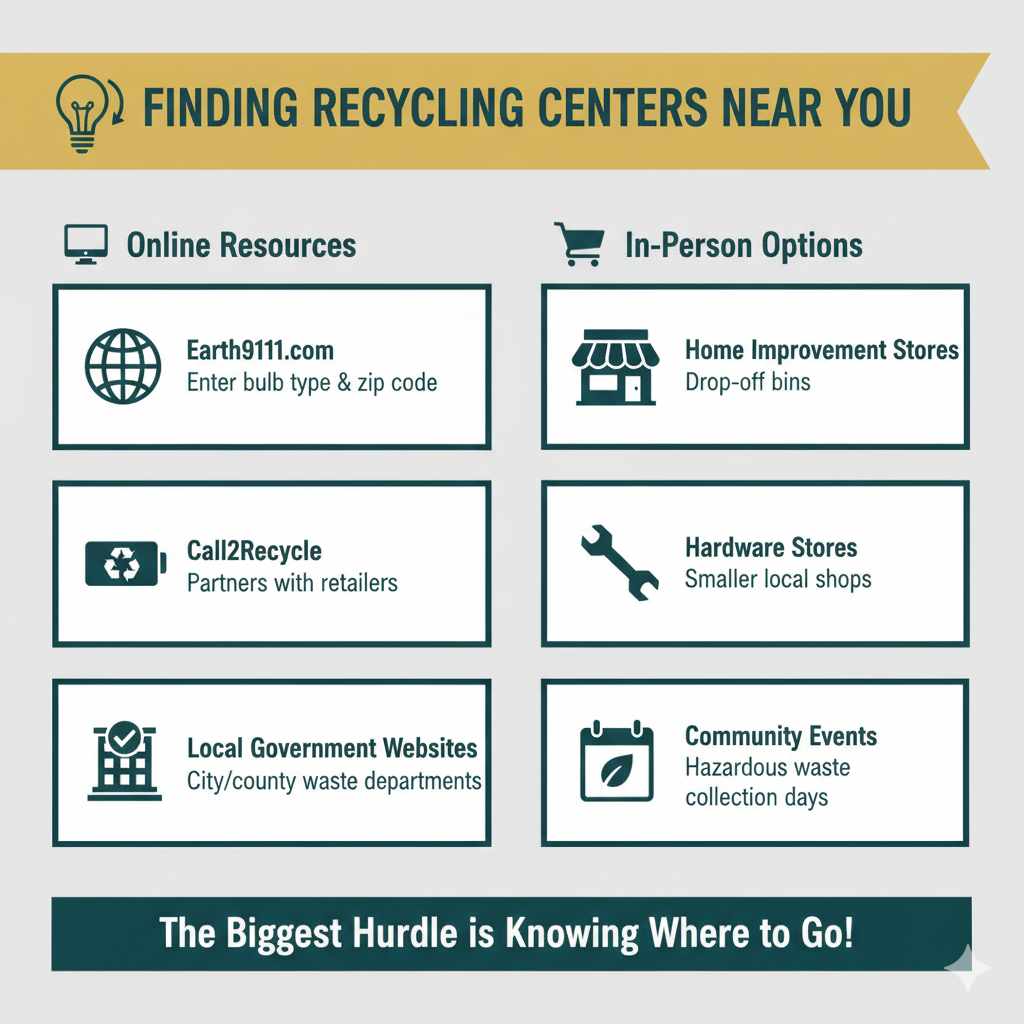
Finding Recycling Centers Near You
The biggest hurdle for many people is knowing where to take their hazardous bulbs. Fortunately, resources are available to help you find these specialized recycling locations.
Online Resources:
- Earth911: As mentioned, Earth911.com is a fantastic resource. Simply enter “CFLs” or “fluorescent bulbs” and your zip code to find nearby drop-off locations.
- Call2Recycle: While primarily known for battery recycling, Call2Recycle also partners with many retailers for bulb recycling. Check their website for information.
- Local Government Websites: Your city, county, or state’s environmental or waste management department will have the most accurate and up-to-date information for your specific area. Look for sections on “hazardous waste,” “recycling,” or “special waste.”
In-Person Options:
- Home Improvement Stores: Many large retailers like Home Depot and Lowe’s offer in-store drop-off bins for CFLs and sometimes LEDs. These are usually located near customer service or the entrance.
- Hardware Stores: Smaller local hardware stores may also participate in recycling programs. It’s worth asking!
- Municipal Waste & Recycling Centers: Your local transfer station or recycling center is a prime spot for finding disposal options for all types of waste, including hazardous lighting.
- Community Events: Keep an eye out for community hazardous waste collection days, which are often held periodically throughout the year.
Frequently Asked Questions (FAQs)
Here are some common questions people have about disposing of light globes:
Q1: Can I just throw all my old light bulbs in the regular trash?
A1: No, not all of them. Incandescent and halogen bulbs can typically go in the trash. However, CFLs and fluorescent tubes contain mercury and need special recycling. LEDs are generally safe for the trash but recycling is preferred if available.
Q2: What makes CFLs and fluorescent tubes different from other bulbs?
A2: The main difference is that CFLs and fluorescent tubes contain a small amount of mercury, which is a hazardous substance. Incandescent and halogen bulbs do not contain hazardous materials, and while LEDs contain electronic components, they do not contain mercury.
Q3: Where can I find a recycling center for CFLs?
A3: You can often find CFL recycling at major home improvement stores (like Home Depot, Lowe’s), electronics retailers, or through your local municipal waste management services or household hazardous waste (HHW) facilities. Online resources like Earth911 can also help you locate centers near you.
Q4: What should I do if a CFL bulb breaks in my home?
A4: If a CFL breaks, leave the room, ventilate it by opening windows, and then carefully clean up the debris using stiff paper or cardboard and damp paper towels. Avoid vacuuming. Place all cleanup materials in a sealed jar or bag and check with your local waste authority for proper disposal.
Q5: Are LED bulbs safe to throw in the trash?
A5: Yes, LED bulbs do not contain hazardous materials like mercury, so they are generally considered safe to dispose of in your regular household trash. However, recycling them is a more environmentally friendly option as it allows for the recovery of valuable components.
Q6: How do I know if my light bulb is a CFL or an LED?
A6: CFLs are typically the “twist” or spiral-shaped bulbs. LEDs can come in various shapes, including traditional bulb shapes, spotlights, and tubes. Often, the bulb will be labeled with its type (CFL, LED, Incandescent, Halogen). If you still have the original packaging, it will clearly state the bulb type.
Q7: Can I put broken glass from any light bulb in my curbside recycling bin?
A7: No, you should not put broken glass from any light bulb, especially those containing hazardous materials, in your curbside recycling bin. Broken glass can be a safety hazard for recycling facility workers and can contaminate other recyclable materials. For broken incandescent or halogen bulbs, wrap the pieces securely and place them in the regular trash.
Conclusion: Lighting the Way to Responsible Disposal
So there you have it! Disposing of light globes doesn’t have to be a mystery. By taking a moment to identify your bulb type and understanding the simple disposal steps, you’re doing a great service to both your home and our planet. Remember, while incandescent and halogen bulbs are usually fine for the trash, CFLs and fluorescent tubes require a trip to a special recycling center due to their mercury content. LEDs are a bit more flexible, safe for trash but even better when recycled.
Making these small, conscious choices about how we handle our household waste, like old light bulbs, adds up. It’s about building good habits that contribute to a healthier environment for everyone. Armed with this knowledge, you can confidently tackle that burnt-out bulb and know you’re doing the right thing. Keep up the great work on your home projects, and happy, safe, and responsible lighting!