How to Dispose of LED Light Bulbs (EPA Rules + Free Drop-Offs)
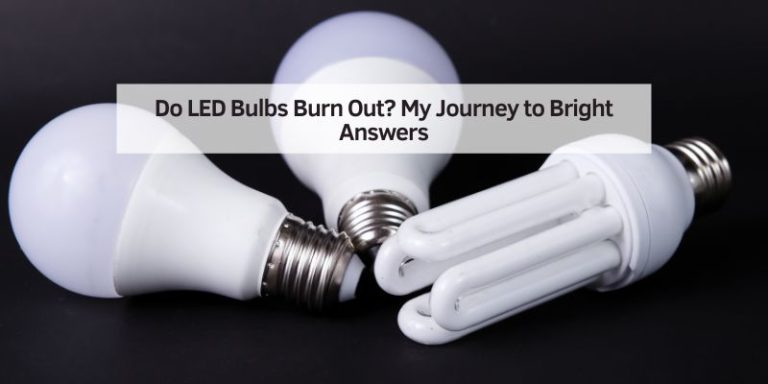
LED light bulbs contain no mercury, but recycle them anyway — lead solder on the circuit board can qualify some LEDs as EPA universal waste, not regular trash. Tossing them in a landfill wastes recoverable copper and aluminum and risks a fine in states with mandatory e-waste rules. This guide covers where to recycle LEDs for free, how to prepare bulbs for drop-off, and what to do if one breaks.
How to Dispose of LED Light Bulbs: Step-by-Step
The fastest way to dispose of LED light bulbs is to drop working or dead bulbs into a free take-back bin at Home Depot, Lowe’s, or Batteries Plus Bulbs — no purchase or receipt required. Most stores keep the bin near the entrance or customer service desk.
If no retailer near you takes LEDs, your city or county hazardous waste facility will — see our full list of local drop-off options or check Earth911.com by zip code. Both routes are free for household quantities under most local rules.
Why Proper Disposal of LED Bulbs Matters
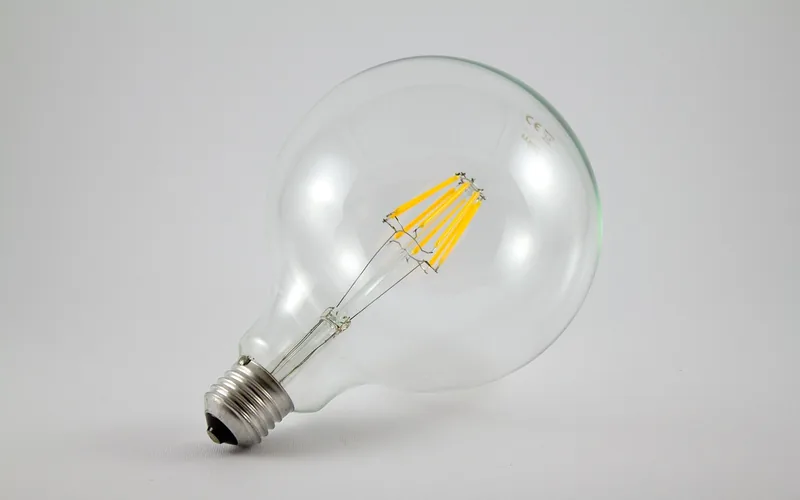
You can’t just toss LED light bulbs in the trash and call it done. LEDs are energy-efficient and long-lasting, but they’re built from plastic, metal, and small amounts of chemical compounds. They’re safer than CFLs or incandescents, but improper disposal still sends recoverable material to an already-overflowing landfill.
Recycling keeps those materials out of landfills and reduces the need to mine new metal and plastic. See our full breakdown of whether LED bulbs need to be recycled for the state-by-state nuance.
Understanding What’s Inside an LED Bulb
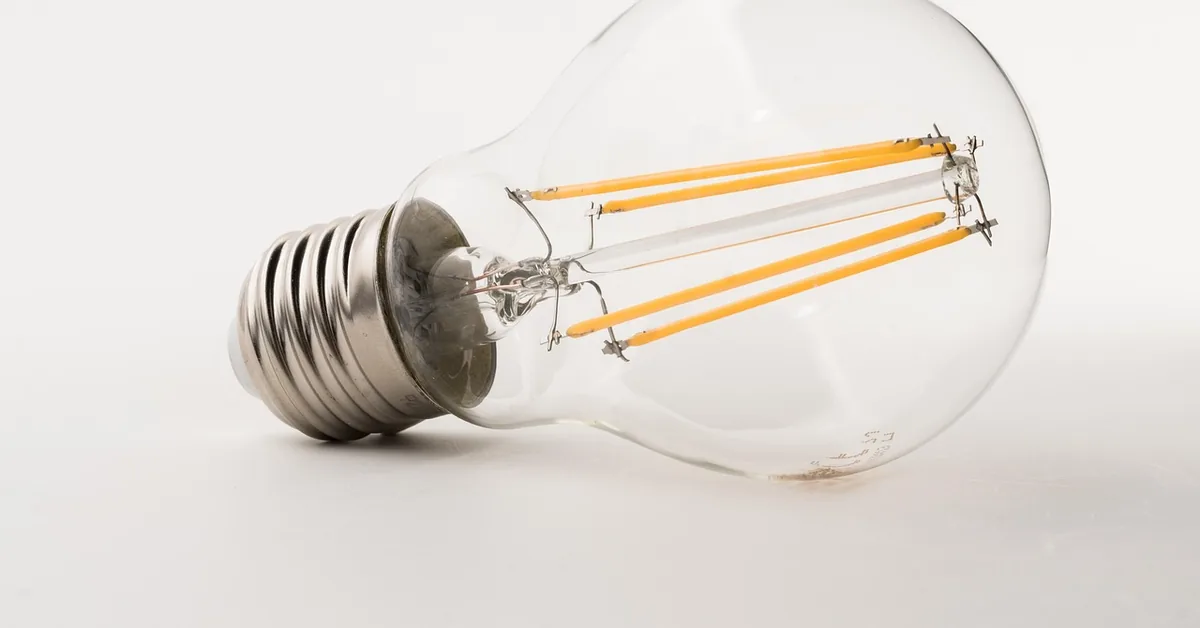
To dispose of LEDs correctly, it helps to know what they’re made of. LED bulbs combine a plastic or glass housing, a metal heat sink, electronic circuits, and semiconductor diodes that produce light. Unlike CFLs, they contain no mercury — but the diodes can carry small amounts of gallium arsenide, and the circuit board is typically joined with lead solder.
None of this makes a burned-out LED dangerous to hold. It does mean the components aren’t something you want leaching into soil or water long-term, which is why recycling — not landfilling — is the right default. Recycling also recovers the aluminum heat sink and plastic housing for reuse.
Are LED Light Bulbs Considered Hazardous or Universal Waste?
Universal waste is an EPA category for common hazardous items — batteries, lamps, pesticides — that get simplified handling rules instead of full hazardous-waste paperwork. LED bulbs contain no mercury, but many use lead solder on the internal circuit board, which can push them over the EPA’s toxicity threshold for lead. When that happens, the bulb legally qualifies as universal waste, not household trash. See our deeper look at whether LED bulbs count as hazardous waste for the state-level breakdown. If you don’t know the composition of a specific bulb, the EPA’s own guidance is to manage it as universal waste to stay safe — recycling programs already handle it this way by default, so you don’t need to test anything yourself.
📊 Hazardous-waste lamps (including some LEDs) are federally regulated under the EPA’s Universal Waste Rule. — Source: US EPA, Introduction to Universal Waste
Checking Local Regulations
Check your local rules before you do anything. Every state and city in the USA has different guidelines for bulb disposal. Some places allow LED recycling at regular drop-offs, while others run special programs. Colorado counties, for example, often have free recycling bins for LEDs at hardware stores, while some rural areas require a drive to a larger town for a drop-off.
To find your local options, visit your city’s waste management website or call your recycling center. You can also check Earth911.com or RecycleNation.com by zip code to find the nearest drop-off.
Finding Recycling Drop-Off Locations
Recycling LEDs is easier than you think, and many places take them for free:
- Hardware Stores: Home Depot and Lowe’s have bins for LEDs and other bulbs, usually near the entrance.
- Electronics Retailers: Best Buy and Staples often accept LEDs as part of their e-waste programs.
- Recycling Centers: Most cities have centers that take bulbs, often with a dedicated hazardous waste day for LEDs, batteries, and more.
- Mail-Back Programs: Some manufacturers, like Philips or GE, offer prepaid mail-back kits — useful for specialty LEDs with no local drop-off.
Call ahead to confirm a location accepts LEDs specifically — some centers only take CFLs or fluorescent tubes.
Best Replacement LED Pick
LUXRITE A19 LED Light Bulb, 60W Equivalent (4-Pack) – $12.48
Since you’re already pulling a dead bulb for recycling, this pack matches the ENERGY STAR efficiency and 15,000+ hour lifespan this guide recommends looking for when you replace it.
- Best for: Standard lamps and fixtures needing a warm, familiar glow
- Why we picked it: ENERGY STAR certified, dimmable, and enclosed-fixture rated — the exact spec this guide’s “Buying Eco-Friendly LEDs” section flags as worth checking for
- Main drawback: Warm 2700K tone isn’t as bright-feeling as daylight bulbs for task lighting
Compare more replacement LED options
 Option 1 EcoSmart A19 LED Bulb, Daylight (4-Pack) – $17.95
|
 Option 2 LUNO A19 LED Bulb, 5000K Daylight (4-Pack) – $9.99
|
 Option 3 Maylaywood A19 LED Bulb, Daylight (4-Pack) – $7.99
|
As an Amazon Associate we earn from qualifying purchases.
“We’ve dropped dozens of dead LED bulbs into the Home Depot bin over the years — it takes about as long as returning a library book, and staff never ask for a receipt or proof of purchase.”
How to Prepare LED Bulbs for Disposal
A little prep before you drop off your bulbs goes a long way:
- Let them cool: if the bulb was just on, give it a few minutes to cool before handling.
- Remove from fixtures: carefully unscrew or unclip the bulb without cracking the housing.
- Store safely: put bulbs in a sturdy box or bag to avoid breaking — an old shoebox lined with bubble wrap works well.
- Separate types: keep LEDs apart from CFLs or fluorescents in the same batch — those contain mercury and need different handling.
Don’t tape bulbs together for transport — it makes sorting harder at the recycling center. Keep them loose in their container instead.
Recycling LEDs from Your Car
Automotive LED headlights, taillights, and interior lights need the same care as household LEDs. Most auto parts stores, including AutoZone and Advance Auto Parts, take them for recycling.
Remove the bulb from your car carefully (check your owner’s manual for the exact procedure), store it in a padded container to protect the electronics, then drop it off at an auto parts store or recycling center. Some shops offer a small discount on new bulbs when you recycle the old one.
What Happens When You Recycle LEDs
Recycled LEDs go to specialized facilities where they’re broken down into parts. The metal heat sink is melted for reuse, the plastic housing is shredded into new products, and the electronics are processed to recover trace amounts of rare materials.
That old garage bulb can genuinely end up as part of a new phone or car component. Recycling LEDs reduces the need to mine new materials — a real, measurable environmental win, not just a feel-good gesture.
Common Mistakes to Avoid
Don’t throw LEDs in the regular trash. Even though they’re safer than CFLs, they still belong in recycling, not the landfill.
Don’t break bulbs on purpose, either. While LEDs aren’t as hazardous as mercury-filled bulbs, breaking one can release small amounts of the chemicals described above. If a bulb cracks, sweep up the pieces with a broom and seal them in a bag before recycling.
Don’t assume every recycling center takes LEDs — always check first. Some only accept batteries or fluorescent tubes.
Alternatives to Disposal: Reusing LEDs
Sometimes an LED isn’t totally dead — it’s just too dim for its original spot. A bulb that’s lost brightness in a kitchen fixture can often keep working for years in a closet or low-traffic area instead of going straight to recycling.
Old LED bulbs can also be repurposed for craft projects — painted glass shells as vase fillers or decor accents — as long as the bulb isn’t cracked and is safe to handle.
Buying Eco-Friendly LEDs
Since you’re already thinking about disposal, it’s worth choosing a replacement that’s easier on the planet next time. Look for ENERGY STAR-certified LEDs — they’re efficient and often list recycling info directly on the box. Cree, Philips, and Feit Electric are reliable, widely available brands.
Check the packaging for recycling instructions, too — some brands partner with mail-back programs, handy if you don’t have a local drop-off. Bulbs rated for 15,000–25,000 hours also mean fewer replacements and less waste over time.
Table: Where to Recycle LED Bulbs
A quick reference for common recycling options across the USA:
| Location Type | Examples | Notes |
|---|---|---|
| Hardware Stores | Home Depot, Lowe’s | Free bins, call to confirm |
| Electronics Retailers | Best Buy, Staples | Often take e-waste, including LEDs |
| Recycling Centers | Local waste facilities | Check for hazardous waste days |
| Auto Parts Stores | AutoZone, Advance Auto Parts | Great for car LEDs |
| Mail-Back Programs | Philips, GE, Recycle A Bulb | Prepaid boxes, good for bulk |
Educating Others About LED Disposal
Most people don’t realize LED recycling is necessary since the bulbs feel harmless. A quick mention to neighbors, a workplace, or an HOA newsletter about the nearest free drop-off bin is often all it takes to redirect a few more bulbs away from the landfill.
Handling Broken LED Bulbs
If an LED bulb breaks, don’t panic — it’s not the health concern a broken CFL is. Here’s the process:
- Ventilate the area: open a window to let air flow.
- Sweep, don’t vacuum: use a broom to collect pieces — a vacuum can spread dust.
- Seal the debris: put the pieces in a plastic bag or container and seal it.
- Clean up: wipe the area with a damp cloth and add it to the bag.
- Recycle: take the sealed bag to a recycling center that accepts broken bulbs — some don’t, so check first or use a hazardous waste facility.
The Cost of Recycling LEDs
Recycling LEDs is usually free. Most drop-off locations don’t charge, and mail-back programs often include prepaid shipping.
Bulk quantities — from a business or a big home renovation — sometimes carry a small processing fee. A large box of bulbs from a commercial job might run around $10; call ahead to confirm before you show up.
Staying Safe During Disposal
LEDs are pretty safe, but a few precautions make the process worry-free. Wear gloves when handling bulbs to avoid cuts if one breaks.
Don’t store bulbs in flimsy bags where they could crush each other — use a sturdy box or container instead. Keep bulbs away from kids and pets while they’re waiting to be dropped off.
Troubleshooting Disposal Challenges
Recycling isn’t always smooth. Here are fixes for the most common snags:
- No nearby drop-off: if you’re in a rural area, try a mail-back program or plan the trip to a bigger town around another errand.
- Center won’t take LEDs: double-check their website or call a second facility — not every hazardous waste center accepts every bulb type.
- Bulbs from odd fixtures: specialty LEDs, like car or track lighting, often need an auto parts store or manufacturer program instead of a general recycling center.
If you’re stuck, your state’s environmental agency usually has resources for tricky items.
The Bigger Picture: Why LEDs Are Worth It
Even with the extra step of recycling, LEDs remain the clear choice — see our full breakdown of whether LED bulbs are worth it. They use up to 80% less energy than incandescent bulbs and typically last 10–20 years, cutting both replacement frequency and electric bills.
They’re also versatile across the house, car, and outdoor fixtures. Knowing they can be recycled responsibly removes the last real objection to using them everywhere.
FAQs About Disposing of LED Light Bulbs
Can I throw LED bulbs in the regular trash?
No, you shouldn’t. LEDs contain materials that can harm the environment in landfills, and some qualify as EPA universal waste due to lead solder. Recycle them at a drop-off or through a mail-back program instead.
Are LED bulbs hazardous like CFLs?
No, LEDs don’t contain mercury like CFLs, so they’re safer to handle. But they still need recycling to recover materials and avoid waste.
Where can I recycle LED bulbs from my car?
Auto parts stores like AutoZone or Advance Auto Parts take automotive LEDs. You can also check recycling centers or manufacturer mail-back programs.
What do I do if an LED bulb breaks?
Ventilate the area, sweep up the pieces with a broom, seal them in a bag, and take them to a recycling center that accepts broken bulbs. Don’t vacuum the debris.
Is recycling LED bulbs expensive?
No, it’s usually free at hardware stores, electronics retailers, or recycling centers. Bulk or mail-back programs occasionally carry small fees, but they’re rare for household quantities.
Can LED light bulbs go in the curbside recycling bin?
No. Standard curbside single-stream recycling is sorted for paper, plastic, glass, and metal containers. LED bulbs jam that sorting equipment and typically get pulled out as contamination and landfilled anyway. Use a dedicated bulb take-back bin, hazardous waste facility, or mail-back kit instead of the blue bin.
Wrapping It All Up
Disposing of LED light bulbs is simple once you know the routine: drop dead bulbs at a free take-back bin, keep them separate from CFLs, and sweep up (never vacuum) a broken one. Whether you’re dropping off at Home Depot, mailing bulbs back to the manufacturer, or passing the tip along to a neighbor, you’re keeping recoverable metal and plastic out of the landfill and staying on the right side of your state’s e-waste rules.
Sponsored / affiliate links. As an Amazon Associate I earn from qualifying purchases. I may earn additional commission from eligible campaigns.

![Lumiverse 90 Pack Dimmable A19 LED Light Bulbs, 5000k Daylight 9.5 Watt [60w Equivalent], E26 LED Bulb Energy Efficient, UL Listed (5000K Daylight White)](https://m.media-amazon.com/images/I/41HxLJm9DqL._SL500_.jpg)